


Uzbekistan Silk Textile
An uzbekistan silk textile brings vibrant Central Asian artistry into a room through intricate embroidery and bold panels.
Uzbekistan Silk Textile
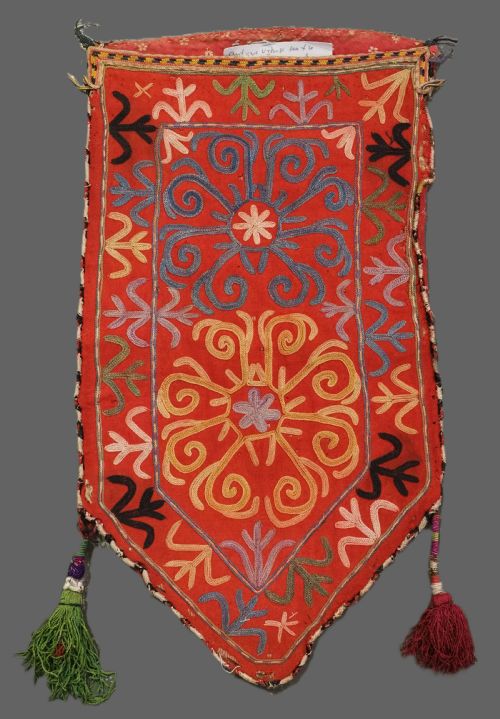
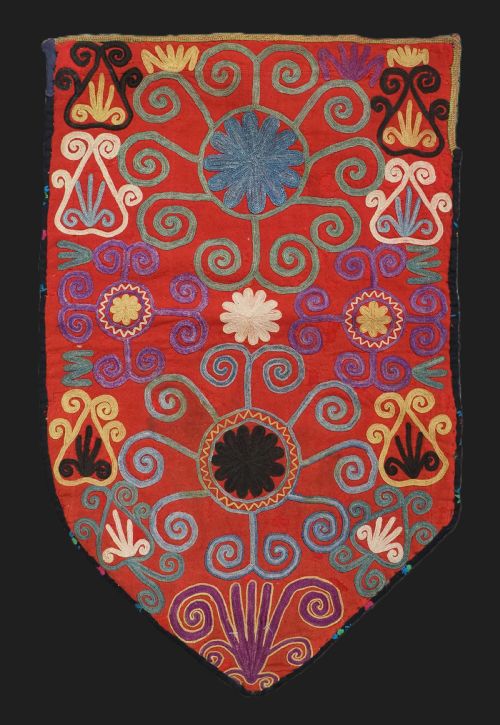
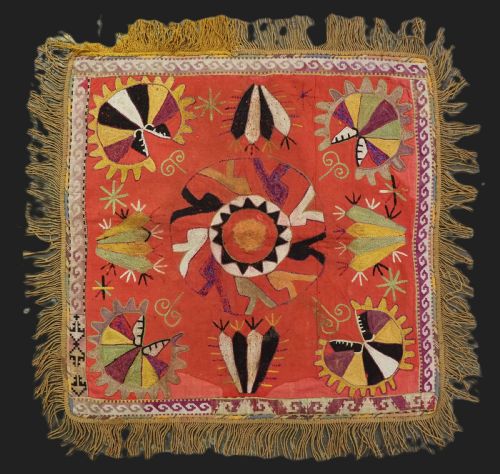
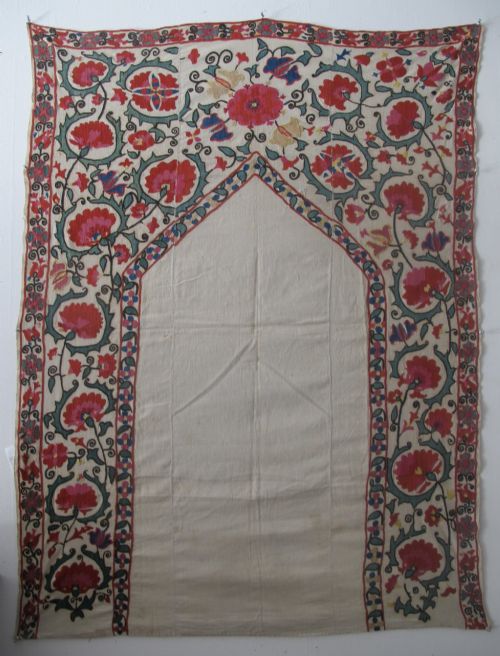
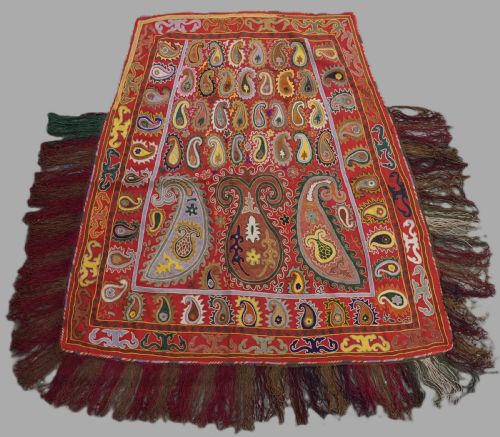
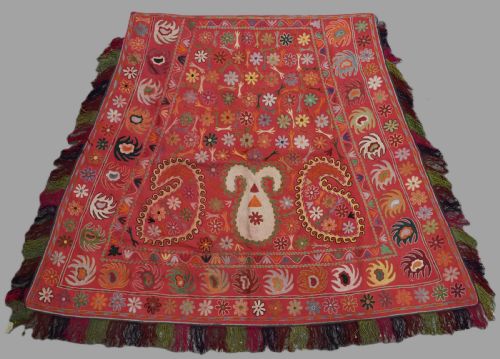
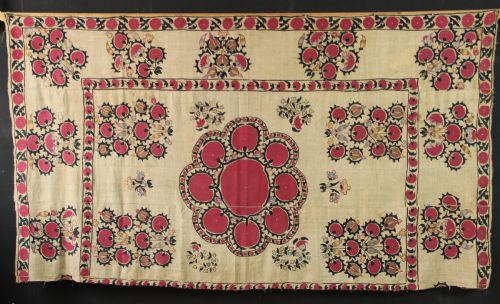
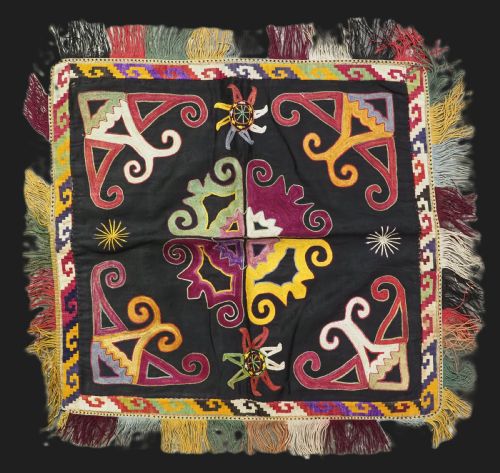
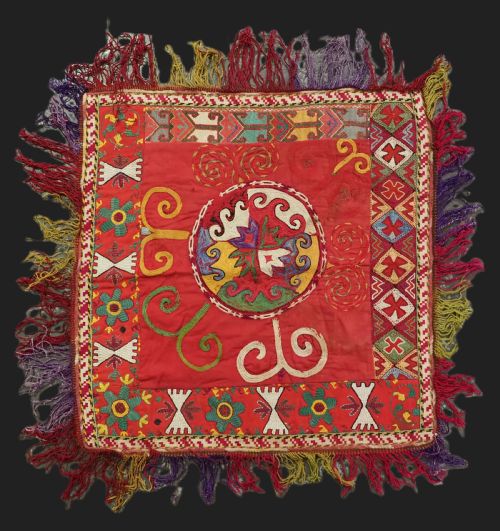
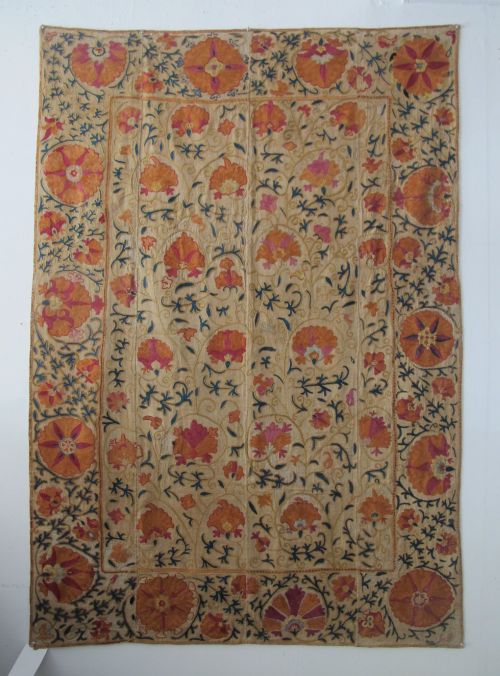
When you search for an uzbekistan silk textile, you encounter traditional Central Asian needlework spanning the mid-nineteenth century to the early twentieth century. These pieces predominantly take the form of suzani wall hangings, tribal ilgich embroideries, and ceremonial horse covers originating from regions such as Bokhara, Shakrisabz, Nurata, and Tashkent.
The selections on this page commonly include dowry embroideries, prayer formats, and silk ikat panels fashioned by regional artisans. Each item reflects the distinct cultural heritage of Central Asian tribal groups, particularly the Lakai Uzbeks, through traditional motifs and formats intended for domestic display or ceremonial use.
Materials and construction
Makers utilised silk thread and silk embroidery applied to foundation grounds of cotton, linen, or velvet. Certain garments and panels also incorporate wool and silver metal thread brocade work to enhance the surface detail.
Needlework techniques range from full work embroidery covering the ground to regional styles characteristic of Shakrisabz and Ura Tube. Dyers and embroiderers relied on natural textiles, working on yellow cotton grounds or red velvet bases to create dense floral and geometric patterns.
Current listings feature cotton, silk, wool, velvet, and silver metal thread across pieces dated from the mid-nineteenth century to the early twentieth century.
Differentiating quality
The distinction between pieces rests upon the density of the embroidery and the complexity of the design layout. Full work suzanis and finely executed double faced ilgich panels demonstrate superior handwork compared to simpler compositions.
The vitality of the colour palette and the precision of the needlework dictate the standing of an individual piece. Items featuring specialised regional motifs, architectural designs, or intricate silver metal thread additions command greater visual presence.
The Uzbekistan Silk Textile Glossary
- Suzani
- An embroidered wall hanging or textile from Central Asia, traditionally made as part of a bride's dowry. These pieces feature silk embroidery on cotton or linen grounds.
- Ilgich
- A specific type of embroidery or wall hanging produced by tribal groups, notably the Lakai Uzbeks. They often served as dowry pieces or decorative hangings.
- Ikat
- A dyeing and weaving technique where threads are tie-dyed before being woven into patterned panels or garments. This method creates characteristic blurred edges along the colour boundaries.
- Nim Suzani
- A smaller half-scale version of a full suzani textile. These compact formats were utilised for specific domestic spaces or functions.
- Torba
- A hanging bag or trapping produced by tribal makers in Central Asia. They frequently display characteristic regional embroidery and geometric ornamentation.
Uzbekistan Silk Textile: Frequently Asked Questions
What is a suzani?
A suzani is a large embroidered textile created in Central Asia, historically sewn as part of a bride's dowry for domestic use. These panels typically feature vibrant silk thread worked onto a cotton or linen ground.
Artisans arranged floral, geometric, and architectural motifs across the fabric to form striking wall hangings and covers. Their regional origins often dictate the specific patterns and density of the embroidery found on each piece.
How were these textiles used?
Central Asian families utilised these embroideries primarily as wall hangings to decorate domestic interiors. Ceremonial pieces such as horse covers and saddle rugs played a role in tribal celebrations and processions.
Smaller items like amulet pouches, purses, and torbas served practical functions while displaying intricate needlework. Dowry embroideries formed an essential part of traditional household furnishings and familial heritage.
How do I care for antique silk textiles?
Protect antique textiles by mounting them properly away from direct sunlight to preserve the natural silk and cotton fibres. Keep them in stable environmental conditions free from excessive moisture and dust accumulation.
Avoid folding fragile embroidered panels for long periods to prevent stress on the historical threads. Professional consultation is recommended if cleaning or conservation work becomes necessary.
How can I identify regional styles?
Regional attribution relies on observing specific colour combinations, embroidery density, and compositional layouts. Nurata, Bokhara, and Shakrisabz each developed distinct characteristics in their floral arrangements and ground fabrics.
Tribal pieces made by the Lakai Uzbeks often display unique geometric motifs and double faced work that separate them from urban workshops. Comparing the choice of ground material, such as yellow cotton or red velvet, helps narrow down the origin.