



Uzbekistan Embroidery Art
Uzbekistan embroidery art brings rich Central Asian textile traditions into modern spaces, offering vibrant wall hangings and ceremonial covers.
Uzbekistan Embroidery Art
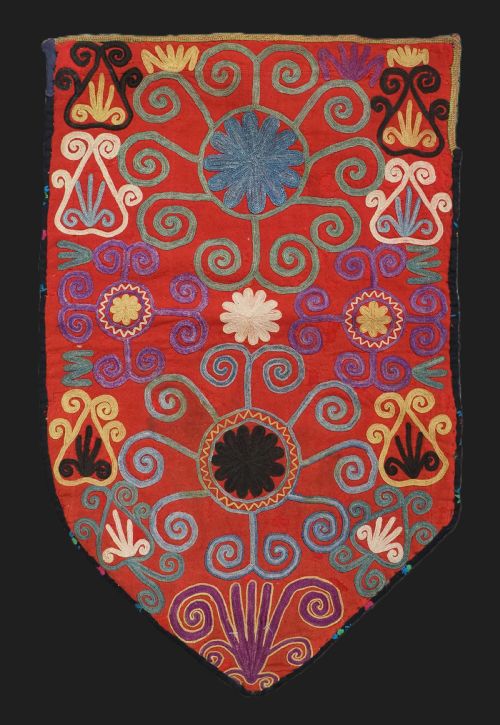
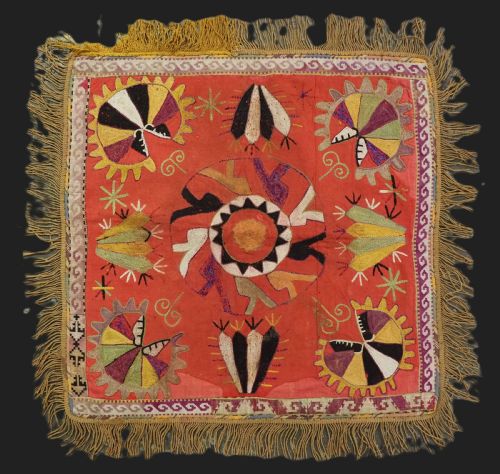
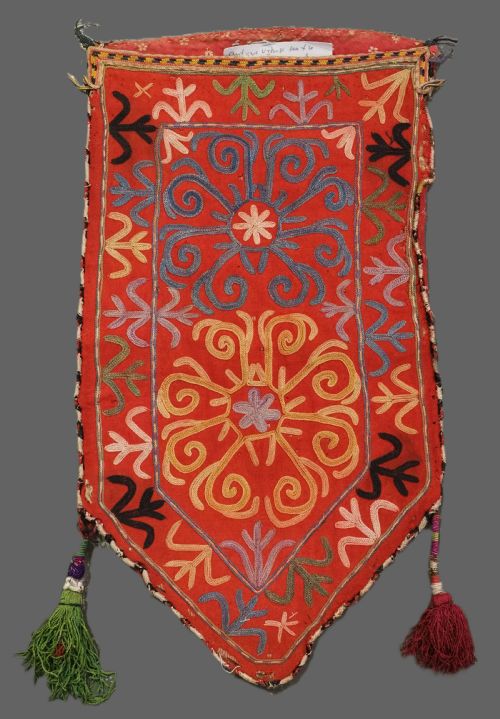
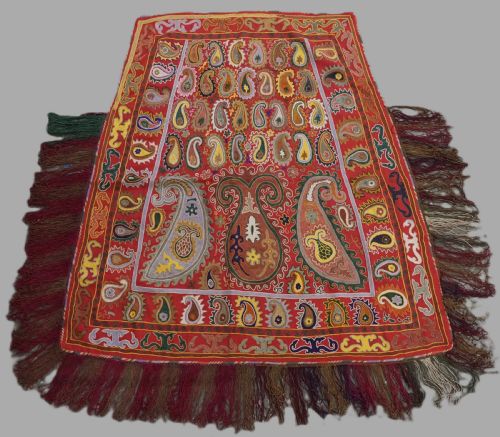
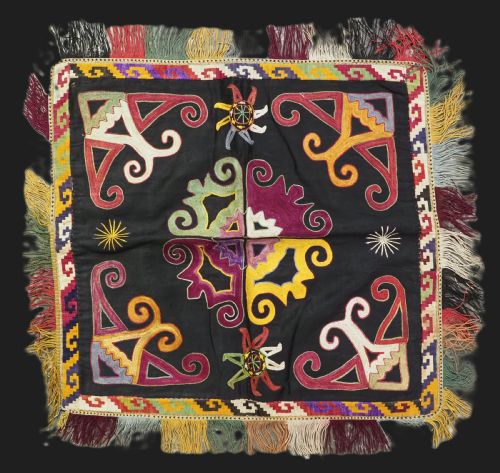
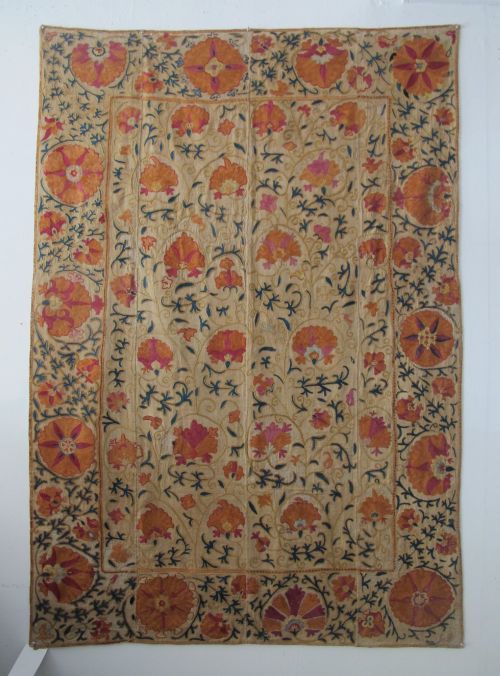
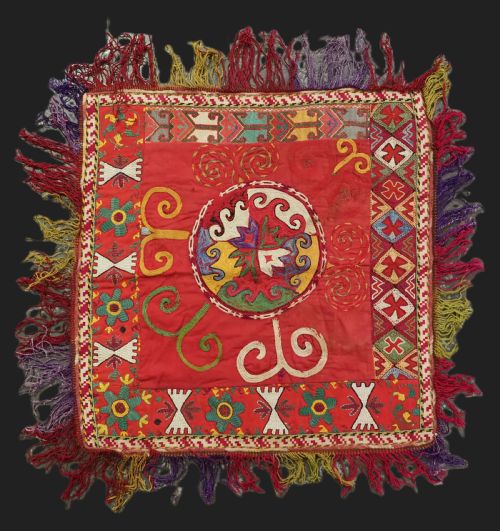
Uzbekistan embroidery art encompasses traditional wall hangings, textiles and tapestries originating from Central Asia. These works include dowry embroideries and ceremonial horse or saddle covers created by regional makers.
Buyers frequently encounter pieces associated with the Lakai tribe alongside silk embroidered suzanis from the nineteenth and early twentieth centuries. These textiles function primarily as decorative wall art and historical hangings.
How they were made
Artisans constructed these textiles using cotton, silk and wool, combining base fabrics with detailed needlework. Materials like silk provide distinct sheen and depth to traditional patterns.
Tribal makers employed specialised embroidery techniques to produce dense surface ornamentation on items ranging from domestic wall hangings to ceremonial saddle covers.
Uzbekistan Embroidery Art Retail Price Guide 2026
Typical asking prices for uzbekistan embroidery art among the pieces listed under this phrase on Sellingantiques today, from the lower quarter to the upper quarter. They describe what is for sale here now, not the wider market.
Listings span the nineteenth and early twentieth centuries, featuring materials such as cotton, silk and wool across various tribal styles.
What varies in quality
Quality depends upon the complexity of the needlework and the fullness of the embroidery execution across the textile surface. Denser stitchwork distinguishes more accomplished examples.
The vibrancy of the palette and the preservation of original cotton, silk and wool materials influence the overall standing of each piece.
The Uzbekistan Embroidery Art Glossary
- Suzani
- An embroidered tribal textile originating from Central Asia, traditionally created as part of a bride's dowry. These large pieces feature botanical and geometric motifs worked in silk or cotton.
- Ilgich
- A specific form of Central Asian hanging or dowry embroidery often associated with the Lakai tribe. These works served decorative purposes within traditional homes.
- At Torba
- A trapping or horse cover associated with Central Asian tribal groups. They display specialised regional needlework.
- Lakai
- A Central Asian tribal group known for distinctive geometric embroidery styles and dynamic compositions. Their needlework often utilises bold contrasts and varied wool and silk threads.
Uzbekistan Embroidery Art: Frequently Asked Questions
What is suzani embroidery?
Suzani embroidery is a traditional Central Asian textile form made with silk or cotton threads on a fabric ground. These pieces were often produced as dowry items.
Today they function primarily as decorative wall hangings that bring rich colour and history into interior spaces.
How do I hang a textile?
Textiles require careful mounting methods that distribute weight evenly across the top edge without damaging the historic fabric. Professional framing or sleeve mounting on a padded bar works best.
Avoid hanging pieces in direct sunlight to protect the natural silk and cotton threads from fading.
How do I care for antique embroidery?
Antique embroidery benefits from gentle handling, low humidity, and protection from bright light sources. Regular inspection helps monitor the condition of delicate silk and wool threads.
Professional textile conservators should handle any cleaning or major stabilization work.