


Uzbek Textile Wall Hanging
These vibrant textile works bring rich pattern and historical depth into modern interiors when used as an uzbek textile wall hanging.
Uzbek Textile Wall Hanging
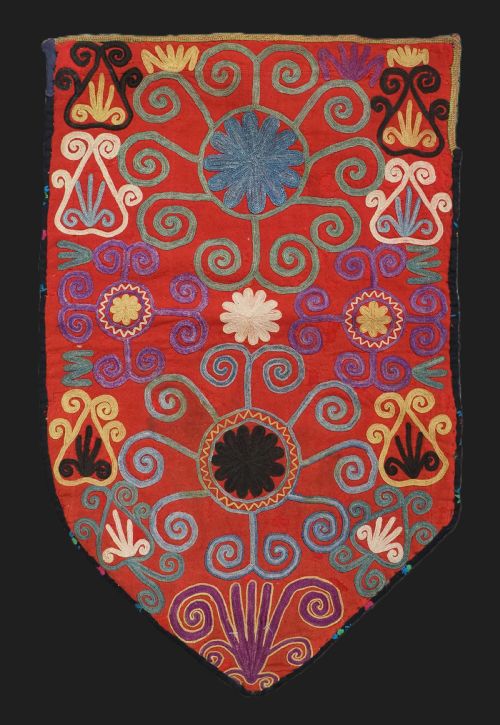
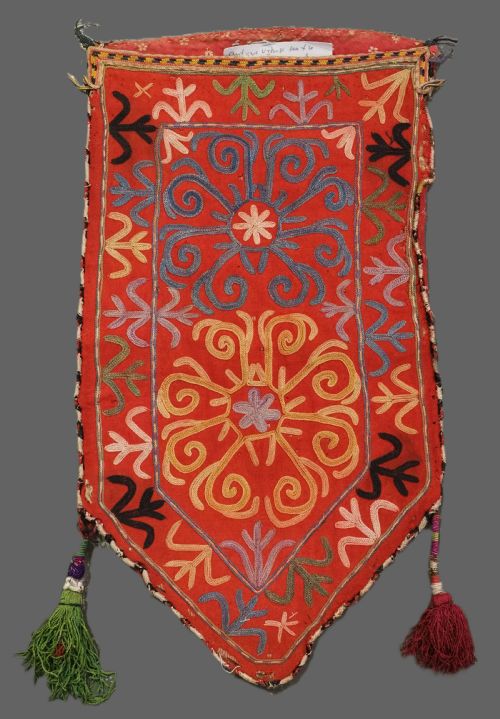
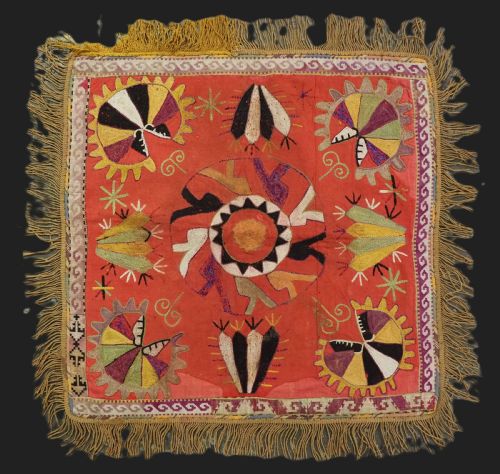
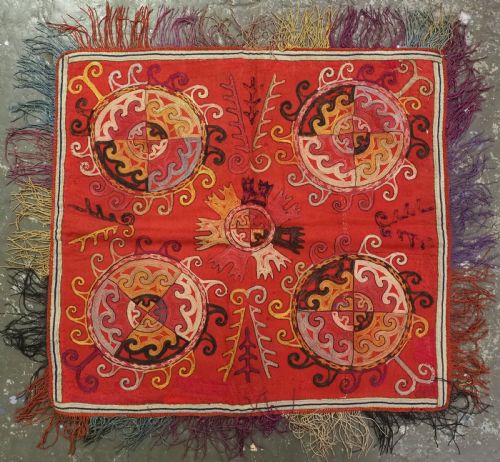
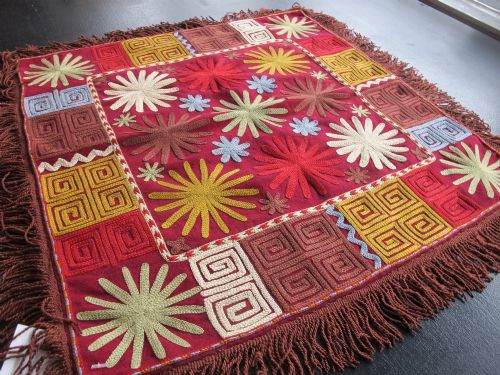
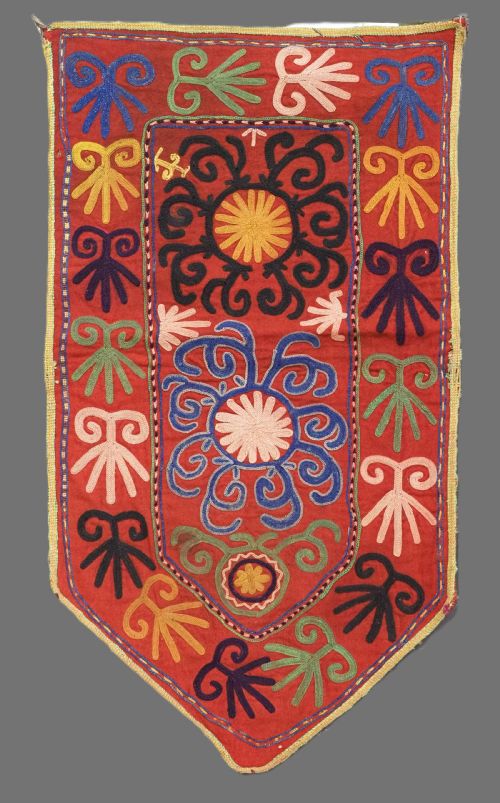
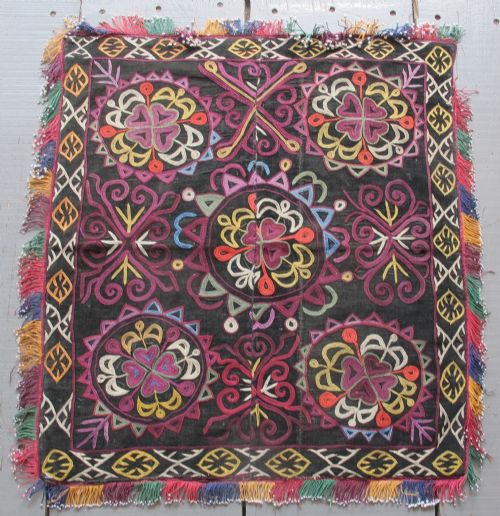
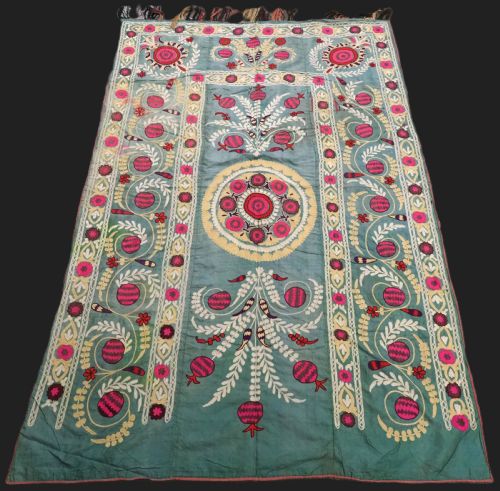
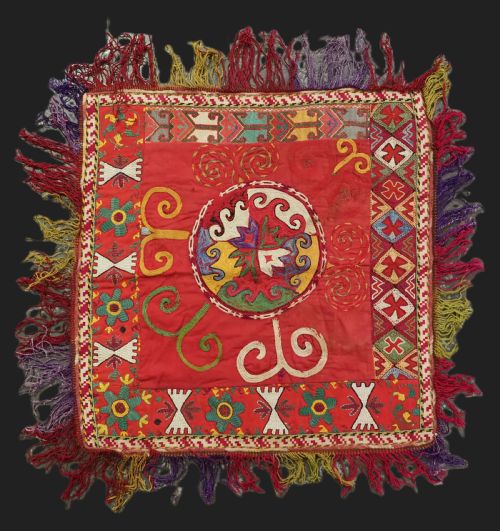
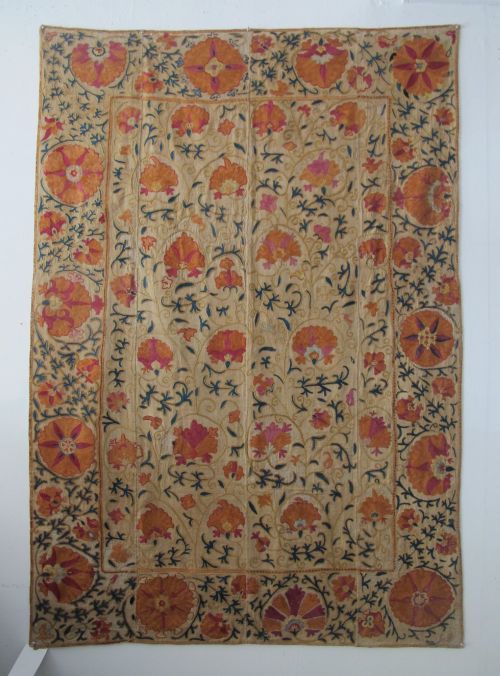
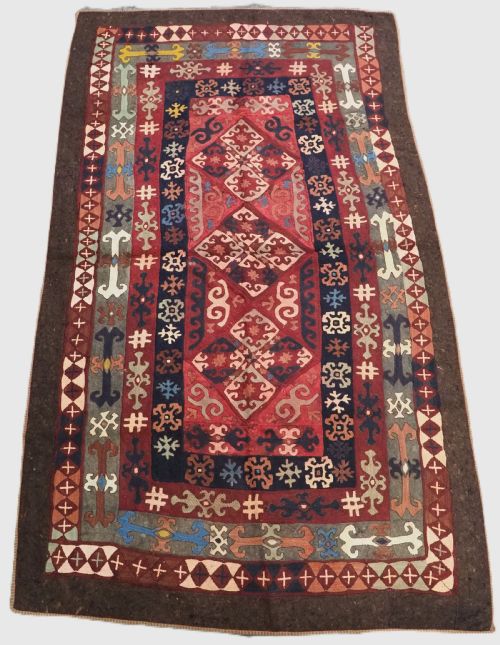
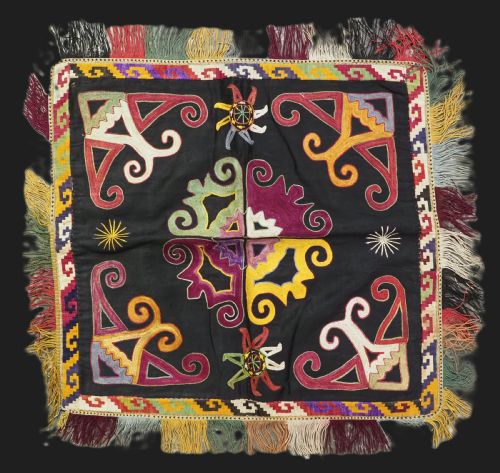
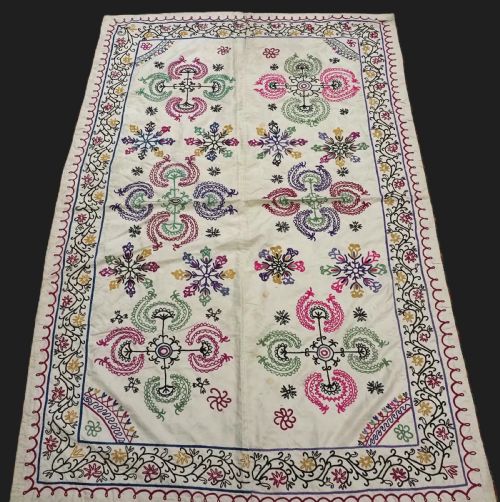
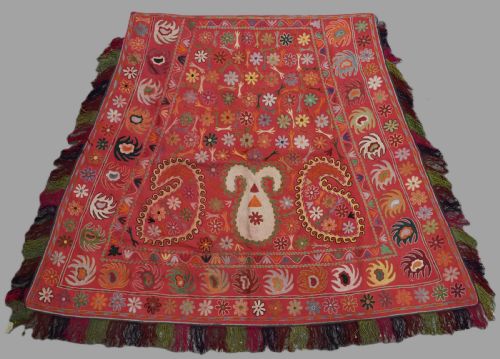
An uzbek textile wall hanging encompasses a diverse range of embroidered and woven panels originating from Central Asia, dating from the nineteenth and early twentieth centuries. Buyers frequently encounter pieces associated with the Lakai tribe, alongside larger ceremonial suzanis and ikat fabric panels.
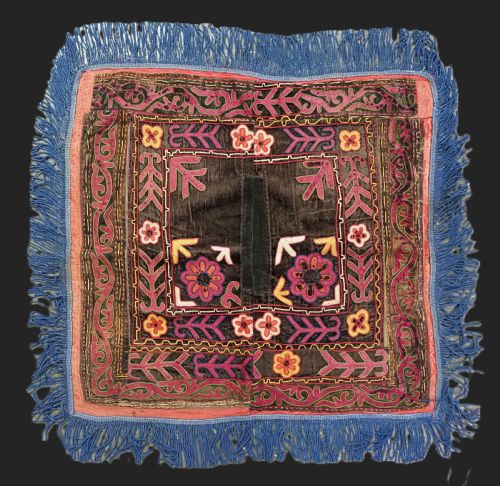
The selection includes specific regional forms such as ilgich dowry embroideries, uut kap bag covers, and architectural suzanis from centres like Bukhara and Shakrisabz. These items reflect traditional nomadic and settled craftsmanship, utilising distinct regional motifs passed down through generations.
How They Were Made
Makers utilised fine silk, cotton, and wool threads, often hand-embroidered onto woven foundation grounds made from cotton, wool, or felt. Glass beads occasionally appear as decorative accents on specific tribal items.
Ikat panels demonstrate complex resist-dyeing techniques applied to warp threads before weaving, producing characteristic blurred pattern edges. Quilting and padding also support structural integrity in heavy garments and covers adapted for display.
Uzbek Textile Wall Hanging Retail Price Guide 2026
Typical asking prices for uzbek textile wall hanging among the pieces listed under this phrase on Sellingantiques today, from the lower quarter to the upper quarter. They describe what is for sale here now, not the wider market.
Several horse and saddle covers managed to survive centuries of nomadic travel by transforming gracefully into wall art.
What Varies in Quality
Execution of needlework and precision of design dictate the distinction between standard examples and finer works. Tightly stitched embroideries with balanced compositions and vibrant natural dye palettes represent superior craftsmanship.
The complexity of the layout, such as multi-layered architectural motifs or detailed medallion variants, influences the overall visual impact. Intact foundations and well-preserved textiles maintain greater historical integrity.
The Uzbek Textile Wall Hanging Glossary
- Suzani
- An embroidered textile panel originating from Central Asia, traditionally worked in silk on a cotton or silk ground. These large hangings were often created as part of a bride's dowry.
- Ikat
- A dyeing and weaving technique where threads are resist-dyed before being woven into patterned fabric. This method creates distinctive, softly feathered pattern boundaries.
- Ilgich
- A specific type of embroidery produced by the Lakai tribe, frequently utilised as a wall hanging or domestic furnishing. They showcase bold geometric and abstract tribal motifs.
- Adras
- A traditional semi-silk fabric woven with a silk warp and a cotton weft, commonly found in ikat panels. It combines the lustre of silk with the durability of cotton.
- Uut kap
- A nomadic storage bag or hanging cover associated with Central Asian tribal groups. These items often feature dense, expressive embroidery on wool or felt grounds.
Uzbek Textile Wall Hanging: Frequently Asked Questions
How do I hang an antique textile safely?
Mount the piece using a fabric sleeve or Velcro stitched gently along the upper reverse edge to distribute weight evenly across a wooden batten. Avoid using direct nails or pins that pierce the historic fibres.
Keep the display away from direct sunlight to prevent fading of natural silk and cotton dyes. Period textiles benefit from stable indoor humidity and gentle periodic inspection.
What is the difference between a suzani and an ikat panel?
Suzanis are primarily embroidered textiles, where artisans stitch decorative designs onto a woven foundation fabric using handheld needles. They typically feature floral, medallion, or architectural motifs.
Ikat panels are patterned through a complex resist-dyeing process applied to the threads before the actual weaving takes place on a loom. The resulting patterns emerge directly from the woven structure rather than surface embroidery.
Which regions produced these textiles?
Major urban centres like Bukhara, Shakrisabz, and Samarkand served as prominent hubs for large-scale suzani production and complex silk weaving. These city workshops developed sophisticated regional styles and specific floral vocabularies.
Nomadic and semi-nomadic groups, notably the Lakai tribes, worked in surrounding rural areas. Their output focuses on distinct geometric embroidery and smaller functional formats.
How can I tell the age of these pieces?
Dating relies on examining material characteristics, dye types, and structural wear consistent with nineteenth and early twentieth-century production methods. Hand-spun yarns and natural dye variations offer strong indicators of earlier periods.
Stylistic shifts also provide context, as specific tribal motifs and larger architectural suzani layouts correspond to distinct decades between eighteen-hundred and nineteen-thirty.