

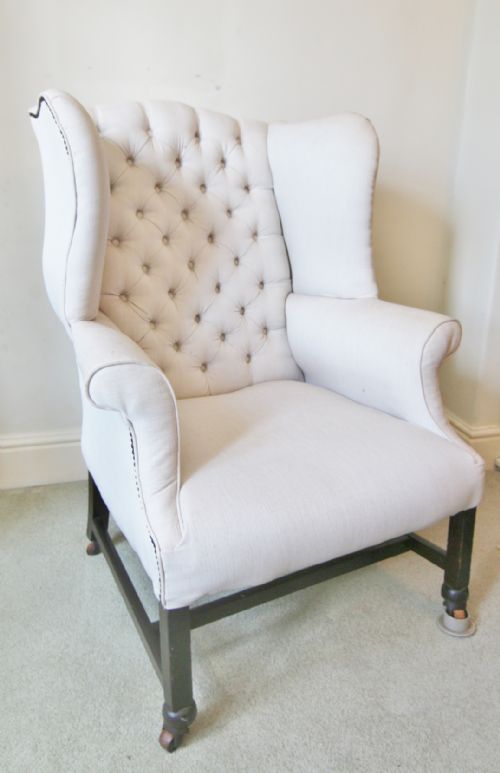
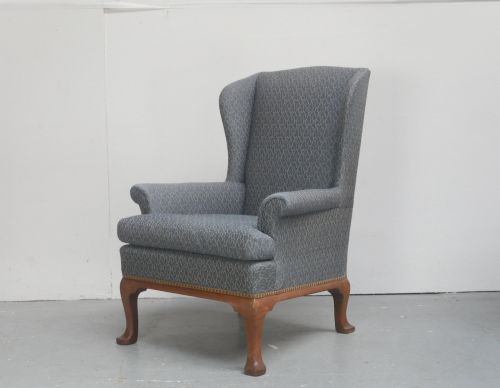
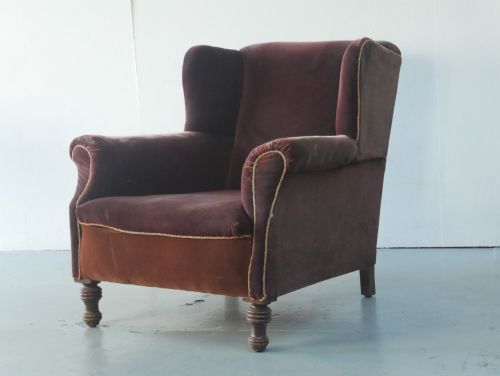
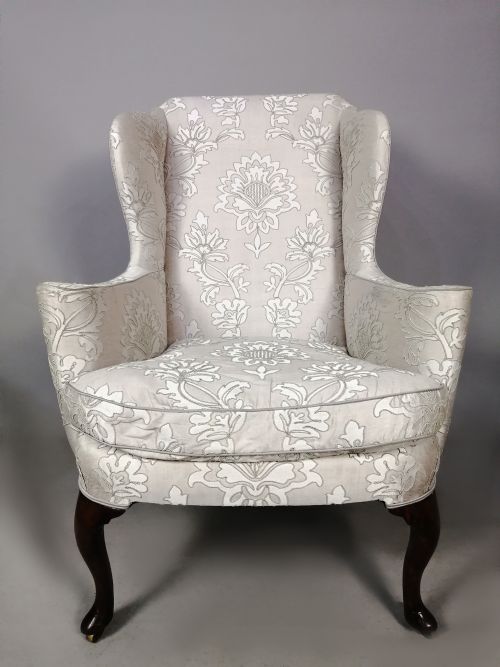
Upholstered Wingback
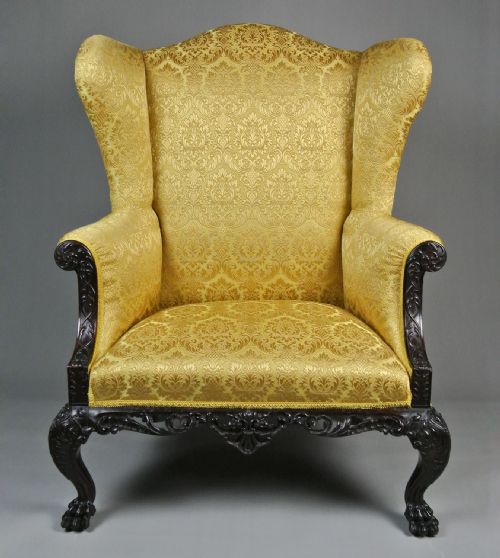
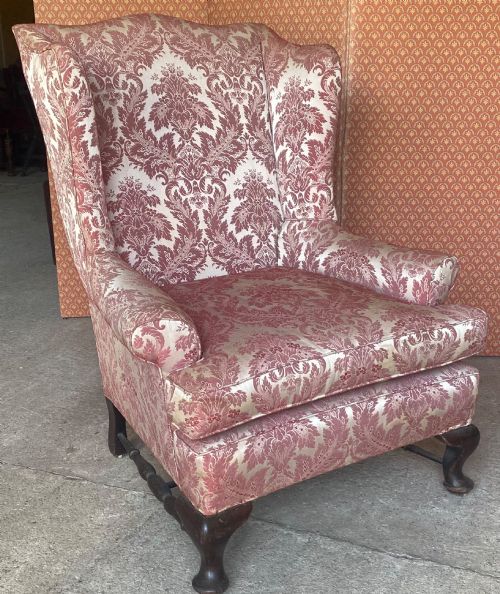
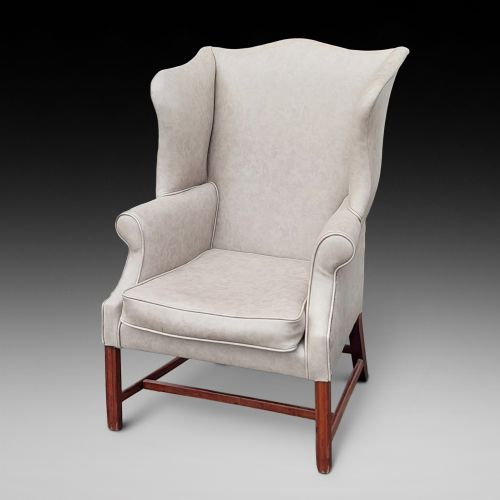
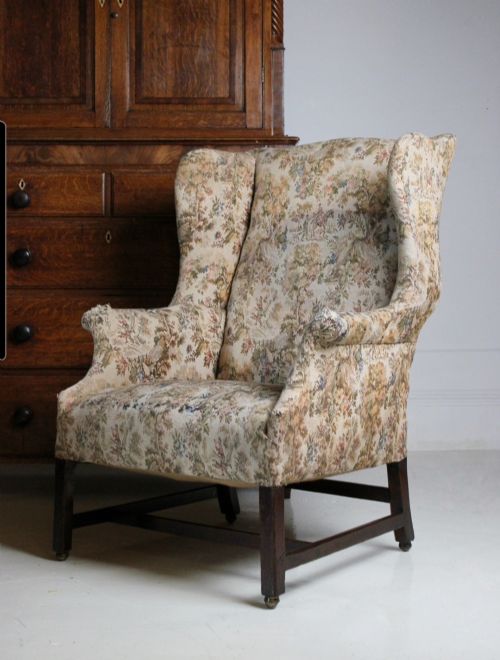
An upholstered wingback provides deep comfort and draught protection, keeping the warmth around the head while offering a classic silhouette.
Upholstered Wingback
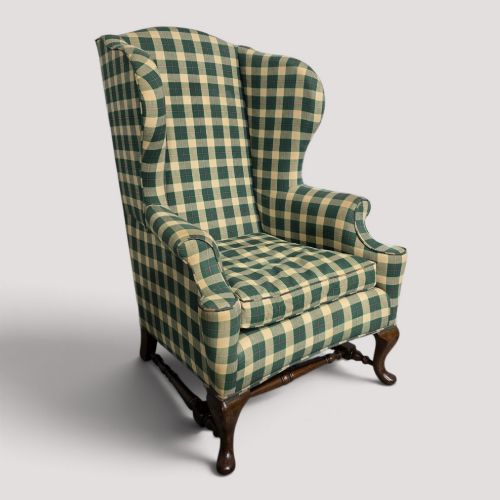
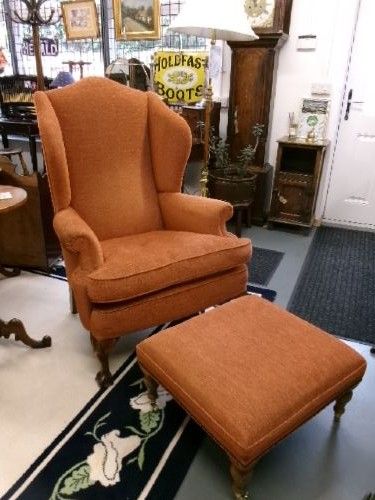
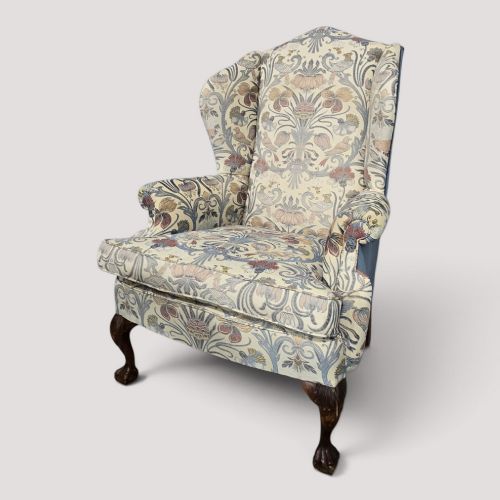
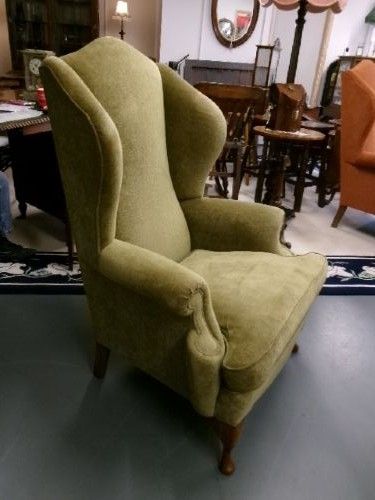
The upholstered wingback is a form of armchair or sofa designed with protective side panels flanking the backrest to shield the sitter from draughts near a fireplace. Buyers searching this phrase will find a range of seating primarily spanning the eighteenth, nineteenth, and early twentieth centuries, alongside revival interpretations.
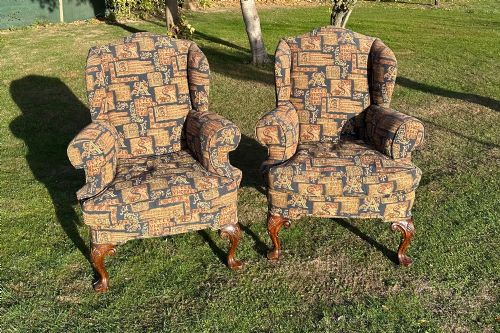
The most common form encountered here is the single armchair, constructed in styles that reference Georgian, Victorian, and Edwardian tastes. Alongside these traditional armchairs, the selection incorporates occasional sofas, settees, and occasional child chairs sharing the characteristic hooded or winged profile.
Origins vary across English, Scottish, and French workshops, utilising woods such as mahogany, walnut, and oak beneath diverse textile coverings. These seating pieces bridge formal decorative arts and functional domestic utility, developing through successive revivals of Queen Anne and Georgian aesthetics.
How they were made
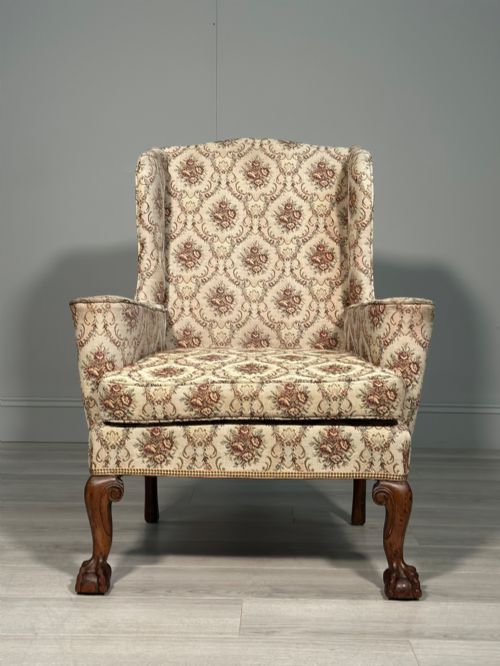
Makers constructed the primary frames of these chairs and sofas using hardwoods like mahogany, walnut, oak, and timber, joined to support internal stuffing and upholstery. Visible woodwork often displays carved details, inlay, or polished surfaces, particularly on the cabriole or straight legs characteristic of the periods.
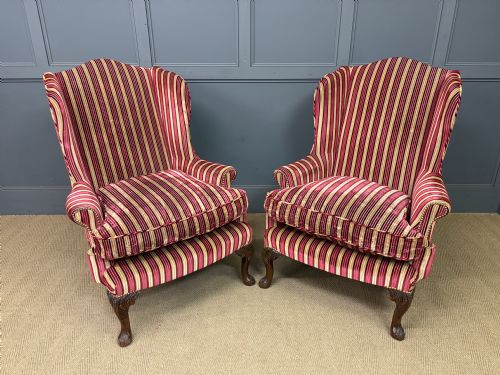
Upholstery techniques relied on textiles stretched over padded foundations, utilising materials such as fabric, velvet, chenille, and plaid. Feathers and traditional stuffing provided the internal softness, secured with careful stitching and finished with decorative borders or exposed timber framing.
Upholstered Wingback Retail Price Guide 2026
Typical asking prices for upholstered wingback among the pieces listed under this phrase on Sellingantiques today, from the lower quarter to the upper quarter. They describe what is for sale here now, not the wider market.
Listings feature periods spanning from the seventeenth century through the 1930s, incorporating mahogany, walnut, oak, and diverse textile upholstery.
What varies in quality
The degree of refinement in the carved woodwork and the authenticity of the frame's period construction dictate the standing of an individual piece. Earlier examples or those executed in the Irish manner demonstrate superior hand-carving and substantial timber selection compared to later revival items.
The integration of the upholstery with the frame architecture governs the visual success of the piece. Harmonious proportions between the height of the wings, the depth of the seat, and the quality of the textile covering distinguish finer examples from standard production.
The Upholstered Wingback Glossary
- Wingback
- An armchair or sofa featuring protruding side panels attached to the backrest designed to retain heat and block air currents. This silhouette remains the defining characteristic of the form.
- Cabriole leg
- A furniture leg that curves outward in a convex arc and tapers inward in a concave arc, frequently terminating in a pad or claw foot. This form is common in Queen Anne and Georgian styles.
- Carolean style
- A seventeenth-century British design aesthetic noted for rich carving, turned members, and high-backed seating forms. It frequently influences later nineteenth-century revival seating.
- Bergere
- An enclosed upholstered armchair with wooden framing visible around the sides and back. Originating in France, these seats often feature woven cane or upholstered panels.
- Settee
- A medium-length wooden or upholstered seat designed for multiple occupants with a backrest and arms. They appear in period forms matching the design of contemporary armchairs.
Upholstered Wingback: Frequently Asked Questions
How do I tell an 18th-century wingback from a revival piece?
Examine the secondary woods used in the interior frame construction, tool marks on the timber, and the hand-cut joinery methods. Eighteenth-century frames exhibit timber ageing and construction techniques specific to that era.
Revival pieces from the Victorian or Edwardian periods often utilise machine-sawn components and standardised fixings while imitating earlier Queen Anne or Georgian styles.
Are these chairs comfortable for daily use?
These seating pieces were originally built for domestic comfort near fireplaces, offering enclosed seating that supports the head and torso. Many retain deep stuffing or feather filling suitable for relaxing.
Modern users often find the seat height and depth supportive, though older frames may have firmer or softer interiors depending on past reupholstery.
What fabrics are appropriate for these frames?
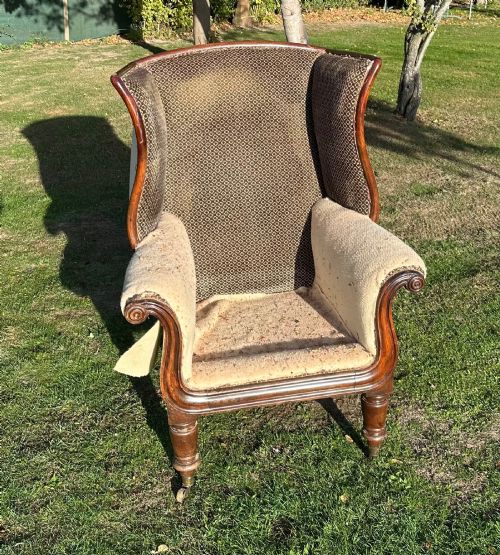
Historical examples utilise a range of textiles including velvet, chenille, damask, and wool plaid, matching the aesthetic of their period of origin or subsequent reupholstery. Plain calico is also common on pieces awaiting final textile selection.
Choosing a fabric often depends on whether you wish to maintain a period-correct appearance or introduce a contemporary textile like Shetland plaid.
How should I care for the exposed wood?
Dust the mahogany, walnut, or oak frames regularly with a dry cloth and apply a quality beeswax periodically to nourish the polished timber surface. Avoid placing the seating near direct heat sources to prevent wood splitting.
Protect the joints by lifting the chair from the frame rather than the upholstered wings or arms when repositioning it in a room.