





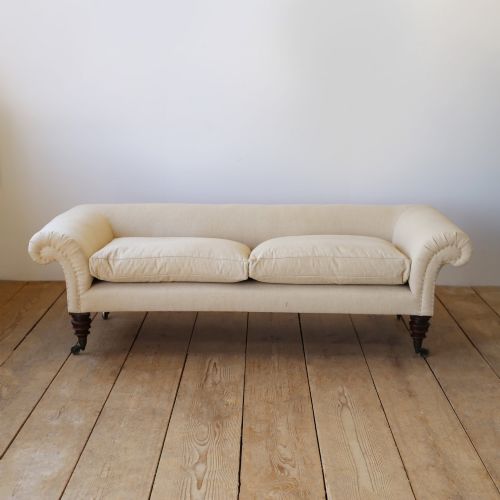

Upholstered Scroll Bench
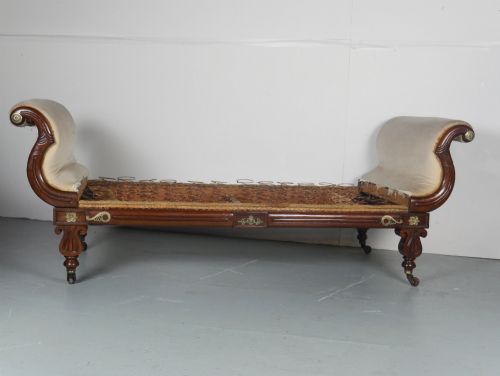
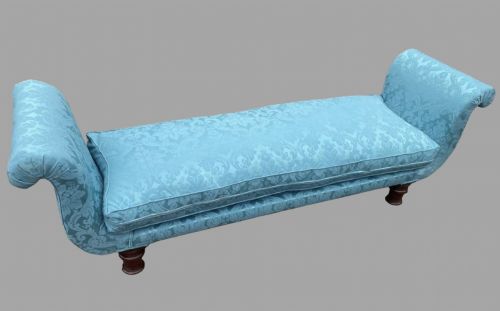
An upholstered scroll bench provides a commanding architectural focal point in a hallway or drawing room, blending firm seating with sweeping wooden profiles.
Upholstered Scroll Bench
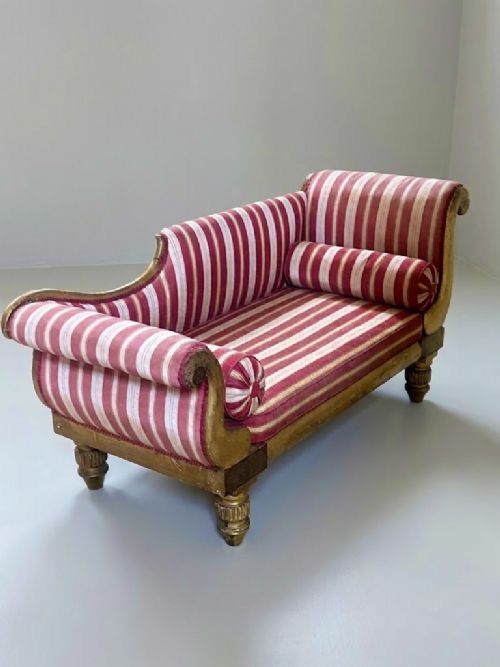
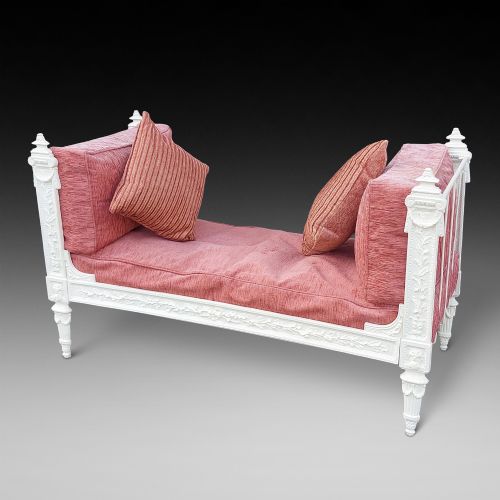
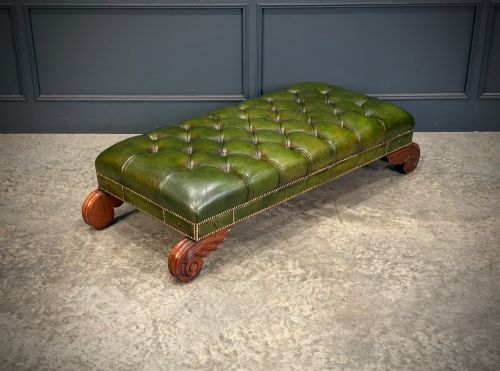
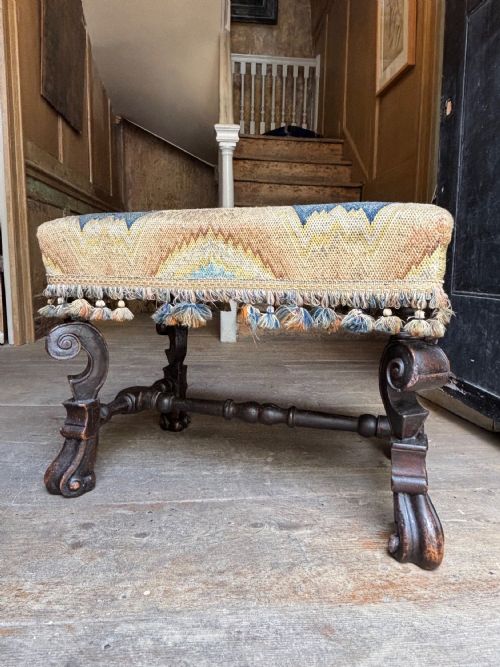
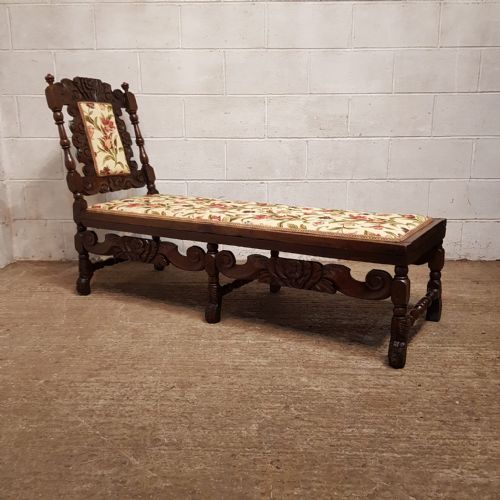
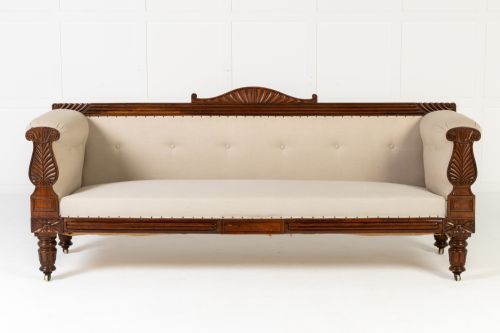
When searching for an upholstered scroll bench, a buyer encounters forms ranging from compact stools and window seats to expansive daybeds and sofas. The selection on this page relies heavily on nineteenth-century craftsmanship, including Regency and Victorian examples.
Many pieces feature distinct structural profiles such as double scroll ends, X-frames, and cabriole legs. Mahogany and rosewood frequently appear alongside walnut, oak, and giltwood.
Upholstery materials define the upper surfaces, spanning antique striped silk, velvet, damask, leather, and various textiles. These forms serve functional roles in country houses and formal reception rooms alike.
Materials and construction
Cabinetmakers shaped dense hardwoods like mahogany, rosewood, and walnut to build the foundational frames, often incorporating carved wooden details or cast iron elements. Giltwood and simulated rosewood finishes offer alternative visual textures across the period ranges.
The structural framework supports tightly fitted upholstery secured with traditional stuffing and textiles including leather, silk, velvet, and damask. Brass details occasionally punctuate the timber and fabric assemblies.
Upholstered Scroll Bench Retail Price Guide 2026
Typical asking prices for upholstered scroll bench among the pieces listed under this phrase on Sellingantiques today, from the lower quarter to the upper quarter. They describe what is for sale here now, not the wider market.
Some nineteenth-century makers clearly decided that sitting up straight was entirely optional when inventing the double scroll-ended daybed.
Distinctions in quality
The caliber of a piece rests upon the crispness of the wood carving and the stability of the timber frame. Dense hardwoods like rosewood and mahogany indicate higher ambition in cabinetmaking than standard utility woods.
Proportion and execution of the scroll ends dictate the overall visual harmony. Pieces retaining sophisticated textile choices or original leather surfaces demonstrate superior historical integrity.
The Upholstered Scroll Bench Glossary
- Scroll end
- A sweeping, curved wooden terminal on a sofa, daybed, or window seat. This profile defines the classic silhouette of nineteenth-century seating.
- Window seat
- A long, narrow upholstered bench designed to fit into a bay or recess. These forms typically stand on cabriole or straight legs.
- X-frame
- A structural base formed by intersecting diagonal wooden members. This geometric support underpins stools and benches across multiple revival periods.
- Giltwood
- Timber treated with a thin layer of gold leaf. This surface treatment appears on formal decorative seating.
- Daybed
- An elongated piece of furniture intended for reclining. Examples often incorporate upholstered scroll ends and mahogany frames.
Upholstered Scroll Bench: Frequently Asked Questions
Where should I place a scroll bench?
These pieces suit long hallways, drawing rooms, or deep window recesses where their linear profiles enhance the surrounding architecture.
They also function effectively at the foot of a bed or within a formal library setting.
How do I identify a Regency scroll end?
Regency pieces often display rich mahogany or rosewood timbers paired with classical proportions and tight scroll terminals.
Look for clean lines and understated carved details that reflect the architectural tastes of the early nineteenth century.
What is the difference between a window seat and a stool?
Window seats are generally longer and narrower, specifically proportioned to sit beneath window frames.
Stools tend to be more compact, featuring square or rectangular footprints with X-frames or cabriole supports.
How do I care for antique upholstery?
Protect delicate textiles such as silk, velvet, and damask from direct sunlight to prevent fading and fibre degradation.
Gentle surface cleaning and appropriate humidity control help preserve both the fabric and the underlying wooden frame.