



Unusual Mirror
An unusual antique mirror breaks the rules of its period, bringing unexpected materials and forms into everyday rooms.
Unusual Mirror
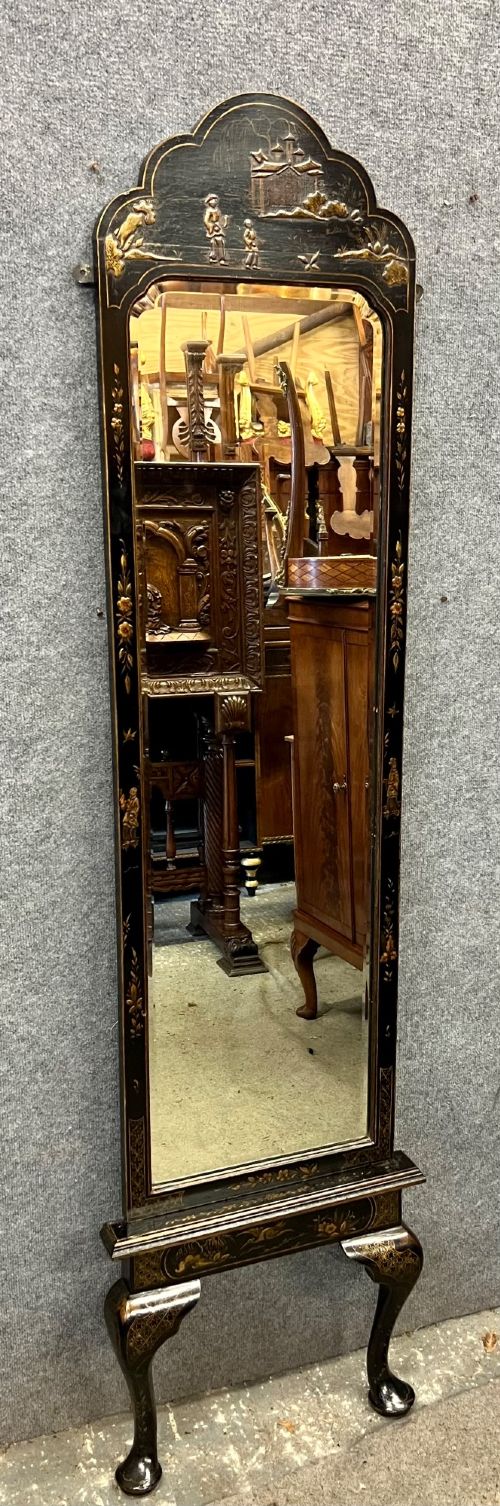
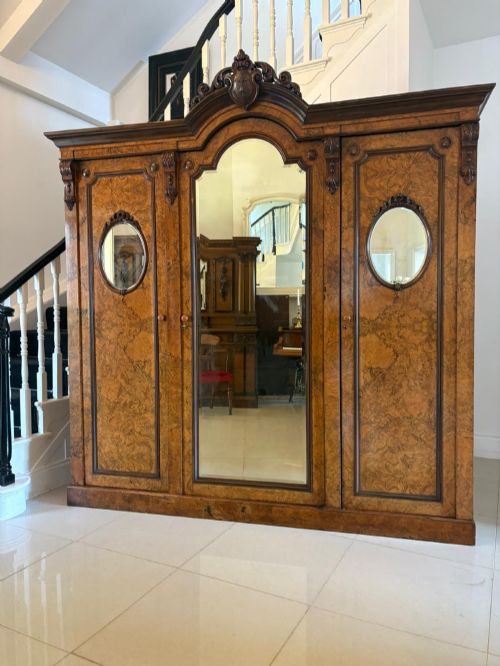
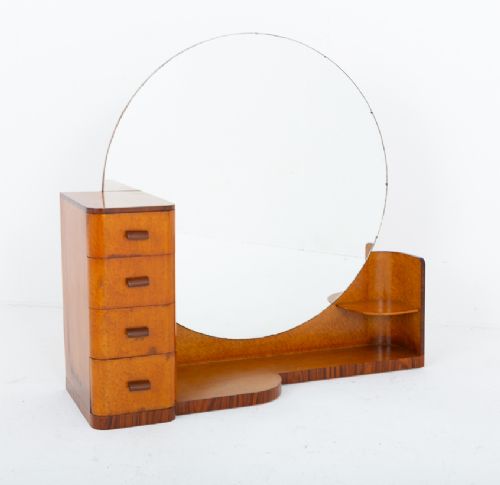
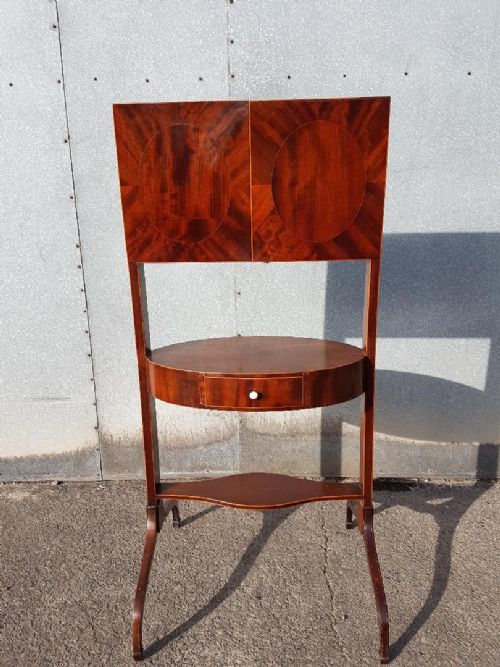
An unusual antique mirror encompasses wall-hanging pieces, overmantels, and dressing glasses produced across the Georgian, Victorian, and Art Deco eras. Buyers searching for an unusual antique mirror will encounter items diverging from standard domestic furnishing through unconventional proportions, exotic timbers, or specialised regional styling.
The selection ranges from large architectural overmantel frames and cheval glasses to compact table mirrors and painted wall pieces. Many incorporate secondary functions, appearing alongside dressing chests, music cabinets, and hall stands.
How they were made
Frames rely upon traditional joinery and cabinet-making techniques, utilising timbers such as mahogany, oak, walnut, rosewood, and birds eye maple. Artisans shaped structural elements using solid woods alongside applied mouldings and carved details.
Decorative finishes incorporate giltwood, gesso, hand-painted silk, and metalwork components including brass mounts and hammered copper. Glass plates are secured within rebated frames, occasionally featuring bevelled edges or multiple triplate configurations.
Unusual Mirror Retail Price Guide 2026
Typical asking prices for unusual mirror among the pieces listed under this phrase on Sellingantiques today, from the lower quarter to the upper quarter. They describe what is for sale here now, not the wider market.
Listings span the eighteenth, nineteenth, and twentieth centuries, featuring materials from solid oak and mahogany to painted silk and copper.
What varies in quality
Quality rests upon the ambition of the design and the precision of the execution, distinguishing standard workshop production from exceptional cabinet-work. Superior examples demonstrate thoughtful integration of materials, such as finely figured veneers or intricate carved ornamentation that complements the overall form.
The integrity of the structural frame and the original state of the reflective glass plate further define the standing of a piece. Harmony between the decorative surface and the underlying construction separates ordinary utility items from superior decorative works.
J. Shoolbred
The Unusual Mirror Glossary
- Triplate dressing table
- A mirror configuration featuring three separate glass panels, typically with hinged side wings that allow the user to adjust the viewing angle.
- Overmantel mirror
- A large horizontal mirror designed specifically to be positioned directly above a fireplace mantelpiece.
- Cheval mirror
- A freestanding full-length mirror suspended on a vertical swivelling frame between two pillars.
- Giltwood
- Timber that has been coated with a thin layer of gold leaf or gilt preparation over a gesso base.
- Gesso
- A plaster-like mixture applied to wood frames to provide a smooth surface for gilding or painting.
- Chinoiserie
- European decorative style incorporating imaginary Chinese motifs, often rendered in lacquer or painted decoration.
Unusual Mirror: Frequently Asked Questions
How do I date an unusual mirror?
Dating relies upon identifying the timber species, construction joints, and stylistic markers characteristic of periods such as the Georgian era or the Victorian decades.
Secondary clues include the backing boards, screw types, and the method used to silver or bevel the glass plate.
Where should I hang a large overmantel mirror?
Overmantel mirrors are traditionally secured to the wall directly above a fireplace opening to reflect light and anchor the room's proportions.
Their substantial weight requires attachment directly into masonry or secure wall studs using appropriate fixings.
What is the difference between a cheval and dressing mirror?
Cheval mirrors stand independently on the floor as full-length pivoting glasses supported by vertical posts and feet.
Dressing mirrors are smaller table or chest-standing pieces designed to assist with grooming and personal reflection.
How do I care for antique mirror glass?
Cleaning requires a soft dry cloth or minimal moisture to prevent water seepage behind the plate into the silvered backing.
Harsh chemical cleaners must be avoided to preserve the fragile historical surface of the glass and the surrounding frame finish.