




Two Tier Light Fixture
A two tier light fixture brings weight and height to a room, offering multiple levels of illumination for grand spaces.
Two Tier Light Fixture
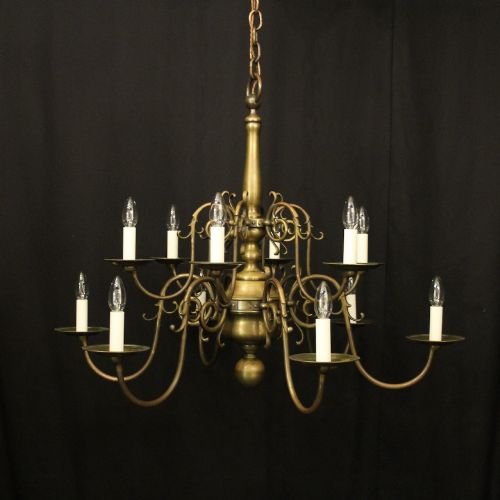
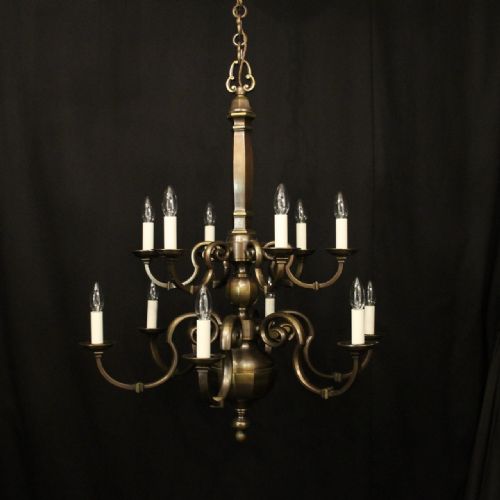
A two tier light fixture primarily takes the form of a grand multi-branched chandelier arranged across vertical levels, designed to dominate high ceilings and large reception rooms. When you browse this selection of a two tier light fixture, you encounter examples stretching from the eighteenth century into the twentieth century.
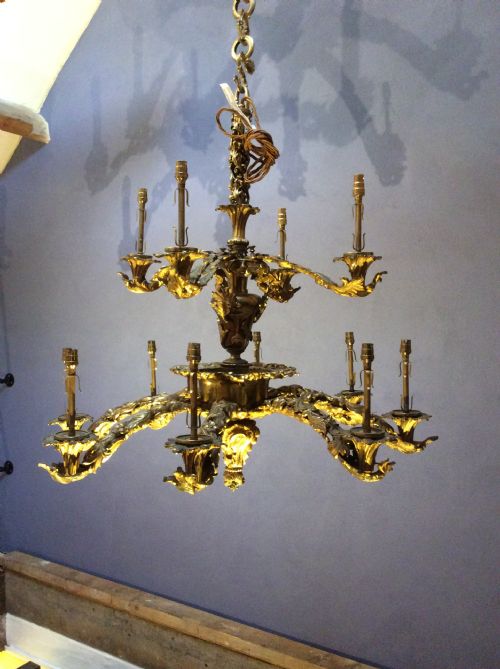
The pieces on this page span diverse stylistic traditions, including Dutch Baroque, French classical designs like Louis XIV style, and Italian Florentine works. These variations show how different regional workshops interpreted the multi-tiered lighting format across various eras.
Origins represented in the current inventory range from English and French workshops to Italian and Dutch foundries. Each piece reflects the specific decorative vocabulary of its period, whether that means robust brass branches or elaborate polychrome finishes.
How they were made
Construction relies heavily on cast and worked metals such as brass, bronze, copper, and gilt metal, providing the structural backbone needed to support twelve or more branching arms across two levels. Ormolu and gilt brass treatments add surface brilliance to the metallic frames.
Makers integrated glass and crystal components to catch and scatter the illumination from multiple candle or electric branches. Polychrome finishes also appear on specific Italian Florentine examples, introducing colour alongside the dominant metallic structures.
Two Tier Light Fixture Retail Price Guide 2026
Typical asking prices for two tier light fixture among the pieces listed under this phrase on Sellingantiques today, from the lower quarter to the upper quarter. They describe what is for sale here now, not the wider market.
Listings span periods from the eighteenth century through the 1930s, utilising brass, bronze, crystal, and ormolu in grand chandelier formats.
What varies in quality
Quality reveals itself in the crispness of the metal casting and the complexity of the branch arrangements, where superior examples exhibit finely chased details on bronze, brass, or ormolu surfaces. The integration of the two tiers demonstrates the maker's structural ambition and balance.
The presence of high-grade crystal or glass elements and the subtlety of regional ornamentation, such as Florentine polychrome work or Dutch Baroque proportions, separate standard production from more exceptional works.
The Two Tier Light Fixture Glossary
- Chandelier
- A branched ornamental light fixture suspended from the ceiling. These pieces carry multiple bulbs or candles across one or more tiers.
- Ormolu
- Gilded bronze, where finely ground gold is applied to a bronze base. This technique creates a rich golden finish seen on French classical lighting.
- Polychrome
- Decorated in a variety of colours. This surface treatment appears on specific Italian Florentine tiered chandeliers.
- Branch
- An individual arm extending from the central stem to hold a light source. Larger fixtures often feature twelve or eighteen branches spread across two levels.
- Tier
- A single level of a multi-deck structure. Two tier light fixtures stack these levels vertically to increase branch counts and visual impact.
Two Tier Light Fixture: Frequently Asked Questions
Where should I hang a two tier light fixture?
These large chandeliers suit rooms with high ceilings, such as entrance halls, dining rooms, or principal reception spaces where their vertical presence can be fully appreciated.
Ensure adequate clearance beneath the lowest tier so the fixture commands the space without obstructing movement below.
How do I identify the period of a two tier light fixture?
Dating relies on stylistic markers, such as the robust proportions of Dutch Baroque copper and brass work versus the ornate gilt metal of French Louis XIV style pieces.
Material choices, casting techniques, and regional decorative details further anchor each piece within its nineteenth or early twentieth century context.
What materials are common in these fixtures?
Metal forms the primary construction material, with listings featuring brass, bronze, copper, gilt metal, and ormolu. Glass and crystal components frequently supplement the metal frames.
Certain Italian pieces incorporate polychrome finishes to add colour and distinct regional character to the multi-tiered design.
How many lights do these fixtures hold?
The configurations seen here generally feature large branch counts, ranging from nine to eighteen individual arms distributed across the two vertical tiers.
This high number of light sources is specifically designed to illuminate expansive rooms effectively.