

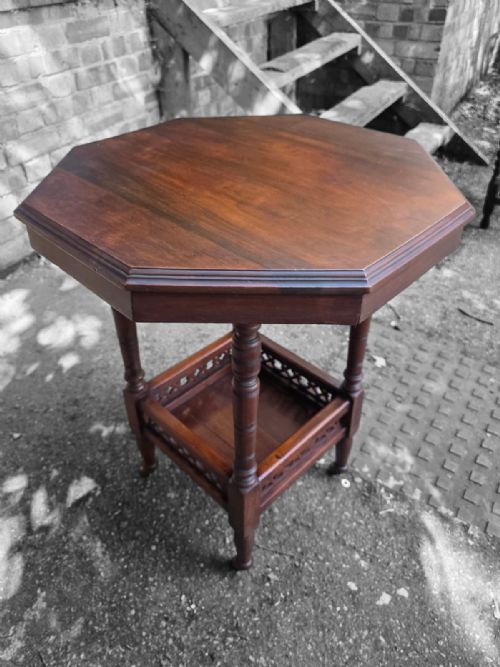
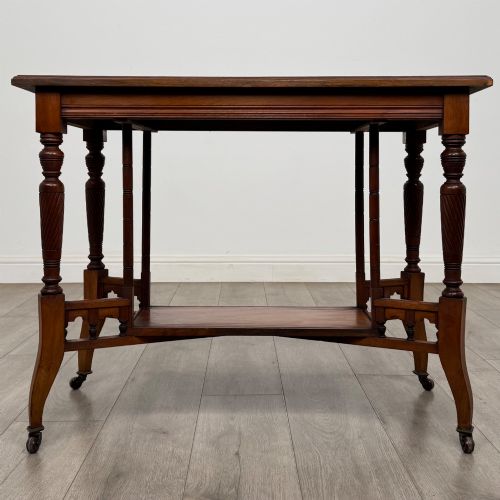
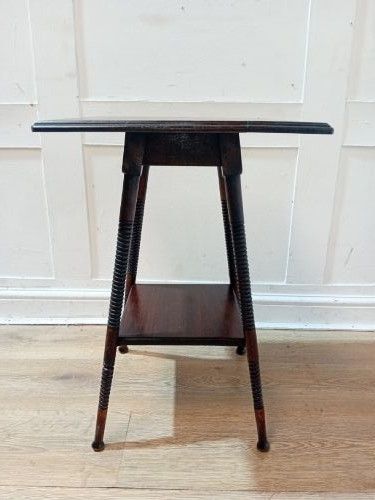
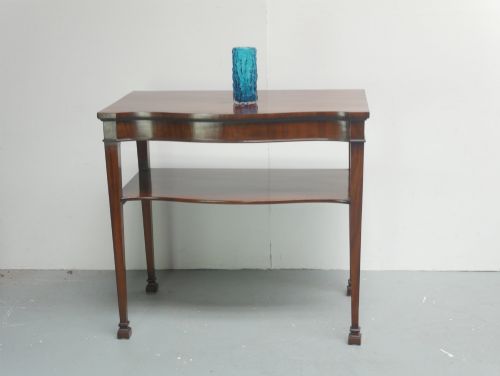
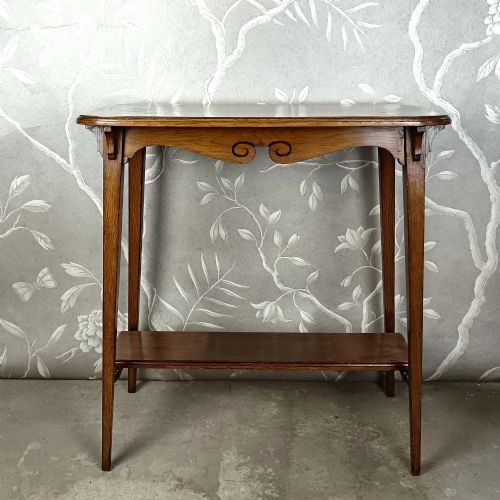
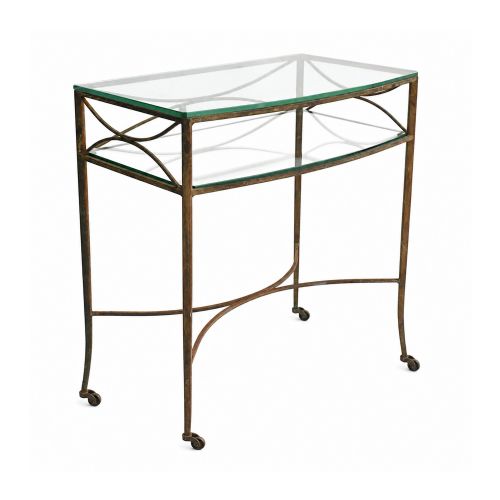
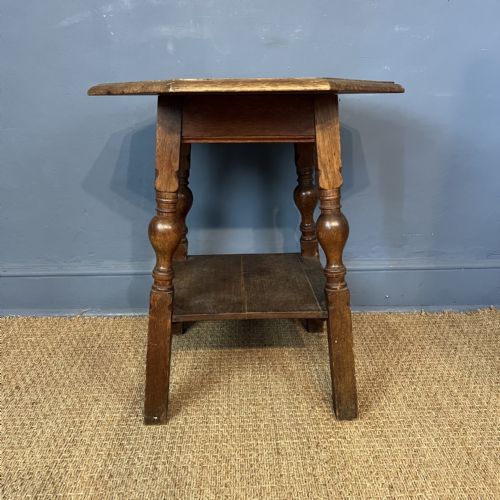


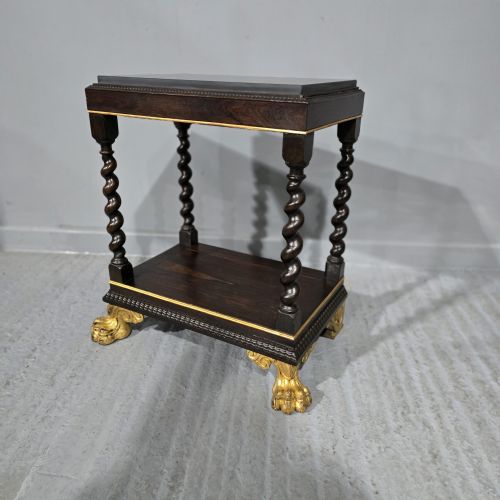


Two Tier Hall Table
A two tier hall table brings useful surface space and architectural character to a narrow entryway.
Two Tier Hall Table
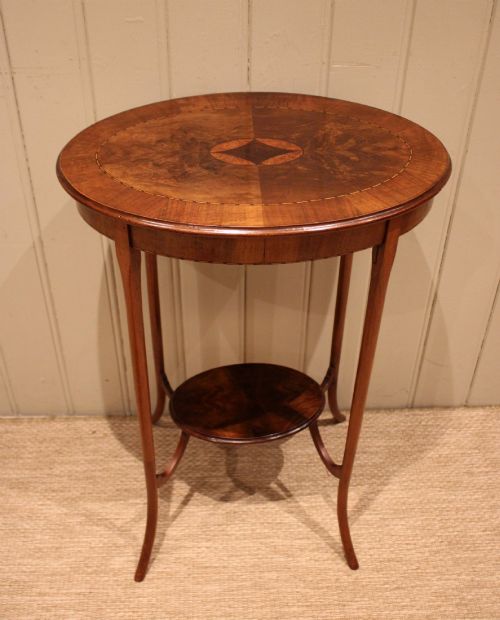
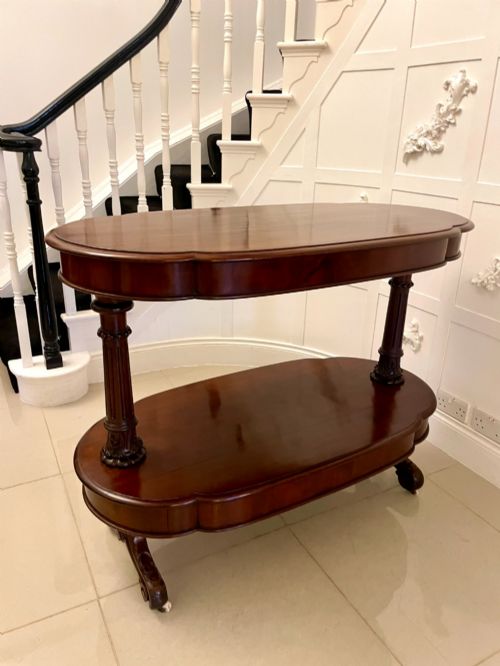
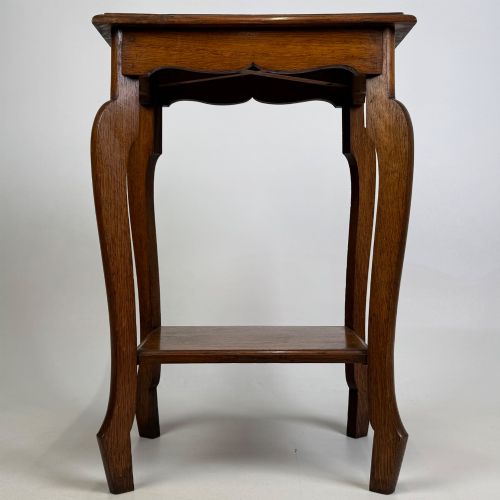
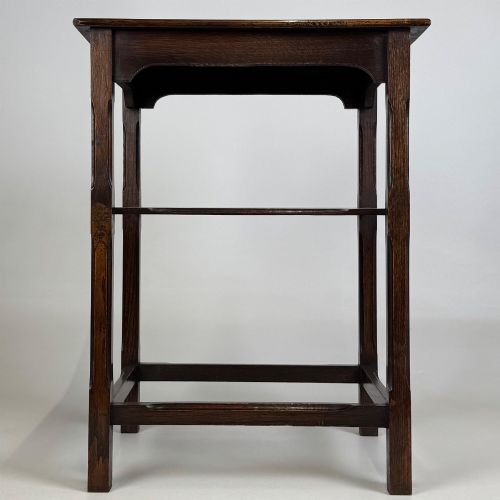
A two tier hall table provides a functional surface for correspondence or lamps while offering a lower shelf for storage in a hallway or landing. When exploring this selection, a buyer encounters pieces originating from the nineteenth and twentieth centuries, spanning Edwardian, Victorian, Regency, and Arts and Crafts aesthetics.
The most common formats on this page are compact side tables, console tables, and occasional tables featuring a secondary lower tier. These items appear in timber varieties ranging from dark oak to figured mahogany, reflecting domestic needs from eighteen-eighty onwards.
How they were made
Joiners constructed these tables using solid hardwoods such as oak, walnut, and mahogany, frequently pairing them with brass mounts or cast-iron components for structural support. Cabinet makers utilised traditional jointing methods to secure the upper surface and the lower tier, ensuring stability in narrow spaces.
Surface finishes include polished woodgrains, painted satinwood, and ebonised treatments, occasionally enhanced with marquetry inlay or geometric panel work depending on the stylistic movement of the period.
Two Tier Hall Table Retail Price Guide 2026
Typical asking prices for two tier hall table among the pieces listed under this phrase on Sellingantiques today, from the lower quarter to the upper quarter. They describe what is for sale here now, not the wider market.
Some tables include hidden compartments or clever marquetry so intricate they could easily hide a stolen jam tart.
What varies in quality
The distinction between standard utility furniture and superior workshop pieces lies in the selection of timber and the refinement of the joinery. Tables attributed to notable makers or specific stylistic movements display greater attention to grain patterning, proportion, and decorative inlay.
Structural integrity of the lower tier and the crispness of turned or carved supports determine the overall standing of an individual piece within its period.
Liberty of London·William Birch·Liberty and Co·Gillows of Lancaster and London
The Two Tier Hall Table Glossary
- Tier
- A secondary shelf or level positioned below the main surface of a table. This extra level provides space for display or storage.
- Console table
- A table designed to stand against a wall, frequently secured or supported by brackets or slender legs. These items occupy minimal depth in entryways.
- Occasional table
- A small, movable table intended for intermittent use around a room. They appear in various polygonal and circular formats.
- Marquetry
- Decorative veneer work arranged in intricate patterns or pictures using various woods. Craftsmen applied this technique to enhance tabletops.
- Ebonised wood
- Timber stained or treated to imitate ebony. This dark finish was popular during the Victorian and Aesthetic Movement periods.
Two Tier Hall Table: Frequently Asked Questions
What is a two tier hall table used for?
A two tier hall table serves as a convenient surface for placing post, keys, or a small lamp in a hallway or entrance lobby.
The lower tier provides additional space for holding baskets, books, or decorative objects without cluttering the main surface.
How do I date a wooden hall table?
Dating relies on observing the timber species, construction methods, and stylistic cues present in the design of the legs and surface.
Edwardian and Arts and Crafts examples often feature straightforward oak construction, whereas Victorian pieces frequently utilise heavier mahogany or walnut.
Will a console table fit a small hallway?
Console tables are specifically designed with shallow depths to fit comfortably into narrow corridors and transitional spaces.
The inclusion of a second shelf maximises storage capacity while maintaining a narrow footprint on the floor.
Are these tables sturdy enough for daily use?
Period tables constructed from solid hardwoods like oak and mahogany offer robust daily service when maintained properly.
The secondary lower tier also acts as a stretcher, which adds rigidity to the overall frame.