

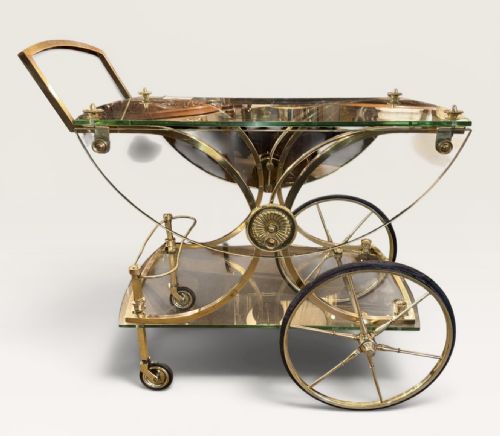


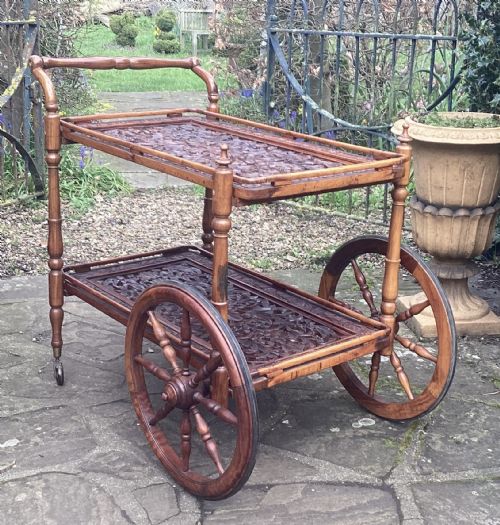


Two Tier Cart
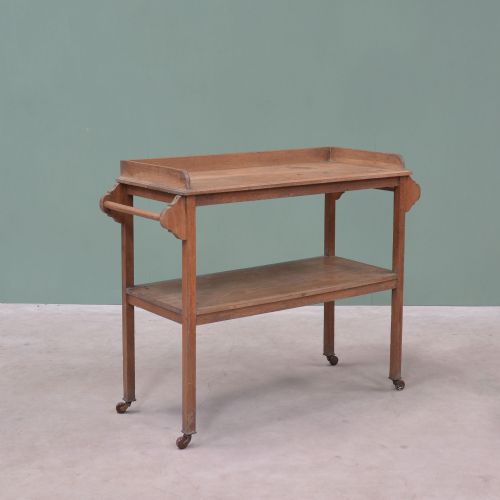
A two tier cart brings mobile service into a room, offering two distinct levels for glasses, bottles or tea.
Two Tier Cart
A two tier cart provides a practical mobile surface for serving afternoon tea, drinks or meals across different rooms. The form spans various periods, including Edwardian designs, Georgian pieces, and Art Deco creations.
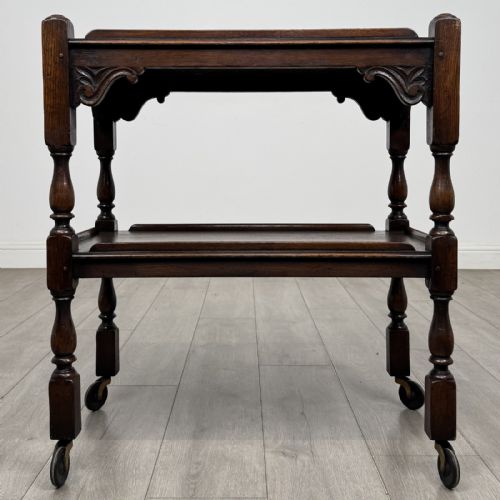
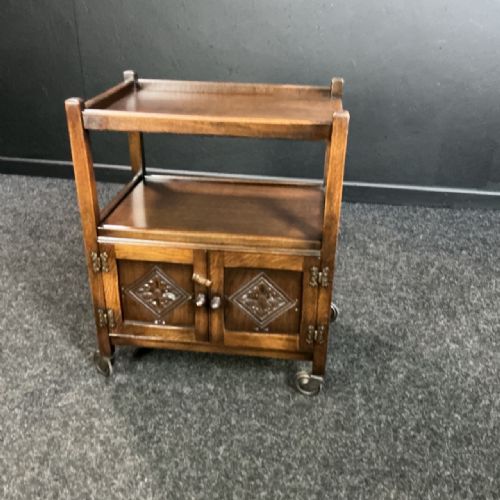
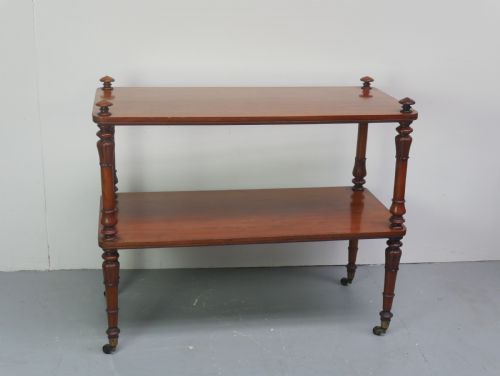
You are most likely to encounter oak and mahogany examples from the early twentieth century, often equipped with castors for easy movement. These functional pieces range from simple tea trolleys to metamorphic servers and sophisticated bar carts.
How they were made
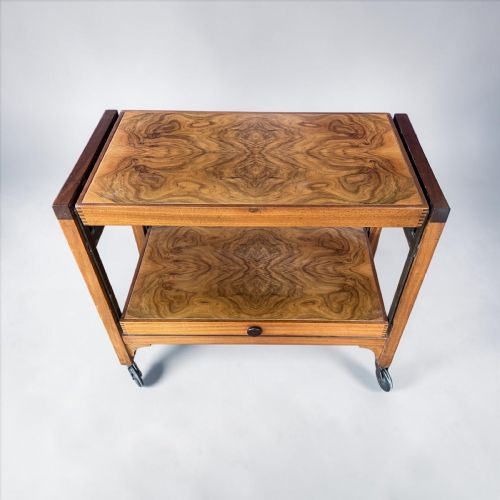
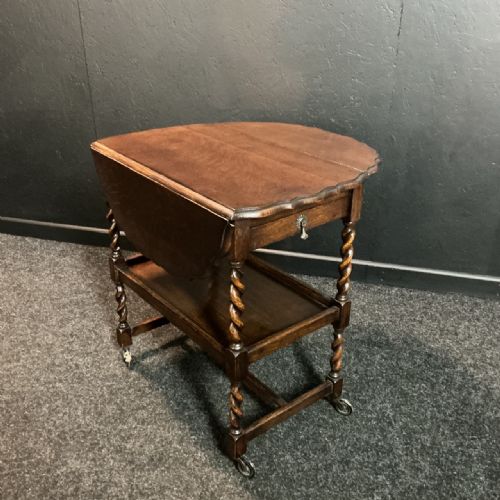
Timbers such as oak, mahogany, walnut and beech form the structural framework for many traditional examples, sometimes finished with inlay, carving or barley twist turning. Metal work appears extensively in modern designs, utilising chrome, brass, aluminium and iron.
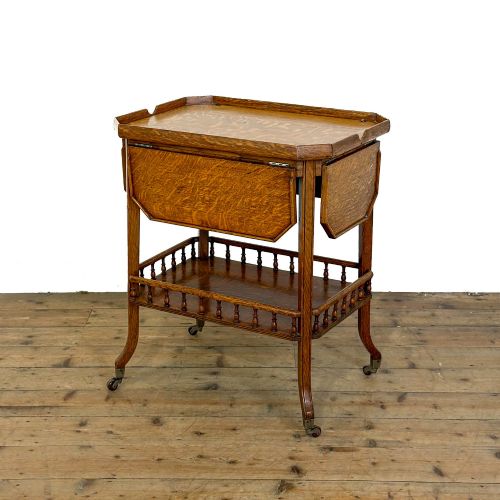
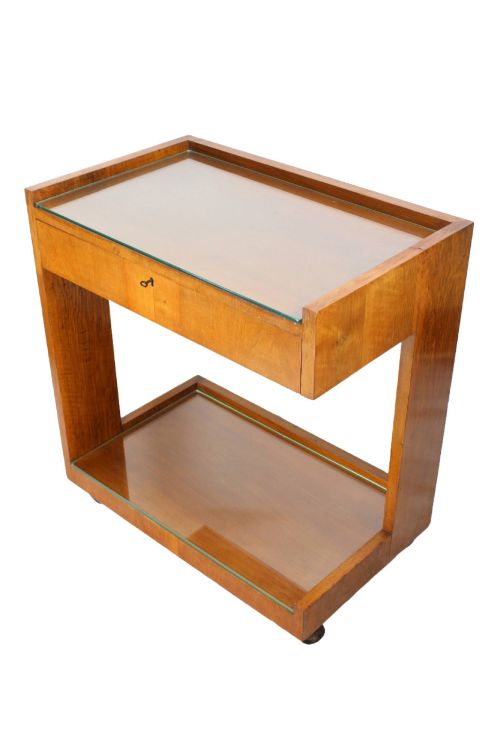
Surface details incorporate glass tiers, mirrored panels, cane binding and even goatskin alongside traditional drop-leaf mechanisms and folding tops. Castors or wheels are integrated directly into the base framework to ensure mobility.
Two Tier Cart Retail Price Guide 2026
Typical asking prices for two tier cart among the pieces listed under this phrase on Sellingantiques today, from the lower quarter to the upper quarter. They describe what is for sale here now, not the wider market.
The available selection covers eras from the Georgian period and Victorian times through Edwardian designs to Mid-Century Modern.
What varies in quality
The refinement of materials and joinery dictates the distinction between standard utilitarian furniture and exceptional decorative pieces. Finer iterations employ superior timber selection, intricate carving, or sophisticated specialty surfaces like goatskin and brass.
Design execution also influences the overall standard, moving from straightforward daily tea trolleys to clever metamorphic frames and distinctive modernist hostess carts by noted makers. The integrity of the moving parts, wheels, and tray fittings completes the assessment of execution.
Lusty of Leicester·Aldo Tura·Maison Bagues·Maison Jansen
The Two Tier Cart Glossary
- Castor
- A small wheel fitted to the legs of a piece of furniture to allow easy rolling across floor surfaces. These fittings are essential for the mobility expected of a serving trolley.
- Metamorphic
- Describing an item designed to transform its shape or function, such as a trolley that converts into a card table. This clever engineering adds versatility to the furniture piece.
- Dropleaf
- A table or trolley top featuring hinged flaps that fold down at the sides to save space. Raising the leaves extends the surface area when hosting guests.
- Barley twist
- A type of turning shaped like a spiral rope, commonly found on the wooden supports of early twentieth-century furniture. This decorative joinery technique adds texture to upright posts.
Two Tier Cart: Frequently Asked Questions
What is a two tier cart used for?
These pieces function primarily as mobile surfaces for serving afternoon tea, cocktails or meals. The dual levels allow users to organise glasses, bottles and plates efficiently during social gatherings.
Beyond entertaining, they serve equally well as permanent side tables or display stands in a living room or dining space.
How do I identify an Art Deco trolley?
Art Deco examples often feature materials like chrome, aluminium, mirror glass and walnut. Their lines lean towards geometric shapes and streamlined Modernist styling.
They contrast sharply with the heavier carved oak and turned supports seen in earlier Edwardian and revival pieces.
What wood types should I expect?
Oak and mahogany appear most frequently, particularly among Edwardian and early twentieth-century tea trolleys. Walnut and beech also feature prominently in various stylistic periods.
Some examples introduce alternative finishes such as faux bamboo or carved exotic hardwoods.