





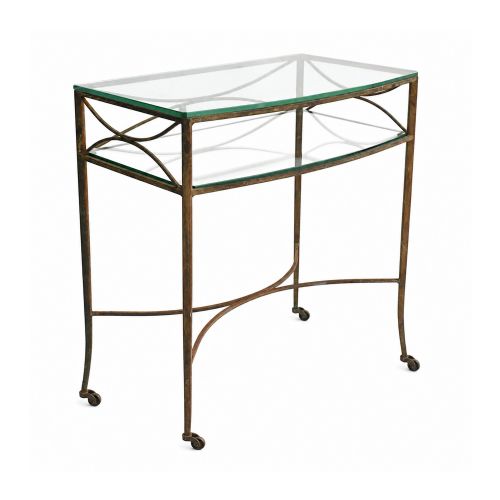


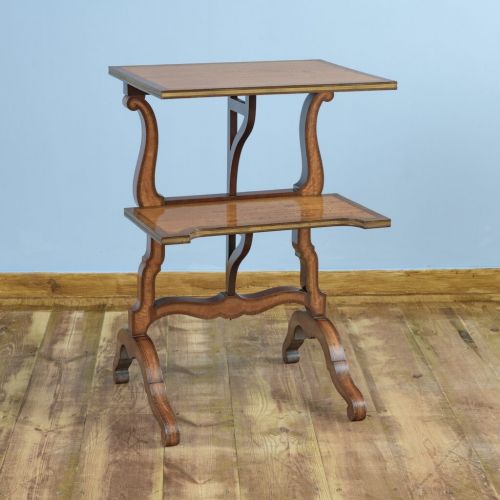
Two Shelf Table
A two shelf table offers practical tiered surfaces for everyday rooms, combining compact utility with period character.
Two Shelf Table
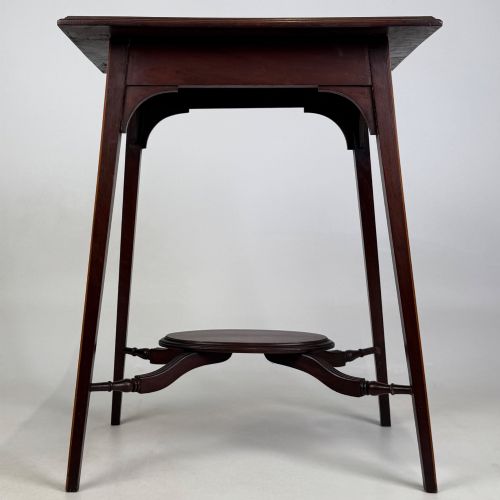
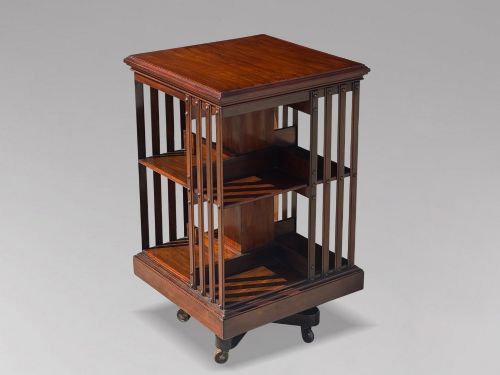
A two shelf table provides dual levels of display and storage, appearing in forms such as occasional tables, side tables, etageres, and tiered stands. These functional pieces emerge across the nineteenth century, the Edwardian era, and into the 1920s and 1930s.
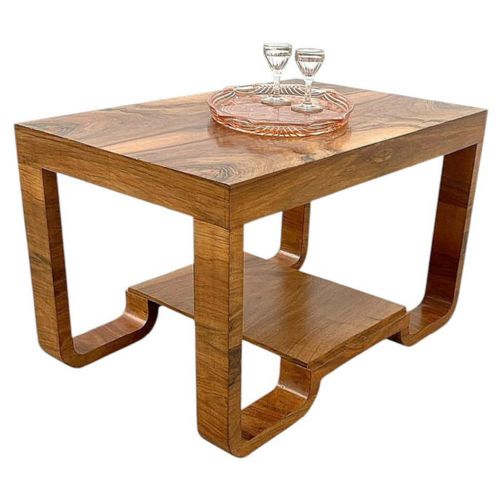
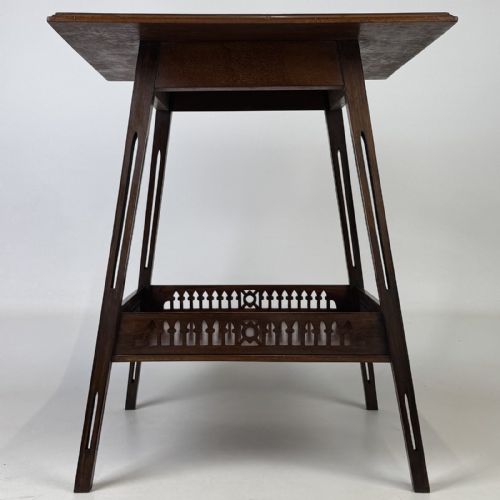
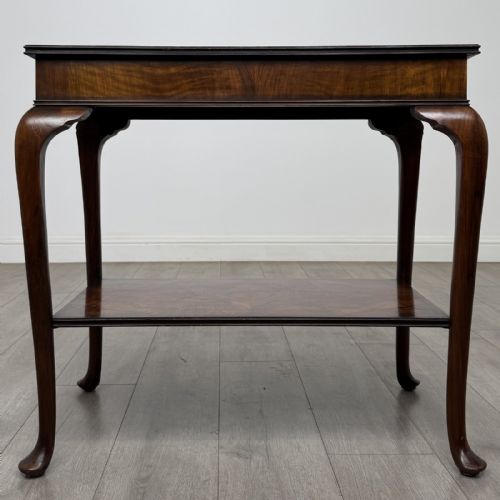
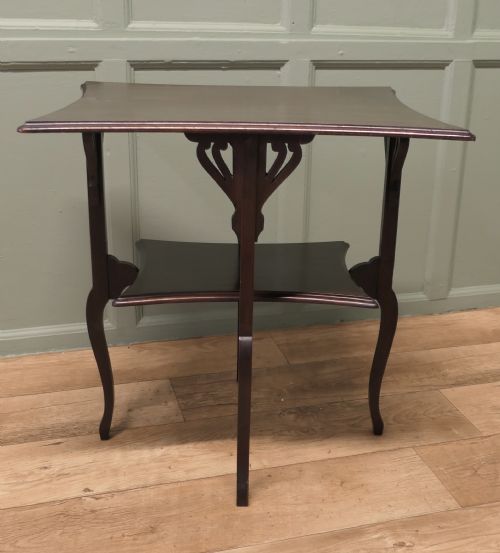
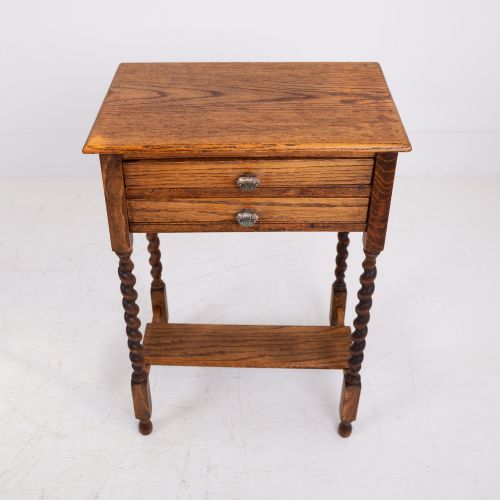
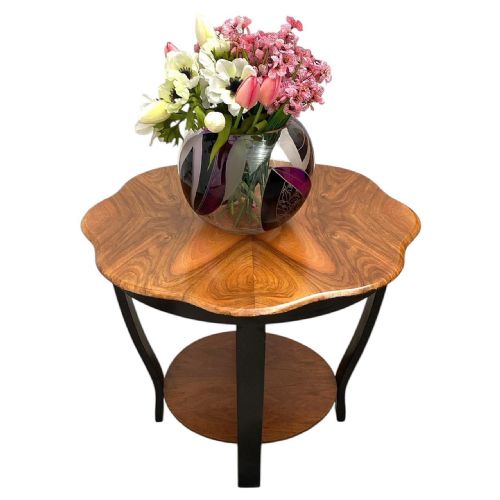
Buyers seeking a two shelf table will encounter examples spanning diverse aesthetic movements including Arts and Crafts, Art Deco, Victorian, and Edwardian styles. The selection ranges from inlaid mahogany occasional pieces to sturdy oak tiered designs and walnut coffee tables.
Originating from British workshops and continental makers, these items serve multiple household functions as bedside stands, lamp tables, or compact display surfaces. The lower shelf offers structural stability while expanding the usable surface area for books and decorative objects.
How they were made
Cabinet makers constructed these tiered tables primarily using timbers like mahogany, oak, walnut, and satinwood, often incorporating decorative veneers such as burr walnut. Inlay work, marquetry, and fretwork details appear across Edwardian and Victorian specimens to add visual texture to the wood.
Metal elements including brass, cast-iron, and gilt bronze feature in structural brackets, mounts, and hardware, whilst occasional pieces integrate alternative materials like bamboo, leather, and marble inserts.
Joinery methods reflect the period of manufacture, moving from traditional hand-carved joints in nineteenth-century workshops to the geometric lines and figural grains seen in later Art Deco productions.
Two Shelf Table Retail Price Guide 2026
Typical asking prices for two shelf table among the pieces listed under this phrase on Sellingantiques today, from the lower quarter to the upper quarter. They describe what is for sale here now, not the wider market.
What varies in quality
The refinement of the timber selection dictates the baseline quality, distinguishing plain utilitarian pine from finely figured burr walnut, satinwood, or rich mahogany veneers. Superior items display careful grain matching across both upper and lower tiers.
Execution of decorative details such as marquetry inlay, fretwork, and hand-carved elements separates standard workshop production from master craftsmanship. The integration of secondary materials like marble or quality brass mounts further elevates the construction tier.
Maison Giroux·Liberty and Co·E.W Godwin
The Two Shelf Table Glossary
- Etagere
- A small open tiered piece of furniture designed for displaying ornaments or books. This form provides multiple shelves supported by slender columns.
- Marquetry
- The art of applying pieces of veneer to a structure to form decorative patterns. Craftsmen utilise various coloured woods to create pictorial or geometric designs.
- Occasional table
- A small, versatile piece intended for intermittent use in a reception room. These items are easily moved to hold lamps, drinks, or books.
- Tiered stand
- A piece featuring multiple horizontal surfaces arranged vertically. This configuration maximises display space within a compact floor footprint.
Two Shelf Table: Frequently Asked Questions
Where should I place a two shelf table?
These compact pieces fit easily beside seating arrangements, in hallways, or as bedside surfaces where extra display space is useful.
The lower shelf allows for holding books or decorative items while keeping the top surface clear for daily use.
How do I identify the period of a tiered table?
Examine the timber species, joinery techniques, and decorative flourishes like inlay or carving to determine the era.
Victorian and Edwardian versions often employ mahogany or walnut with traditional turnings, whereas 1930s examples show geometric influences.
Are these tables sturdy enough for heavy items?
Most occasional and side tables are constructed with stable four-leg bases and secure lower shelves designed for everyday objects.
Heavier items like large books suit the lower shelf, which adds structural ballast to the entire piece.
What maintenance do wood and veneer surfaces need?
Keep wooden surfaces away from direct sunlight and extreme temperature shifts to protect the polish and prevent timber splitting.
Regular dusting with a soft cloth preserves the natural grain and sheen of mahogany, oak, or walnut.