

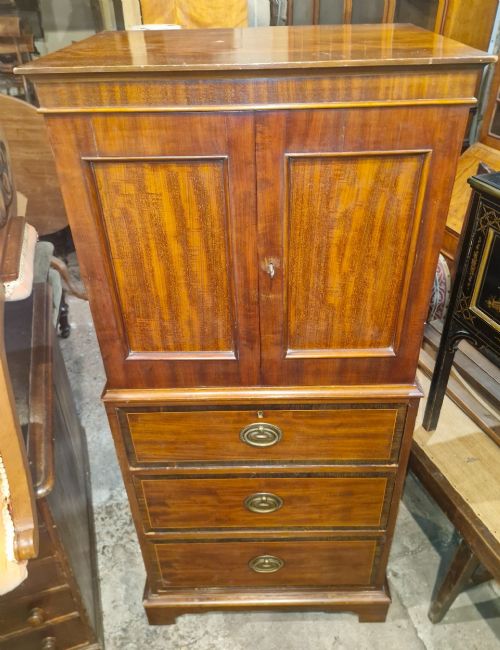
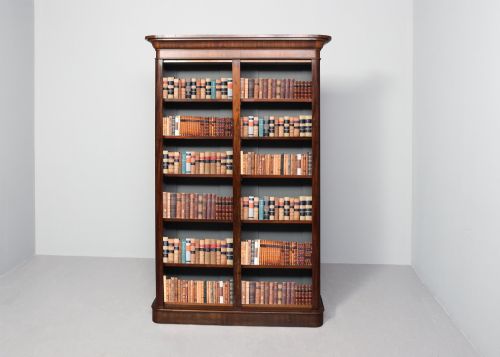
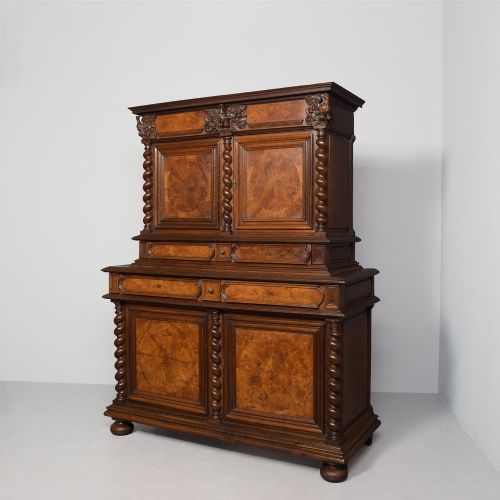

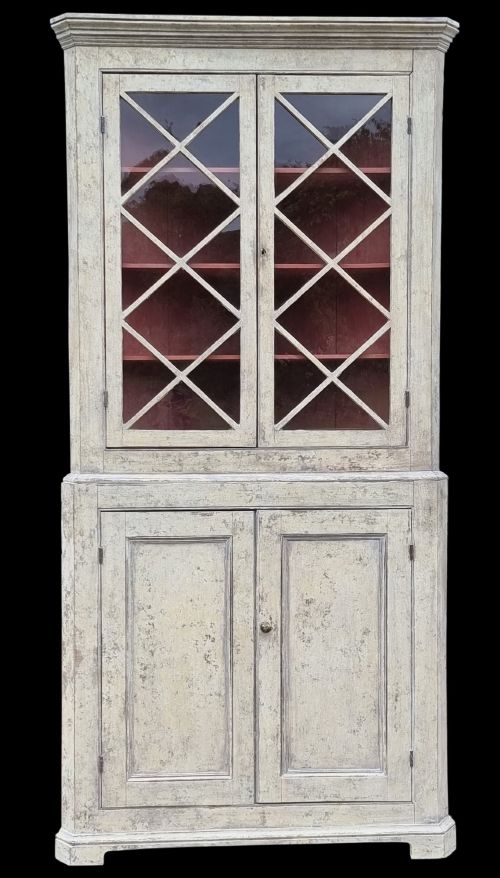


Two Part Cabinet
A two part cabinet offers substantial storage by dividing its heavy load into manageable upper and lower sections for transport.
Two Part Cabinet
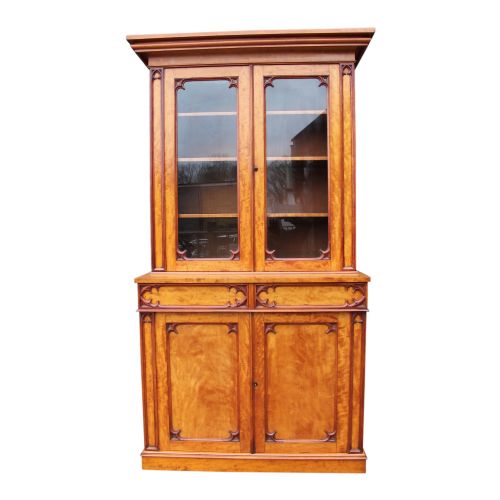
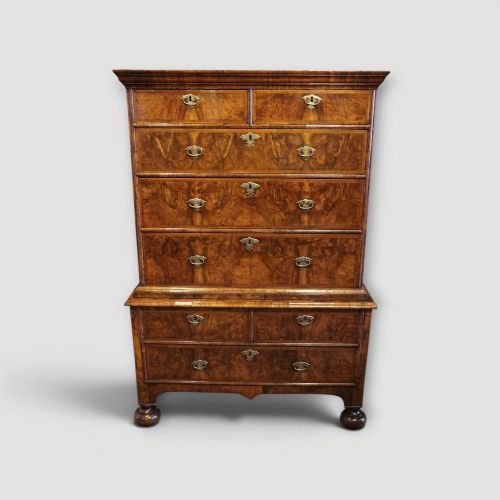
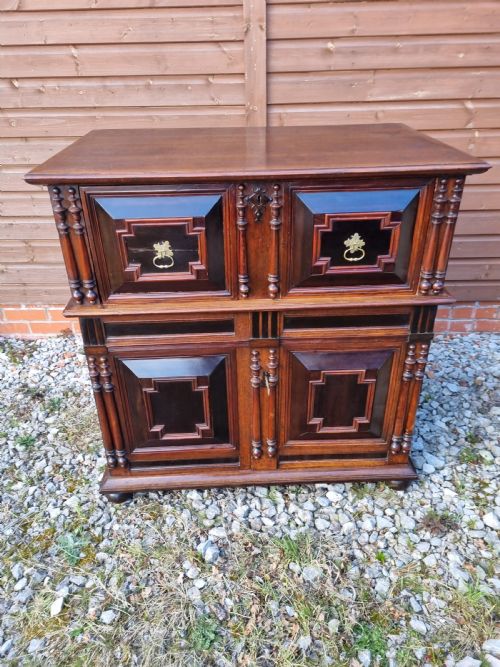
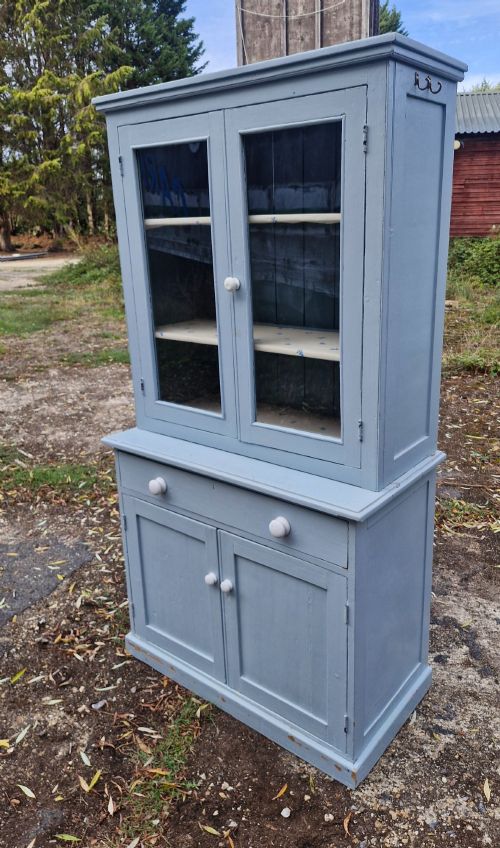
A two part cabinet brings together modular sections like bookcases, chests on chests, and kitchen dressers designed for flexible placement in domestic rooms.
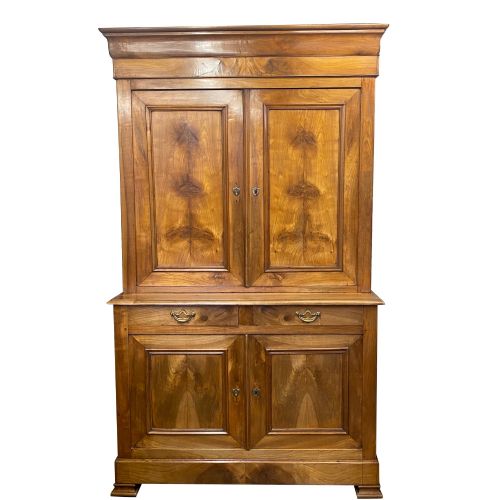
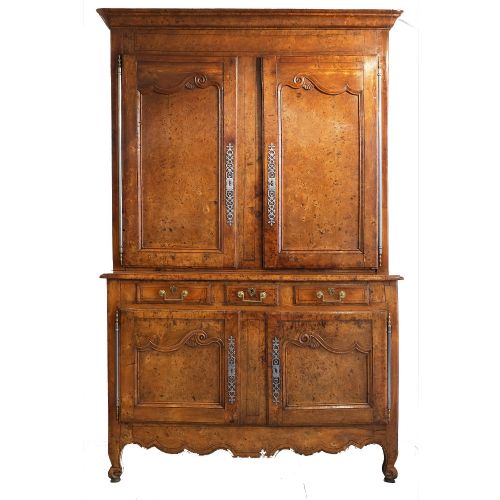
The pieces appearing most frequently span Georgian, Victorian, and Edwardian eras, constructed in regional British oaks, mahogany, and walnut alongside continental examples in fruitwood and cherry.
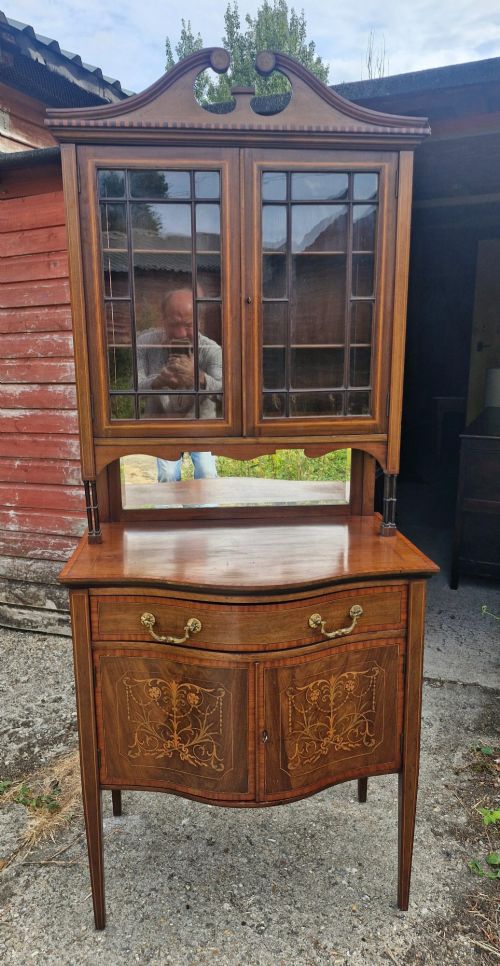
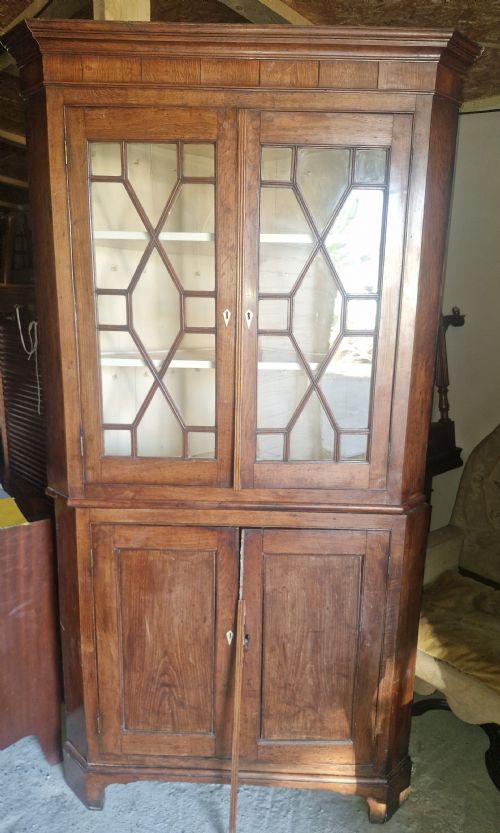
These dual-construction items range from tall libraries and glazed display units down to corner cupboards and modular sideboards designed to separate easily.
Materials and Construction
Carpenters utilised durable hardwoods such as oak, Spanish mahogany, and walnut for primary structures, often pairing them with secondary pine or ash for internal shelving and drawer linings.
Joinery relied on stable dovetail joints for drawers and mortice and tenon frames for doors, allowing large two-part furniture to withstand seasonal humidity shifts without splitting.
Surface treatments included hand-rubbed wax finishes on timber grains, intricate herringbone inlay, brass hardware, and painted or lacquered coats on regional pine and imported pieces.
Two Part Cabinet Retail Price Guide 2026
Typical asking prices for two part cabinet among the pieces listed under this phrase on Sellingantiques today, from the lower quarter to the upper quarter. They describe what is for sale here now, not the wider market.
Some provincial cupboards hide secret compartments tucked behind decorative waist mouldings.
Judging the Standard
The standard of a two part cabinet rests upon the integrity of the original timber selection, matching grain patterns across both sections, and the precision of the connecting joint.
Superior examples retain untouched original hardware, undisturbed glass panels, and well-fitted internal drawers that slide smoothly within unwarped housings.
Gordovil Spain
The Two Part Cabinet Glossary
- Deux corps
- A French term describing furniture built in two distinct stacked sections, commonly applied to large buffets and cupboards.
- Chest on chest
- A tall storage unit formed by placing a smaller chest of drawers directly on top of a larger base chest.
- Herringbone inlay
- A decorative border made from small veneer strips laid in a diagonal zigzag pattern resembling a fish skeleton.
- Breakfront
- A piece of furniture where the central section projects forward from the flanking outer sections.
- Glazed display cabinet
- A cabinet featuring glass-fronted upper doors designed for exhibiting porcelain, books, or curiosities.
Two Part Cabinet: Frequently Asked Questions
Why were they built in two parts?
Splitting a tall bookcase or cupboard into an upper and lower section made heavy furniture possible to transport through narrow doorways and up winding staircases.
This modular construction also lightened the load for carriage transport during the eighteenth and nineteenth centuries.
How do I secure the top section?
Most two part cabinets rely on gravity and interlocking mouldings, fitting snugly into a recess or lip on top of the lower base.
Some tall bookcases or chests on chests utilise interior brass brackets or tongue-and-groove alignment pins to prevent shifting.
Can I separate the two sections for moving?
Yes, the defining characteristic of these items is the physical split between the upper and lower halves for easier relocation.
Lifting the top section clear of the base reveals separate carcasses that can be moved individually without straining joints.
What rooms suit a two part cabinet?
Tall library bookcases and display units suit studies and living rooms, providing enclosed shelving for books and collections.
Kitchen dressers and corner cupboards function well in dining areas or kitchens for storing tableware and provisions.