
Two Over Three Dresser
A two over three dresser groups two smaller upper drawers above three wider lower ones, offering enduring bedroom storage.
Two Over Three Dresser
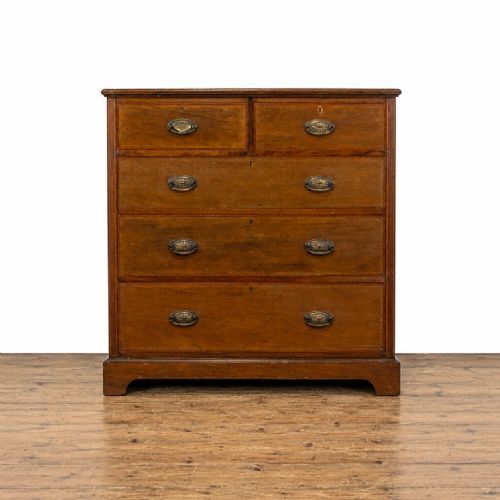
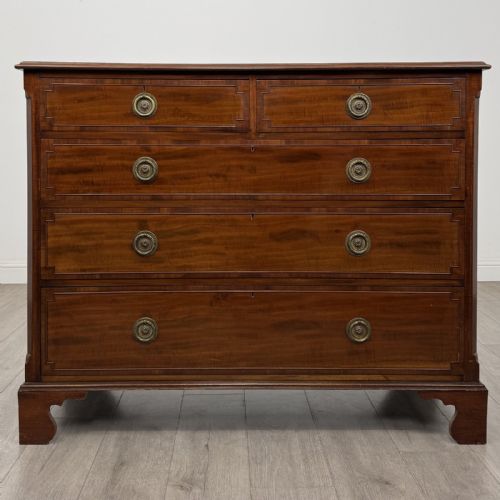
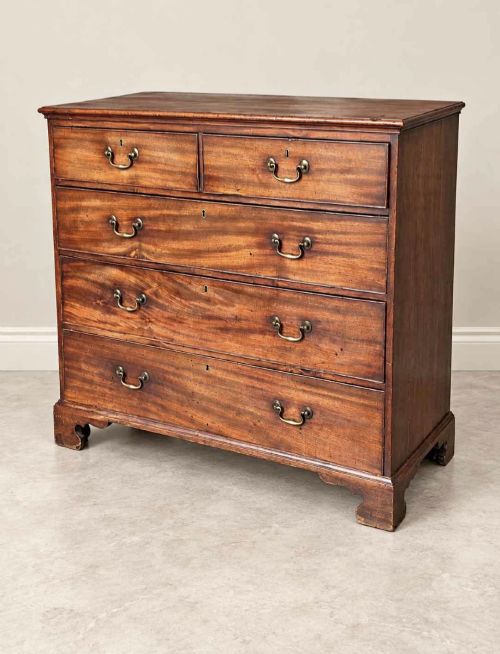
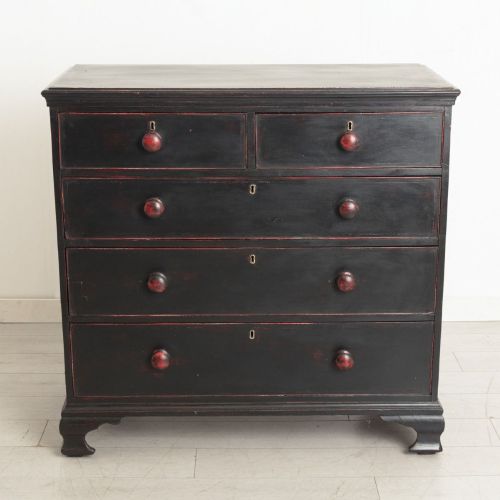
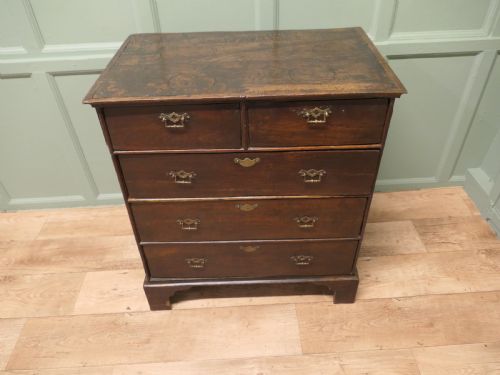
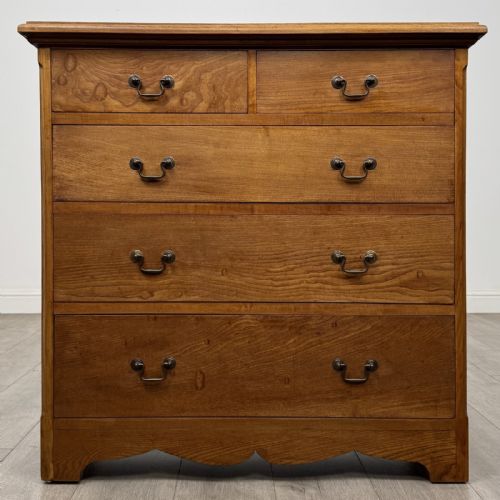
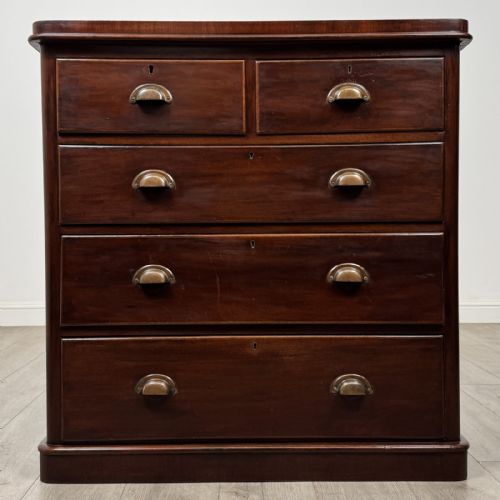
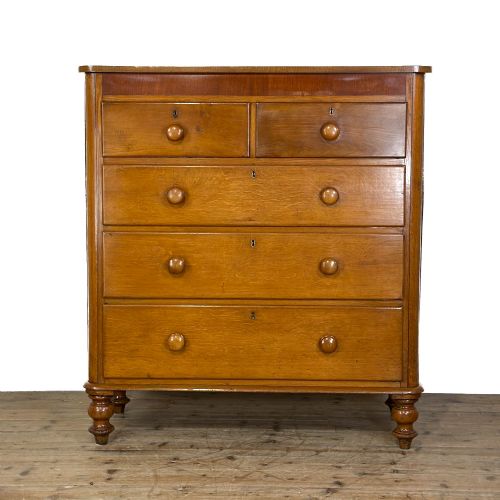
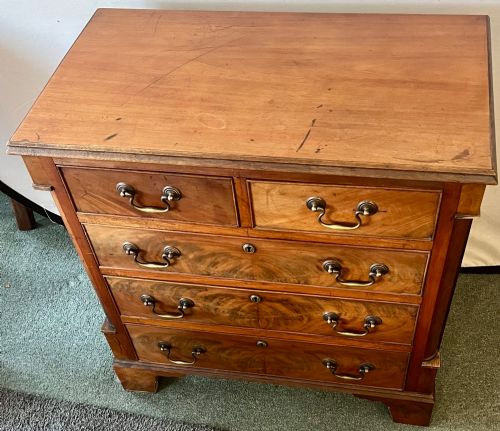
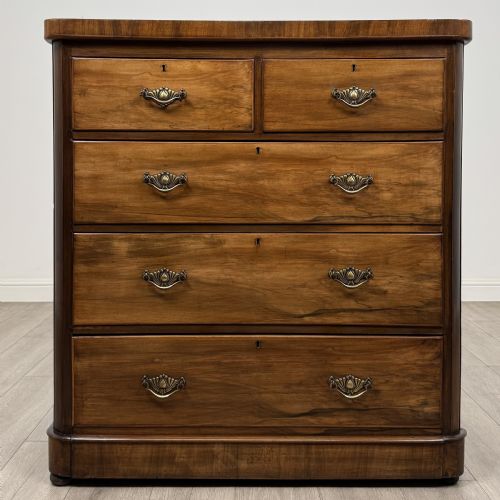
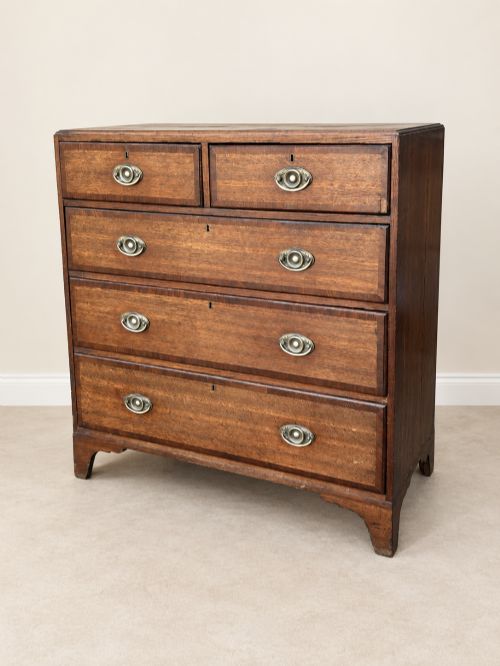
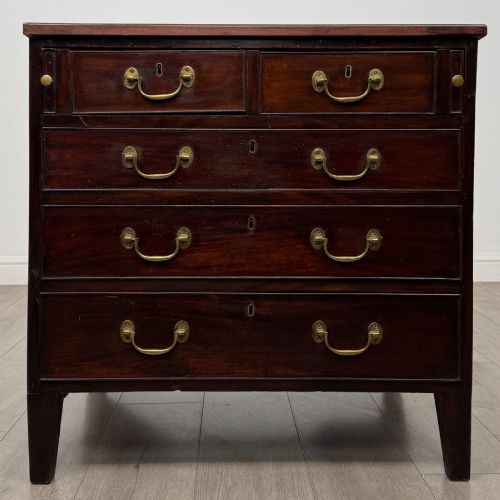
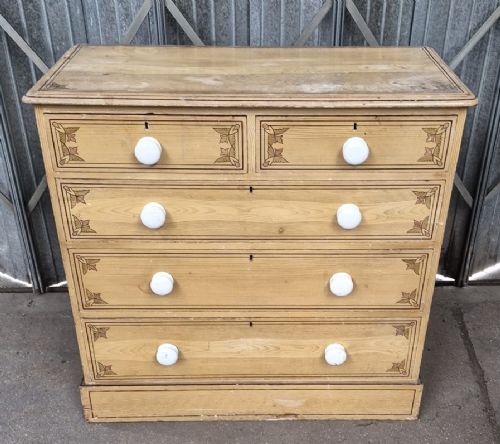
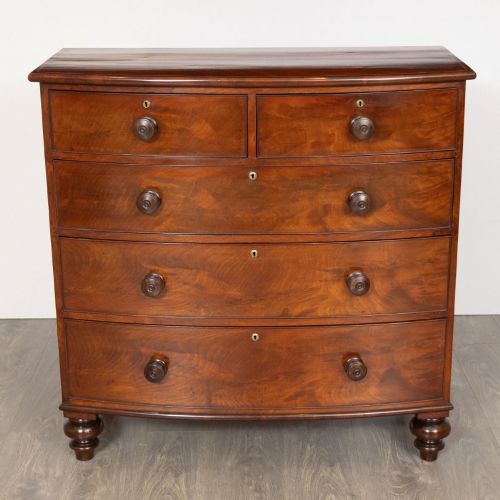
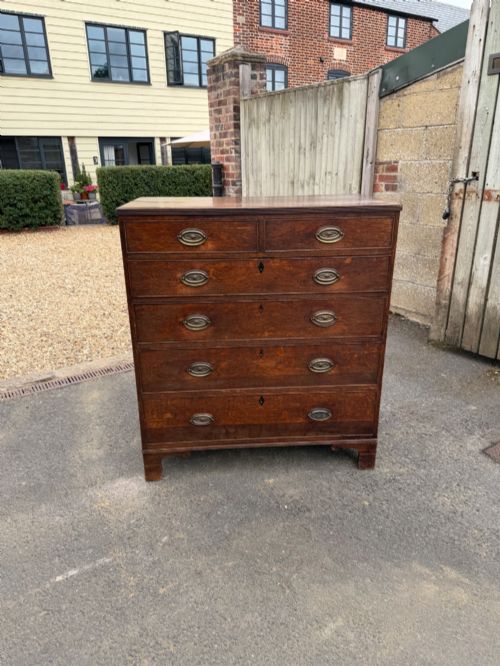
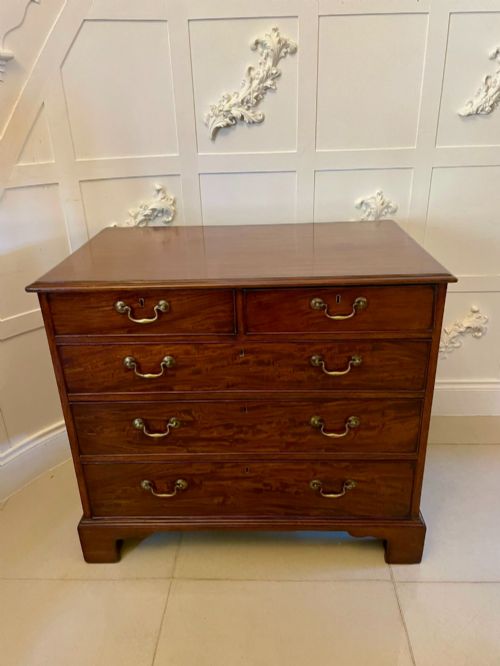
A two over three dresser takes the form of a chest of drawers, arranged with two smaller drawers placed above three longer graduating drawers. This specific drawer configuration appears across multiple periods including the 18th century, Georgian, Regency, Victorian, and Edwardian eras.
The pieces on this page span several distinct eras, with Victorian and Georgian examples appearing frequently alongside Edwardian and Regency pieces. Oak and mahogany are standard timbers seen across these items, often accompanied by pine in country pieces and walnut in Edwardian furniture.
Makers utilised various regional timbers and stylistic details, yielding everything from grand bowfront facades to straightforward pine bedroom storage. Buyers encounter both polished hardwood finishes and original grained surfaces on these chests.
Quality and proportion
Proportion and scale distinguish finer chests, with narrow bowfronts and pieces of small proportions commanding attention for their restrained footprint. The choice of timber, such as flame mahogany or well-figured oak, elevates the visual weight of the facade.
Surface preservation defines the better examples, where original patination, crossbanding, and period brass hardware remain intact. Lesser items may show heavy restoration or replacement handles that alter the original character of the furniture.
Materials recorded across the inventory include brass, mahogany, pine, oak, flame mahogany veneer, wood, walnut, and iron.
J Moorcroft·Howard and Sons
The Two Over Three Dresser Glossary
- Bowfront
- A convex curved cabinet front that projects outward in a smooth arc. This shape appears on several mahogany pieces from the Georgian and Regency periods.
- Crossbanding
- A decorative border of veneer laid around the perimeter of a drawer front or top with the grain running perpendicular to the centre panel. It often frames Georgian mahogany and oak surfaces.
- Raised gallery
- A low wooden upstand fixed to the top surface of a chest to prevent items from sliding off. This detail appears on specific Edwardian oak pieces.
- Patina
- The surface sheen and mellowing developed by wood over decades of handling and polishing. Good patination reflects age and careful maintenance.
Two Over Three Dresser: Frequently Asked Questions
What is a two over three chest?
A two over three chest is a drawer unit featuring two smaller drawers side-by-side at the top with three wider full-width drawers positioned underneath.
This classic arrangement provides versatile storage while maintaining a balanced facade across Georgian, Victorian, and Edwardian designs.
Which woods were used for these chests?
Cabinet makers built these chests using mahogany, oak, walnut, and pine, frequently selecting flame mahogany veneers for decorative surfaces.
Solid oak and pine serve as the primary timbers for earlier Georgian and country Victorian pieces.
How do I date a mahogany chest?
Dating relies on observing construction methods, timber choice, handle styles, and overall proportions relative to known historical periods.
Georgian pieces often feature fine proportions and crossbanding, whereas Victorian examples tend to have heavier framing and different drawer linings.
Where were these dressers used?
These chests functioned primarily as bedroom storage furniture for garments, linens, and personal items.
Their substantial drawer capacity made them central fixtures in period domestic interiors.