

Two Handle Cup
A two handle cup brings historical drinking vessels and decorative vessels into a collection, offering centuries of craftsmanship in silver and ceramic forms.
Two Handle Cup
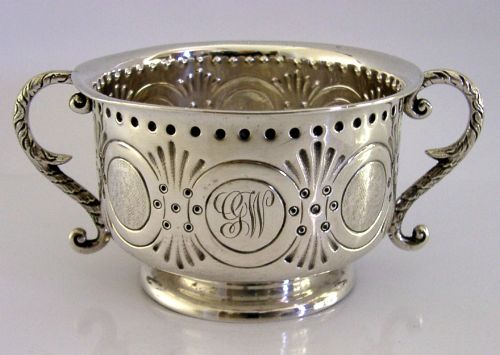
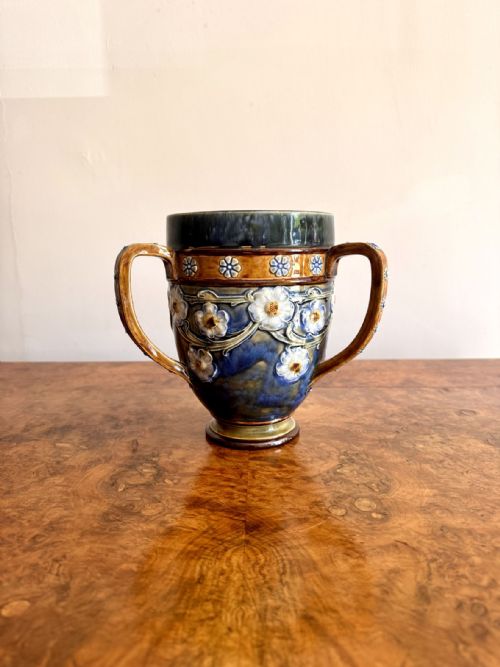
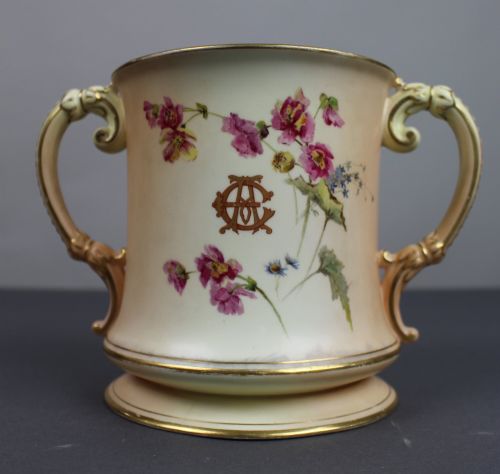
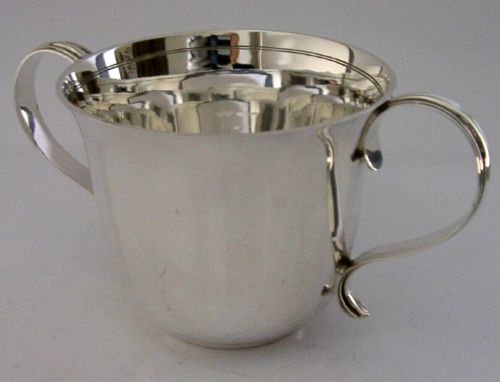
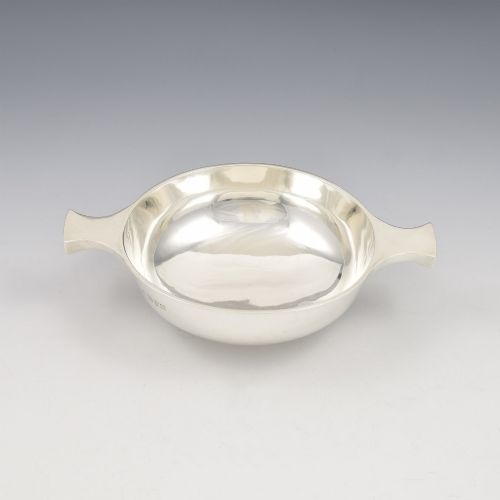
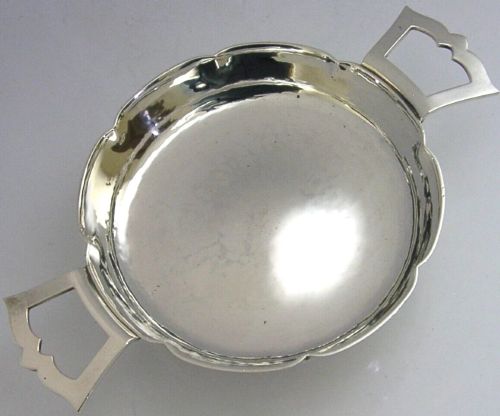
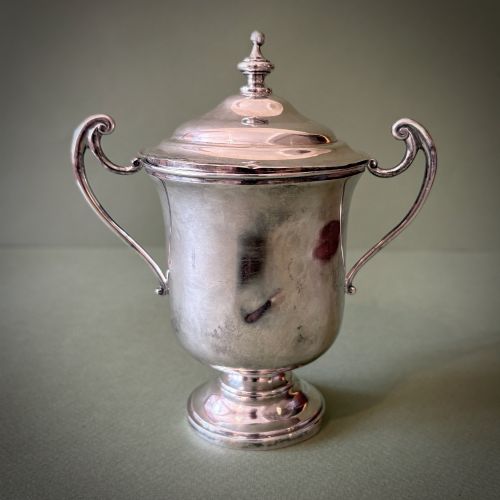
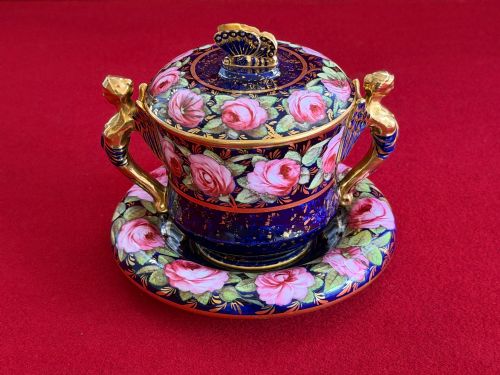
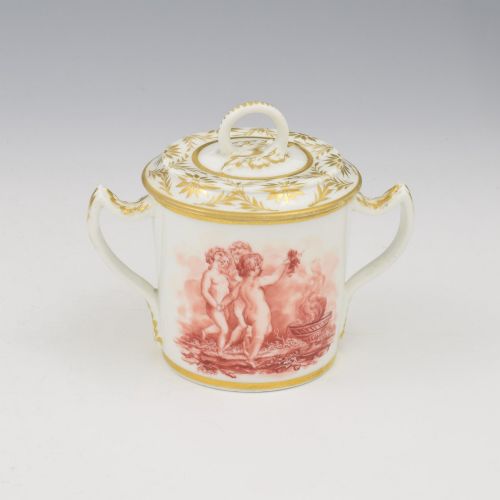
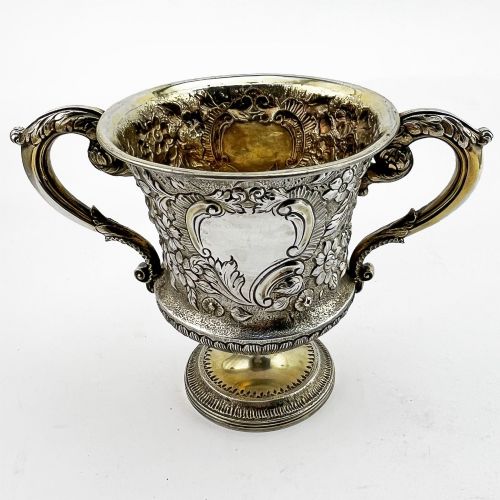
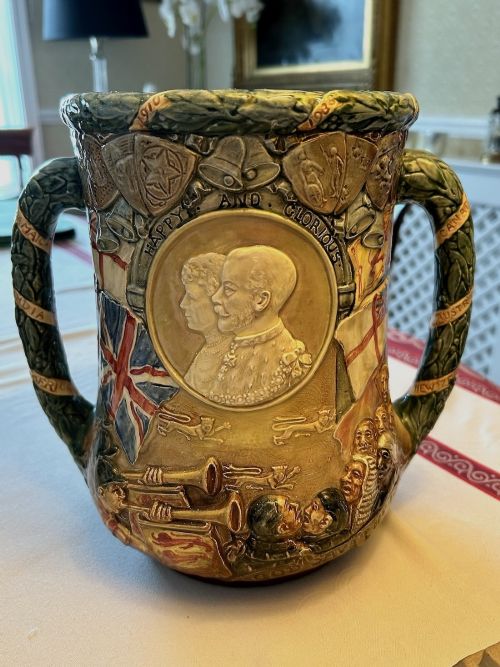
A two handle cup spans functional drinking vessels, presentation pieces, and decorative ceramics found across the centuries. Buyers examining this category will encounter diverse forms including silver porringers, ceramic loving cups, quaichs, and trophy cups.
The material range is broad, featuring sterling silver, porcelain, earthenware, and silver plate from periods such as the Georgian, Victorian, Edwardian, and Art Deco eras. Quaichs and loving cups with twin handles represent the most frequent iterations on this page.
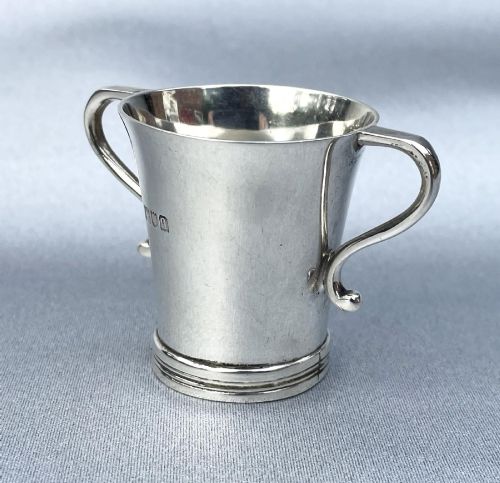
Objects range from small novelty tot cups and christening bowls to large commemorative loving cups and campana shaped presentation pieces. Each item reflects the social, commemorative, or domestic habits of its original period.
Materials and construction methods
Silver items utilise sterling silver, Britannia standard silver, or silver plate, shaped through hammering, planishing, and casting with applied handles. Makers employed techniques like planishing to leave subtle hammer marks across the surface of Arts and Crafts pieces.
Ceramic examples combine earthenware, porcelain, and pearlware bodies finished with glaze, enamel, and transfer printing. Many earthenware vessels feature multi-coloured polychromed details and transfer printed hunting scenes applied before firing.
Two Handle Cup Retail Price Guide 2026
Typical asking prices for two handle cup among the pieces listed under this phrase on Sellingantiques today, from the lower quarter to the upper quarter. They describe what is for sale here now, not the wider market.
Several earthenware vessels hide surprise ceramic frogs inside, designed to startle drinkers as they finish their ale.
Factors determining quality
Quality rests upon the crispness of form, the weight and gauge of the metal in silver pieces, and the clarity of transfer printing or hand-painted detail on ceramics. Heavier silver items with clear hallmarks and well-balanced twin handles command greater attention.
The definition of moulded details, the preservation of original gilding, and the integrity of applied handles distinguish standard production pieces from finer examples. Maker marks and specific regional attributions, such as Scottish silver quaichs, elevate the standing of individual items.
John William Kirwan·Asprey·George Greenhill Jones·Royal Worcester·Royal Doulton·Nathan and Hayes·Spode·Bloor Derby·H and R Daniel·R E Stone·Joseph Rodgers and Sons·Wemyss
The Two Handle Cup Glossary
- Porringer
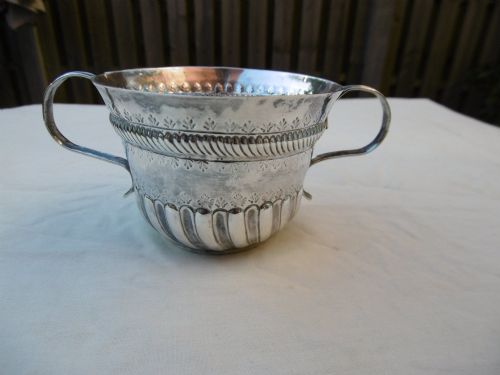
- A shallow two-handled bowl or cup used historically for porridge, broth, or as a christening gift. Examples range from early Britannia standard silver to later Edwardian reproductions.
- Loving cup
- A large drinking vessel equipped with two or three handles, designed to be passed between people at banquets and celebrations. These often feature commemorative inscriptions or transfer printed scenes.
- Quaich
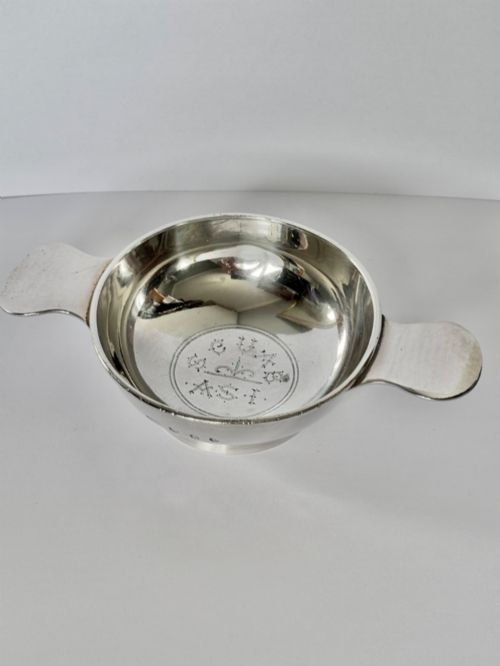
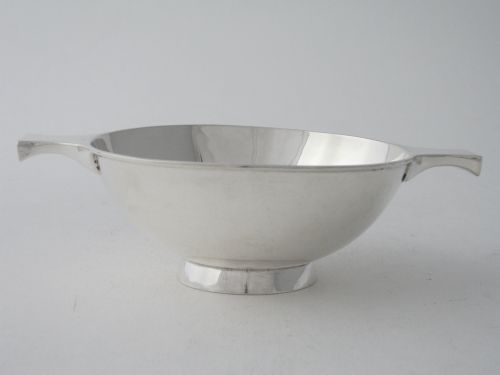
- A traditional Scottish two-handled drinking vessel used for whisky or other spirits. They are typically shallow bowls featuring flat or ear-shaped lug handles.
- Pearlware
- A refined earthenware developed in the late eighteenth century featuring a faint bluish glaze that pooled in crevices. It served as a common base for transfer printed drinking vessels.
- Planished
- A metalworking finish produced by hammering the surface with a round-faced hammer to create a textured, light-reflecting pattern. This technique appears frequently in Arts and Crafts silver pieces.
Two Handle Cup: Frequently Asked Questions
What is a two handle cup used for?
These vessels served various functions ranging from communal drinking at feasts to personal consumption of broth, chocolate, or spirits. Many functioned as presentation trophies or commemorative items for coronations and weddings.
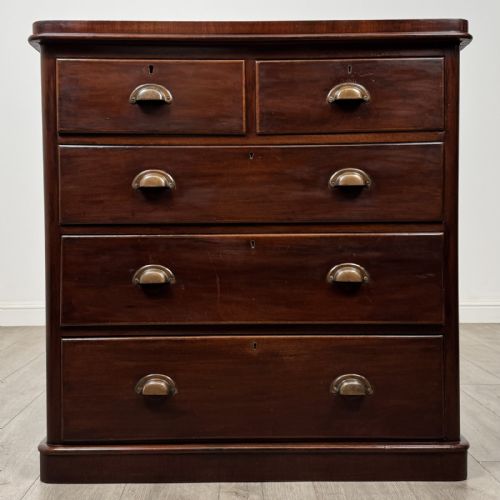
Over time, smaller versions became christening bowls or decorative ornaments displayed on sideboards and mahogany chests of drawers.
How do I care for silver two handle cups?
Sterling silver and silver plated vessels require gentle cleaning with appropriate silver polish to remove tarnish without abrading the metal surface. Avoid harsh chemical dips that strip away patination accumulated over centuries.
Store silver pieces in dry environments away from direct sunlight and atmospheric pollutants to maintain their finish.
How can I date ceramic two handle cups?
Dating ceramics relies on identifying the body type, such as pearlware versus porcelain, alongside the style of transfer printing and glaze characteristics. Factory marks and pattern numbers also provide precise periods of manufacture.
Subject matter, including specific royal commemorations or hunting scenes, helps narrow the decade of production.
What makes a quaich different from a loving cup?
A quaich is a shallow Scottish drinking vessel featuring two flat lug handles designed for holding with both thumbs. They are traditionally associated with whisky and have a distinct bowl form.
Loving cups are deeper vessels fitted with two or three vertical loop handles meant for passing between drinkers during toasts and celebrations.
Why do some antique mugs have frogs inside?
Drinking mugs from the nineteenth century occasionally contained a ceramic frog or newt positioned inside the bottom of the vessel as a drinking joke. As the drinker finished their ale or beer, the hidden creature would suddenly appear.
These novelty items often featured printed poems or humorous verses around the rim to entertain tavern patrons.