

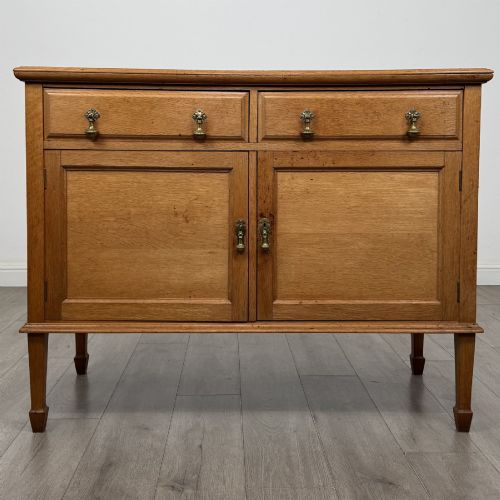
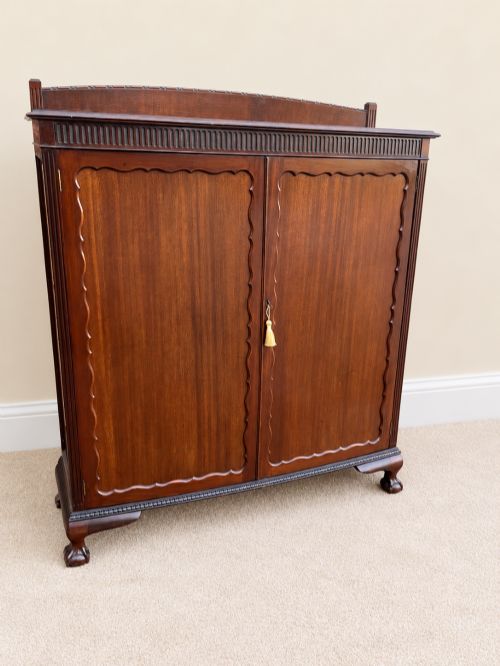
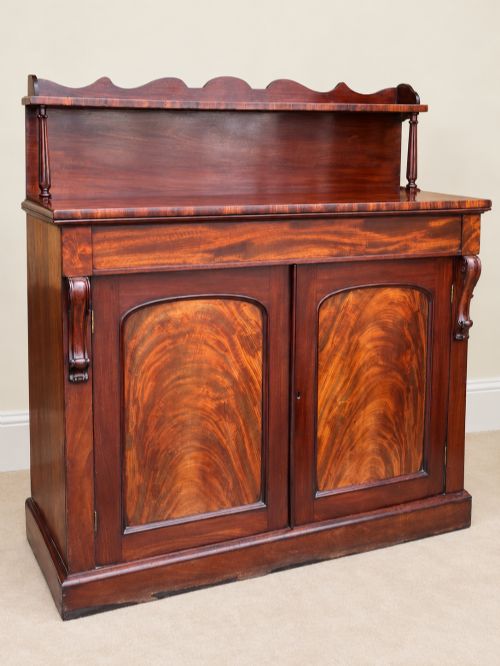
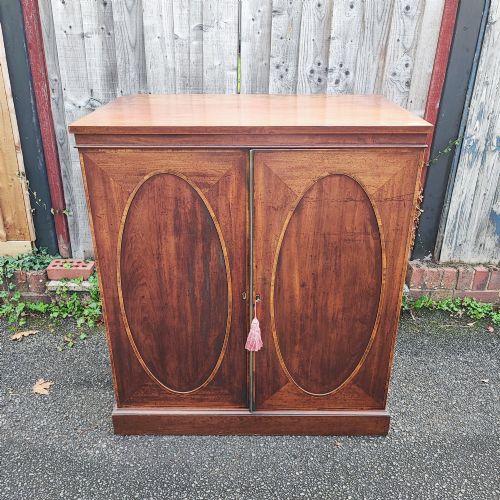


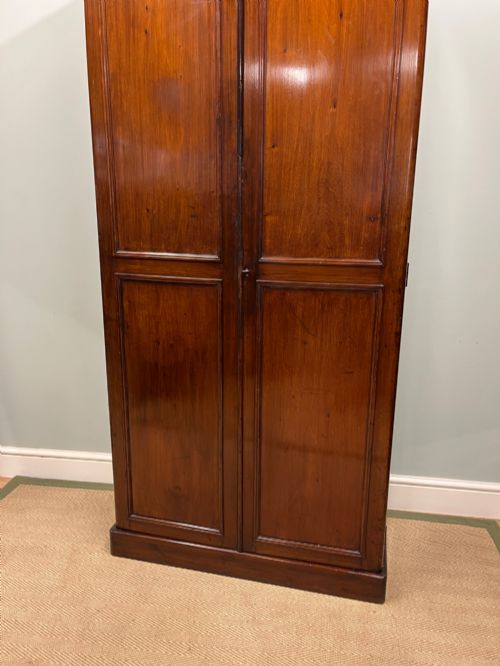
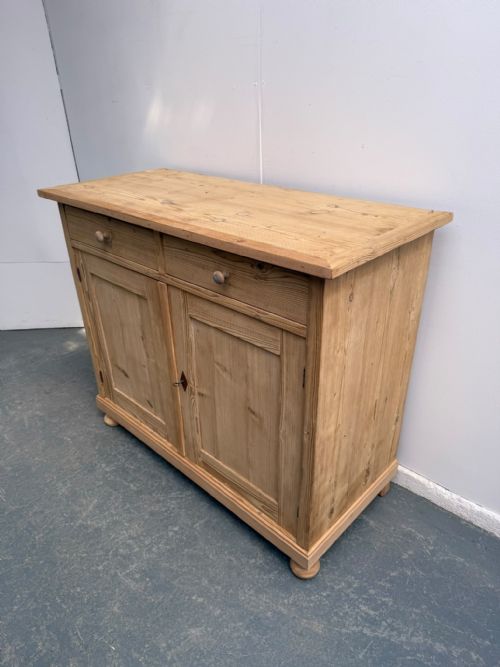
Two Door Hall Cabinet
A two door hall cabinet provides compact storage with formal presence, standing ready in narrow corridors or reception rooms.
Two Door Hall Cabinet
A two door hall cabinet spans utilitarian storage pieces and formal reception furniture designed for domestic interiors. These items appear in formats ranging from narrow hall cupboards to side cabinets and small sideboards.
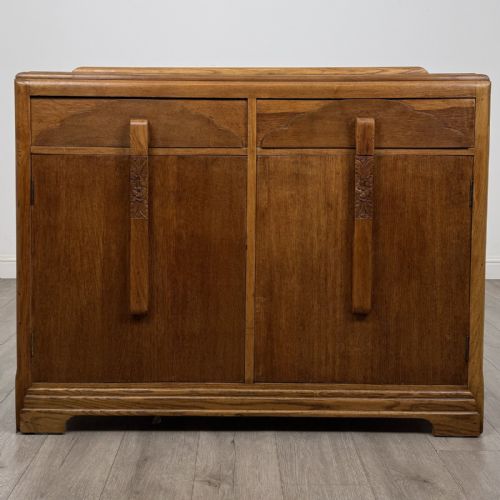
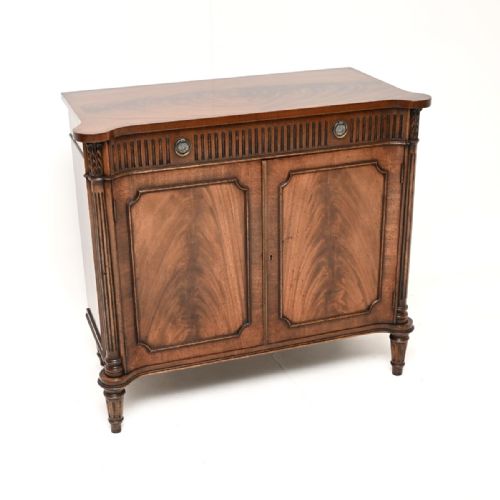
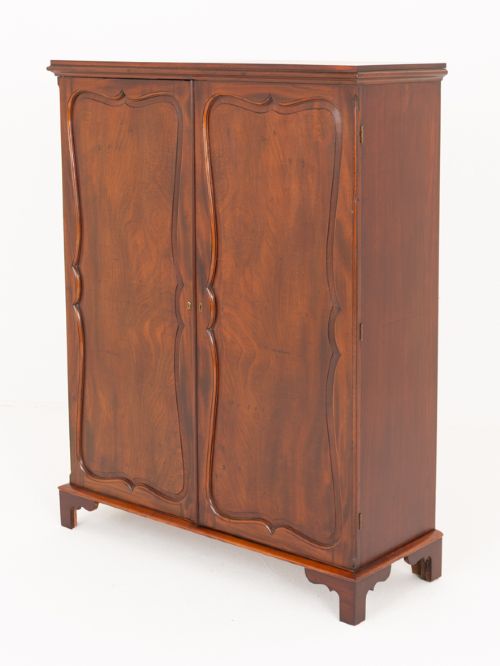
The pieces on this page draw from 18th century, Georgian, Victorian, and 19th century periods, alongside later 1920 and 1930 examples. Formats vary from tall slim cupboards to low side cabinets with raised galleries or marble tops.
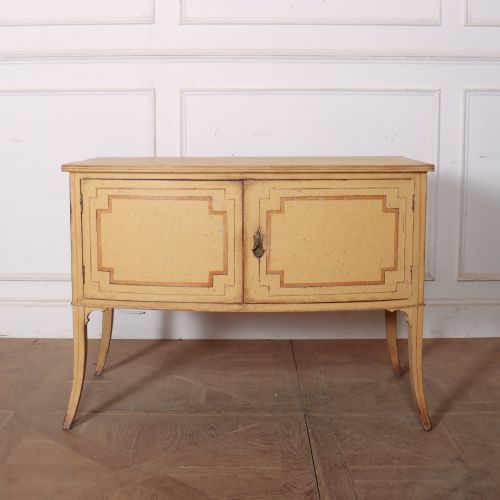
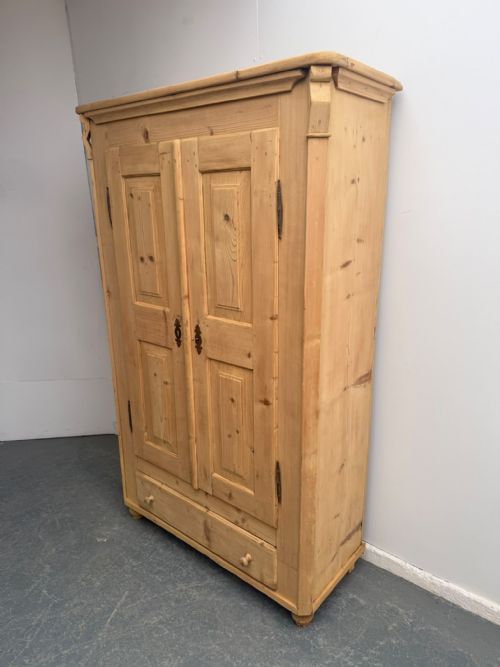
Regional and stylistic variations include English mahogany designs, Scandinavian and Swedish painted pine pieces, and North European armoires. Buyers typically encounter upright wooden storage units equipped with twin doors and internal shelving.
Materials and construction methods
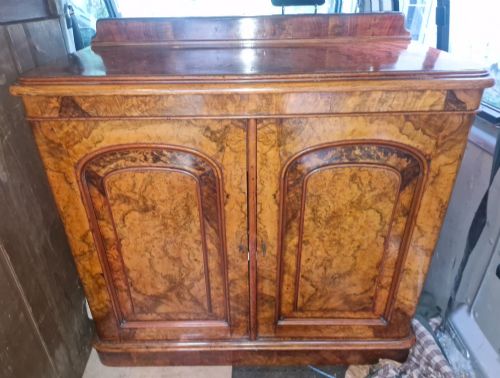
Makers utilised timber solids such as mahogany, oak, walnut, and pine, occasionally applying paint surfaces to pine carcases. Figured walnut veneers appear on select surfaces alongside inlay and decorative mouldings.
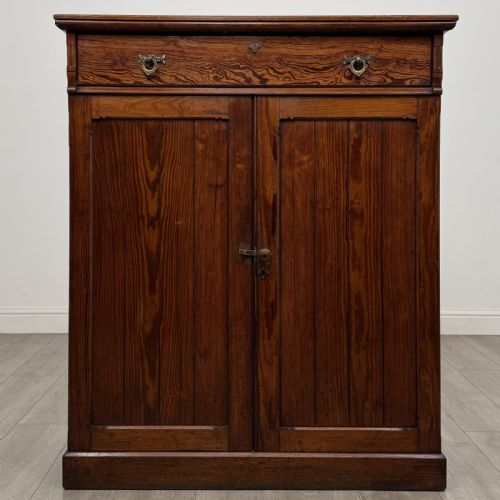
Hardware consists of brass ring handles and period fixtures mounted to doors enclosing storage spaces. Structural elements combine solid wood construction with panelled doors and occasional drawer additions.
Two Door Hall Cabinet Retail Price Guide 2026
Typical asking prices for two door hall cabinet among the pieces listed under this phrase on Sellingantiques today, from the lower quarter to the upper quarter. They describe what is for sale here now, not the wider market.
Several pine cupboards arrive ready to wax or paint, inviting new owners to pick the final colour.
Factors that distinguish quality
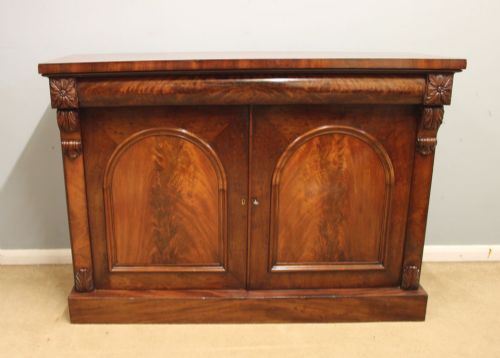
Selection of timber grain defines the visual tier of a cabinet, distinguishing figured walnut and dense mahogany from utilitarian pine carcases. The crispness of inlaid details and mouldings separates standard workshop production from finer cabinet work.
Proportion and scale dictate utility in narrow spaces, separating shallow hall designs from bulkier storage cupboards. Surface treatment, whether waxed hardwood or original paint finish, preserves the integrity of the piece.
The Two Door Hall Cabinet Glossary
- Hall cupboard
- A tall storage piece designed specifically for entranceways and narrow passages to hold outerwear and household sundries.
- Side cabinet
- A low furniture form positioned against walls in reception rooms, providing surface display and enclosed cupboard space.
- Chiffonier
- A compact sideboard or low cabinet equipped with doors enclosing shelves, popular during the Victorian period.
- Press cupboard
- A large storage unit featuring upper and lower cupboard sections, often fitted with internal shelving or hanging space.
- Armoire
- A large upright wardrobe or cupboard fitted with twin doors, originating in continental Europe.
Two Door Hall Cabinet: Frequently Asked Questions
Where should a two door hall cabinet go?
These cabinets suit narrow corridors, entrance halls, and reception rooms where floor space is limited. Their shallow depths allow them to sit against walls without blocking walkways.
Internal shelving accommodates everyday items while keeping hallways tidy and organised.
How do I date a wooden cabinet?
Dating relies on timber selection, construction methods, and stylistic details such as Georgian inlay or Victorian mouldings. Secondary woods and handle types also provide clues to the period of manufacture.
Comparing hardware and joinery helps distinguish 18th century pieces from later 19th and 20th century revivals.
What is the difference between pine and mahogany cabinets?
Pine cabinets often feature painted finishes or simple waxed surfaces typical of country furniture and utilitarian storage. Mahogany examples display rich grain patterns associated with formal Georgian and Victorian interiors.
Both woods provide sturdy carcases, but they serve different aesthetic roles in a room.
Can these cabinets hold coats and shoes?
Many tall hall cupboards and wardrobes feature internal space suitable for hanging garments or storing footwear. Shallow storage cupboards work well for smaller accessories and everyday items.
Checking internal depth ensures the cabinet matches intended storage requirements.