



Twin Handled Vessel
A twin handled vessel brings architectural symmetry to a room, offering classic form and enduring utility across centuries of design.
Twin Handled Vessel
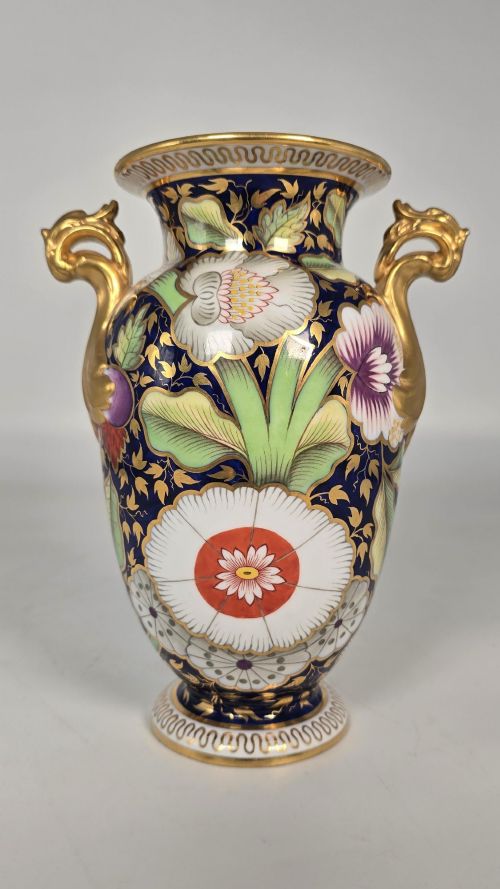
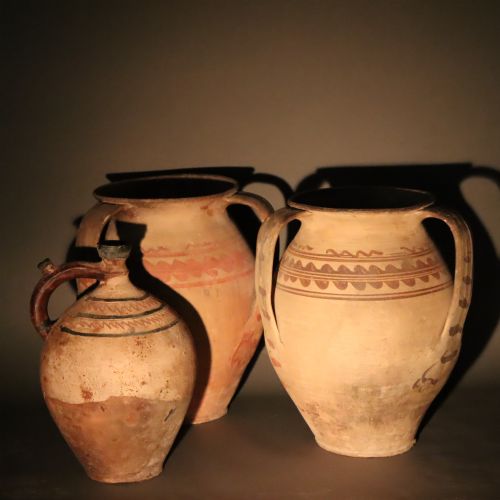
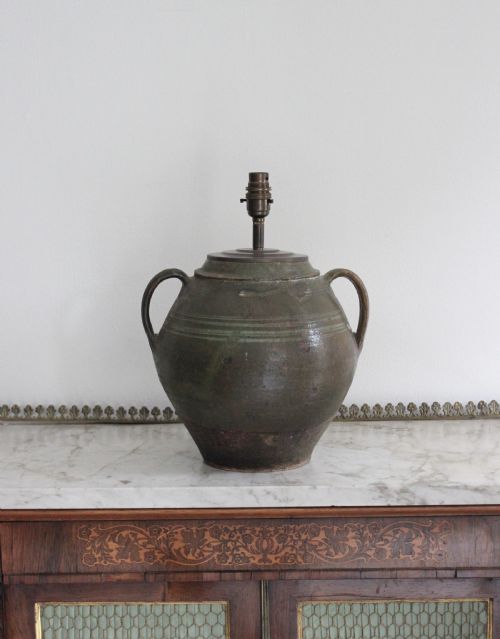
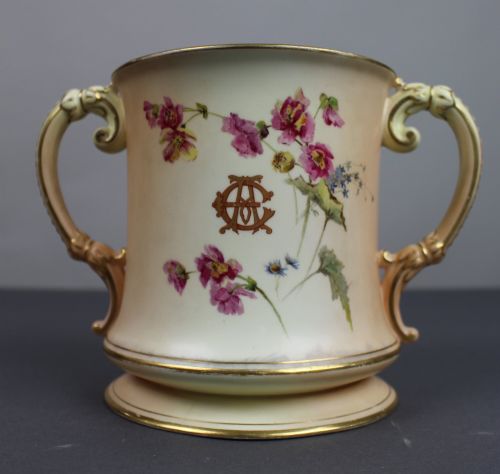
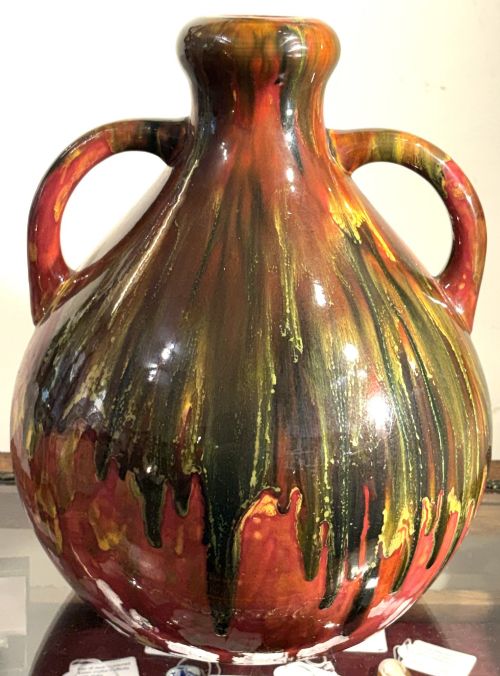
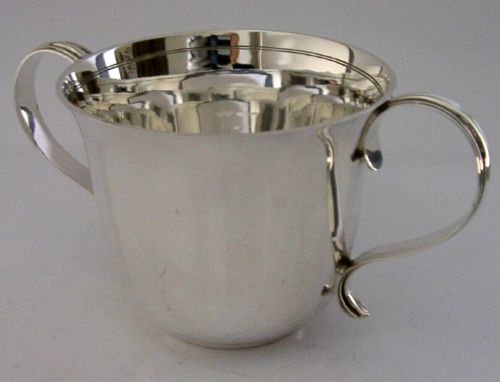
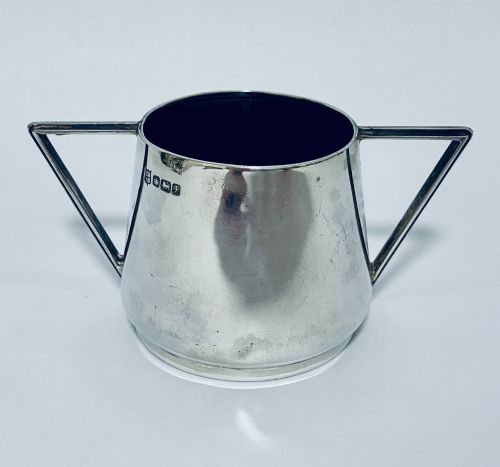
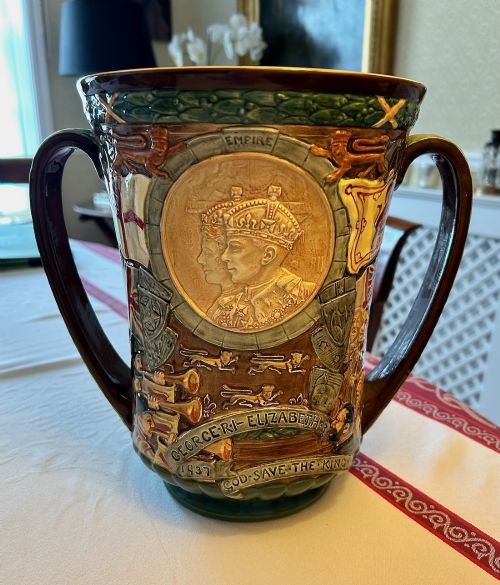
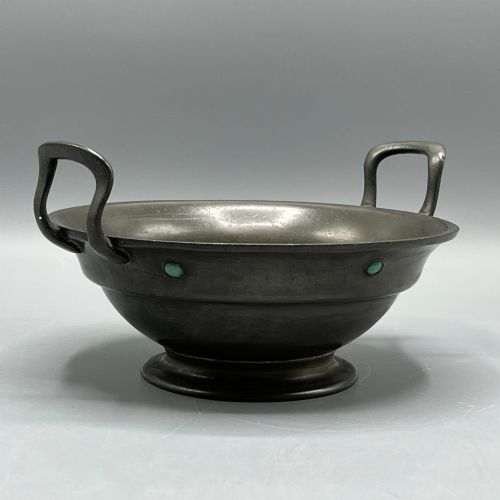
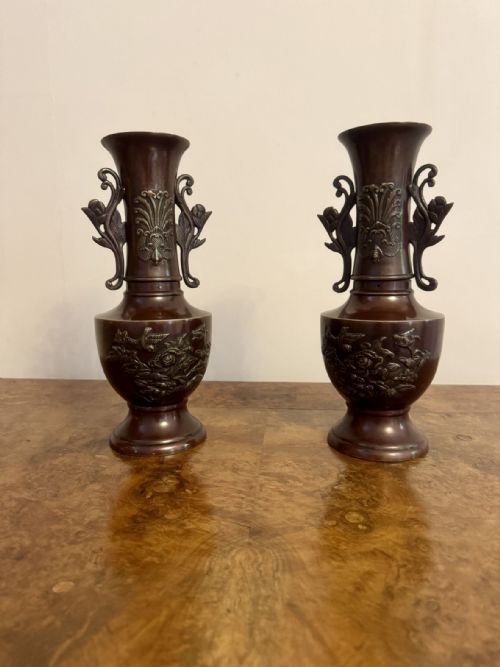
A twin handled vessel encompasses diverse forms such as loving cups, vases, porringers, and posset pots originating from the eighteenth, nineteenth, and early twentieth centuries. These pieces display balanced opposing handles designed for ceremony, display, or domestic service.
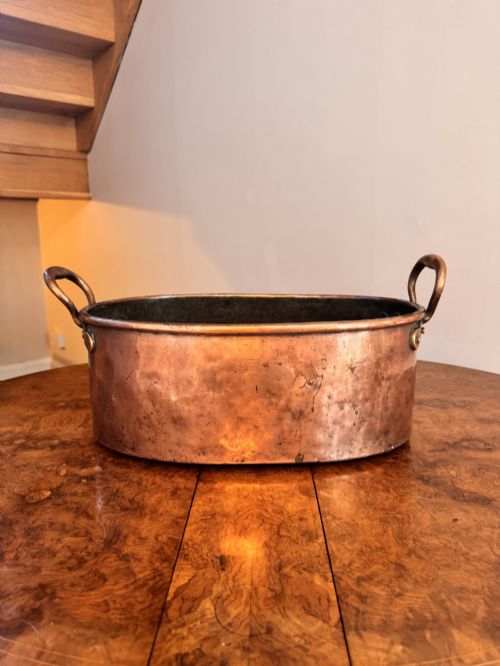
The selections span Victorian, Edwardian, Art Nouveau, and Art Deco styles, alongside Japanese Meiji examples and Arts and Crafts copperware. Ceramic bodies, cast bronzes, and gleaming silver dominate the forms encountered here.
Buyers frequently encounter English porcelain from factories like Royal Worcester and Derby, alongside continental earthenware and Japanese bronze works. Each piece reflects the aesthetic priorities of its specific period of production.
Materials and construction methods
Ceramic vessels rely on earthenware, porcelain, or ironstone bodies shaped by hand or mould, then finished with fluid glazes, enamel, or hand-painted decoration featuring gold leaf and gilt detailing.
Metal items utilise cast bronze, brass, pewter, and sterling silver, often shaped through hammering or turning before receiving patination, cabochon set stones, or intricate cloisonné enamelling.
Makers combine traditional firing techniques with careful surface embellishment, ensuring that handles are securely integrated into the main body during formation or subsequent assembly.
Twin Handled Vessel Retail Price Guide 2026
Typical asking prices for twin handled vessel among the pieces listed under this phrase on Sellingantiques today, from the lower quarter to the upper quarter. They describe what is for sale here now, not the wider market.
Some nineteenth-century loving cups feature hidden frogs peering up from the interior base to surprise the thirsty drinker.
Judging the standard of execution
Quality rests upon the crispness of the modelling, the precision of the hand-painted or enamelled details, and the proportional harmony between the twin handles and the central body. Superior examples demonstrate confident brushwork and balanced weight.
The integration of handles reveals much about the maker's skill, distinguishing mass-produced items from finely potted or cast works that require advanced technical proficiency to prevent distortion during firing or cooling.
Royal Worcester·Burmantofts·Liberty & Co·Derby Porcelain·Brannam Art Pottery·Alexandra Porcelain Works Ernst Wahliss·A Macintyre & Co
The Twin Handled Vessel Glossary
- Loving cup
- A large drinking vessel fitted with two or three handles, traditionally passed among guests during celebrations and feasts.
- Porringer
- A small, shallow bowl furnished with one or two horizontal handles, used historically for porage, broth, or as a sugar basin.
- Posset pot
- A spouted or handled vessel designed for holding posset, a hot curdled drink made of milk and ale.
- Cloisonné
- A decorative technique where metal wire outlines compartments on a bronze or copper base, which are then filled with enamel paste and fired.
- Moon flask
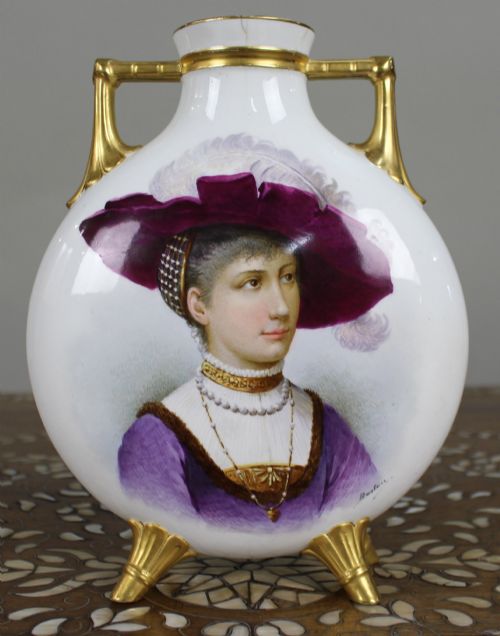
- A flattened circular ceramic flask featuring a short neck and two small loop handles, inspired by ancient pilgrim flasks.
Twin Handled Vessel: Frequently Asked Questions
What were twin handled vessels used for?
These vessels served numerous domestic and ceremonial functions, ranging from holding cut flowers and potpourri to sharing drinks at communal gatherings.
Loving cups and posset pots played central roles in toasts and celebrations, while porringers and sugar basins functioned in daily dining routines.
How do I care for antique ceramic and metal vessels?
Keep ceramic pieces away from direct sunlight to protect delicate enamel and gilt decoration from fading over time.
Dust bronze and silver items gently with a dry cloth, avoiding harsh commercial polishes that can strip historical patination from the metal surface.
How can I distinguish Victorian pieces from earlier eras?
Victorian examples often display eclectic revival styles, bolder polychrome palettes, and mechanical manufacturing marks characteristic of nineteenth-century industrial expansion.
Eighteenth-century counterparts tend to feature hand-mixed soft-paste bodies, delicate hand-painted botanical motifs, and forms shaped by traditional potting methods.
Are bronze vessels from Japan different from European ones?
Japanese Meiji bronzes frequently incorporate organic motifs, patinated finishes, and distinct casting techniques such as the mimikuchi ear handles.
European bronzes of the same period often lean towards classical revival shapes or the fluid, organic curves of the Art Nouveau movement.