
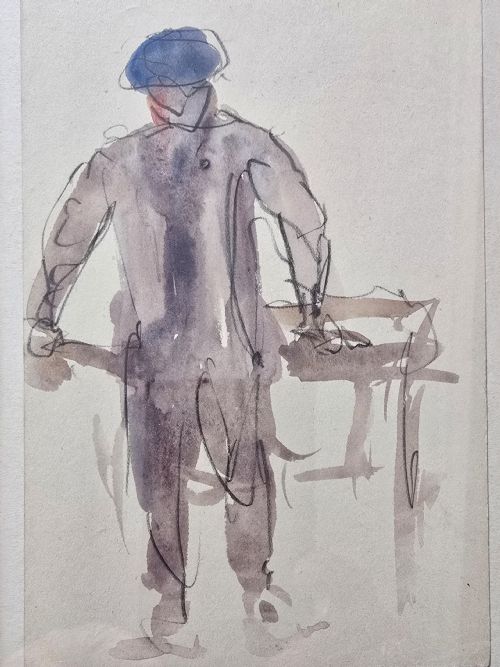


Twentieth Century Figurative Painting
Twentieth century figurative painting captures the human form through oil, watercolour and canvas across diverse modernist styles.
Twentieth Century Figurative Painting
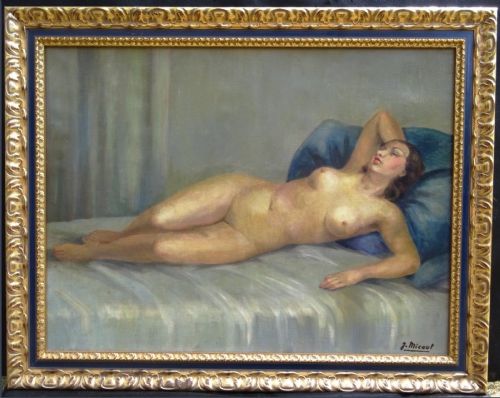
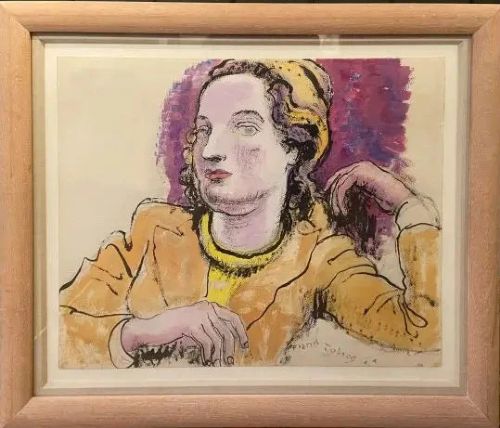
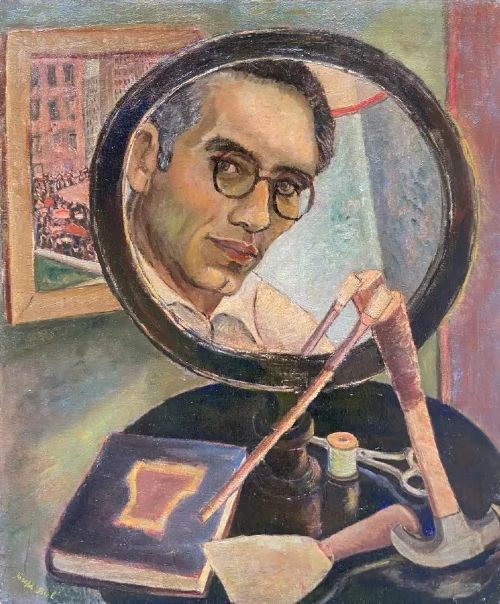
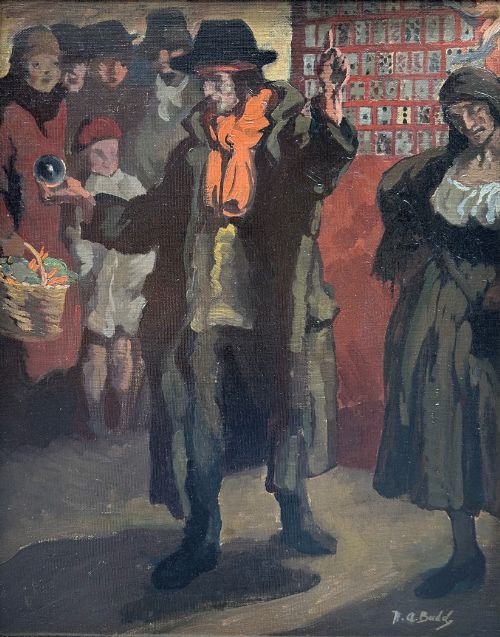
Twentieth century figurative painting spans portraits, genre scenes and mythological narratives created across several decades. Buyers find works originating from the nineteen hundreds up to the nineteen sixties, reflecting evolving artistic movements.
The selection here encompasses British Impressionism, Modern British, French Art Deco and Mid-Century Realism. Portraiture and human subjects dominate the canvases and papers currently presented.
Works range from intimate watercolours to large oil paintings on canvas and wood. Many pieces capture specific cultural narratives, theatrical subjects and domestic moments.
Materials and methods
Artists worked primarily in oil paint and watercolour, applying pigments to prepared canvas, wood panels or paper supports. Brushwork varies from precise academic realism to looser impressionistic strokes.
Supports often bear the marks of their era, including period stretchers and framing appropriate to early twentieth century presentation. Watercolour works utilise fine paper stocks, sometimes mounted and framed behind glass.
Listings feature works executed on canvas, wood and paper using oil and watercolour across multiple decades.
Evaluating quality
Quality rests on the confidence of the draughtsmanship and the artist's handling of pigment and light. Superior works demonstrate anatomical conviction and atmospheric depth rather than mechanical precision.
The strength of the composition and the preservation of the original surface condition dictate the standing of a piece. Works retaining their initial character without heavy restoration command greater artistic interest.
Frank Dobson·Joseph Biel·Herbert Ashwin Budd·Michael Healy·Antoine Calbet·Gabriel Dauchot·Septimus Scott·Friedrich von Kaulbach·Pinchus Kremegne·Richard Geiger·Yves Brayer·Owen Bowen·Harry J Pearson·William Lee Hankey·Frank Samuel Eastman
The Twentieth Century Figurative Painting Glossary
- Canvas
- A heavy woven fabric stretched across a wooden frame to serve as a support for oil paint. It provides a textured surface that interacts with the applied pigments.
- Watercolour
- A paint consisting of pigment suspended in a water-soluble binder, typically applied to paper. This medium allows for translucent washes and delicate tonal shifts.
- Genre painting
- The pictorial representation of scenes from everyday life, typically involving ordinary people in domestic or social settings. These works offer social history alongside artistic merit.
- Impressionism
- An art movement focused on capturing the visual impression of the moment, particularly shifting light and colour. Practitioners favoured visible brushstrokes and open compositions.
- Provenance
- The chronology of the ownership, custody or location of a historical artwork. Documented lineage strengthens the historical context of a piece.
Twentieth Century Figurative Painting: Frequently Asked Questions
What defines twentieth century figurative painting?
These works depict the human form using oil and watercolour across movements like Modern British and French Art Deco. They reflect changing artistic philosophies regarding realism and expression throughout the era.
Subjects range from formal studio portraits to narrative genre scenes and mythological depictions. The focus remains consistently on human presence and character.
How do I care for oil and watercolour?
Keep oil paintings away from direct heat sources and damp environments to protect the canvas and wood supports. Dust gently with a soft dry brush without applying pressure.
Display watercolours away from direct sunlight to prevent fading of the paper and pigments. Ensure framed pieces maintain stable humidity levels behind glass.
How are periods identified?
Dating relies on stylistic markers, artist signatures, framing and materials typical of decades such as the nineteen twenties or fifties. Costume and interior details within the portraits also offer chronological clues.
Examine the reverse of the canvas or paper for artist inscriptions, gallery labels and date stamps. These elements help anchor the work to a specific period.
What is the difference between oil and watercolour?
Oil paint utilises a drying oil binder, allowing for thick impasto marks, blending and rich colour saturation on canvas or wood. It offers a durable surface that develops a natural patina over time.
Watercolour employs a water-based binder on paper, creating luminous transparent effects and delicate washes. These works require protective framing under glass to prevent moisture damage.