

Turning Wood Armchair
A turning wood armchair brings robust vernacular charm and tactile grain into a room, offering sturdy seating grounded in centuries of British country craftsmanship.
Turning Wood Armchair
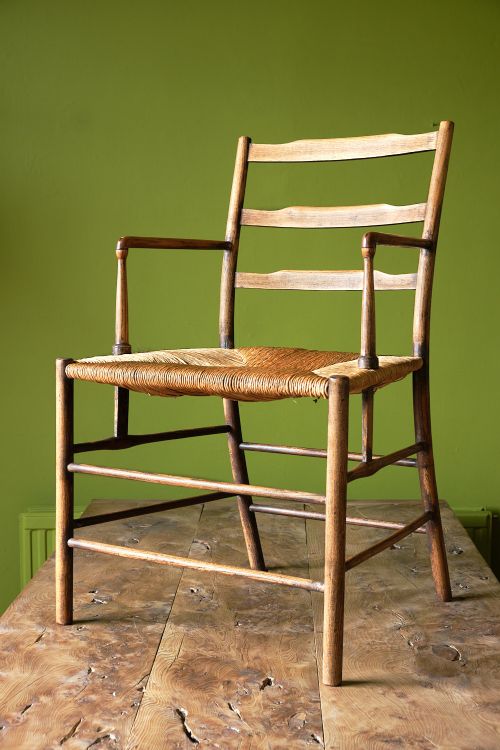
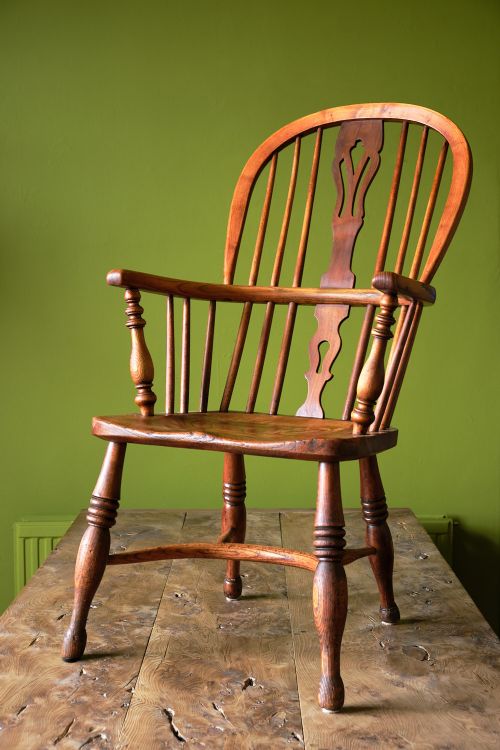
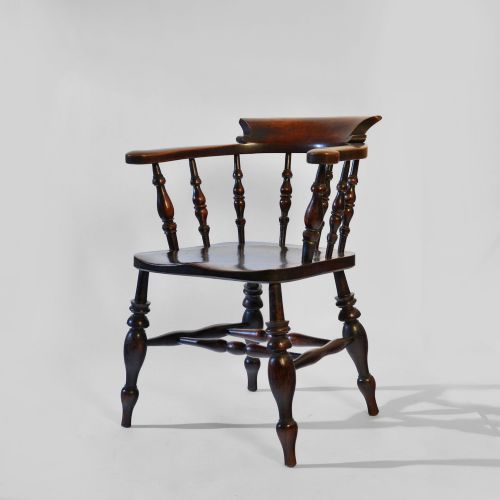
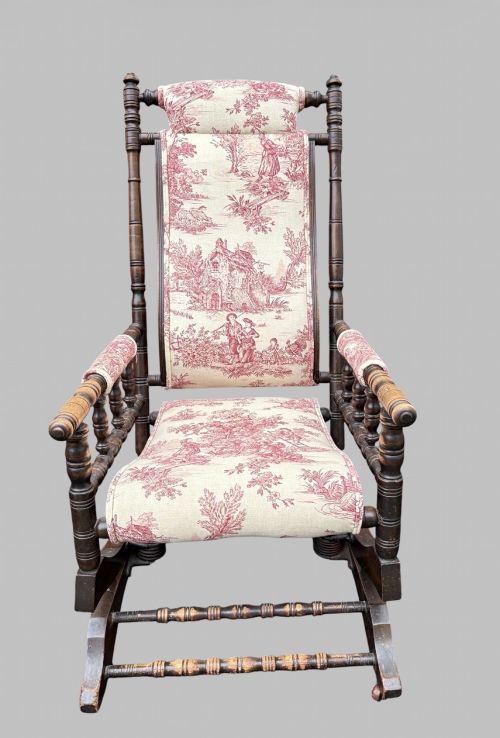
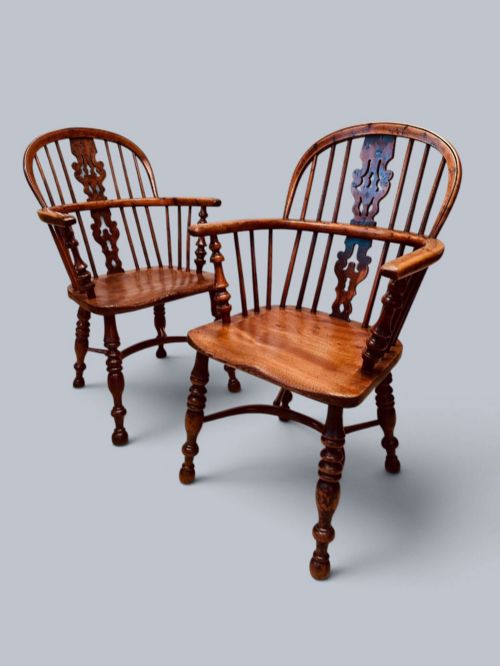
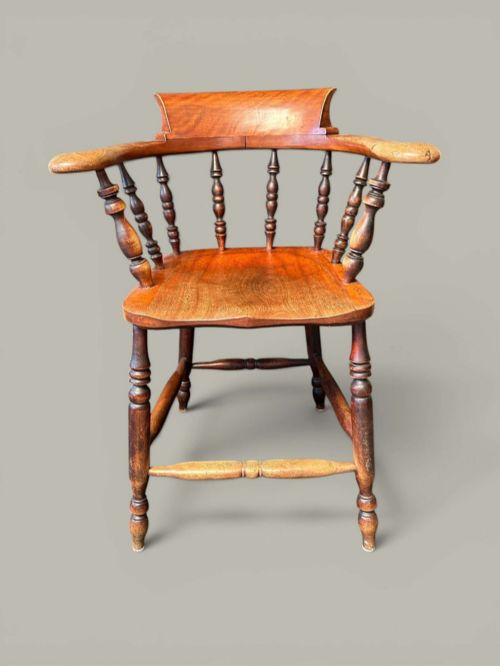
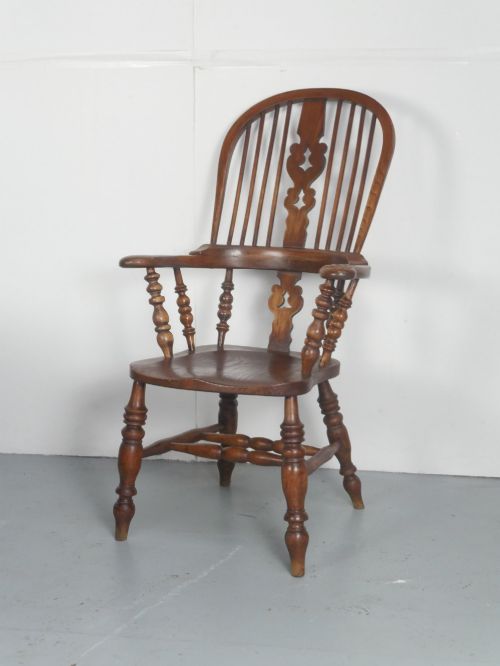
A turning wood armchair encompasses robust vernacular seating built across the eighteenth and nineteenth centuries, spanning Victorian, Arts and Crafts, and English Country styles. Buyers searching this phrase meet sturdy forms like Windsor armchairs, smokers bows, and bobbin-turned frames.
The material palette draws heavily on native timber, pairing elm, ash, and beech seats with turned structural elements. These chairs originated in farmhouse kitchens, country houses, and provincial workshops, evolving into distinct regional types such as Thames Valley and Mendlesham chairs.
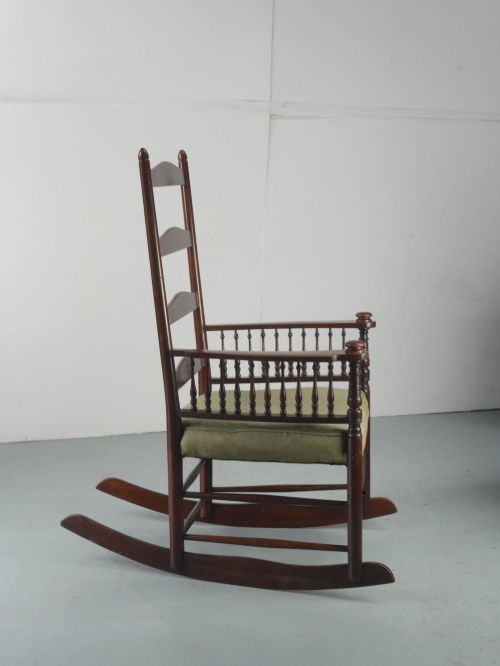
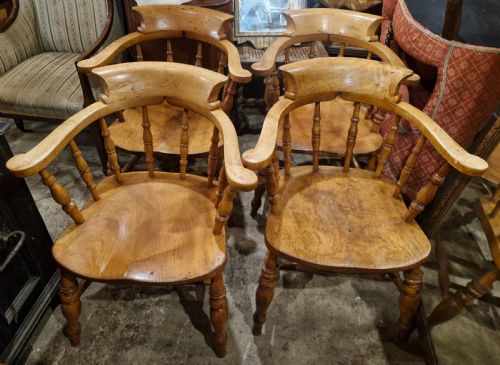
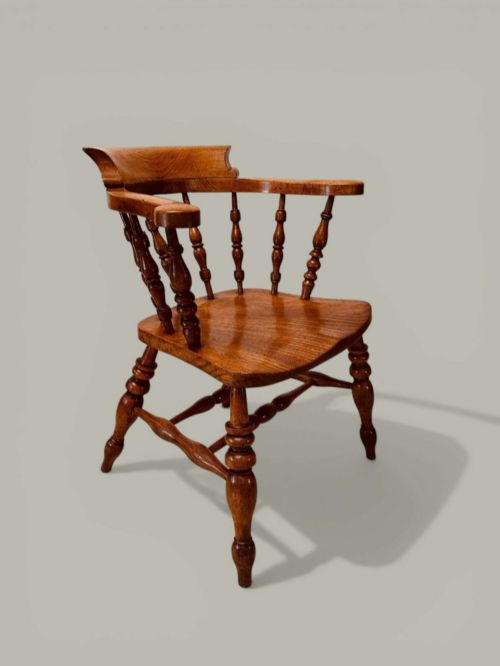
Workmanship relies on traditional bodging and joinery, where turned spindles meet solid plank seats. The selection ranges from high-back kitchen armchairs to captains chairs and rocking variants, each shaped for daily domestic utility.
How they were made
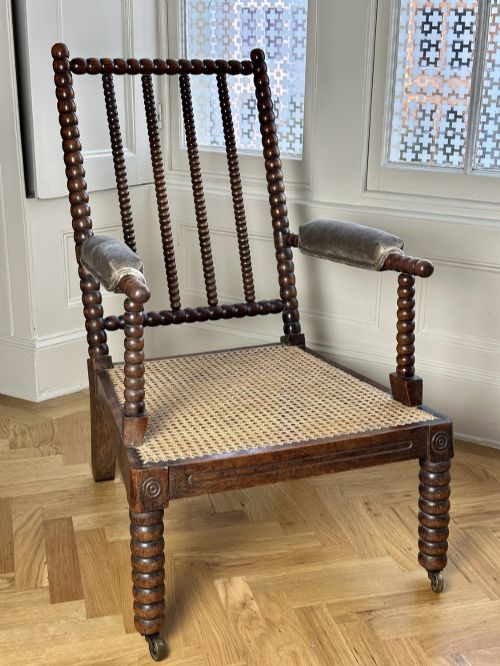
Construction relies on native hardwoods like oak, elm, ash, yew, and beech, selected for strength and flexibility in the steam-bending and turning processes. Turners shaped components on pole lathes, producing crisp bobbin, spool, and spindle motifs that form the structural framework.
Seats are typically carved from single planks of solid elm, hollowed out for comfort and pegged to receive legs, arms, and backbows. Finish is applied using traditional methods, preserving the natural grain of woods such as laburnum and mahogany.
Turning Wood Armchair Retail Price Guide 2026
Typical asking prices for turning wood armchair among the pieces listed under this phrase on Sellingantiques today, from the lower quarter to the upper quarter. They describe what is for sale here now, not the wider market.
Some nineteenth-century makers used simulated rosewood paint finishes on humble beech to trick guests into seeing exotic timber.
What varies in quality
Quality rests in the harmony of timber selection, such as figured yew or dense elm, paired with crispness in the lathe turning. A superior piece displays balanced proportions, tight joints, and an honest patination gained from generations of use.
Construction integrity separates standard utility chairs from finer regional iterations, visible in the careful tapering of spindles and the depth of saddle seats. Original surface finishes without excessive modern intervention command greater appreciation among collectors.
Morris & Co·C. Hindley & Sons·Mellier & Co·J Spencer
The Turning Wood Armchair Glossary
- Bobbin turning
- A form of lathe work creating a series of rounded spheres resembling bobbins or spools along the length of a wooden shaft. This technique appears frequently on Victorian frames.
- Windsor chair
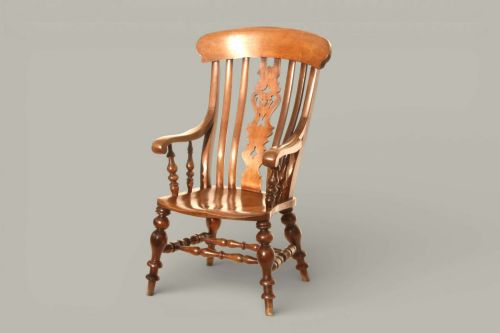
- A wooden chair built with a solid plank seat into which the legs and back spindles are independently inserted. Regional varieties include bowback, hoop back, and wheel-back designs.
- Smokers bow
- A low-backed armchair with a continuous curved armrail supported by turned spindles, traditionally found in inns and farmhouse parlours.
- Bodger
- A woodland woodworker who turned chair legs and spindles on a pole lathe close to the timber source. Their components supplied regional chair makers.
- Vernacular furniture
- Domestic pieces built by local craftsmen using traditional regional designs and native materials rather than adhering to metropolitan fashion styles.
Turning Wood Armchair: Frequently Asked Questions
What is a turning wood armchair?
A turning wood armchair is a seat featuring prominent lathe-turned wooden spindles, legs, or arm supports, often originating from nineteenth-century English country workshops.
These chairs utilise native timbers such as ash, elm, and beech, combining structural turning with comfortable solid wooden seats.
How do I style a turning wood armchair?
These armchairs suit rustic, traditional, and eclectic modern interiors where natural wood grain adds texture and warmth. Placing one beside a fireplace or in a study highlights its sculptural turned frame.
Prioitise placement in dry interior spaces away from direct heat sources to protect the historic timber and joints.
How are Windsor and turned armchairs different?
A Windsor armchair specifically relies on a solid saddle-shaped wooden seat into which the legs and back components are bored and wedged. Turned armchairs encompass a broader category defined by lathe-worked framing, which may include Windsor styles as well as bobbin-framed seating.
Both types celebrate exposed wood construction, but Windsor pieces feature distinctive bow or hoop backs joined directly to the seat plank.
How do I identify Victorian turned chairs?
Victorian examples frequently display deep-coloured elm, beech, or ash timbers, alongside precise bobbin or spindle turning characteristic of mid to late nineteenth-century production. Look for construction methods like wedged tenons and traces of original finish beneath the surface patination.
Regional variations and workshop stamps sometimes provide additional clues to exact dating and origin.