


Turning Bookcase
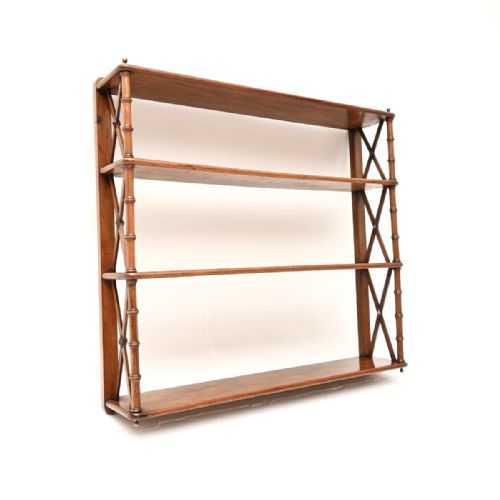
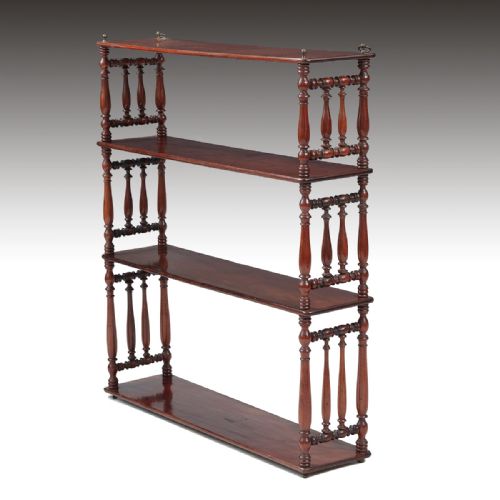
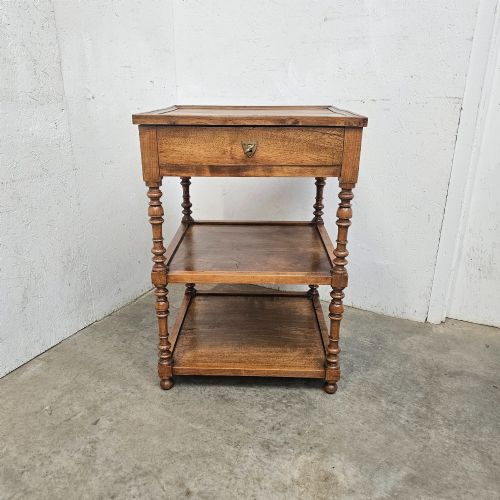
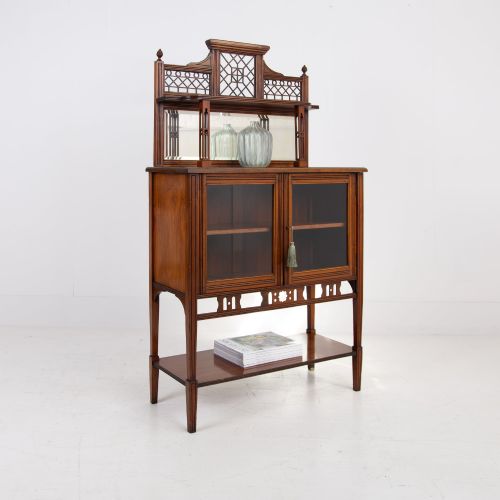
A turning bookcase is a rotating furniture piece designed to hold volumes within reach, and these examples bring timber construction to studies and living spaces.
Turning Bookcase
A turning bookcase provides accessible storage for volumes by rotating on a central axis, and the selection here includes revolving stands alongside related tiered furniture.
The pieces span periods from the Georgian era through to the Edwardian period, appearing in forms such as compact revolving book stands and wider library pieces.
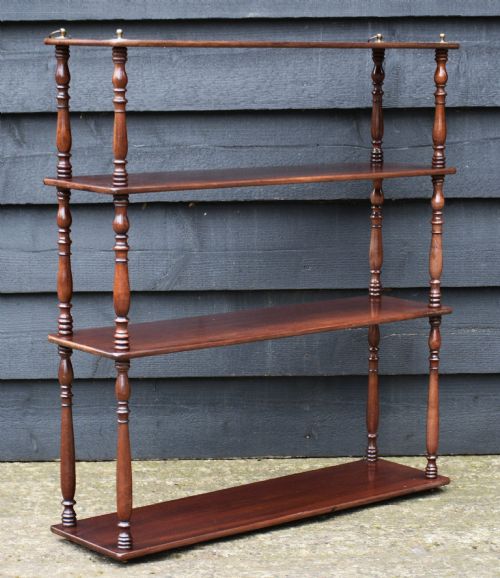
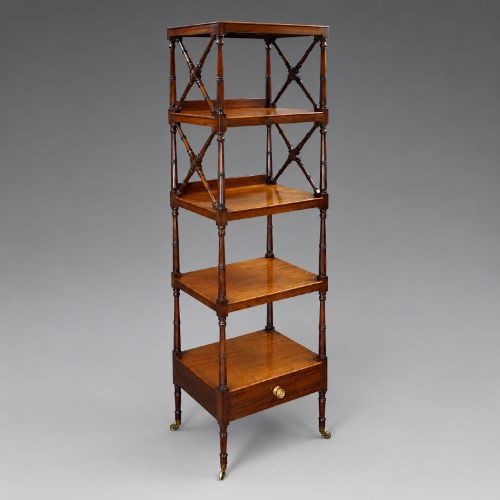
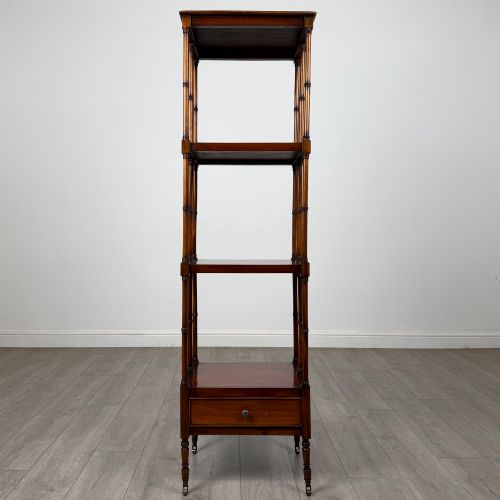
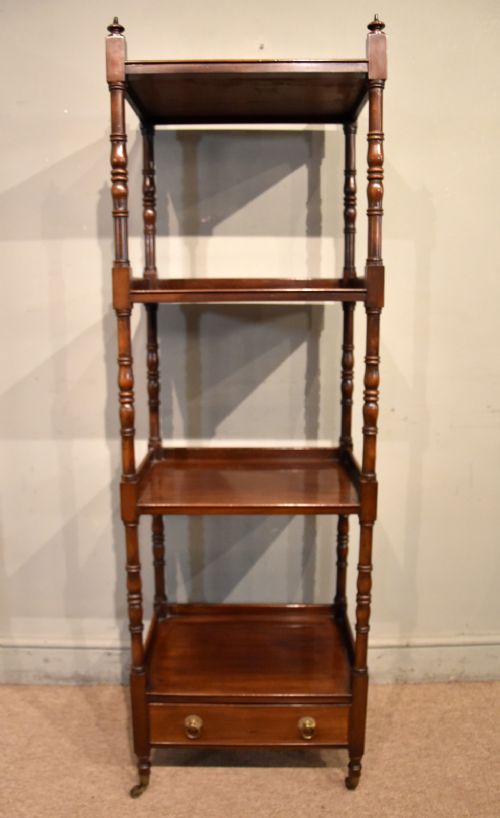
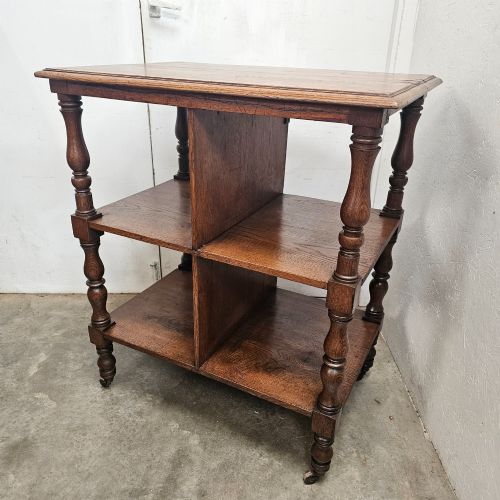
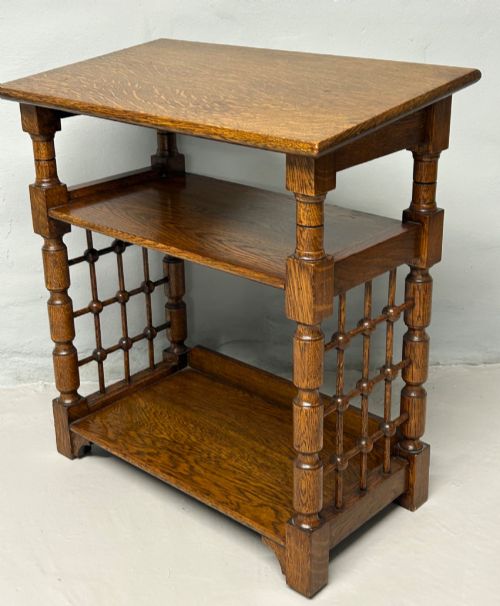
Makers utilised various timbers, constructing revolving bookcases and static shelving units in mahogany, walnut, and oak to suit domestic library requirements.
Materials and construction
Cabinet makers constructed turning bookcases using hardwoods like mahogany, walnut, and oak, often incorporating turned wooden supports and brass details.
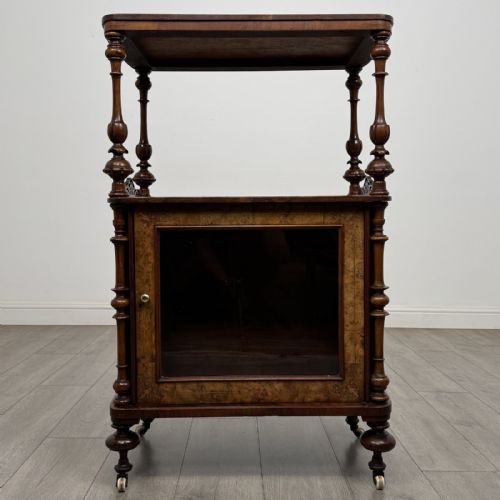
Joints and rotating mechanisms relied on traditional carpentry, while decorative elements included inlaid timbers and glazed doors on cabinet variants.
Turning Bookcase Retail Price Guide 2026
Typical asking prices for turning bookcase among the pieces listed under this phrase on Sellingantiques today, from the lower quarter to the upper quarter. They describe what is for sale here now, not the wider market.
Early library innovators designed these rotating stands so readers could consult an entire shelf of encyclopaedias without moving their chairs.
Assessing quality in revolving furniture
Superior execution shows in the smoothness of the turning action and the stability of the revolving mechanism under the weight of books.
The grade of timber selection and the crispness of turned pillars distinguish finer examples from simpler utility pieces.
The Turning Bookcase Glossary
- Revolving bookcase
- A freestanding bookcase designed to rotate on a central pivot base for easy access to volumes from any angle.
- Whatnot
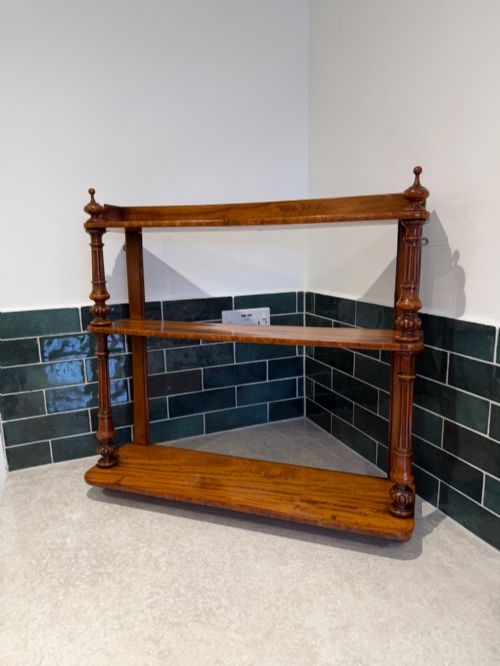
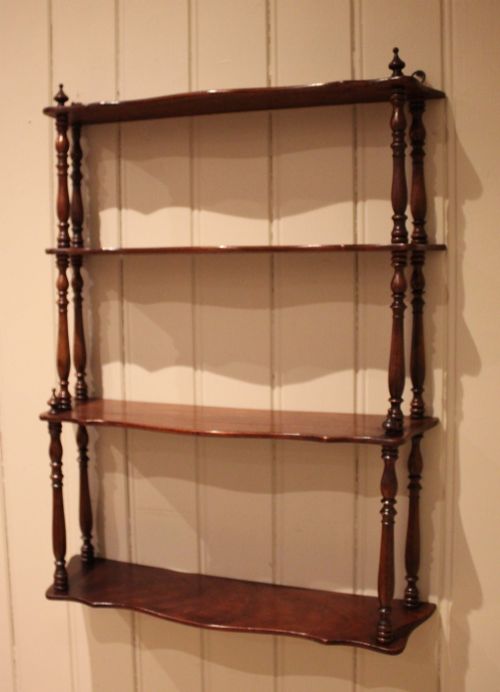
- An open tiered piece of furniture used for displaying or storing books and decorative objects.
- Etagere
- A set of open shelves for displaying ornaments and small books, popular in nineteenth-century interiors.
- Bureau bookcase
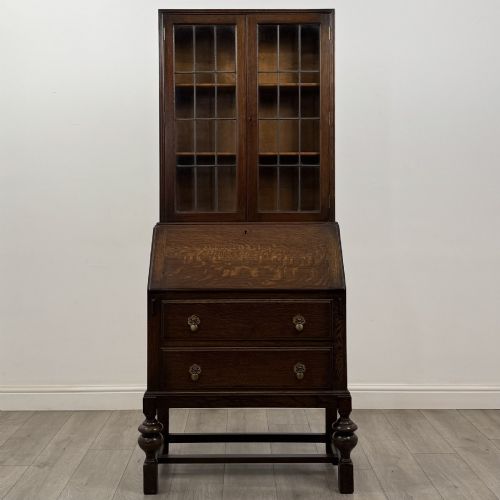
- A combination of a sloping writing desk and enclosed shelving above, often fitted with drawers.
Turning Bookcase: Frequently Asked Questions
How do turning bookcases work?
A turning bookcase operates on an internal pivot or spindle mechanism concealed beneath the shelving tiers. This allows the entire wooden structure to rotate smoothly in a circle.
Owners position these pieces beside armchairs or in corners to keep a selection of volumes close at hand without taking up excessive floor space.
Where should I place a revolving bookcase?
These pieces suit studies, libraries, and living rooms where access to multiple books from a seated position is useful. Freestanding revolving models require clearance on all sides to spin freely.
Placing them away from direct heat sources helps protect the timber and prevents the rotating mechanism from binding over time.
What woods were used for these bookcases?
Cabinet makers predominantly worked with hardwoods such as mahogany, walnut, and oak for their structural strength and appearance. Some variations also feature ebonised wood or inlaid decorative details.
The choice of timber typically reflects the prevailing style of the period, ranging from Georgian mahogany to Edwardian walnut.
How do I care for a turning bookcase?
Maintenance involves dusting the wooden surfaces regularly and occasionally applying appropriate wax to nourish the grain. The central pivot benefits from checking to ensure the rotation remains balanced.
Distributing the weight of the books evenly across the tiers keeps the revolving action steady and prevents strain on the timber structure.