

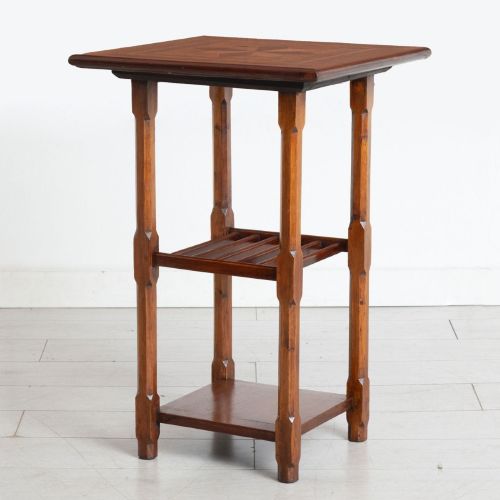
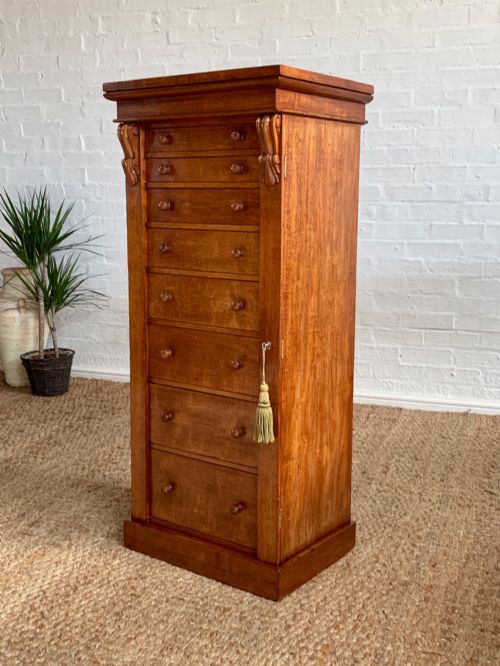
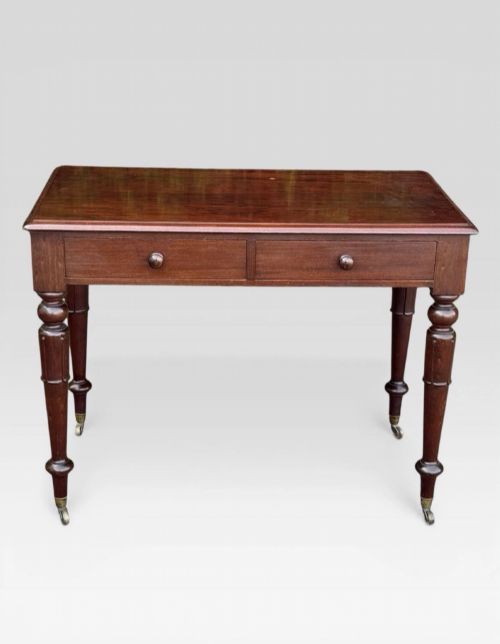


Turned Wood Side Cabinets
Turned wood side cabinets are sturdy and useful pieces of furniture defined by lathe-turned supports, offering practical storage and display surface for any room.
Turned Wood Side Cabinets
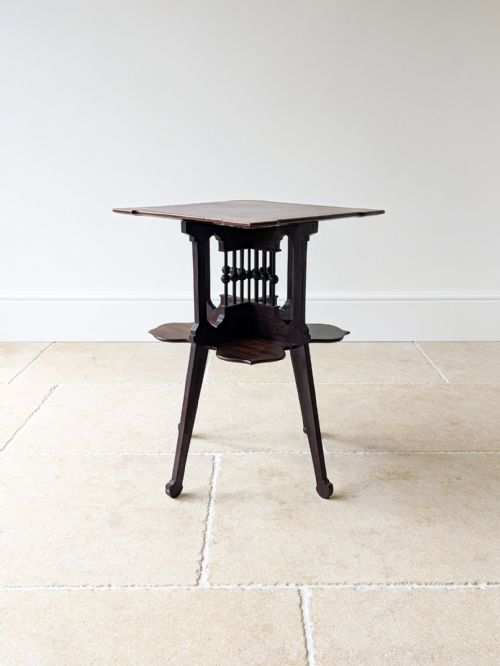
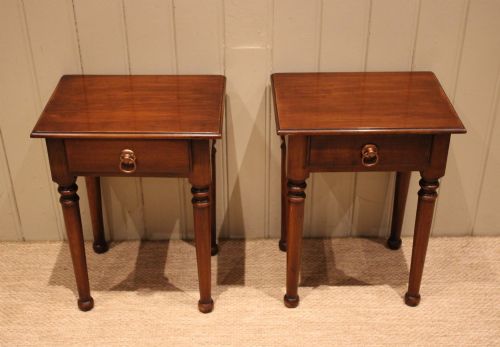
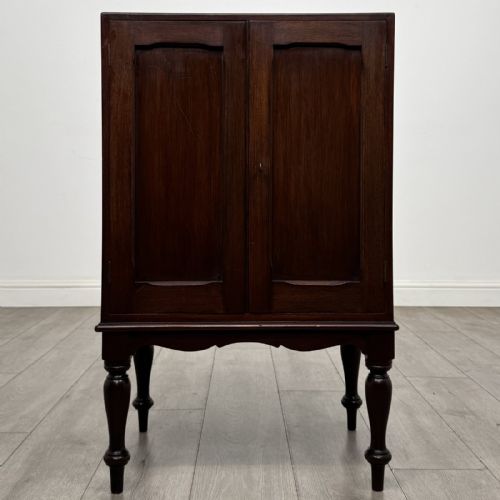
Turned wood side cabinets appear across multiple eras including Georgian, Victorian, and the early twentieth century, spanning forms such as bedside tables, lamp tables, and small side cabinets. These pieces often feature distinctive turned legs, baluster columns, or knobs that define their architectural silhouette.
The selection ranges from French cherry wood bedside units to English mahogany side tables and ebonised canterburys. Buyers encounter various utilitarian and display forms tailored for compact spaces alongside larger multi-tiered whatnots.
Origins stretch from regional British workshops, including Edinburgh cabinet makers, to continental French provinces, providing diverse regional interpretations of turned wood furniture.
How they were made
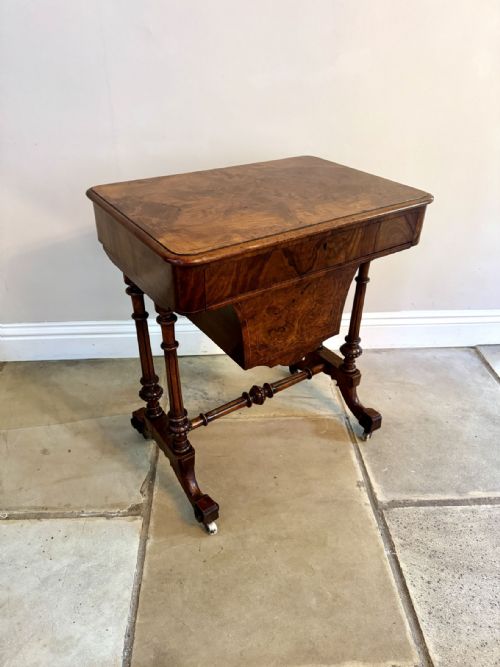
Construction relies heavily on dense hardwoods such as mahogany, walnut, and oak, often paired with decorative veneers like burr walnut, rosewood, and satin birch. Artisans shaped structural elements on a lathe to produce matching baluster turned legs and turned knobs.
Surface decoration incorporates detailed inlay work and contrasting timber specimens alongside traditional polishing techniques that highlight the natural grain of the cherry wood, mahogany, or oak.
Turned Wood Side Cabinets Retail Price Guide 2026
Typical asking prices for turned wood side cabinets among the pieces listed under this phrase on Sellingantiques today, from the lower quarter to the upper quarter. They describe what is for sale here now, not the wider market.
Listings feature mahogany, oak, cherry wood, walnut, burr walnut, and satin birch alongside brass hardware and inlaid timber.
What varies in quality
Quality rests on the selection and matching of timber figures, where richly grained mahogany, figured walnut, and exotic specimen woods elevate a piece far above plain utilitarian builds. The precision of the lathe work on baluster legs and applied knobs dictates the overall refinement of the cabinet.
Construction integrity shows in the joinery of the carcass and drawers, distinguishing bespoke workshop pieces by named cabinet makers from standard mass-produced examples of the period.
J A Mein Edinburgh Cabinet Maker
The Turned Wood Side Cabinets Glossary
- Baluster
- A vertical turned pillar with a swelling contour, commonly found supporting the legs of side tables and cabinets. It adds structural stability and decorative presence.
- Whatnot
- An open set of tiered shelves used for displaying ornaments or books, frequently supported by turned wooden columns. These pieces combine utility with decorative display.
- Canterbury
- A small compartmentalised stand designed for holding sheet music or periodicals, typically featuring turned spindle divisions. They often sit on low turned feet or castors.
- Veneer
- A thin layer of highly figured timber, such as burr walnut or rosewood, applied over a secondary wood base. This technique creates complex decorative surfaces across the cabinet front.
Turned Wood Side Cabinets: Frequently Asked Questions
What periods do these cabinets come from?
The available pieces span the Georgian era, the Victorian period, and into the early twentieth century including the 1920s and 1930s. This broad timeline encompasses various regional British and continental European designs.
Each era brings distinct proportions and timber preferences, moving from heavy mahogany designs to lighter French cherry wood bedside variants.
Where were turned wood cabinets used?
These compact pieces served versatile roles beside beds, next to seating areas, or as lamp tables in reception rooms. Their smaller footprints made them adaptable for multiple domestic spaces.
Cabinets with drawers or cupboards provided concealed storage for personal items, while open versions held books or display objects.
Which timbers appear most often?
Mahogany forms the primary material for many of the nineteenth-century pieces, accompanied by oak, walnut, and cherry wood. Decorative veneers like satin birch, rosewood, and burr walnut are also common.
Specimen wood and inlaid timber details frequently enhance the exterior surfaces of these tables and cabinets.
How do turned legs affect style?
Lathe-turned elements, such as baluster legs and original turned knobs, define the structural aesthetic of the furniture. They provide a rhythmic vertical detail that anchors the heavy timber carcass.
Different turning profiles reflect the prevailing taste of the maker's period, ranging from simple utilitarian supports to elaborate architectural columns.