

Turned Wood Seating
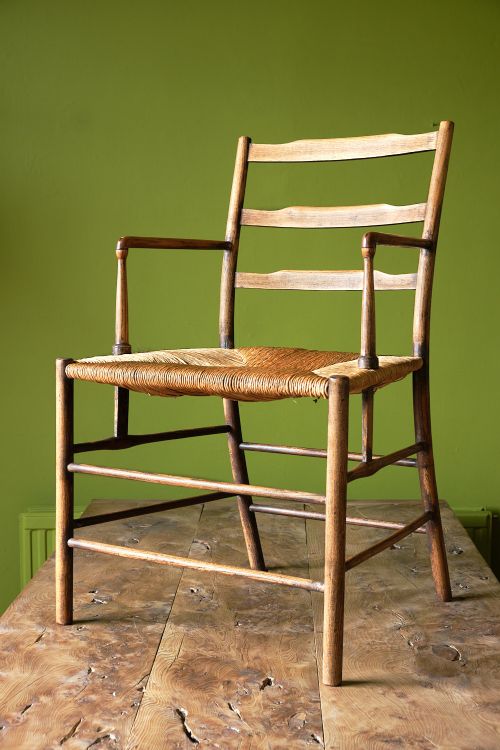
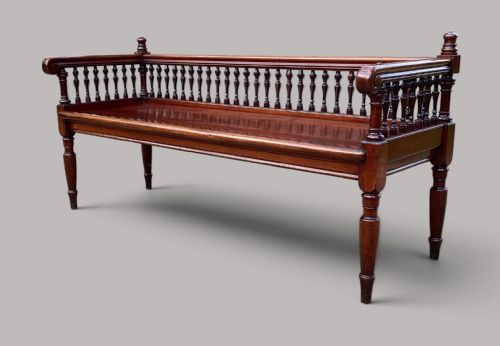
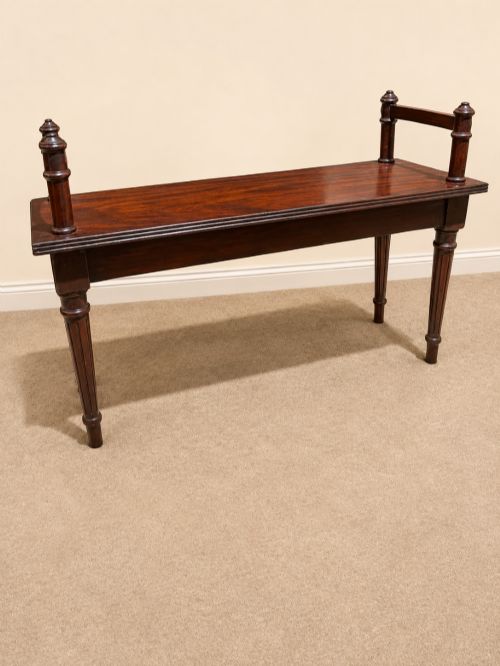
Turned wood seating brings together solid elm, ash, and oak chairs and benches crafted with lathe-turned spindles and legs for everyday utility and country warmth.
Turned Wood Seating
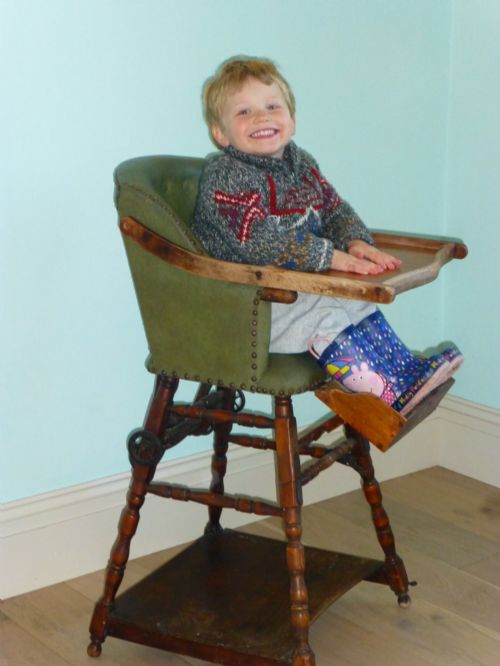
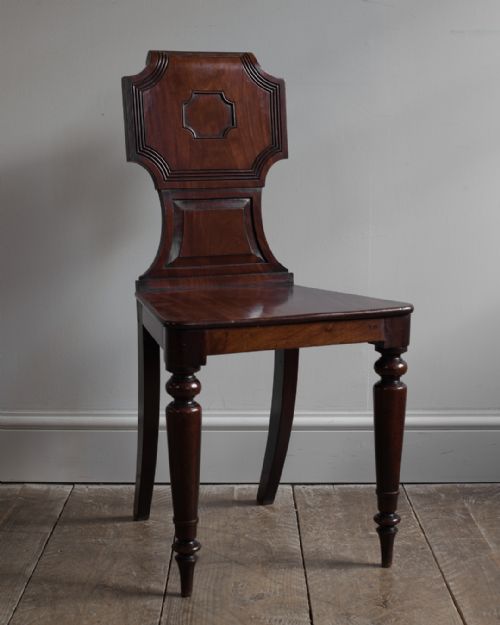
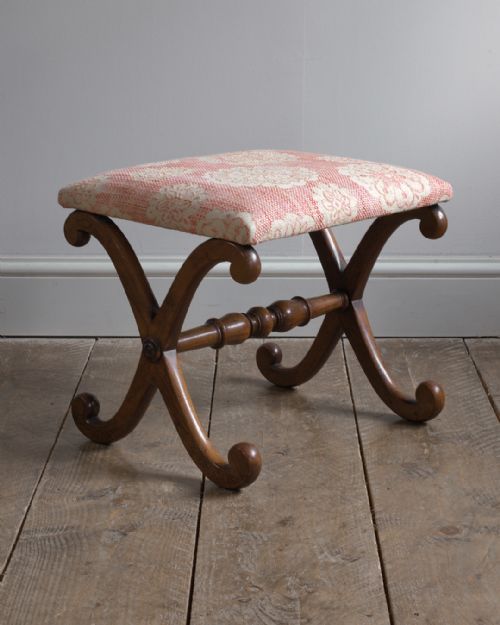
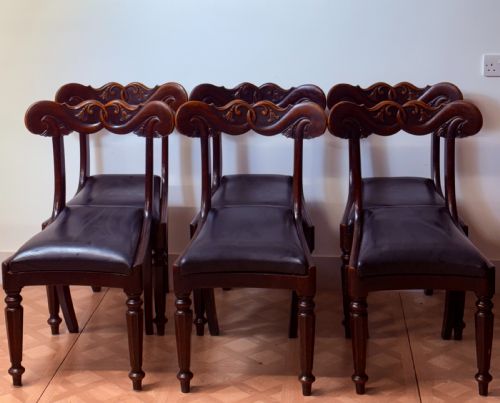
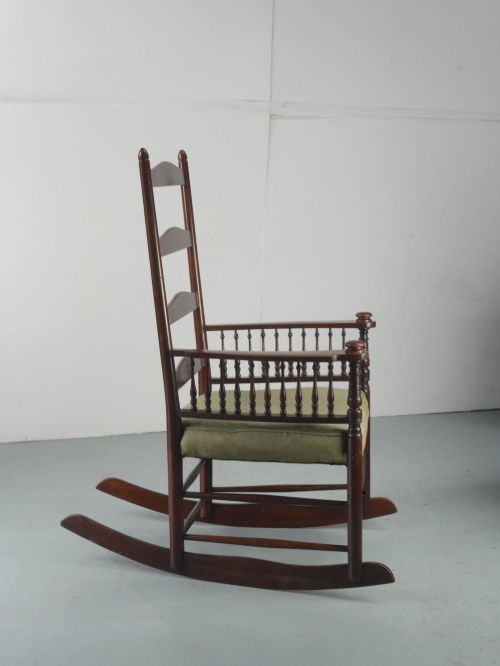
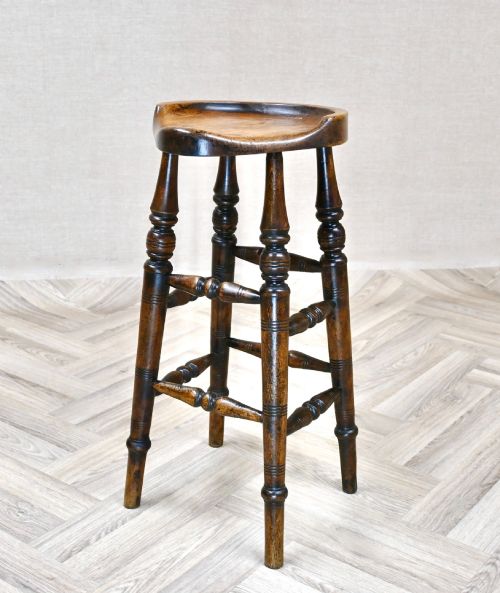
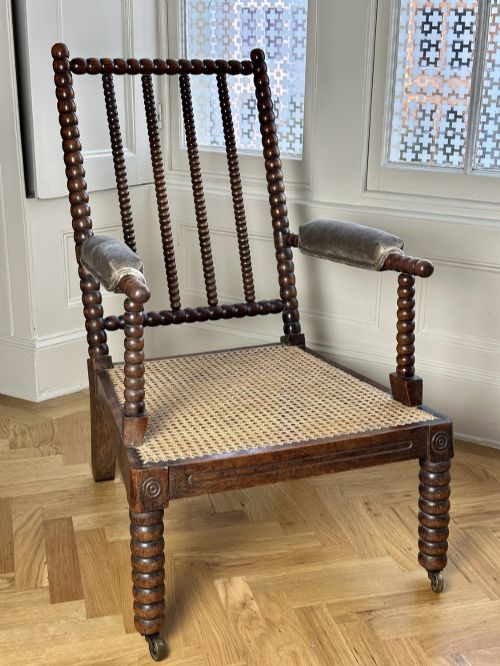
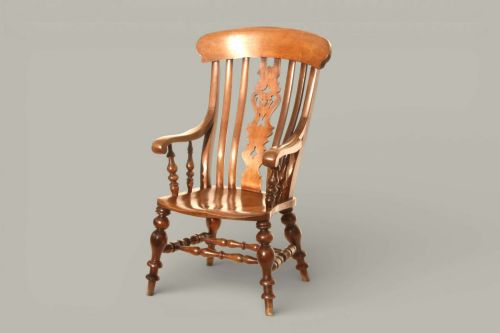
Turned wood seating encompasses practical domestic furniture such as Windsor armchairs, farmhouse kitchen chairs, tavern stools, benches, and side chairs shaped by 19th-century makers. Buyers seeking turned wood seating frequently encounter Victorian and Edwardian examples utilising robust regional timbers like elm, beech, and ash.
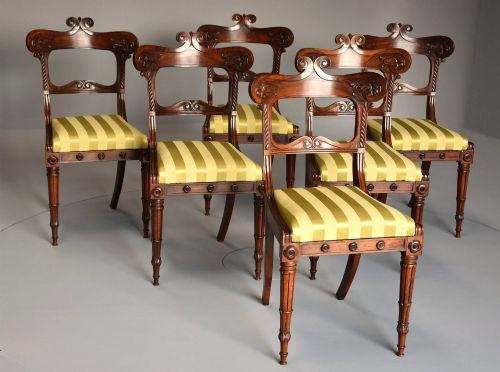
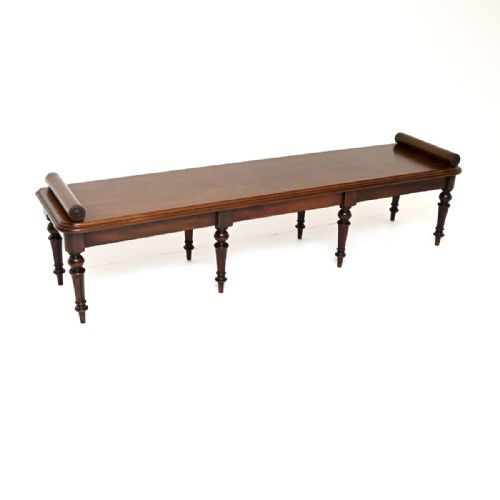
The selections span simple country workshop productions to more formal Regency and Victorian dining sets, window seats, and corner chairs. Forms range from low stools and high-back Windsor armchairs to long benches and spindle-back slipper chairs.
Regional variations appear clearly, including Thames Valley Oxford chairs, Mendlesham chairs, and Scottish country house seating. These pieces reflect the local vernacular traditions of British cabinet makers and rural turners.
Materials and construction methods
Craftsmen utilised combination timbers such as elm for solid saddle seats, ash or beech for resilient turned spindles and legs, and oak or mahogany for formal frames. Lathes shaped the cylindrical components, which were then joined using traditional pegged mortise and tenon joints.
Surfaces often retain original finishes, wax, or ebonised treatments, sometimes complemented by rush, cane, or fabric upholstery. The structural integrity relies on the direct turning of green or seasoned hardwoods rather than applied ornamentation.
Turned Wood Seating Retail Price Guide 2026
Typical asking prices for turned wood seating among the pieces listed under this phrase on Sellingantiques today, from the lower quarter to the upper quarter. They describe what is for sale here now, not the wider market.
Listings feature 19th-century and Edwardian pieces constructed from elm, oak, beech, ash, and mahogany across various domestic forms.
Distinctions in craftsmanship and condition
Quality rests in the proportional balance of the turned spindles, the choice of timbers, and the preservation of original patination across the seat and legs. A finer example maintains tight structural joinery without excessive replacement parts or modern hardware substitutions.
Regional specialisation and sophisticated turning work elevate certain chairs, such as Thames Valley or Mendlesham forms, above basic utilitarian kitchen seating. The integrity of the wood grain and the depth of the finish determine the distinction between ordinary workshop output and superior provincial craftsmanship.
Miles & Edwards·Morris & Co·Philip Webb
The Turned Wood Seating Glossary
- Spindle
- A cylindrical turned wooden rod used for the back support of a chair. Spindles are shaped on a lathe to create symmetrical decorative profiles.
- Windsor
- A traditional chair type featuring a solid wooden seat into which the legs and back spindles are directly socketed. They frequently incorporate bentwood bows.
- Patina
- The surface sheen and colour developed by aged wood through handling, waxing, and exposure over decades. A rich patina indicates undisturbed historical wear.
- Rush
- Dried marsh grass twisted into cords and woven to form flexible, durable chair seats. It appears frequently on country dining and side chairs.
- Ebonised
- Wood stained or painted black to imitate expensive ebony. This finish is common on Victorian and Arts and Crafts turned chairs.
Turned Wood Seating: Frequently Asked Questions
What is a Windsor chair?
A Windsor chair is a seating form where the legs and back components are fitted directly into a thick wooden seat rather than a traditional frame. They often feature bentwood bows and turned spindles.
These chairs served primarily as sturdy kitchen or writing seats in country homes and farmhouses throughout the 19th century.
How do I care for antique turned wood?
Maintain antique turned wood by applying a quality beeswax periodically and keeping the pieces away from direct heat sources and strong sunlight. Avoid harsh chemical cleaners that strip the finish.
Gentle dusting with a dry cloth preserves the underlying patina and prevents the timber from drying out.
Are these chairs suitable for daily dining?
Many turned wood chairs, particularly sets of dining chairs and kitchen seating, remain structurally sound for everyday use. Elm, ash, and oak provide durable frames designed for practical seating.
Check the joints and leg stability carefully before regular use to ensure the historical fixings remain secure.
How do I identify a regional style?
Regional styles reveal themselves through specific construction details, local timber choices, and distinct turning patterns on the spindles and legs. Examples like the Thames Valley Oxford chair show characteristic regional turning.
Comparing back designs and arm shapes helps attribute pieces to specific English or Scottish provincial workshops.