

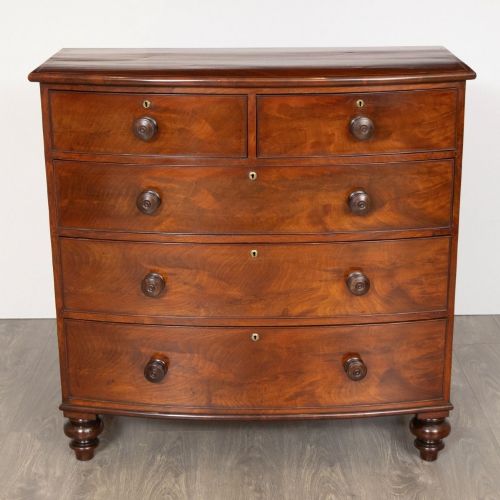
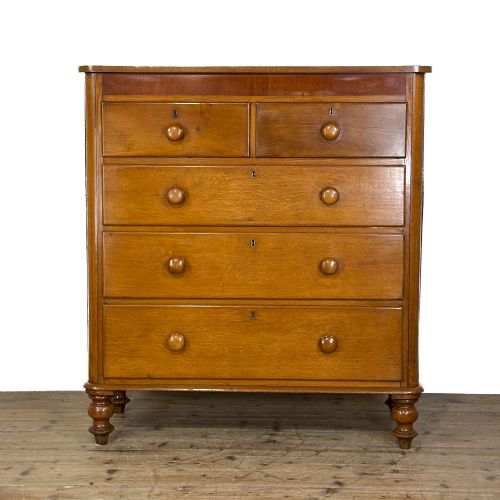

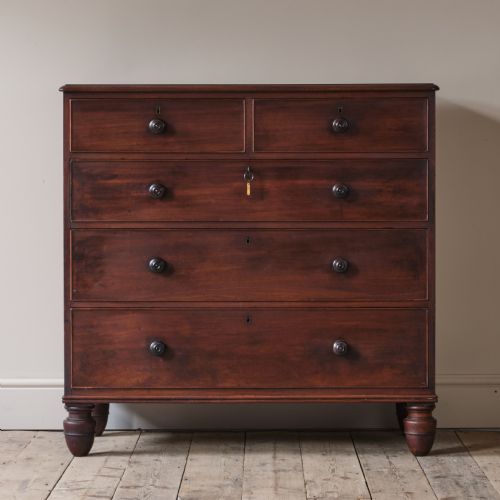
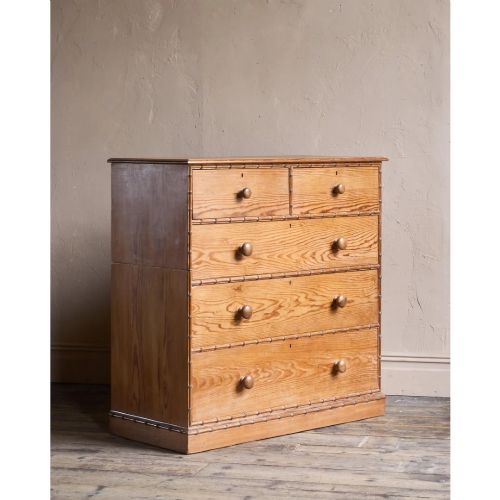
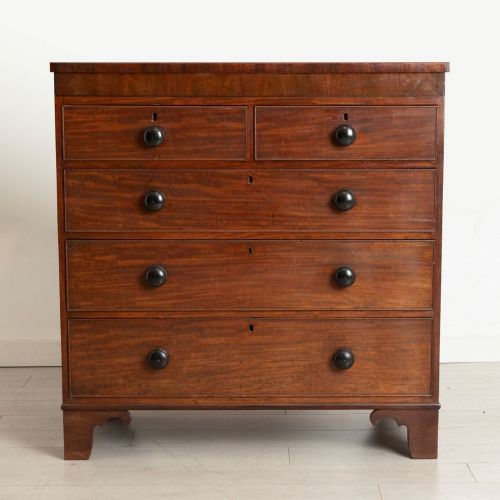
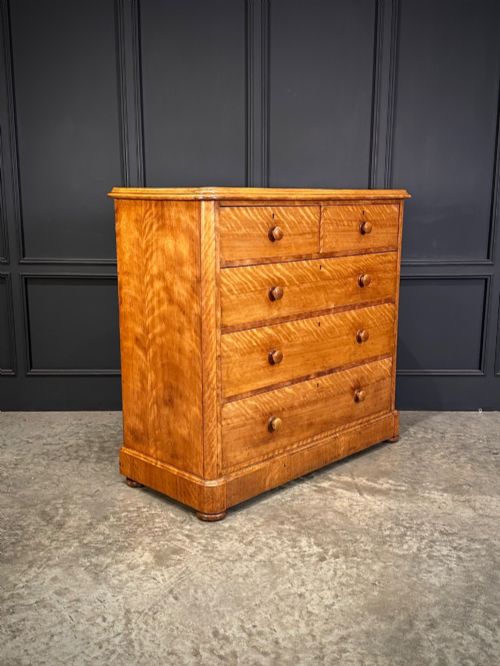
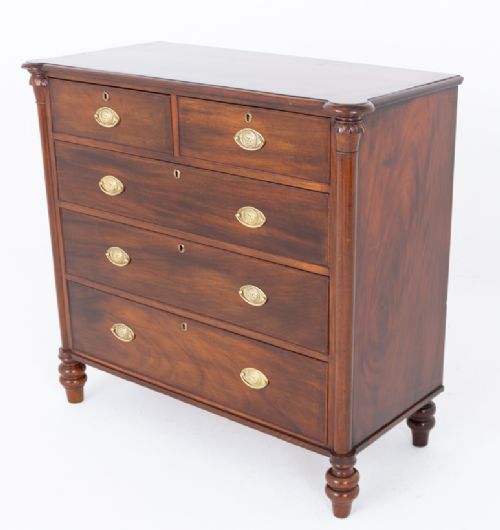


Turned Wood Dresser
A turned wood dresser or chest brings honest utility to a room, offering warm timber grains and sturdy storage built to last.
Turned Wood Dresser
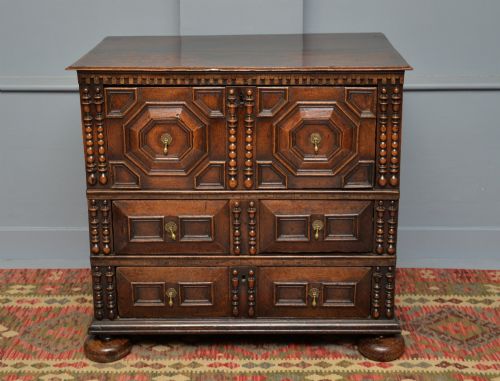
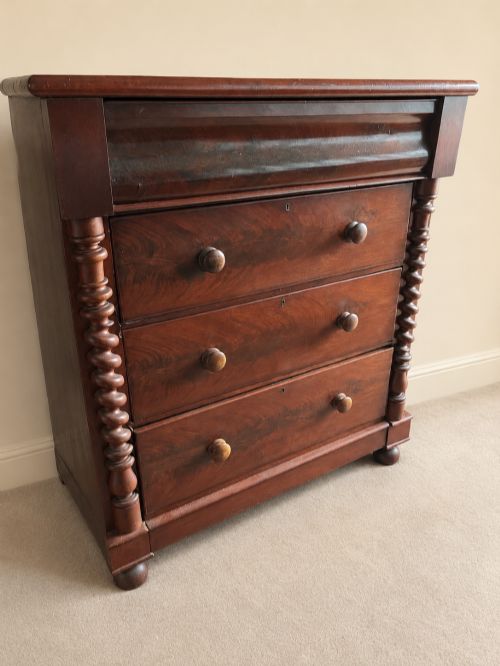
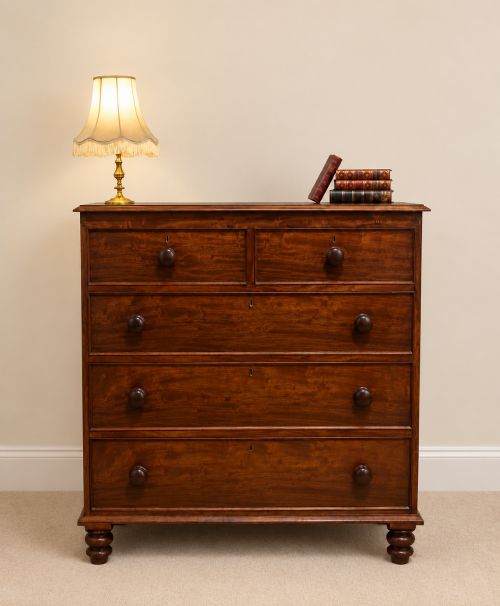
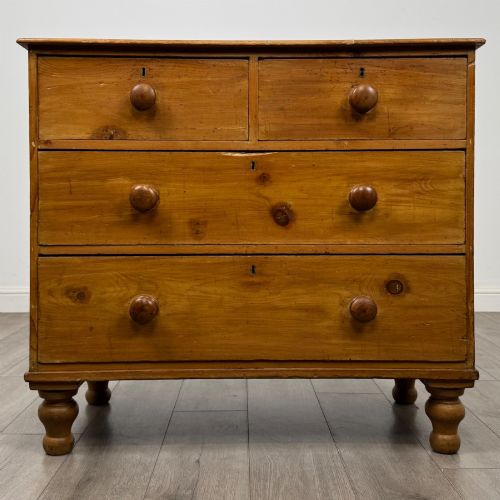
A turned wood dresser or chest of drawers combines practical storage with the tactile warmth of traditional timber construction. Buyers seeking this style encounter pieces originating primarily from the Victorian era and the nineteenth century, alongside earlier eighteenth-century examples and twentieth-century revivals.
The selections available here lean heavily toward functional storage forms, spanning classic chests of drawers, provincial servers, and potboard dresser bases. These items emerge from various regional traditions, including English country and Welsh provincial workshops, as well as Federal and Jacobean revival styles.
Pine and mahogany form the backbone of these listings, accompanied by oak, satinwood, elm, and painted wood surfaces. Distinctive regional characteristics appear across the inventory, from simple country pine to more polished Victorian mahogany and satinwood designs.
Materials and construction methods
Makers utilised solid timbers such as pine, oak, mahogany, and satinwood, often pairing dense hardwoods with softer secondary woods for drawer linings and internal frames. Surfaces were finished with traditional polishing, tongue and groove joinery, or painted coatings that reflected regional tastes.
Decorative elements relied heavily on lathe-turned components like legs, columns, and pulls, alongside brass hardware and occasional bone details. Construction prioritized durability, utilising traditional joints that allowed solid timber to move naturally through seasonal changes.
Turned Wood Dresser Retail Price Guide 2026
Typical asking prices for turned wood dresser among the pieces listed under this phrase on Sellingantiques today, from the lower quarter to the upper quarter. They describe what is for sale here now, not the wider market.
Listings span the eighteenth, nineteenth, and early twentieth centuries, featuring pine, mahogany, oak, satinwood, and painted wood.
Assessing quality and craftsmanship
The distinction between standard utility items and finer examples rests on the selection of timber and the precision of the joinery. Superior pieces display carefully matched grain patterns, tight drawer construction, and well-proportioned turned elements that remain stable over centuries.
Original surface treatments and hardware elevate a piece, distinguishing untouched vernacular items from heavily restored examples. The refinement of the turning and the integrity of the secondary woods further separate everyday domestic furniture from workshop pieces bearing maker attributions.
T & G Seddon·Howard and Sons
The Turned Wood Dresser Glossary
- Potboard dresser base
- A kitchen or dining storage base featuring an open lower shelf for displaying heavy plates and serving dishes. This traditional form predates enclosed cupboards.
- Bow-front
- A cabinet or chest front that curves outward in a convex shape. This stylistic choice softens the heavy angles of traditional case furniture.
- Tongue and groove
- A method of fitting boards together where a projecting rib on one edge fits into a matching groove on another. This technique creates a flush, stable surface for paneling and backs.
- Satinwood
- A dense, durable timber yielding a lustrous, yellow-toned grain reminiscent of satin. It gained high favour for fine cabinetry during the nineteenth century.
- Federal style
- An American neoclassical design period spanning the late eighteenth and early nineteenth centuries. It emphasises clean lines, balanced proportions, and restrained classical ornamentation.
Turned Wood Dresser: Frequently Asked Questions
How do I date an antique chest of drawers?
Dating relies on examining construction marks, timber choices, and hardware styles. Hand-cut dovetails and vernacular woods typically point to earlier periods, while machine-sawn elements and standardised screws suggest later Victorian production.
Secondary woods and regional building methods offer further clues to a piece's origin. Comparing the primary timber against known period preferences helps narrow down the decade of manufacture.
Where should I place a dresser in my home?
These pieces suit bedrooms, hallways, and living spaces where practical surface area and drawer storage are required. Their solid timber construction adds warmth and weight to both modern and traditional interiors.
Positioning them away from direct heat sources and strong sunlight protects the wood and finish from drying out. Allowing adequate clearance around drawers ensures smooth daily use.
How do I care for antique wood surfaces?
Maintain timber surfaces by dusting regularly with a soft, dry cloth and avoiding modern silicone-based polishes. Applying occasional natural wax preserves the finish and nourishes the dry grain.
Keep indoor humidity stable to prevent the wood from expanding or contracting excessively. Quick attention to liquid spills protects both the polish and the underlying timber.
What is the difference between a dresser and a chest of drawers?
Historically, a dresser included a low base with open shelves or an upper plate rack for displaying kitchenware. Over time, the term also came to describe bedroom storage units fitted with drawers.
A chest of drawers refers strictly to a stacked set of pull-out drawers used for apparel storage. The listings here encompass both regional potboard bases and traditional drawer chests.