


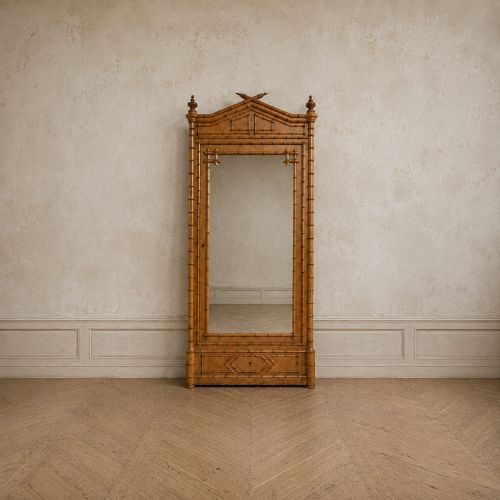

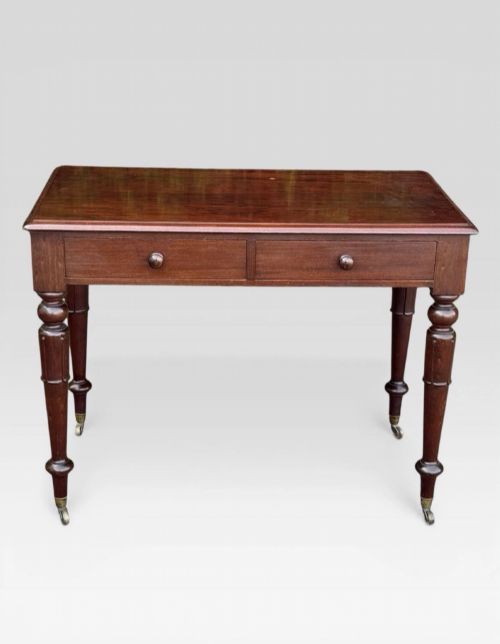
Turned Wood Cabinet
A turned wood cabinet brings tactile warmth to a room through visible lathe work, offering practical enclosed storage alongside centuries of timber craftsmanship.
Turned Wood Cabinet
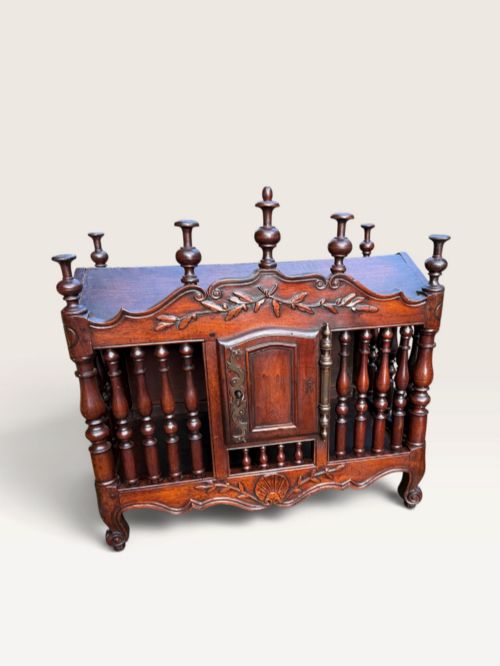
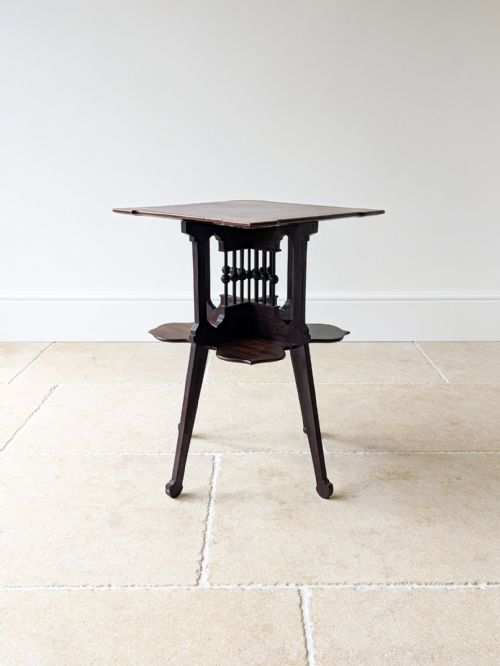
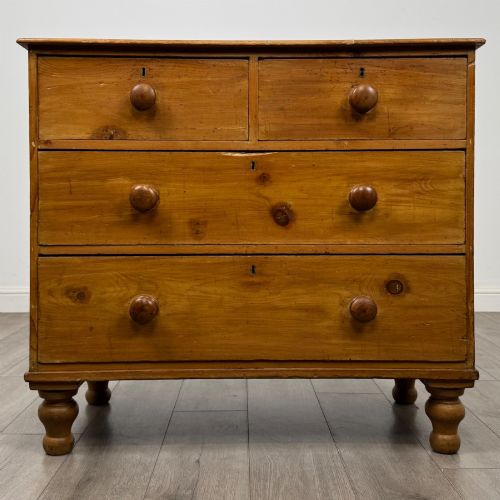
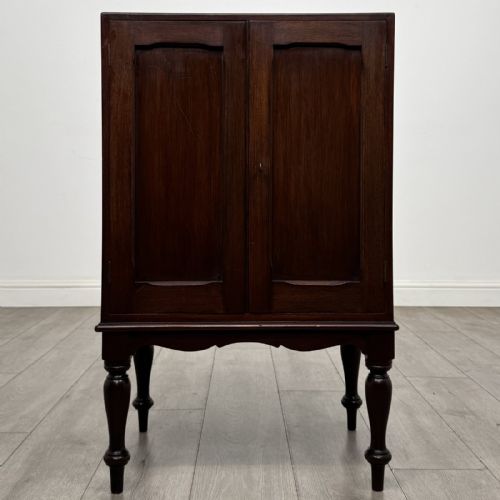
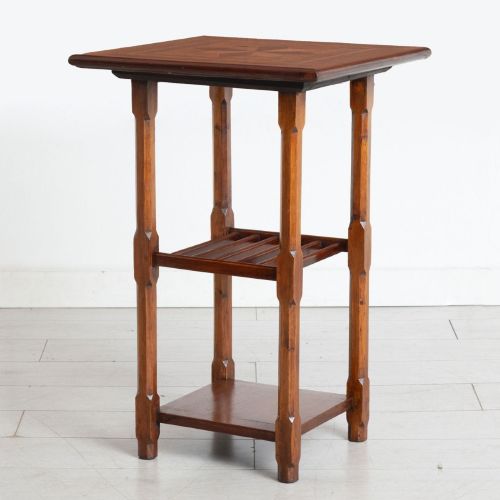
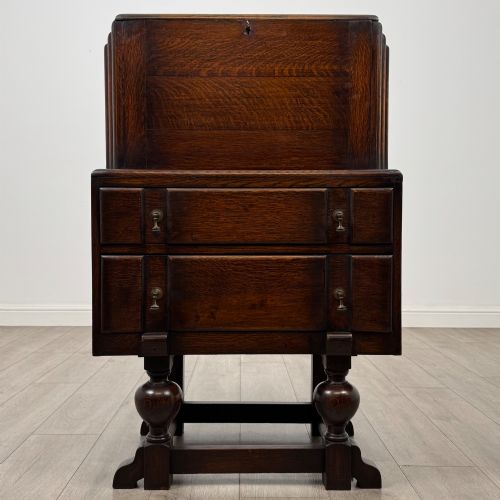
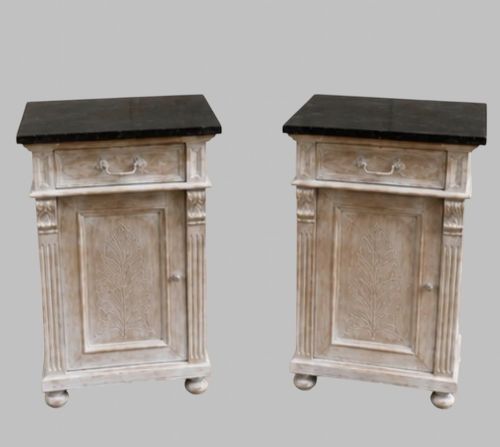
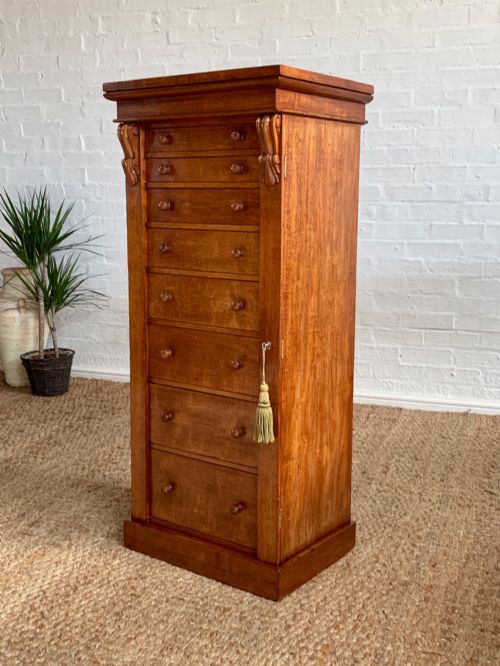
When you search for a turned wood cabinet, you encounter sturdy pieces defined by cylindrical supports, baluster legs, and circular components shaped on a lathe. The selection spans compact bedside cupboards, pot cupboards, and larger display units originating from periods ranging from the seventeenth century through to the Edwardian era and the nineteen-twenties.
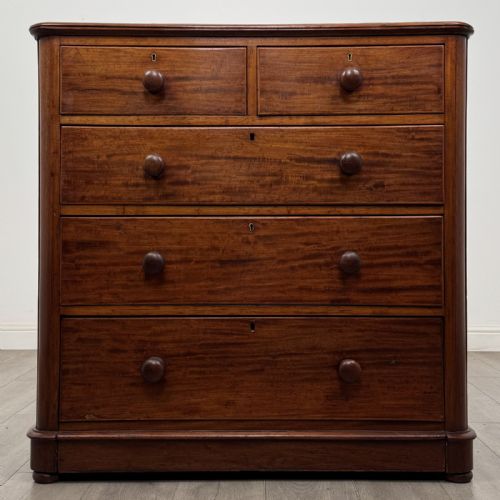
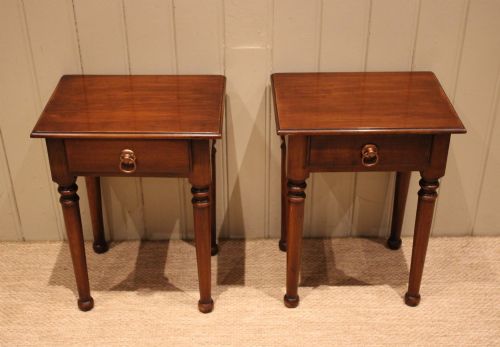
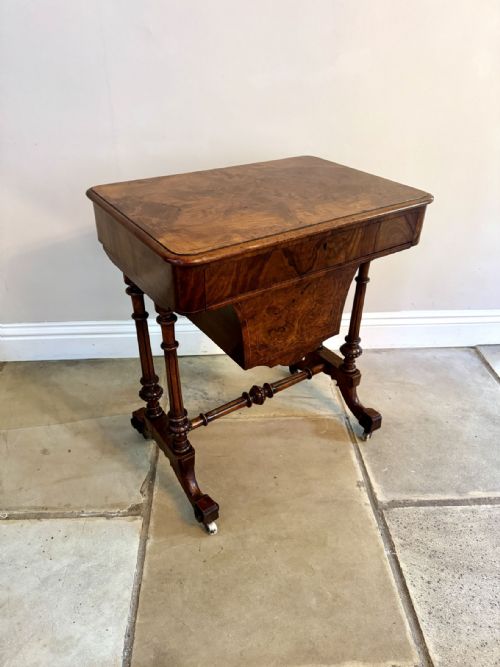
Mahogany, oak, and pine dominate the forms, frequently joined by walnut, cherry wood, and exotic veneers such as olive wood oyster veneer. These timber items function as bedside tables, side cabinets, and miniature chests, utilising turned wooden knobs and spindle details to anchor their structural design.
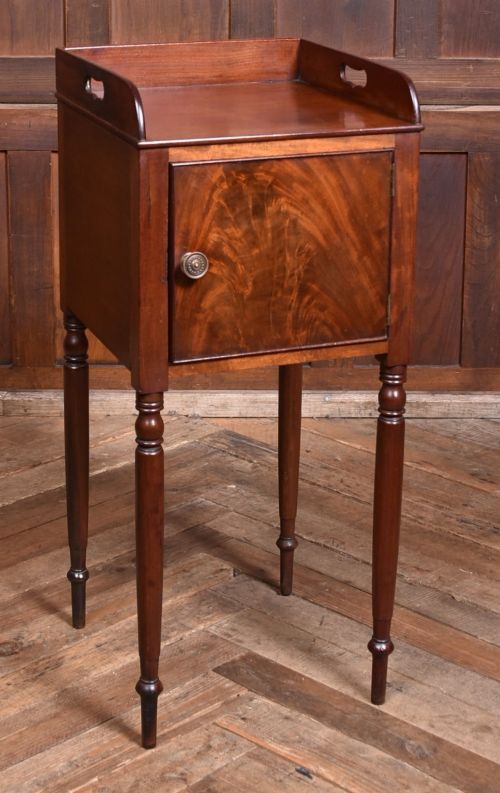
Victorian and Georgian iterations appear alongside Regency pieces and earlier seventeenth-century cabinets on stand. Buyers encounter functional bedside cupboards and tray top pot cupboards where turning manifests directly in the legs, corner posts, and drawer pulls.
Materials and construction
Cabinet makers relied primarily on solid mahogany, oak, pine, and walnut, selecting dense hardwoods for durability and softer timbers like deal or pine for internal carcases. Marquetry, parquetry, and decorative veneers such as kingwood and bird’s eye maple were applied to surfaces to create patterned visual depth.
The defining characteristic relies on lathe-turned elements, producing baluster legs, spindles, and original turned wooden knobs that secure drawer fronts. Joinery methods combined traditional dovetailing for drawers with framed panels, ensuring structural integrity across bedside cupboards and larger storage units.
Turned Wood Cabinet Retail Price Guide 2026
Typical asking prices for turned wood cabinet among the pieces listed under this phrase on Sellingantiques today, from the lower quarter to the upper quarter. They describe what is for sale here now, not the wider market.
Listings feature woods including mahogany, oak, walnut, pine, boxwood, and olive wood veneer across periods from the seventeenth century to nineteen-thirty.
Evaluating craftsmanship
Quality rests in the crispness of the lathe turning, where deeply carved balusters and cleanly shaped legs exhibit superior hand control compared to utilitarian production. Timber selection dictates the tier of the piece, separating plain deal and pine carcases from finely figured mahogany, olive wood oyster veneer, and kingwood parquetry.
Originality of components elevates a piece, particularly the survival of original turned knobs, brass hardware, and intact glazed panels on display cabinets. The precision of the joinery, from dovetail drawers to the stability of the turned supports, separates standard utility furniture from finer cabinet making.
J A Mein Edinburgh·Robert Strahan Dublin
The Turned Wood Cabinet Glossary
- Baluster leg
- A vertical support shaped on a lathe with a swelling contour, commonly found on Victorian and Georgian cabinets.
- Pot cupboard
- A small bedside cabinet originally designed to house a chamber pot, frequently featuring a tray top.
- Oyster veneer
- Circular slices cut across small branches or twigs of olive wood or walnut, creating a distinctive pattern resembling oyster shells.
- Tray top
- A raised rim surrounding the upper surface of a small table or cabinet to prevent items from rolling off.
- Canterbury
- A low, partitioned stand used for holding newspapers, magazines, or sheet music, often supported on turned legs.
Turned Wood Cabinet: Frequently Asked Questions
What is a pot cupboard?
A pot cupboard is a compact bedside cabinet historically built to contain a chamber pot behind a single door. These pieces often feature tray tops and turned legs.
Today they serve as versatile lamp tables or small bedside storage units in contemporary bedrooms.
How do I date a turned wood cabinet?
Dating relies on identifying timber choices, hardware, and stylistic markers associated with periods like the Georgian, Victorian, or Edwardian eras. Mahogany and walnut point towards specific centuries, while construction methods like hand-cut dovetails offer further chronological clues.
Comparing the turning style to known period examples helps narrow down the decade of manufacture.
Where should I place a bedside cabinet?
Bedside cabinets fit naturally beside a bed to provide enclosed storage and a surface for lighting and books. Their compact proportions also suit narrow hallways or small reception rooms as accent tables.
The turned legs and timber tones add warmth and character to neutral spaces.
Are turned legs sturdy?
Lathe-turned legs carved from dense hardwoods like mahogany and oak provide robust structural support for heavy cabinet carcases. Proper seasoned timber resists warping over decades of use.
Regular checks of the joints ensure the turned supports remain firmly attached to the base.