



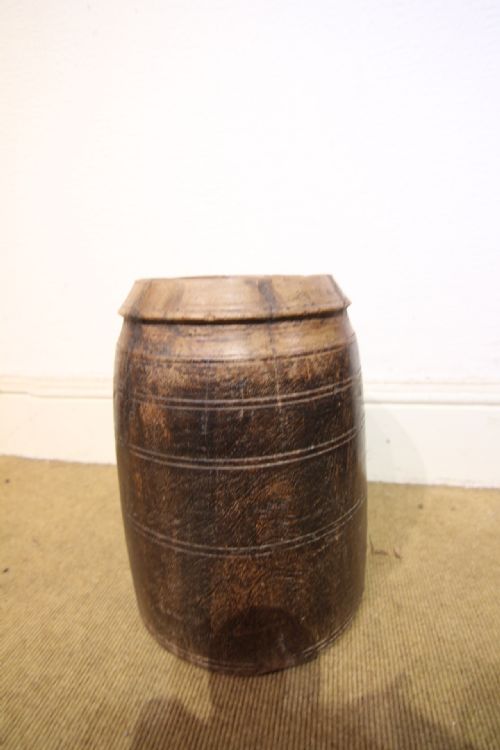


Turned Timber Vessel
These turned timber vessel pieces bring centuries of domestic utility and skilled lathe work into modern rooms.
Turned Timber Vessel
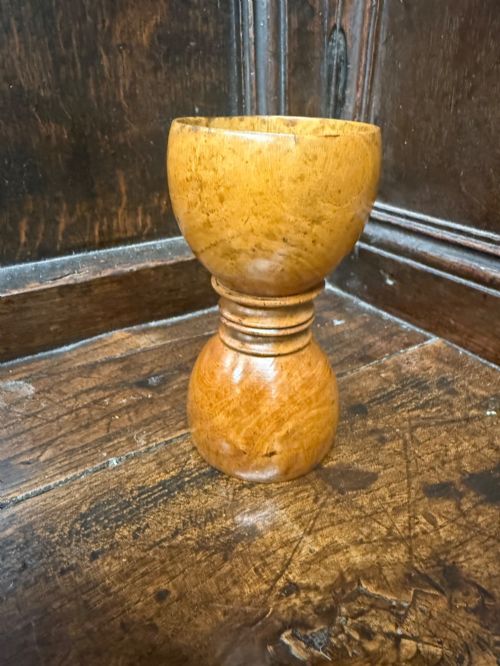
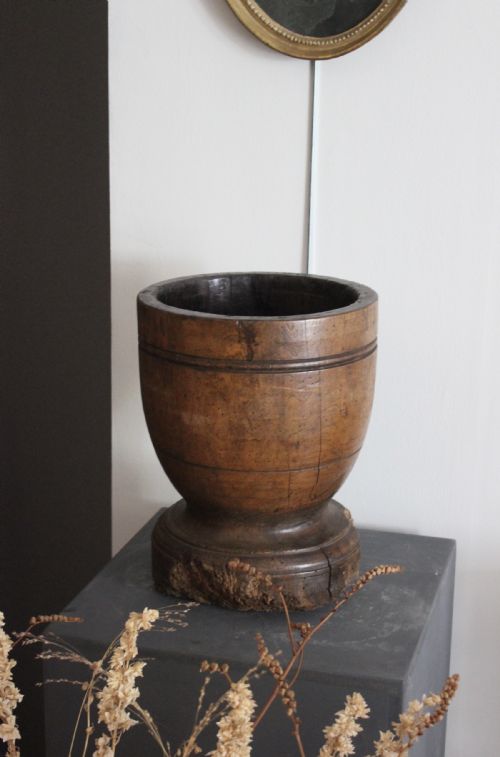
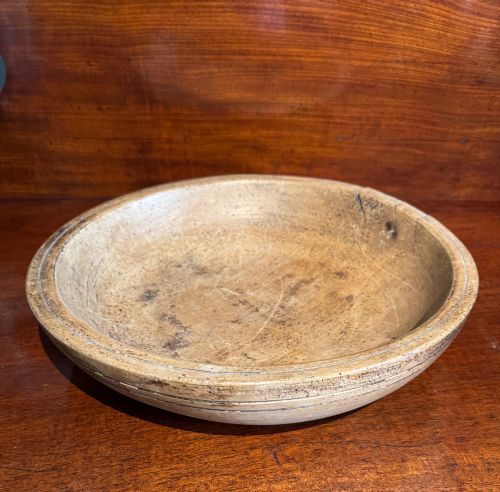
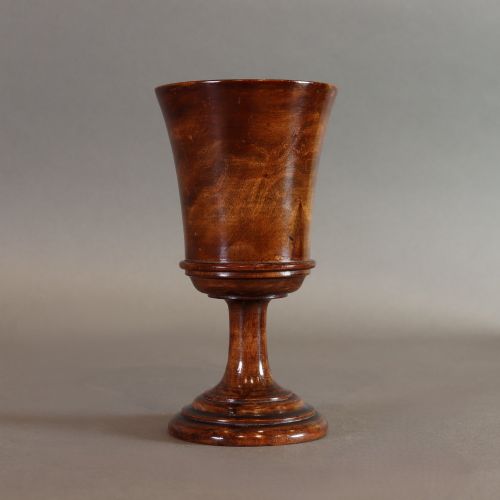
A turned timber vessel encompasses functional treen, kitchenalia, and decorative items shaped on a lathe from various woods. Buyers seeking a turned timber vessel will find forms ranging from dairy bowls and mortars to spill vases and goblets.
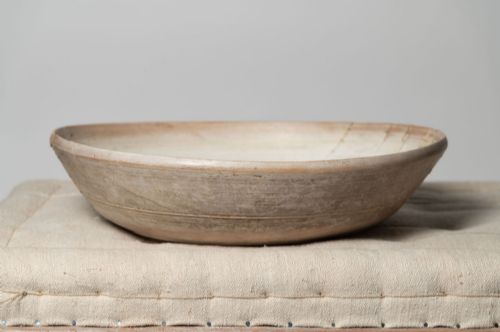
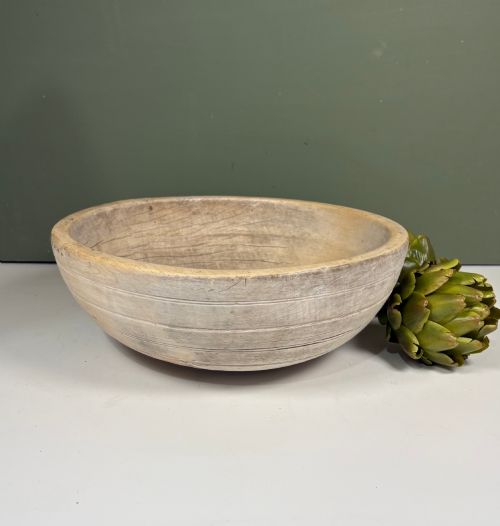
The selections span distinct periods including the seventeenth, eighteenth, and nineteenth centuries, alongside Georgian and Victorian eras. Rustic country styles and Scandinavian country dairy bowls represent common encounters on this page.
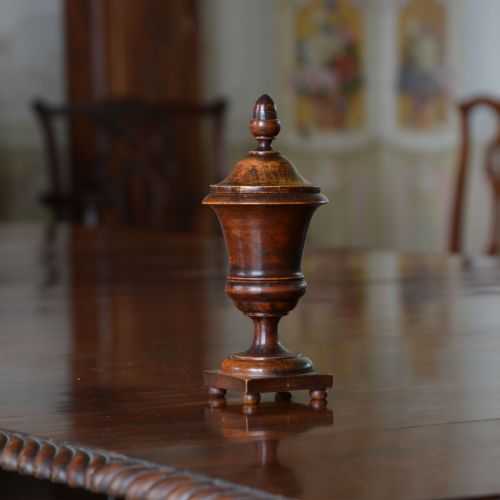
Domestic and utilitarian objects form the core of these items, such as measures, churns, and campana urns. Each turned timber vessel reflects the practical needs of past households translated through traditional turning techniques.
Materials and turning methods
Craftsmen utilised dense hardwoods like walnut, boxwood, lignum vitae, and fruitwood alongside native timbers such as sycamore and yew wood. These woods provided the necessary stability and grain structure for shaping on a lathe.
Makers formed hollow vessels, bowls, and stems by mounting timber blocks on turning machinery and paring them down with gouges and chisels. The resulting pieces often display concentric tool marks or smooth surfaces depending on the intended function.
Turned Timber Vessel Retail Price Guide 2026
Typical asking prices for turned timber vessel among the pieces listed under this phrase on Sellingantiques today, from the lower quarter to the upper quarter. They describe what is for sale here now, not the wider market.
Listings feature woods such as sycamore, fruitwood, walnut, yew wood, boxwood, and lignum vitae across seventeenth to nineteenth-century periods.
Assessing quality and character
Quality in these turned objects rests upon the balance of the proportions and the visual interplay of the timber grain. Superior examples retain crisp turning details and harmonious wall thicknesses rather than distorted or overly heavy profiles.
Patina and surface wear dictate much of the visual appeal, where decades of handling impart a warm, tactile finish to the wood. Pieces that retain their original form without extensive structural repairs command greater attention from collectors.
The Turned Timber Vessel Glossary
- Treen
- Small wooden domestic objects made by turning or carving. This term groups items like bowls, measures, and spill vases together.
- Sycamore
- A pale hardwood frequently utilised for dairy bowls and kitchenalia. Its dense grain resisted splitting when exposed to moisture.
- Campana
- A bell-shaped vessel form often seen in decorative urns and vases. The flared rim distinguishes this classical silhouette.
- Lignum vitae
- An extremely heavy and dense exotic hardwood prized for durability. Turners used it for items requiring exceptional strength.
- Mortar
- A heavy vessel used with a pestle for crushing ingredients. Wooden examples often show deep interior wear from heavy kitchen use.
Turned Timber Vessel: Frequently Asked Questions
What is treen?
Treen refers to small, functional wooden objects made for domestic use before the widespread adoption of ceramics and plastics. These items include bowls, measures, and spice containers shaped by hand or lathe.
Collectors prize treen for the visible evidence of daily utility and the rich patination acquired through generations of human touch. Each piece records historical domestic habits.
Why use yew wood?
Yew wood offered turners a striking contrast between pale sapwood and rich amber heartwood. This natural variation gave turned vessels distinct visual depth.
In addition to its appearance, yew provided a stable and resilient medium for decorative vases and small turned items produced during the eighteenth century.
What are spill vases?
Spill vases held thin rolled paper spills used to transfer flames from a hearth fire to candles or pipes. They sat on mantelpieces for daily convenience.
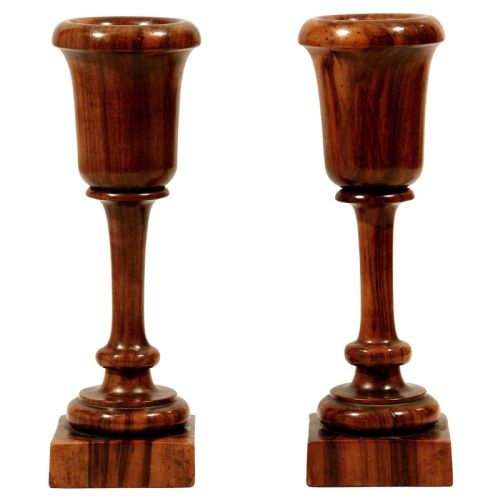
Turned from hardwoods like walnut or fruitwood, these small receptacles combine practical nineteenth-century utility with slender decorative profiles.