



Antique Wooden Measure
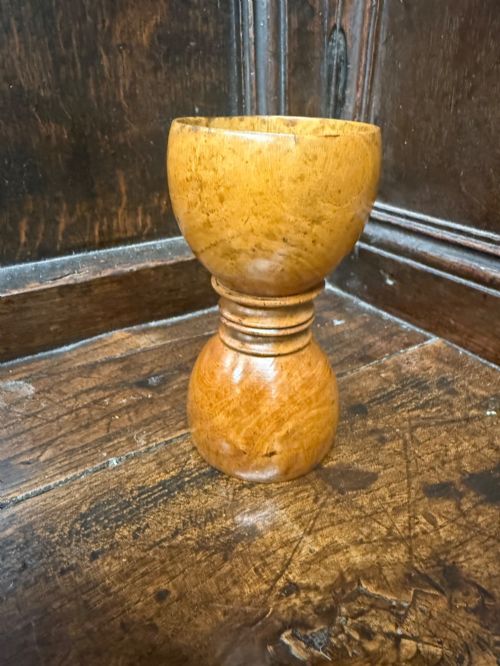
An antique wooden measure is a functional artefact of daily commerce, craftsmanship, and local authority, prized for its tactile warmth and precision engineering.
Antique Wooden Measure
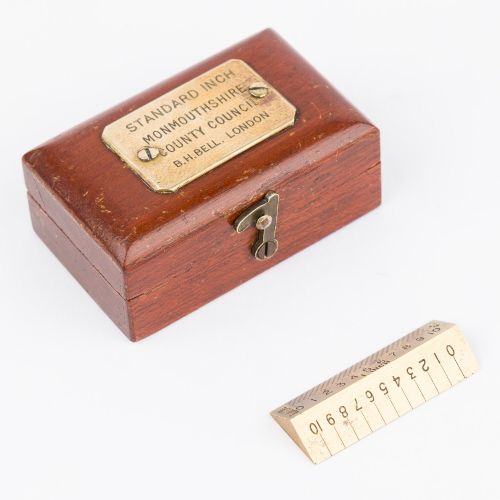
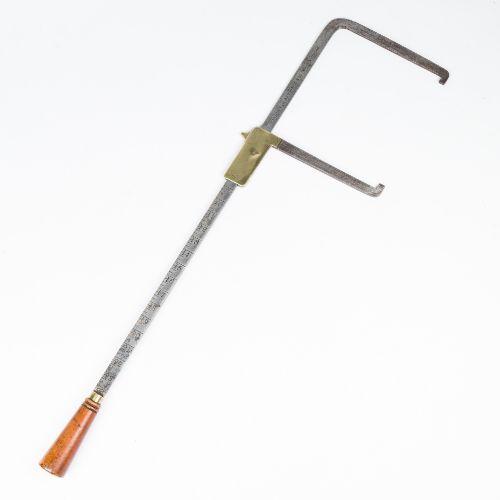
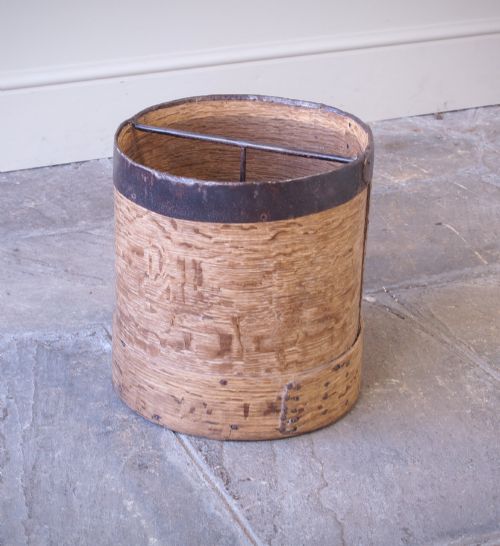
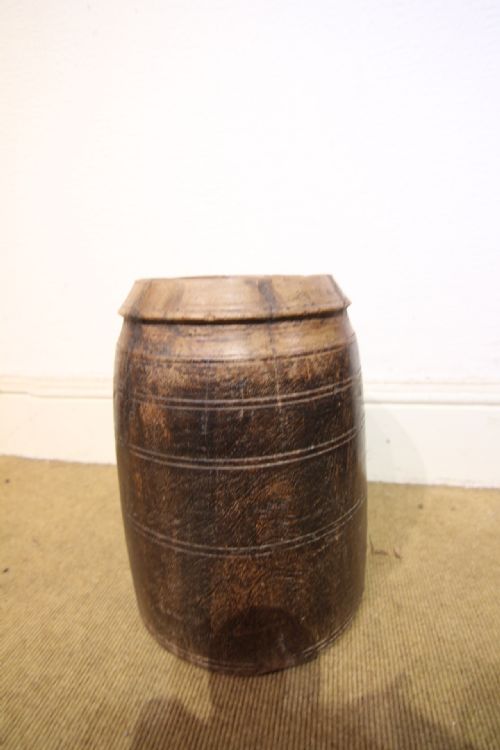
An antique wooden measure encompasses everything from small folding rules carried by excise officers to large grain bins and official county standards recorded across the Georgian, Victorian, and Edwardian periods.
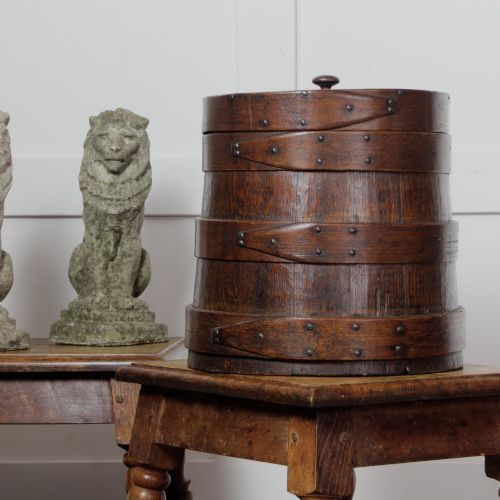
Buyers encountering this phrase most frequently find utilitarian treen measures, boxwood slide rules, and specialised scientific or measuring tools fabricated from dense timbers.
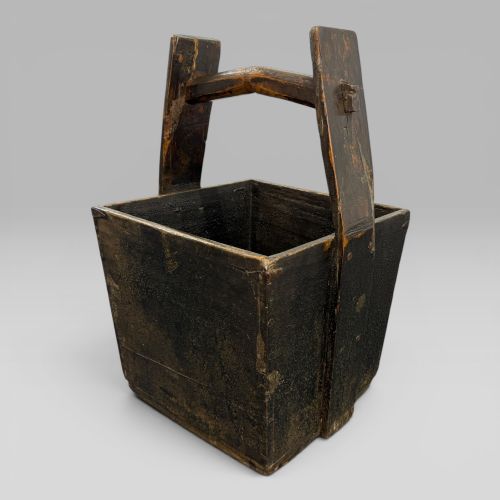
Origins range widely from provincial British workshops and local councils to Chinese provincial vessels and French country containers, reflecting diverse domestic and official applications.
Materials and construction
Makers relied heavily on dense hardwoods such as boxwood, mahogany, oak, and elm to ensure durability and dimensional stability in measuring instruments and heavy vessels.
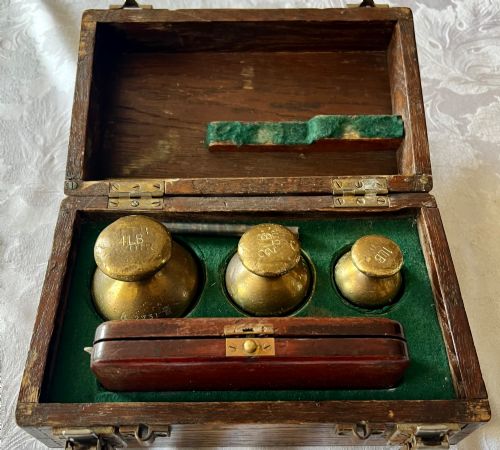
Brass fittings, hinges, and scales were frequently integrated to reinforce stress points and provide precise calibrations, contrasting with the warm grain of turned or carved timber.
Antique Wooden Measure Retail Price Guide 2026
Typical asking prices for wooden measure among the pieces listed under this phrase on Sellingantiques today, from the lower quarter to the upper quarter. They describe what is for sale here now, not the wider market.
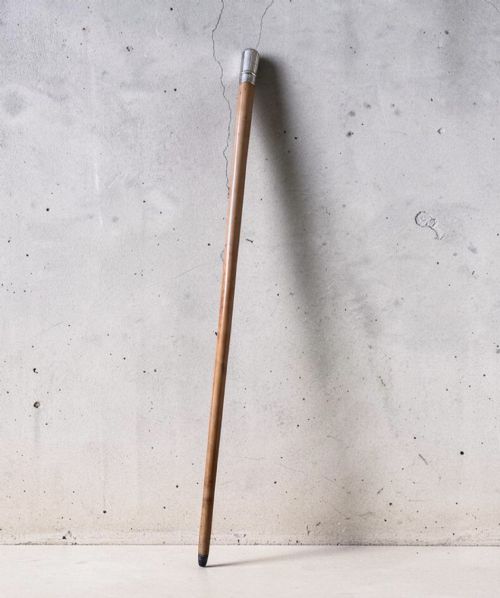
One piece is an antique silver-mounted malacca horse-measuring gadget stick, perfectly designed for the equestrian with a penchant for secret measurements.
Assessing craftsmanship
Quality rests upon the crispness of the original calibration marks, the integrity of the timber selection, and the survival of makers' stamps or official county verification engravings.
Fine examples maintain their mechanical precision, tight joints, and uncompromised surface patination, separating utilitarian survivals from workshop masterworks.
Dring & Fage·T. Brigg & Sons London·De Grave Short & Co.·Edward Roberts
The Antique Wooden Measure Glossary
- Boxwood
- A dense, pale yellow hardwood prized for precision instruments and slide rules because it holds fine carved graduations without splitting.
- Treen
- Small, functional wooden household objects and utensils created by turners and joiners using traditional lathe work and carving.
- Hydrometer
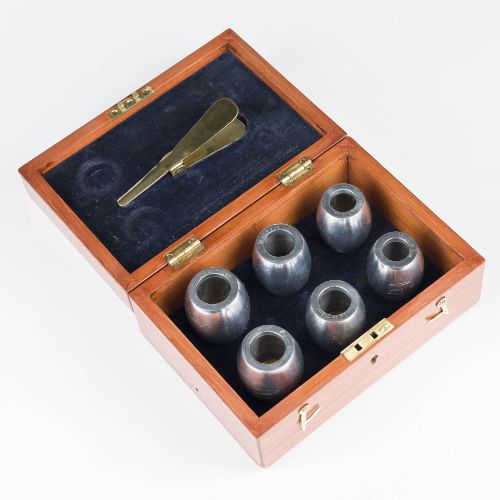
- A scientific instrument used to measure the specific gravity of liquids, often housed in fitted sets with specialised wooden and brass components.
- Standard
- An official measure or weight sanctioned by a county council or borough to regulate local trade and commerce.
- Slide rule
- A mechanical analog calculating device utilising sliding scales, frequently constructed in boxwood with brass mountings for trade use.
Antique Wooden Measure: Frequently Asked Questions
What is an antique wooden measure used for?
These pieces served practical roles in trade, surveying, agriculture, and local government, ranging from liquid and grain capacities to official length standards.
Today, collectors appreciate them as display objects that connect directly to historical methods of commerce and domestic life.
How do I identify the period of a wooden measure?
Dating relies on stylistic clues, stamped maker marks, official county inscriptions, and the specific material combinations typical of the Georgian, Victorian, and Edwardian eras.
Examining the construction techniques and brass fittings also helps place the piece within its historical manufacturing window.
Are these measures still accurate today?
While many retain their original graduations and mechanical precision, wooden instruments can be affected by humidity and environmental changes over centuries.
They are collected for their historical and aesthetic value rather than for modern calibration or commercial use.
How should I care for wooden measuring instruments?
Protect them from direct sunlight, extreme temperature fluctuations, and excessive moisture to prevent the timber from warping or splitting.
An occasional light application of appropriate wax helps maintain the surface patination without harming brass fittings or stamped inscriptions.