





Turned Spindle High Chair
A turned spindle high chair brings the honest craftsmanship of the nineteenth century straight into a modern family home.
Turned Spindle High Chair
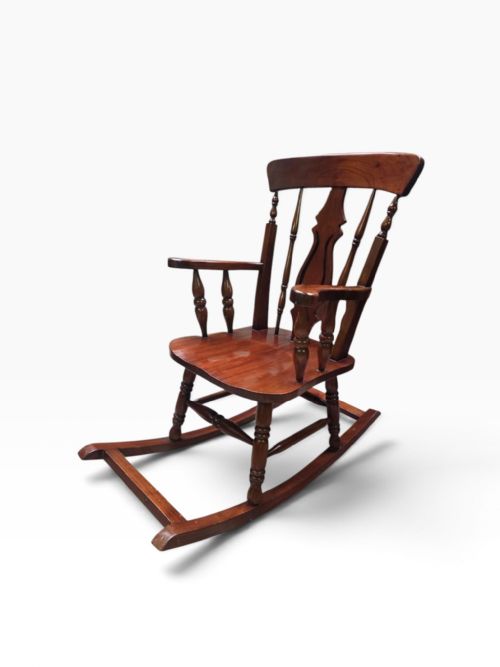
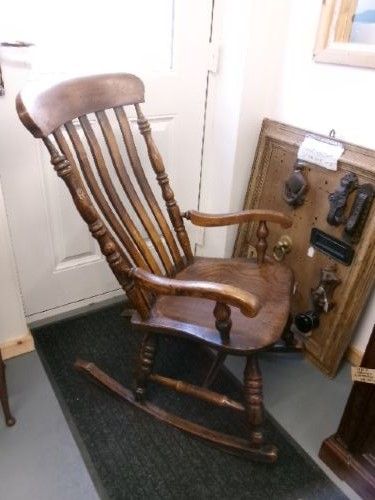
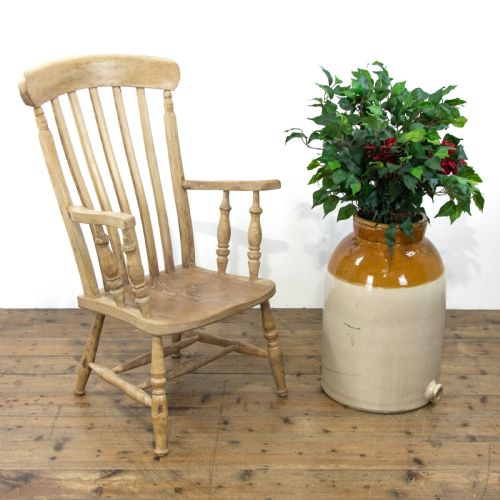
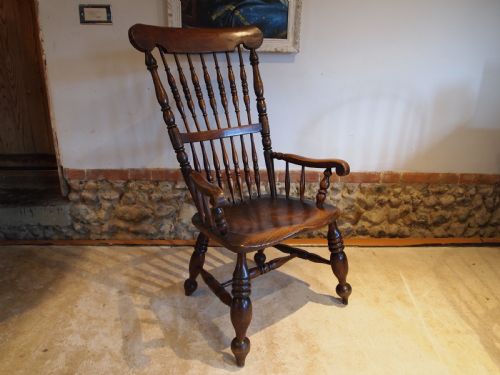
A turned spindle high chair is part of a wider tradition of domestic seating that includes Windsor armchairs, rocking chairs, and children's seating dating from the nineteenth century. When searching this phrase, a buyer meets sturdy vernacular pieces designed to elevate a child to table height using traditional wooden framing.
The examples recorded here span periods from the Regency era through to the late Victorian period, drawing on regional English country styles such as Yorkshire farmhouse and Lincolnshire vernacular. These pieces range from simple stick-back forms to metamorphic child's chairs and high-backed Windsor designs.
Makers utilised native timbers to construct these functional chairs, combining turned spindles with shaped wooden seats. They offer a tangible link to domestic life in the eighteen-fifties, sixties, and eighties, valued as much for their structural integrity as for their rustic charm.
Materials and construction
Makers relied on native hardwoods such as elm, ash, beech, and oak to build these chairs, often combining multiple timbers within a single piece for optimal strength. Elm typically provided a stable, durable seat, whilst ash and beech were chosen for their flexibility in forming turned spindles and curved backs.
Construction techniques centred on traditional joinery, utilising turned wooden components fitted into drilled seats and secured with wedges. Additional elements such as cane seating, brass fittings, and simulated rosewood finishes appear across the inventory, reflecting both utility and decorative ambition.
One recorded maker proudly signed his Lincolnshire work, proving that even farm chairs deserved a maker's mark.
Assessing quality and character
Quality in these chairs rests upon the harmony of the timber selection and the precision of the turning work. A finer piece displays well-proportioned spindles, a cleanly shaped solid seat, and balanced proportions that maintain stability.
Wear and timber patination distinguish superior survivals, where generations of domestic use have softened the edges without compromising the frame. The integration of multiple woods like ash and elm indicates thoughtful regional construction rather than mass production.
John Shadford
The Turned Spindle High Chair Glossary
- Windsor
- A traditional wooden chair featuring a solid carved seat into which the legs and back spindles are directly inserted. This construction method provides exceptional sturdiness.
- Spindle back
- A chair back composed of multiple slender, turned vertical wooden rods. These rods offer light yet rigid support.
- Metamorphic
- Describing a piece of furniture designed to transform into alternative configurations, such as a high chair converting into a low play chair. This ingenuity served practical nineteenth-century households.
- Vernacular
- Everyday furniture made by local regional craftsmen rather than urban cabinetmakers. These pieces follow traditional local patterns rather than high-style design books.
- Stickback
- A simplified chair framing style where plain or slightly shaped wooden sticks form the backrest. It represents a streamlined evolution of the standard Windsor design.
Turned Spindle High Chair: Frequently Asked Questions
How do I date a turned spindle high chair?
Dating relies on observing construction methods, timber patination, and stylistic markers recorded across nineteenth-century examples. Elements like hand-turned spindles and regional vernacular traits help narrow down the period.
Comparison with dated pieces from the eighteen-fifties through to eighteen-ninety provides a reliable timeline for placement.
Are these chairs safe for children to use?
Whilst built with sturdy nineteenth-century materials like elm and ash, these historic pieces are primarily intended for display or collector appreciation. Structural integrity varies after a century or more of domestic history.
Buyers planning regular use should have a professional conservator check the joints and stability of the frame.
What woods were commonly used?
Makers predominantly utilised native British hardwoods including elm for seats, alongside ash and beech for turned spindles and structural framing. Mahogany and oak appear less frequently in regional vernacular pieces.
Combinations of multiple timbers within a single chair were standard practice to utilise the specific mechanical properties of each wood.
How should I clean a vintage wooden high chair?
Maintenance requires gentle dusting with a dry cloth to protect the aged surface patination and historic wood finishes. Avoid modern chemical polishes that can degrade nineteenth-century wax or oil surfaces.
Feeding the dry timber with a suitable microcrystalline wax helps preserve the wood without altering its natural colour.