
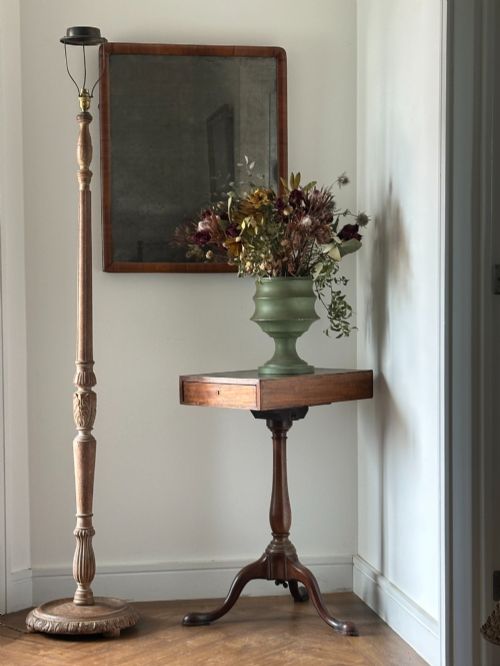
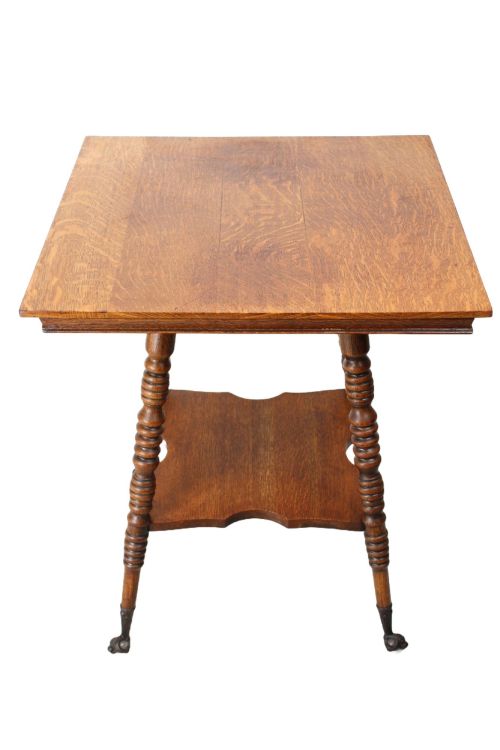
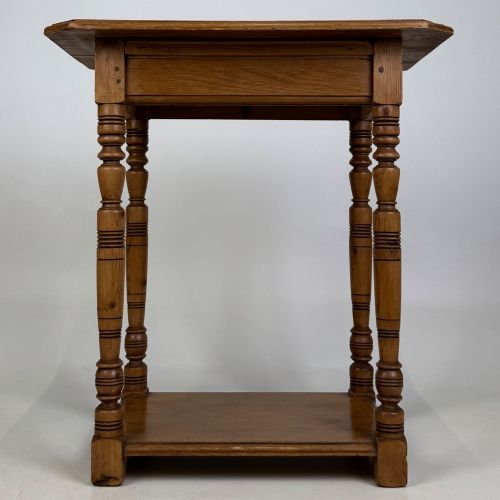
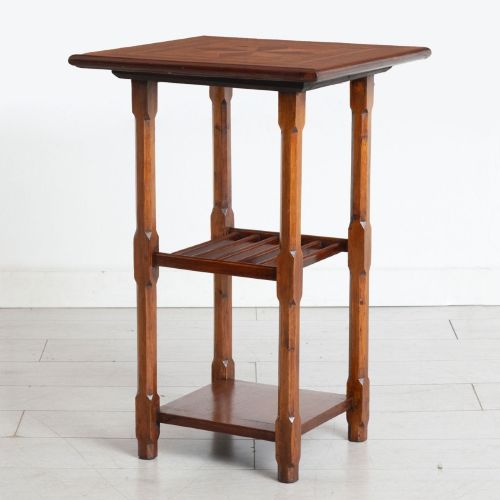
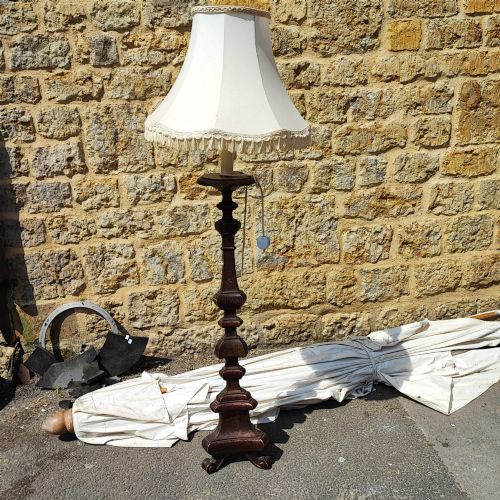
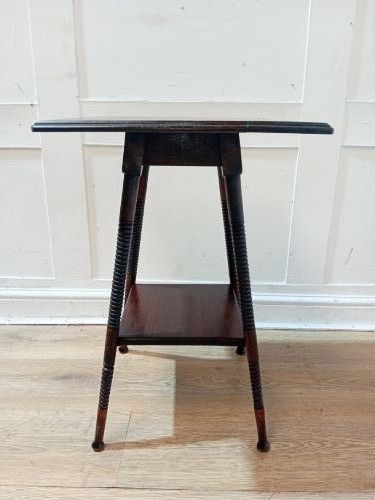
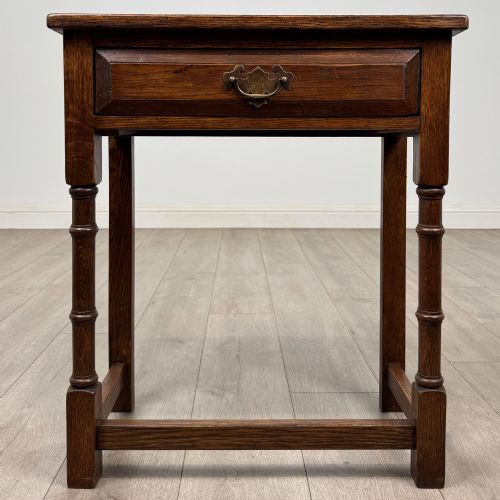

Turned Oak Standing Lamp
A turned oak standing lamp brings sculptural grain and height to a room, grounding an interior with solid timber and traditional joinery.
Turned Oak Standing Lamp
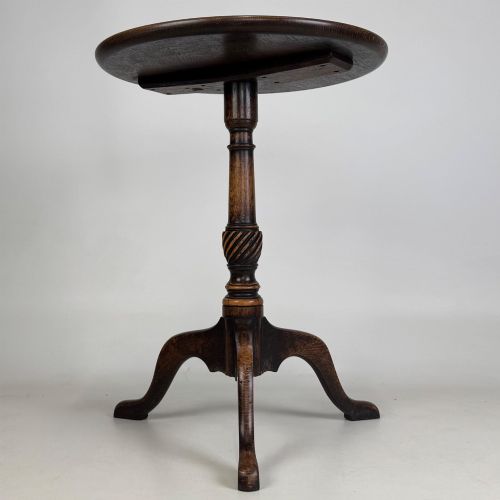
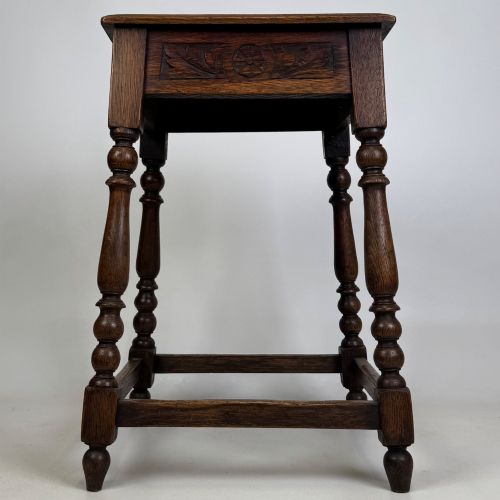
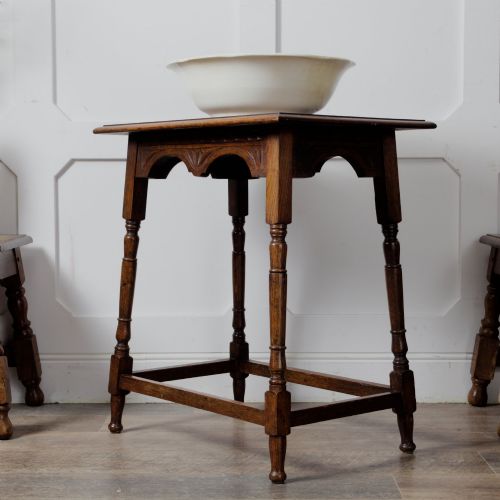
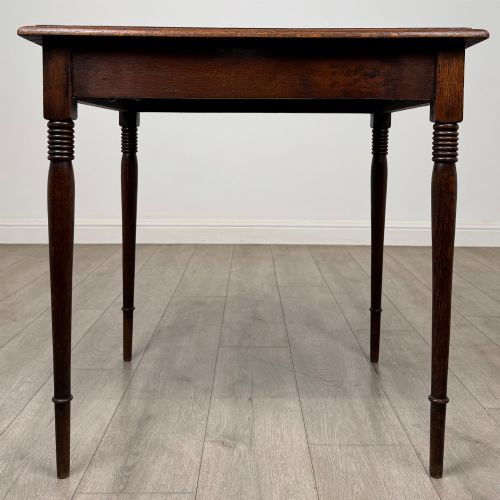
A turned oak standing lamp provides vertical illumination through a turned wooden shaft supported by a stable base. When buyers search for a turned oak standing lamp, they encounter tall floor-standing lighting fixtures alongside shorter lamp tables designed to hold portable lights.
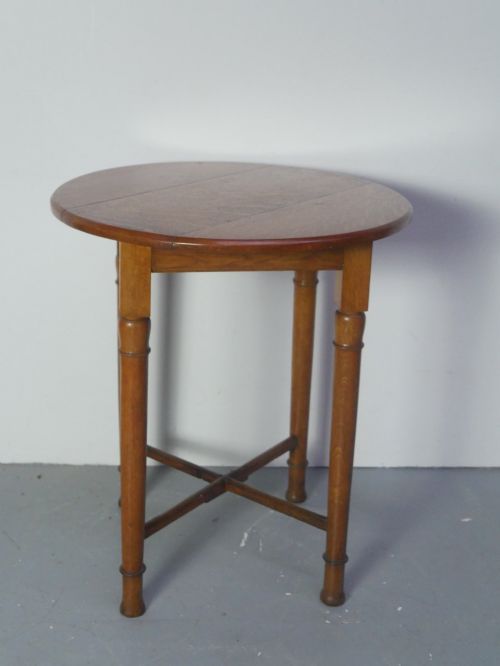
The pieces on this page span the Georgian and Victorian periods, the Edwardian era, and the interwar years of the twentieth century. Vernacular designs sit alongside revival styles and Arts and Crafts productions, reflecting a long tradition of domestic woodworking.
Tall vertical standards appear alongside occasional furniture adapted for illumination. This mix connects functional room lighting with the broader history of English domestic oak furniture.
Assessing quality and craftsmanship
Quality rests in the precision of the turning and the weight of the timber. A well-balanced base prevents tipping, whilst crisp, deep carving distinguishes superior work from plain production pieces.
The integrity of the central column and the tightness of the joints determine structural longevity. Subtle variations in colour and grain pattern show the natural character of the wood rather than applied uniformity.
Periods represented span from the eighteenth-century Georgian era through Victorian production to Edwardian and interwar designs.
Liberty and Co·Leonard Wyburd·William Birch·Heals and Sons·Baillie Scott
The Turned Oak Standing Lamp Glossary
- Turned
- Wood shaped on a lathe by rotating the timber against a chisel to create cylindrical or profiled sections. This technique forms the upright shafts of floor lamps and table supports.
- Barley twist
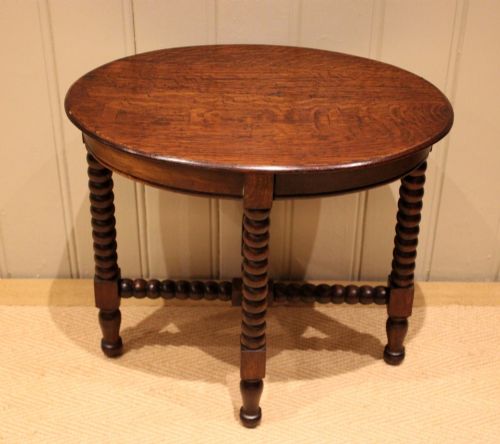
- A spiral carving resembling a twisted rope, popular in Jacobean revival and early twentieth-century furniture. It catches the light along the edges of the turned column.
- Tripod
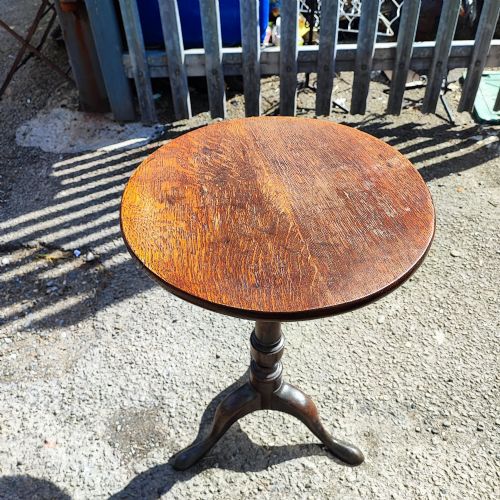
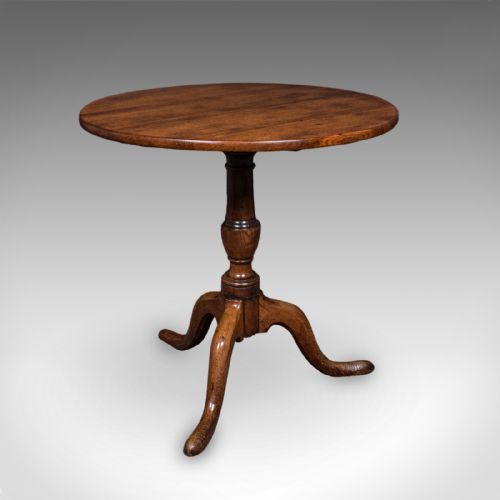
- A three-legged support base commonly found on occasional tables and lamp standards. This configuration ensures stability on uneven floorboards.
- Arts and Crafts
- A design movement valuing handcraftsmanship, simple forms, and visible construction methods over industrial mass production. Pieces from this tradition often feature honest joinery and unadorned oak surfaces.
- Standard lamp
- A traditional British term for a floor lamp. These tall vertical fixtures illuminate corners or sit beside seating areas.
Turned Oak Standing Lamp: Frequently Asked Questions
How do I date a turned oak lamp?
Dating relies on stylistic clues, turning profiles, and construction methods. Edwardian and interwar pieces often display crisp lathe work and applied wiring channels, whereas earlier examples show hand-planed surfaces and pegged joints.
Examining the base and any associated hardware helps separate twentieth-century revivals from nineteenth-century vernacular production.
Are these lamps safe for modern electrical use?
Most antique lamps require rewiring to meet contemporary safety standards. Qualified electricians can easily update internal wiring whilst retaining the original wooden body.
Preserving the historic exterior allows the fixture to function safely in a modern interior without altering its appearance.
What is the difference between a standard lamp and a lamp table?
A standard lamp is a tall floor-standing lighting column designed to illuminate a room from above. A lamp table combines a small occasional surface with space for a table lamp.
Both utilise turned oak construction but serve different functional roles in domestic interiors.