
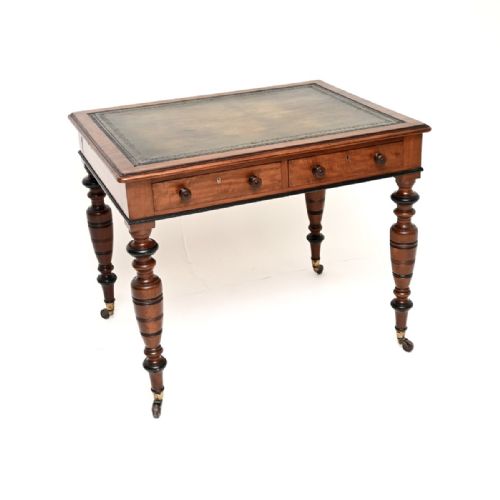
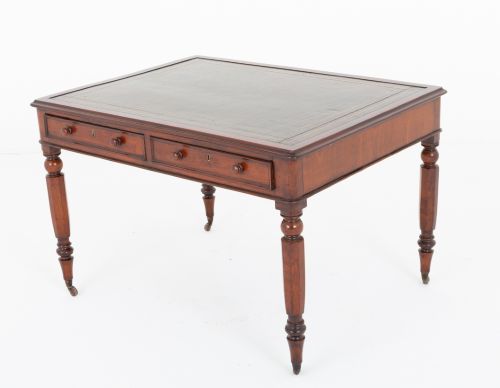
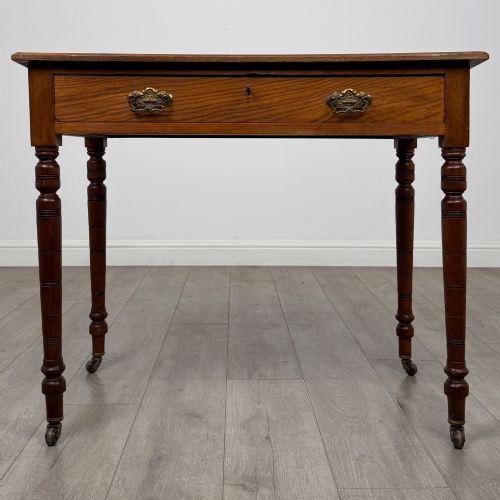
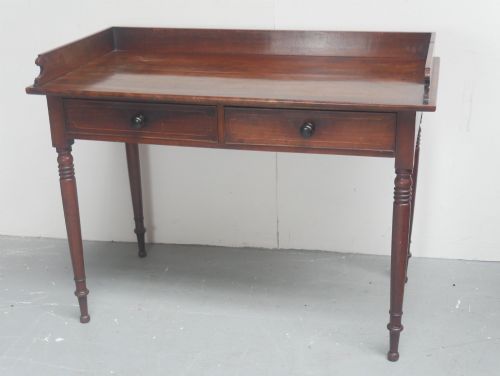
Turned Leg Library Desk
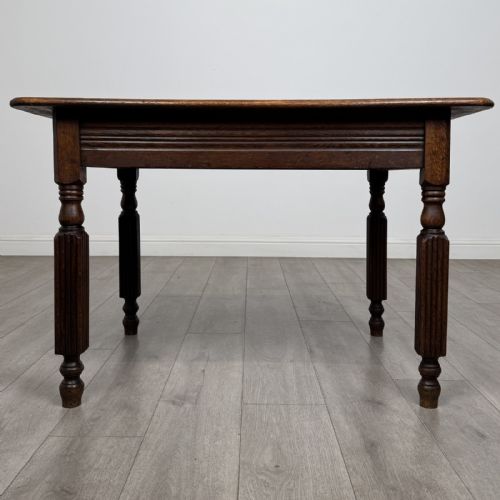
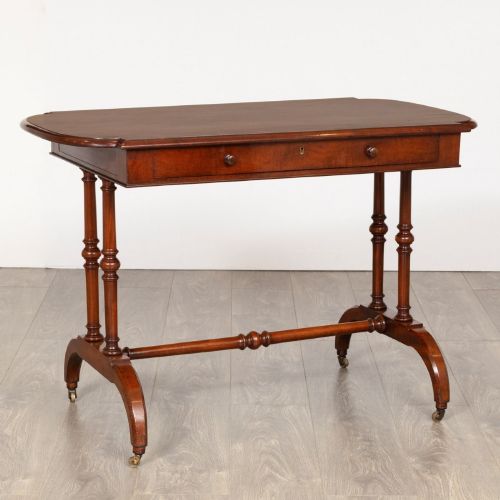
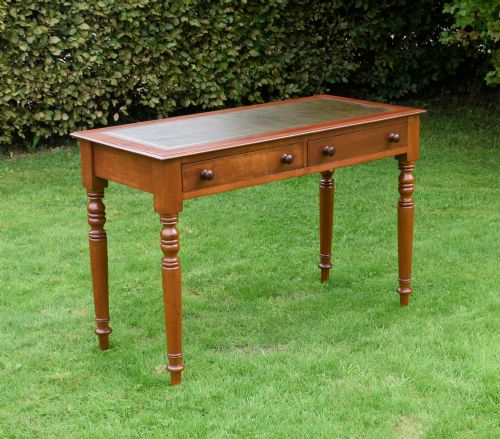
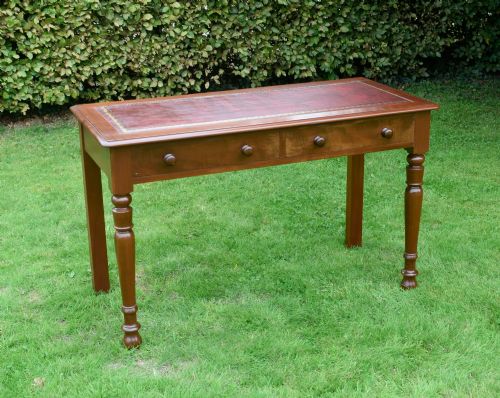
A turned leg library desk brings traditional workspace utility and rich nineteenth-century timber into a study.
Turned Leg Library Desk
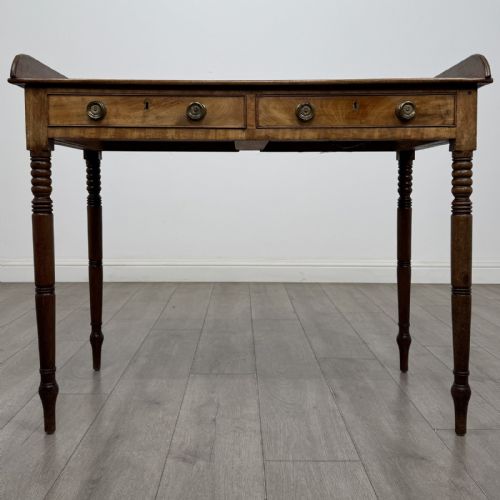
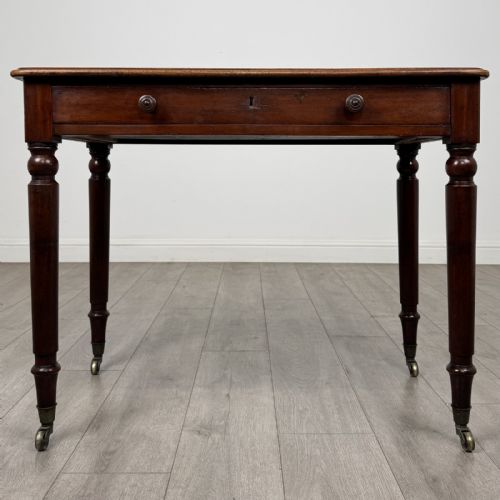
When you search for a turned leg library desk, you encounter substantial nineteenth-century writing furniture designed for domestic studies and institutional rooms. These pieces combine spacious writing surfaces with sturdy supports, often appearing from the Regency, Victorian, and William IV periods.
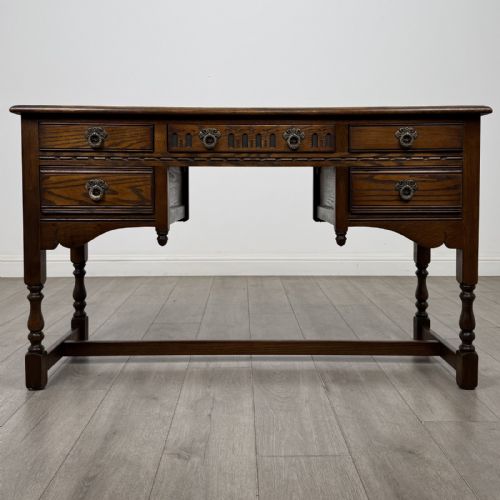
The selections on this page span writing tables, partners desks, and freestanding library tables built in mahogany, oak, walnut, and rosewood. Many incorporate inset leather writing surfaces and multiple functional drawers for storage.
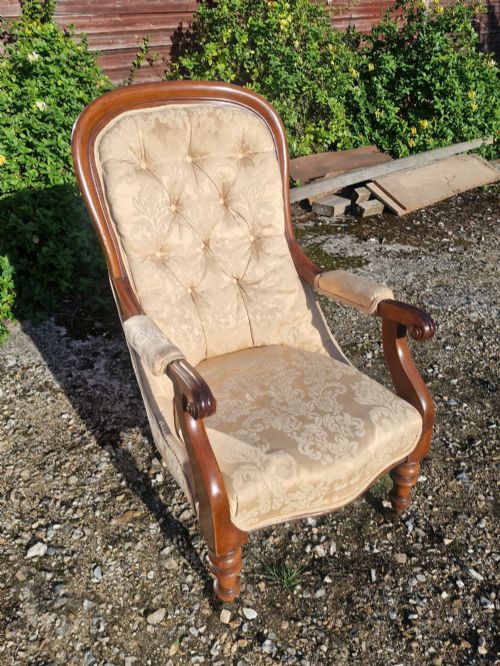
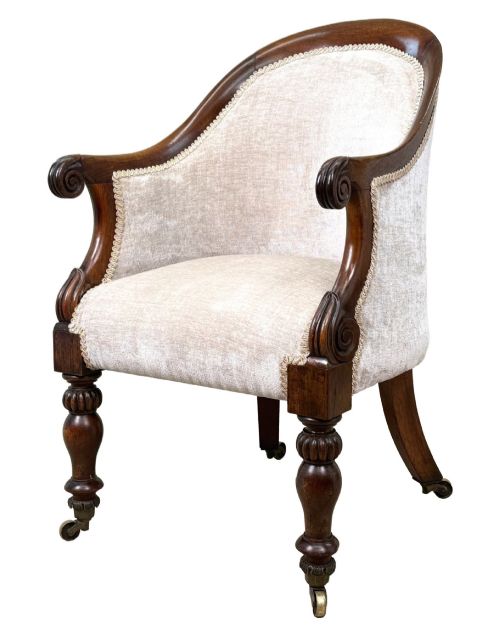
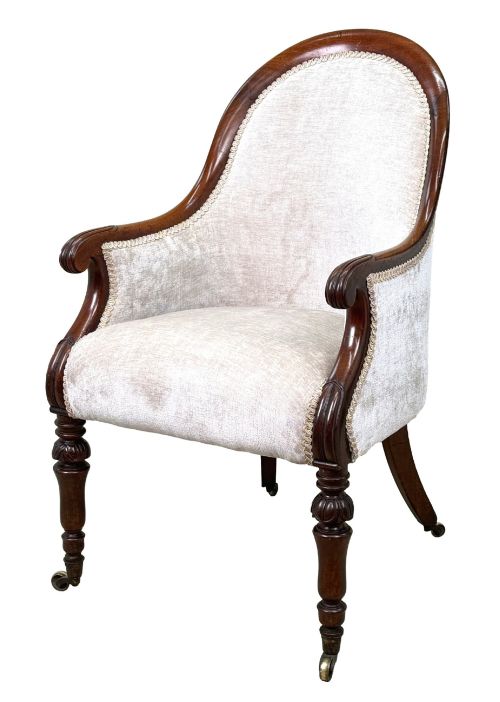
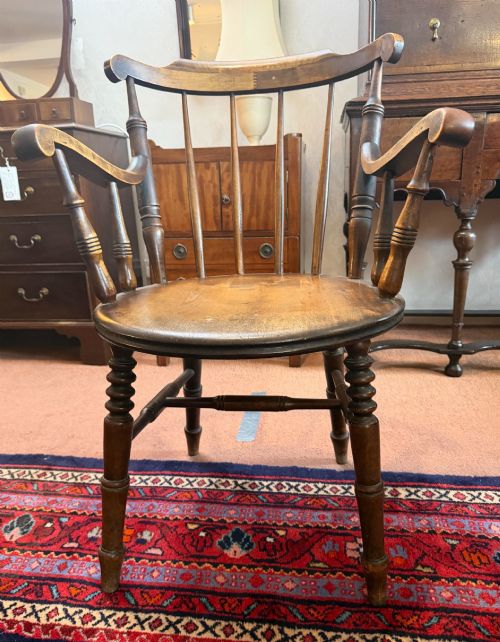
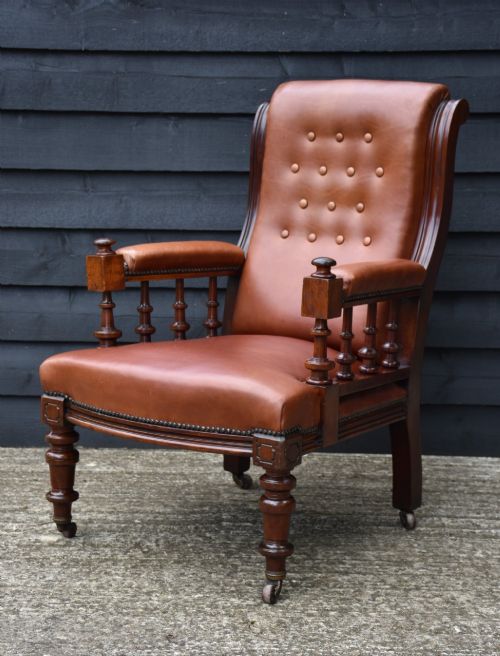
You will also find related seating such as library armchairs, tub chairs, and desk chairs upholstered in leather or velvet that accompany these desks. The turned leg format provides structural solidity while offering a classic silhouette.
Materials and construction
Cabinet makers utilised dense hardwoods including mahogany, golden oak, walnut, and rosewood to build these desks, ensuring long durability and rich natural grain patterns. Structural turnings on the legs required skilled lathe work to produce symmetrical columns and spindles.
Writing surfaces were frequently inset with panels of tooled leather or velvet, providing a tactile texture for daily correspondence. Brass drawer pulls, castors, and handles completed the functional hardware on partners and multi-drawer writing tables.
Listings feature nineteenth-century woods including mahogany, oak, walnut, rosewood, and brass hardware.
Indicators of quality
Quality rests in the selection of timber figures and the precision of the leg turnings, where finer examples display crisper detailing and balanced proportions. The integration of secondary woods and the construction of the drawer linings reveal the standard of workshop carpentry.
Desks finished on all sides for freestanding placement in a room generally indicate higher original commissioning standards than pieces intended solely for placement against a wall.
The Turned Leg Library Desk Glossary
- Partners desk
- A large writing table fitted with drawers on opposite sides, allowing two people to work facing one another. These desks were traditionally utilised in professional offices and grand libraries.
- Writing table
- A freestanding table with one or more drawers designed primarily for correspondence rather than heavy storage. They often feature inset leather surfaces.
- Partners table
- A large library table or desk finished identically on both long sides for dual use. They represent substantial nineteenth-century craftsmanship.
- Freestanding table
- A piece finished on all four sides so it can sit away from walls in the centre of a room. This design showcases timber grain from every angle.
Turned Leg Library Desk: Frequently Asked Questions
What is a partners desk?
A partners desk is a large writing table equipped with drawers and workspace on both opposing sides. This layout allowed two individuals to sit and work opposite each other in professional or domestic libraries.
Such tables often incorporate substantial timber construction and leather inset writing panels. They were built to sit centrally in a room rather than against a wall.
How do I care for the leather top?
Leather writing surfaces require gentle cleaning with a slightly damp cloth followed by dry buffing. Avoid harsh chemical cleaners that can strip the natural finish and tooling.
Occasional application of specialist leather balms helps maintain suppleness and prevents cracking over time. Keep the surface away from direct heat sources and strong sunlight.
Where should I place a freestanding desk?
A freestanding desk is designed to sit away from walls in the middle of a study or library. Because all sides are finished with timber veneer or polish, it creates a strong visual centrepiece.
Ensure there is adequate clearance around the piece for chairs and movement. This placement highlights the turned legs and finished back panels.
How do I identify a Victorian library table?
Victorian library tables typically date from the nineteenth century and utilise dense hardwoods like mahogany, walnut, or oak. They often feature turned or fluted legs supporting a rectangular top with or without drawers.
Many examples include inset leather surfaces framed by timber mouldings. Examination of the drawer joints and secondary timbers helps confirm the nineteenth-century origin.