




Turned Leg Buffet
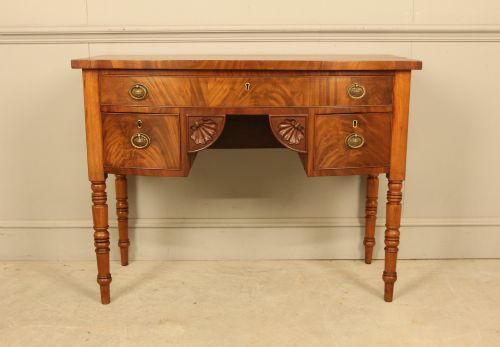
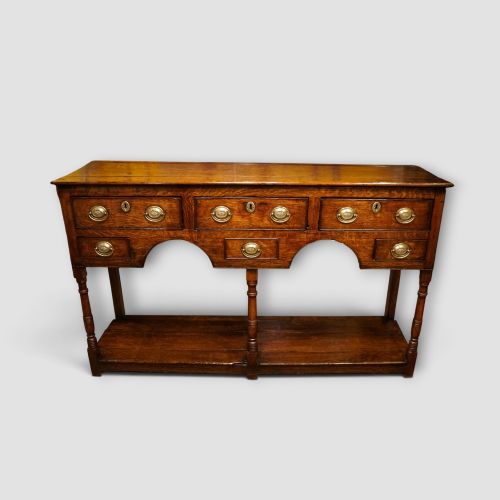
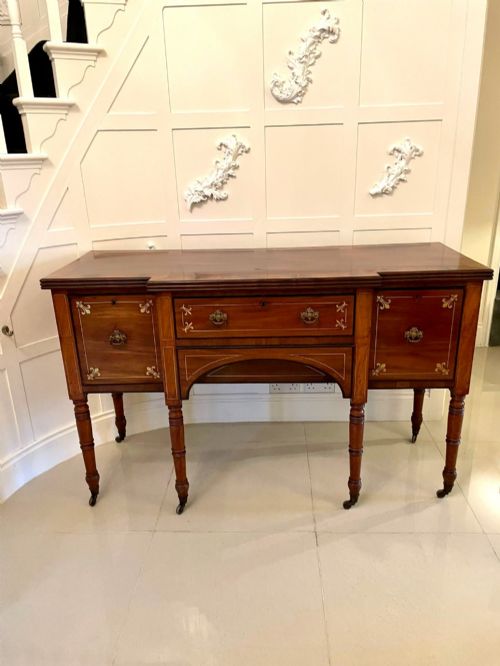
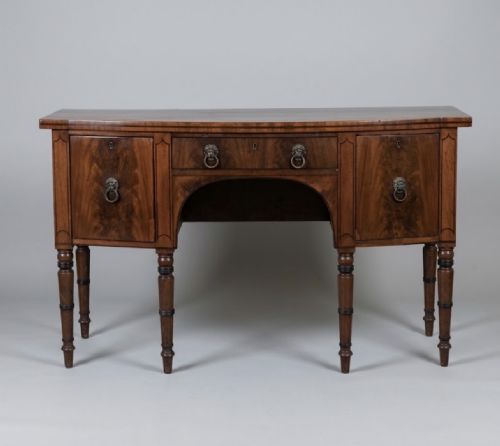
A turned leg buffet brings substantial timber storage into a dining space, offering sturdy legs and generous surface space for serving food.
Turned Leg Buffet
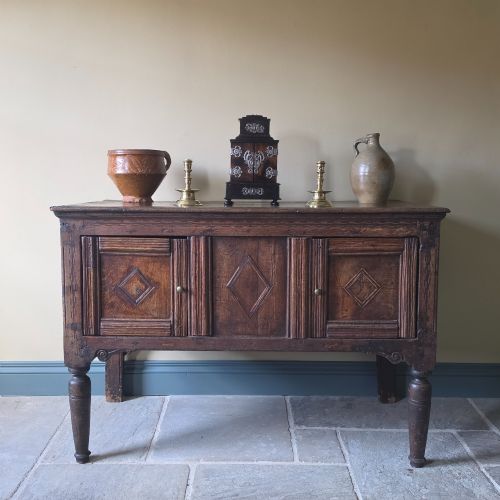
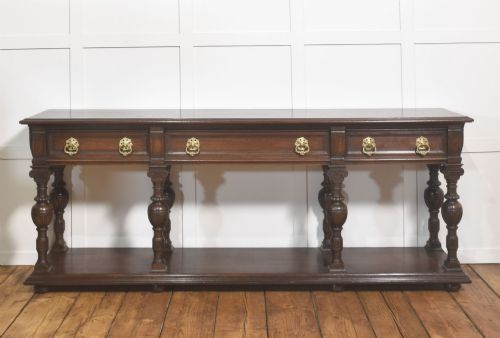
When searching for a turned leg buffet, buyers encounter robust storage furniture primarily categorized as sideboards, dresser bases, and cupboards across this selection. These pieces originate from various eras spanning the seventeenth century through to the Edwardian period and the nineteen-thirties.
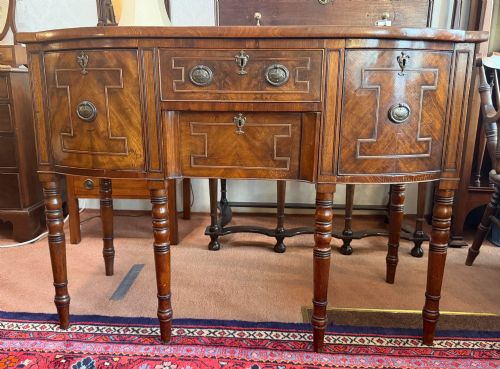
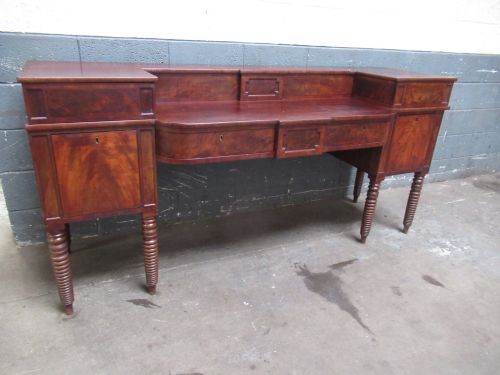
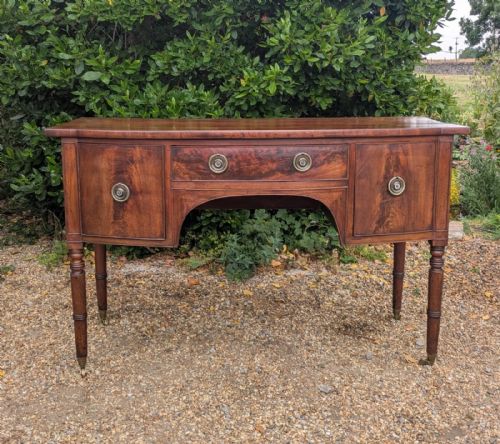
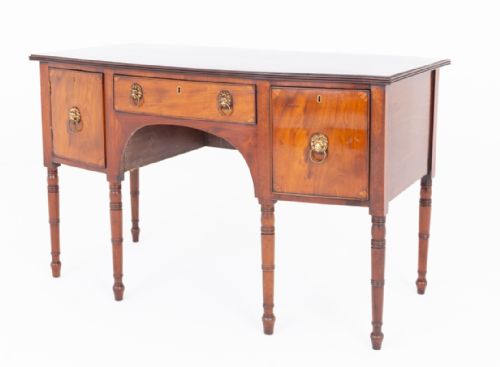
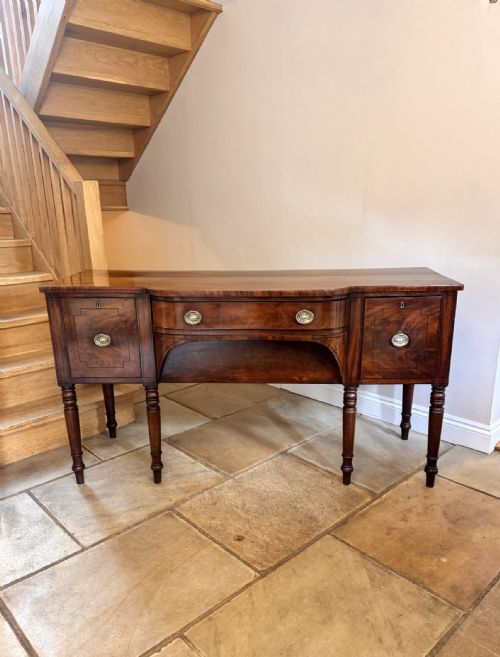
The dominant forms rely on substantial timber construction, frequently featuring turned supports that elevate the main body of the cabinet or sideboard. Oak and mahogany serve as the primary woods, often enhanced with flame mahogany veneer or boxwood inlay.
How they were made
Cabinet makers utilised solid oak and mahogany for the structural frames of these serving pieces, employing traditional joinery to ensure lasting strength. Turning lathes shaped the prominent legs found on the oak dresser bases and cupboards.
Surface decoration involved careful selection of timber grain, demonstrated by flame mahogany veneer panels paired with contrasting boxwood inlay and ebony stringing. Brass fixtures and ceramic elements occasionally provided functional accents.
Turned Leg Buffet Retail Price Guide 2026
Typical asking prices for turned leg buffet among the pieces listed under this phrase on Sellingantiques today, from the lower quarter to the upper quarter. They describe what is for sale here now, not the wider market.
Turned legs provide sturdy support for heavy mahogany feasts.
What varies in quality
Superior examples display carefully matched timber veneers and finely executed boxwood inlay that elevate simple storage into formal dining furniture. The crispness of the turning on the legs and the weight of the mahogany or oak distinguish finer workshop output from simpler country pieces.
Proportion and scale dictate the visual success of each sideboard or dresser base, with smaller proportions and bowfront designs requiring particular precision in construction. Original brass hardware and sound structural integrity separate better-preserved specimens from heavily altered pieces.
The Turned Leg Buffet Glossary
- Dresser base
- A low wooden sideboard or storage unit traditionally used in kitchens and dining rooms for food preparation and serving. These pieces typically incorporate drawers or cupboards beneath a flat top.
- Flame mahogany
- A highly figured veneer cut from the fork of the mahogany tree where the branch meets the trunk. This timber displays a distinctive flickering flame pattern prized in formal furniture.
- Bowfront
- A convex curved cabinet front that swells outward in the centre. This shape requires advanced woodworking skill to construct smoothly.
- Dumb waiter
- A tiered serving table or trolley designed to hold dishes and utensils beside a dining table. These movable pieces often feature multiple shelves supported on a central column or legs.
- Ebony stringing
- A thin inlay line of dark ebony wood inserted into contrasting lighter timber surfaces. This technique creates a delicate decorative border around drawer fronts and tabletops.
Turned Leg Buffet: Frequently Asked Questions
What is a turned leg buffet used for?
These pieces function primarily as dining room storage for tableware, linens, and serving dishes while providing a broad surface for food presentation.
Historically, variations such as dresser bases and sideboards supported the organisation of formal meals in large country houses and urban homes.
How do I date a mahogany sideboard?
Dating relies on observing structural characteristics, timber selection, and decorative motifs such as boxwood inlay or brass mounts. Georgian and Regency examples often exhibit finer cabinetwork and specific leg forms compared to later revival pieces.
Reference to periods like the eighteenth century or Victorian era provides a framework for understanding when a specific workshop operated.
Are oak and mahogany the only woods used?
Oak and mahogany dominate the available inventory, serving as the primary structural and visible timbers for these serving tables and cupboards. Secondary woods sometimes appear in internal drawer linings and hidden framework.
Decorative additions such as ebony stringing and boxwood inlay introduce contrasting materials to the primary timber surfaces.
Where were these dining pieces made?
The inventory includes pieces originating from English and Scottish workshops spanning multiple centuries of cabinet making tradition. Regional variations in timber choice and decorative style reflect the local preferences of these manufacturing areas.
Furniture from the Georgian and Regency periods demonstrates the prevailing neoclassical design influences popular in British homes.