



Turned Brass Stems
Turned brass stems offer a bright, heavy vertical line that catches the eye and grounds a room.
Turned Brass Stems
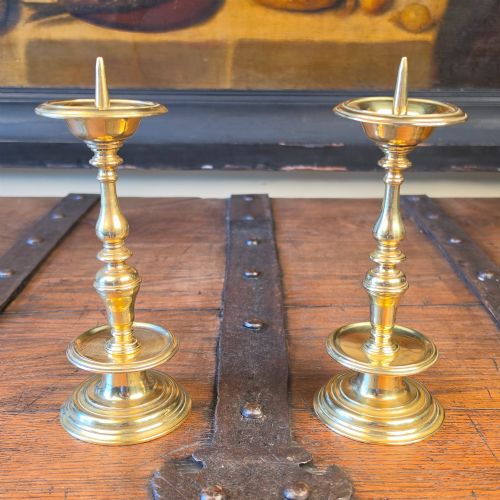
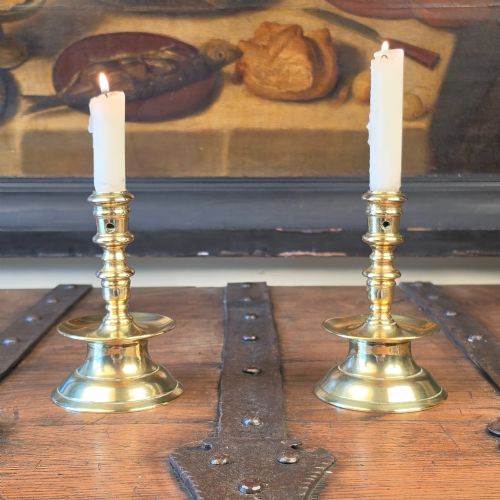
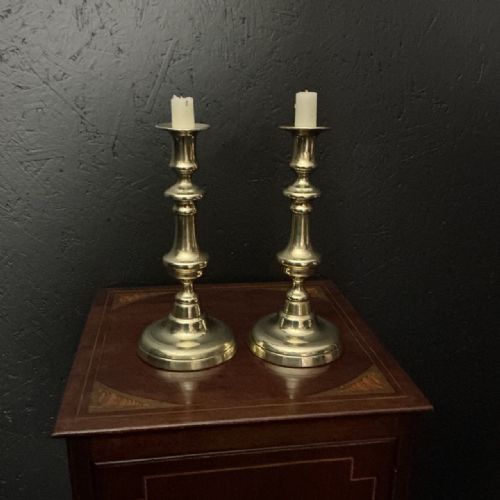
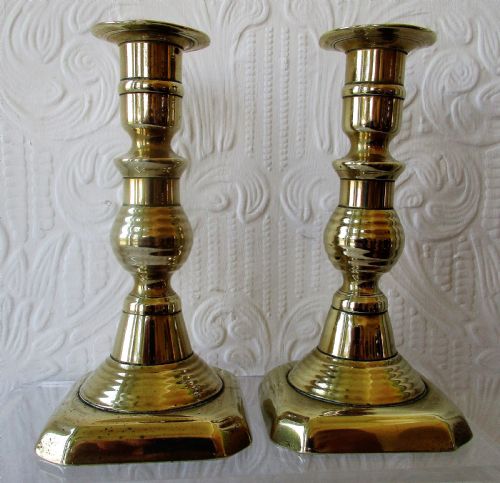
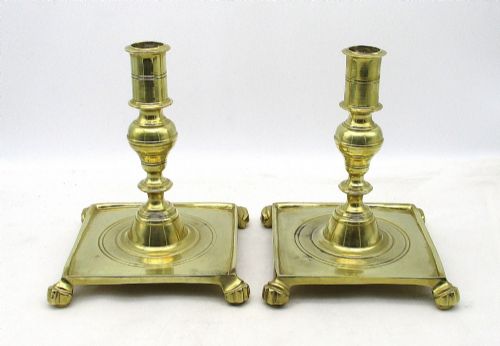
When you search for turned brass stems, you are looking at upright components shaped on a lathe, most commonly seen in pairs of candlesticks spanning the Georgian, Victorian, and Edwardian periods. These pieces bring a distinct metallic warmth and architectural structure to an interior, whether supporting a light or standing alone as decorative objects.
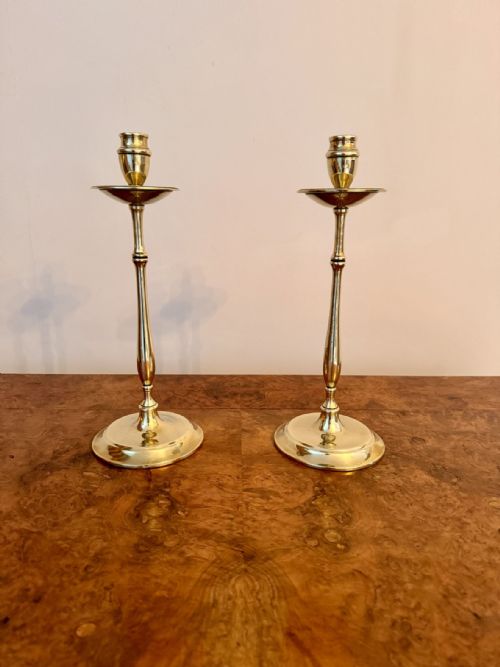
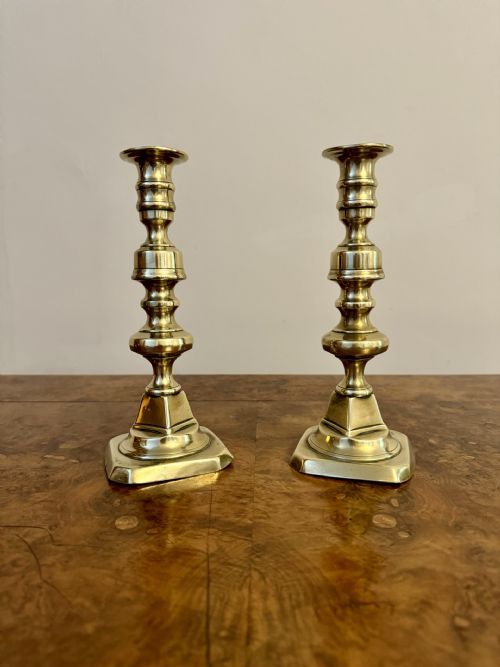
The version you are most likely to meet on this page is the Victorian or c1900 brass candlestick featuring a shaped, twisted, or tear-drop column on a fitted base. Alongside lighting, the search encompasses related forms such as tazzas and occasional tables that incorporate brass elements, reflecting the broader material palette of their respective eras.
How they were made
The primary material visible across these listings is brass, shaped through turning on a lathe to create cylindrical and tapered profiles. Makers also combined brass with mahogany, marble, and ebonised wood, particularly in tables and lamps where mixed media added weight and contrast to the design.
Cast components were frequently turned and finished on a lathe to achieve smooth contours and sharp decorative details. Construction methods rely on threaded joints, sockets, and fitted bases to secure the slender vertical stems firmly to their foundations.
Turned Brass Stems Retail Price Guide 2026
Typical asking prices for turned brass stems among the pieces listed under this phrase on Sellingantiques today, from the lower quarter to the upper quarter. They describe what is for sale here now, not the wider market.
Some slender nineteenth-century examples feature tear-drop columns that seem to defy gravity while steadfastly holding your dinner candles upright.
What varies in quality
Quality in these pieces rests on the crispness of the turning and the weight of the metal used in the stem. Heavier brass castings with deep, clean profiles and well-proportioned bases stand apart from lighter, simpler productions.
The integration of materials also defines the better examples, such as tightly fitted mahogany tops or cleanly set marble inserts. Finer specimens show careful attention to finishing details along the column and the base without excessive smoothing that softens the original lathe work.
The Turned Brass Stems Glossary
- Turning
- Shaping wood or metal by rotating it on a lathe against cutting tools. This technique produces the characteristic circular profiles seen on stems and columns.
- Tazza
- A shallow bowl or plate mounted on a stem and foot. These decorative serving pieces often utilise turned pedestals.
- Casters
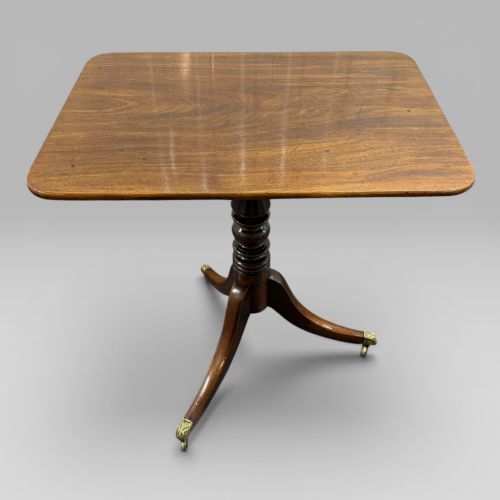
- Small swivel wheels attached to the legs of furniture to allow easy movement. They frequently appear in brass on period tables.
- Tilt-top
- A table top hinged to the pedestal so it can be tipped vertically when not in use. This mechanism allows the furniture to be stored compactly against a wall.
- Pedestal
- An upright architectural support or pillar. In these listings, pedestals provide the central elevation for tables and platters.
Turned Brass Stems: Frequently Asked Questions
What are turned brass stems?
Turned brass stems are cylindrical metal components shaped on a lathe, predominantly found supporting candlesticks and table lamps from the eighteenth to the early twentieth century.
They provide structural support while introducing a polished metallic element to domestic lighting and decorative objects.
How were brass candlesticks used?
These candlesticks provided portable indoor illumination before the widespread adoption of gas and electric lighting, carried from room to room as needed.
Today, they function primarily as decorative mantel or table objects, often displayed in pairs to create symmetrical arrangements.
How do I date a brass candlestick?
Dating relies on observing base shapes, column styles, and manufacturing marks, moving from heavy hexagonal Georgian bases to slender Victorian twists and c1900 turned profiles.
Examining the construction methods at the base and socket also helps determine the approximate period of manufacture.
How do I care for antique brass?
Antique brass requires minimal intervention, usually needing only a gentle dusting with a soft cloth to maintain its surface condition.
Aggressive cleaning should be avoided to preserve the natural oxidation and mellow tone accumulated over centuries.