





Turn of Century Counters
Turn of century counters bring robust daily utility and timeless character into modern rooms through sturdy timber construction and honest craftsmanship.
Turn of Century Counters
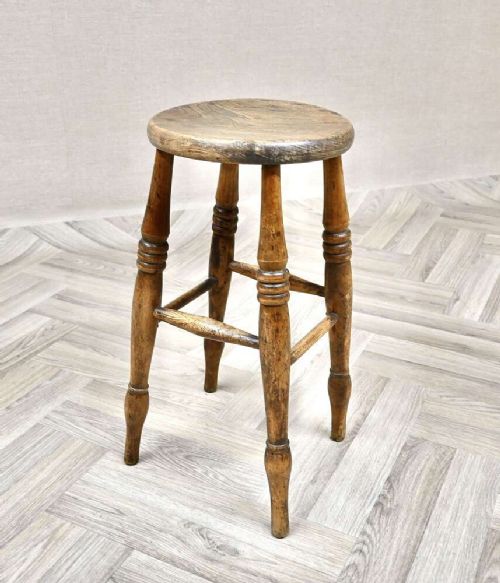
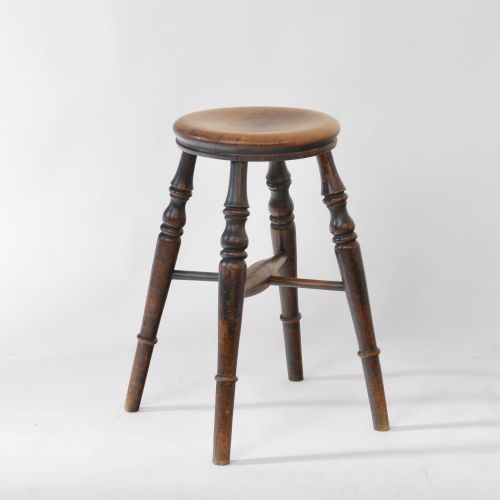
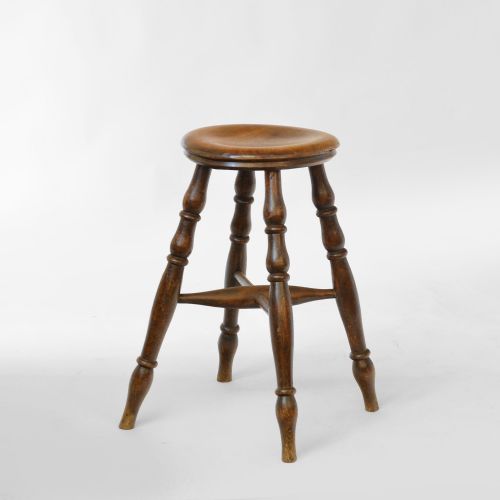
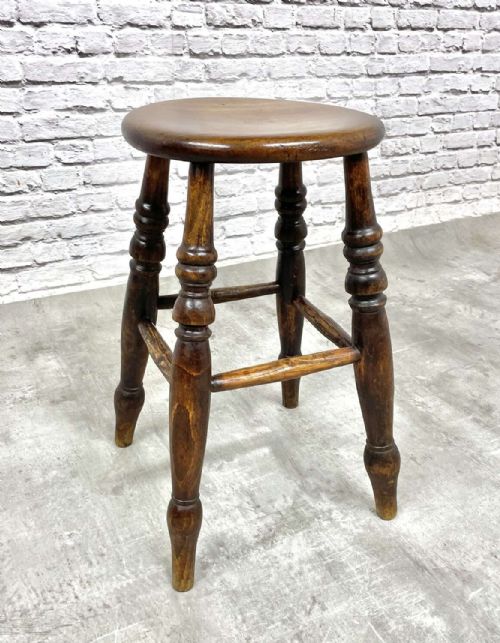
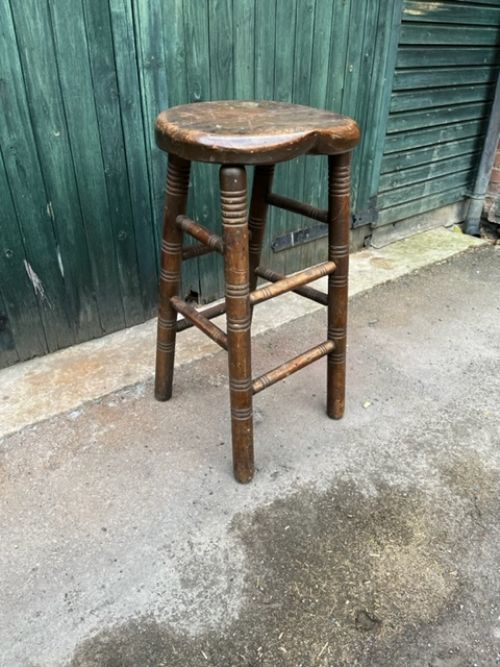
Turn of century counters and associated seating include practical tall stools, clerk's stools, and tavern seating from periods spanning the Georgian era through to Edwardian times. These pieces provide functional height and solid timber forms rooted in domestic and commercial workspaces of the past.
Buyers encountering this selection will most frequently meet nineteenth-century pub stools, clerk's stools, and turned wooden accessories fashioned for daily service. Such objects range from high bar stools to smaller utilitarian items shaped by vernacular traditions.
Materials and Construction
Items in this category rely heavily on dense domestic timbers such as elm, mahogany, pine, sycamore, beech, and ebony. Craftsmen shaped these woods using traditional turning techniques and simple joinery to withstand rigorous daily use in pubs, taverns, and offices.
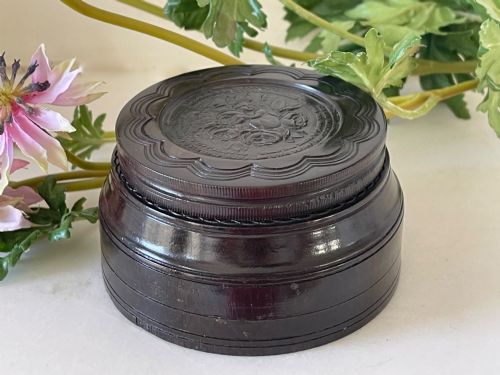
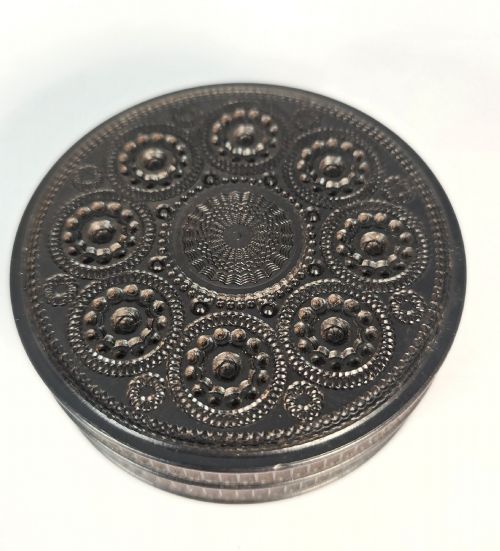
Surface finishing often highlights the natural grain of the hardwood or softwood while retaining the practical marks of heavy service. Engine-turned details and inlaid decorative elements appear on smaller boxes and containers alongside robust legs and seats on tall stools.
Assessing Quality and Character
Quality in these pieces rests upon the integrity of the timber, the balance of the turned components, and the survival of an honest patina. Heavier woods like lignum vitae or wild elm command attention through their substantial weight and durability.
The distinction between standard utility items and finer examples lies in the crispness of the turning, the harmony of proportions, and the undisturbed wear of age upon the seating surfaces.
The Turn of Century Counters Glossary
- Clerk's Stool
- A tall wooden seat traditionally used by writers and clerks at high desks. These pieces feature sturdy legs braced for stability during long hours of work.
- Vernacular
- Everyday objects designed for practical use rather than high fashion. This style draws on local building traditions and available regional timbers.
- Engine Turned
- A method of mechanical decoration using a lathe to cut precise geometric patterns into wood or bone. This technique appears on small boxes and treen.
- Treen
- Small handmade wooden domestic objects produced before the advent of modern plastics. Items range from string dispensers to small boxes.
Turn of Century Counters: Frequently Asked Questions
What are turn of century counters used for?
These items encompass tall seating and utilitarian wooden objects originally designed for taverns, offices, and domestic workspaces. Their sturdy construction made them ideal for daily commercial and writing tasks.
Today, buyers use these tall stools and turned wooden containers as functional seating or decorative accents in modern interiors. They bring a distinct historical utility to kitchen islands and living spaces.
What woods were commonly used for these pieces?
Makers utilised a variety of dense hardwoods and resilient softwoods depending on the intended function of the object. Elm, mahogany, beech, and sycamore appear frequently across the available selections.
Each timber offers specific structural advantages, such as the resilience of wild elm for seating or the fine grain of boxwood and ebony for small turned containers.
How should I care for antique wooden stools?
Maintain antique wooden surfaces by keeping them away from direct heat sources and sudden humidity changes. Regular dusting with a soft, dry cloth preserves the historic finish.
Avoid using harsh chemical polishes that can strip the natural patina accumulated over centuries of service. Application of traditional wax occasionally helps nourish dry timber.