

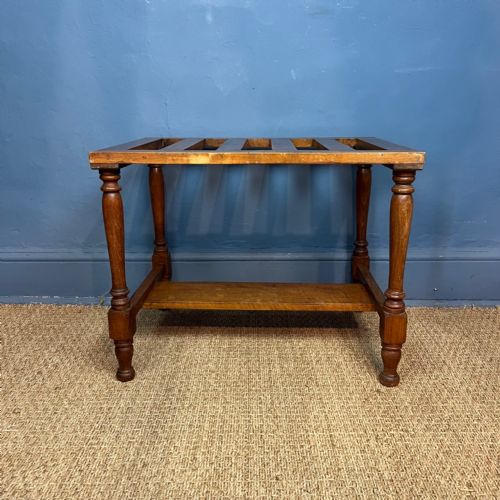
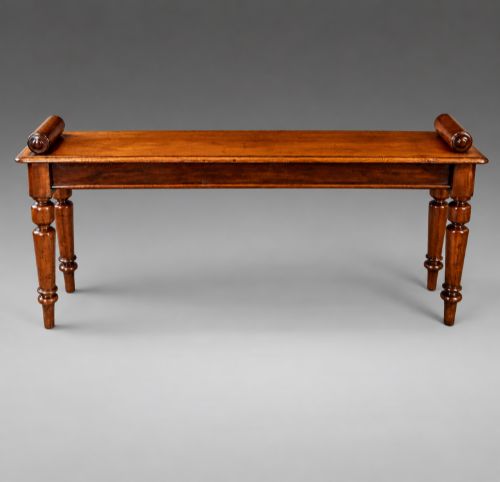
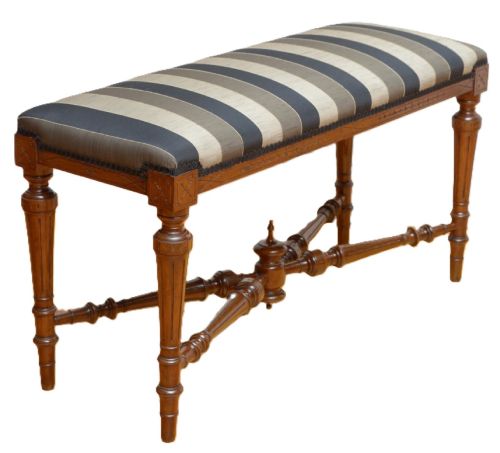
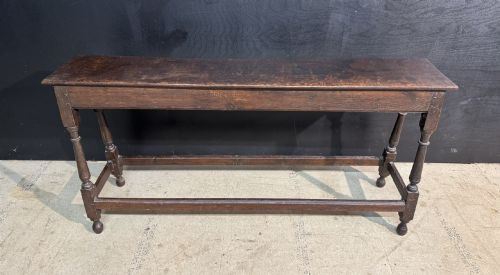
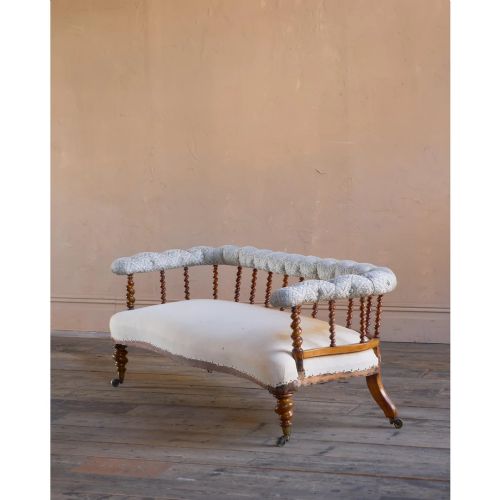
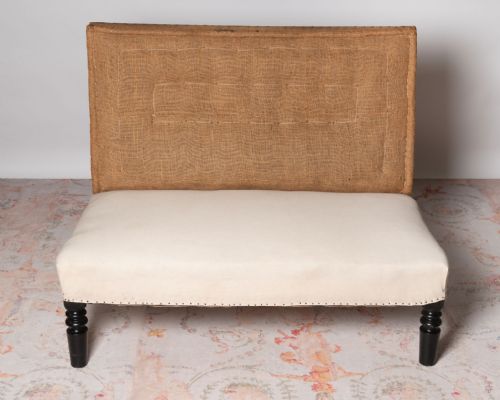
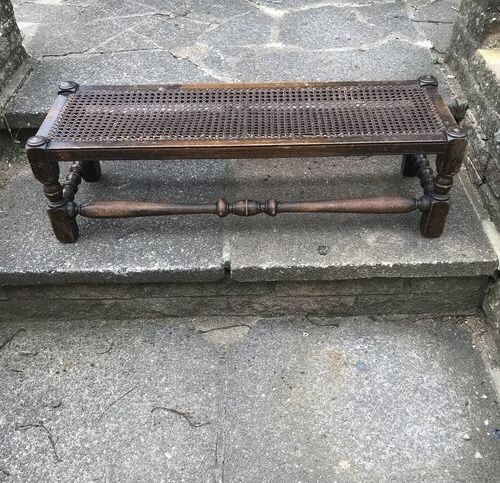
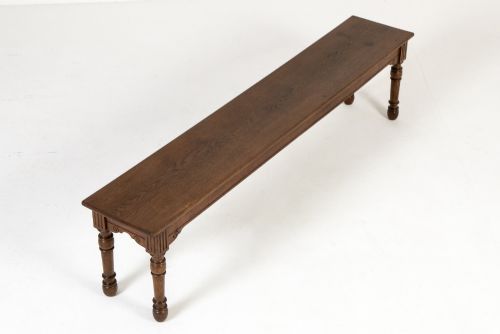

Turn of Century Bench
A turn of century bench brings practical seating and period character into a hallway, bedroom or living space.
Turn of Century Bench
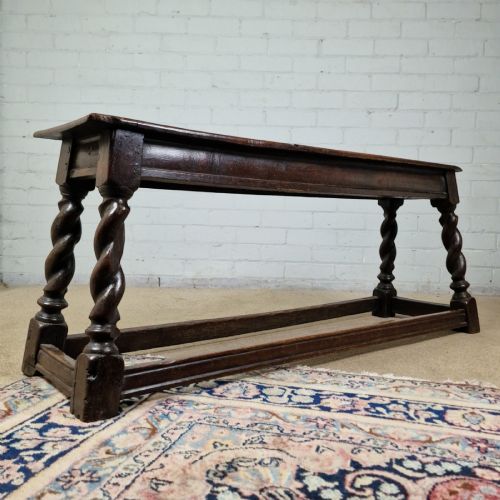
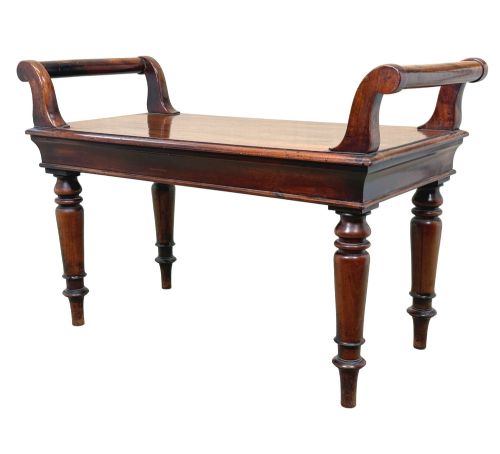
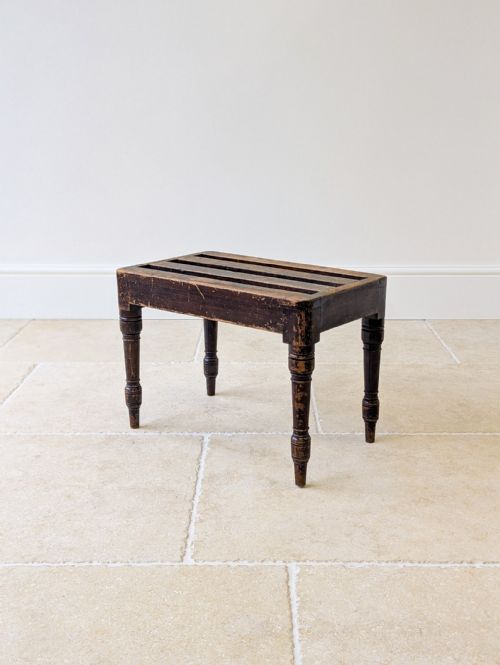
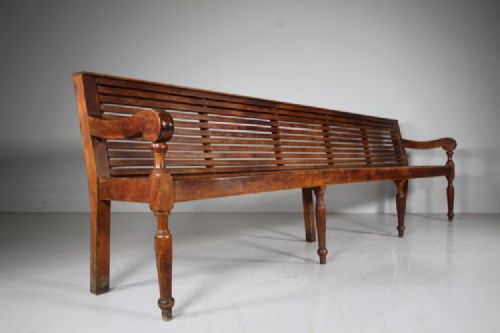
When you search for a turn of century bench, you enter a diverse category spanning robust oak joint benches, elegant mahogany window seats, and slatted waiting room designs. These items cross multiple forms including settles, banquettes, and daybeds, reflecting both formal reception rooms and rustic country interiors.
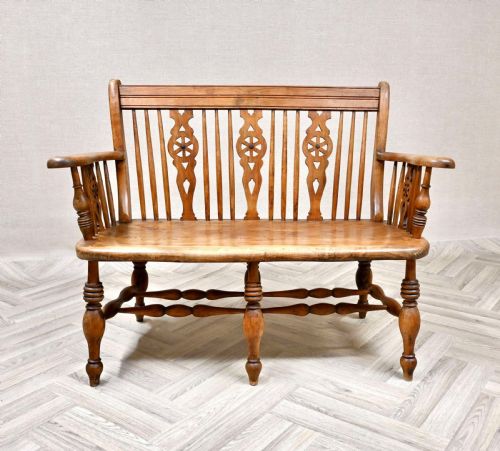
The pieces appearing most frequently draw on Victorian, Edwardian, and regional revival styles from around nineteen hundred. Buyers encounter everything from narrow hall benches to long spindle back salon sofas and low prayer stools, matching varied spatial requirements.
Origins stretch from English country houses to French provincial workshops, incorporating global examples such as Anglo Indian daybeds and South African stinkwood seating. This geographical breadth ensures a wide variety of turned legs, carved frames, and structural proportions.
Materials and construction
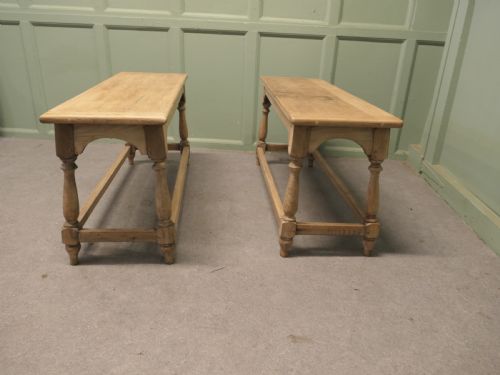
Cabinetmakers utilised dense hardwoods including mahogany, oak, walnut, beech, and chestnut for structural frames, sometimes adding burr maple or stinkwood veneers. Joinery relied on traditional pegged mortise and tenon joints, particularly on joint stools and settles.
Surfaces often feature turned legs, bobbin turnings, or carved details executed by hand. Upholstered variants integrate fabric, cane, or linen webbing supported by brass fittings or cast steel components.
Turn of Century Bench Retail Price Guide 2026
Typical asking prices for turn of century bench among the pieces listed under this phrase on Sellingantiques today, from the lower quarter to the upper quarter. They describe what is for sale here now, not the wider market.
One robust candidate even began life as a heavy club fender originating from The In & Out Club.
Assessing quality in seating
The standard of a piece rests on the integrity of its timber frame and the crispness of any carved or turned ornamentation. Well proportioned examples maintain structural stability without relying on excessive modern reinforcement.
Original surface finishes, whether polished mahogany, bleached oak, or painted French frames, separate superior survivals from heavily altered items. The quality of secondary materials, such as cane webbing or upholstery stuffing, also dictates the overall standard.
C. Hindley & Sons·Brown & Lamont
The Turn of Century Bench Glossary
- Joint Stool
- A sturdy wooden stool constructed with mortise and tenon joints pegged together rather than glued. These early forms served multiple household purposes.
- Window Seat
- An elongated stool or bench designed specifically to fit the architectural recess of a bay or window. They frequently feature upholstered tops and raised ends.
- Settle
- A wooden wooden bench with a high solid back intended to block drafts, often incorporating a hinged seat for storage. They remain staples of country house interiors.
- Luggage Stand
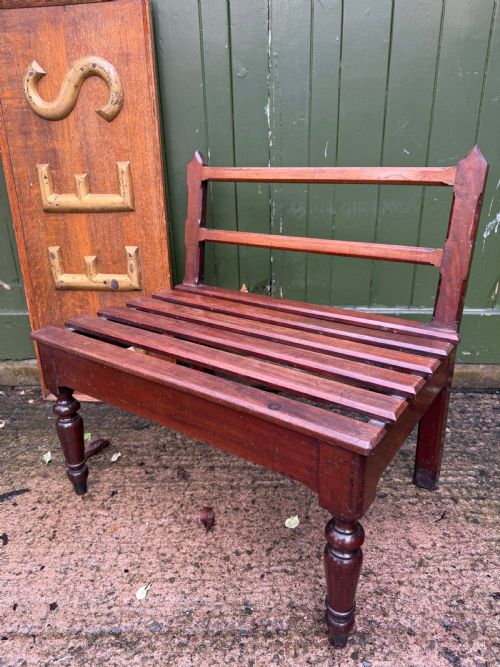
- A low folding or rigid bench traditionally placed in guest bedrooms to hold travelling trunks. They often feature deep proportions and raised rear upstands.
- Bobbin Turning
- A type of furniture leg or stretcher shaped on a lathe to resemble a series of small bobbins or spools end-to-end. This decorative technique appears frequently on nineteenth-century seating.
Turn of Century Bench: Frequently Asked Questions
Where should I place a turn of century bench?
These benches suit narrow entrance halls, narrow window alcoves, or the foot of a bed where surface space is limited. Their varied profiles allow them to function as standalone decorative items or practical seating.
Selecting the right scale ensures the piece complements surrounding furniture without blocking interior pathways.
How do I care for antique wood and cane?
Dust wooden frames regularly with a soft dry cloth and feed the timber periodically with appropriate wax. Avoid placing cane or upholstered seats in direct sunlight or near heat sources to prevent drying.
Gentle maintenance preserves the original patina and structural integrity of the materials over decades of daily use.
Can I use an antique luggage stand as a bench?
Luggage stands are built with low platforms intended to support heavy trunks rather than human weight. Utilising them for seating requires careful inspection of the webbing and frame capacity.
Many period examples serve well as occasional display surfaces or low coffee tables instead.