



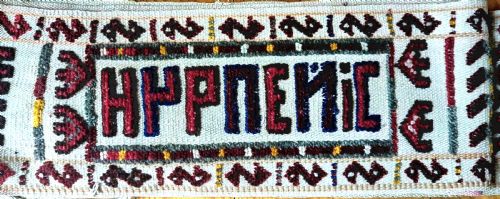

Turkmenistan Woven Carpet
A turkmenistan woven carpet brings the bold geometric rhythms of Central Asian nomadic life straight to the floor.
Turkmenistan Woven Carpet
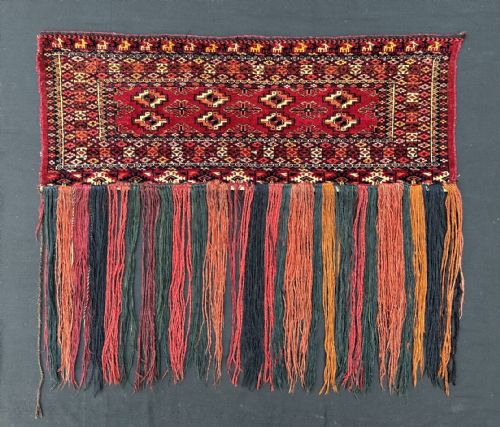
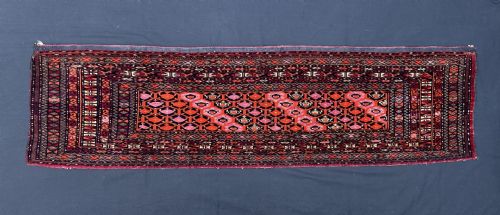
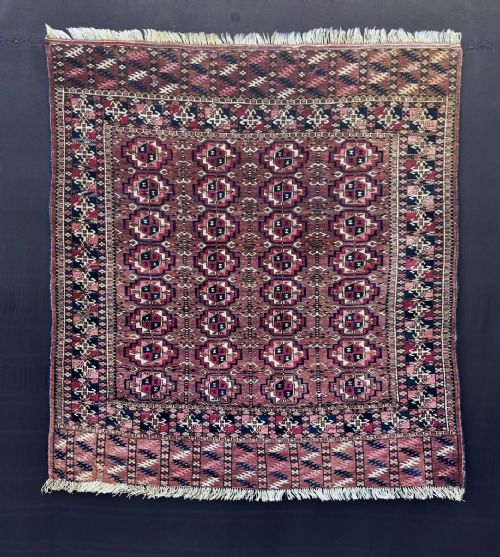
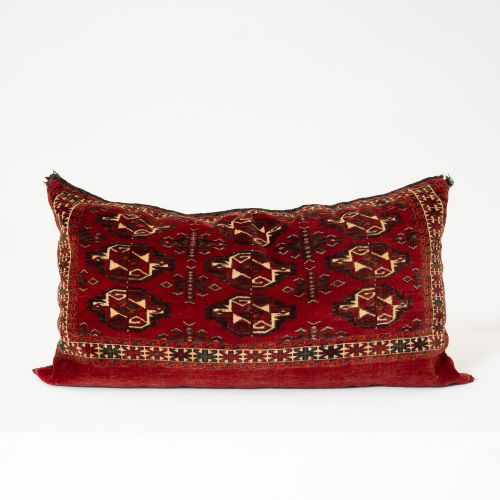
When you search for a turkmenistan woven carpet, you encounter the rich textile heritage of Central Asian tribes such as the Teke, Yomut, Sariq, Karadashli, and Ersary. These pieces range from utilitarian storage bags and tent bands to wedding camel trappings, prayer engsis, and larger floor rugs originating from oases and steppes.
Forms vary from square storage bagfaces known as chuvals and torbas to long tent bands and horse saddle rugs. Each piece reflects the specific tribal identity and practical domestic life of its makers through distinct structural formats.
Wool and Natural Dye
The makers relied primarily on hand-spun wool, paired occasionally with cotton and linen for foundations or supplementary details. This wool was gathered locally and spun by hand to create durable yarns capable of withstanding harsh nomadic conditions.
Colour was achieved through natural dyes that produced deep madder reds, aubergines, and contrasting dark tones. These organic colorants interact with the wool fibres to yield rich patinas that deepen over generations of use.
Listings feature wool, natural dyes, hand-spun wool, cotton, and linen across pieces dated from the eighteenth to the early twentieth century.
Handle and Precision
Quality rests in the tightness of the weave and the crispness of the tribal guls and secondary motifs. Finer knots and disciplined structural execution create a supple handle that distinguishes master work from ordinary production.
The depth and clarity of the natural dye palette separate exceptional pieces from duller examples. Vibrant madder reds combined with balanced contrasting tones elevate the visual impact of the textile.
The Turkmenistan Woven Carpet Glossary
- Gul
- A medallion motif repeated across tribal weavings to identify specific clans or groups. These primary octagonal forms anchor the field design.
- Chuval
- A large rectangular storage bag used within nomadic tents for household possessions. They often feature rows of major guls.
- Engsi
- A tribal door rug hung at the entrance of a yurt. These feature a characteristic quartered field design.
- Asmalyk
- A ceremonial pentagonal trapping hung on the flanks of a bride's wedding camel. They display elaborate ornamentation.
- Soumak
- A flatweave technique utilising wrapping threads over warp foundations. This method produces a textured, durable surface.
Turkmenistan Woven Carpet: Frequently Asked Questions
What is a turkmenistan woven carpet?
It is a hand-knotted or flatwoven textile created by nomadic and tribal groups in Central Asia. These items include floor rugs, tent bands, and household trappings.
They reflect centuries of regional design traditions, utilising characteristic wool foundations and natural colour palettes.
How were these rugs used?
Nomadic families utilised them as functional objects within portable dwellings known as gurt or tents. They served as storage bags, bedding sacks, door hangings, and animal trappings.
Over time, many transformed from daily utensils into valued wedding items and decorative centerpieces.
How do I clean an old carpet?
Maintenance requires gentle vacuuming without rotating brushes to protect fragile antique wool fibres. Professional textile conservators should handle any wet cleaning.
Harsh detergents and excessive moisture damage natural dyes and weaken hand-spun wool foundations.
How do I tell tribal groups apart?
Different tribes like the Teke, Yomut, and Ersary employed distinct structural markers, colour palettes, and primary medallion guls. Yomut weavings often display specific hooked motifs and varied borders.
Teke pieces favor deep madder reds with precise, repeated octagonal guls across structured fields.