


Turkmenistan Tribal Carpet
These turkmenistan tribal carpet pieces are resilient woven testaments to nomadic heritage, offering rich madder hues and bold geometric guls that anchor any serious interior.
Turkmenistan Tribal Carpet
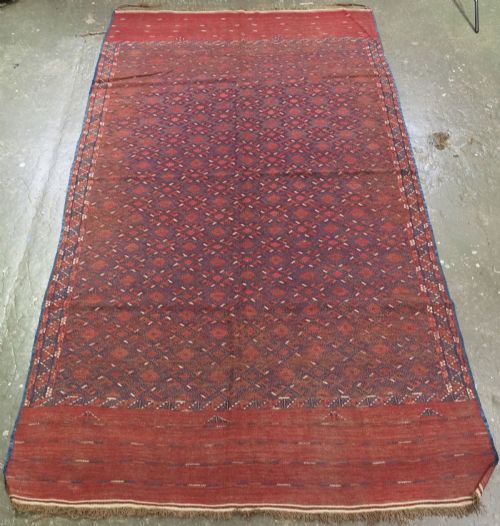
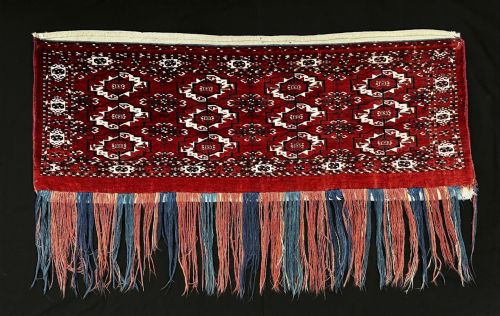
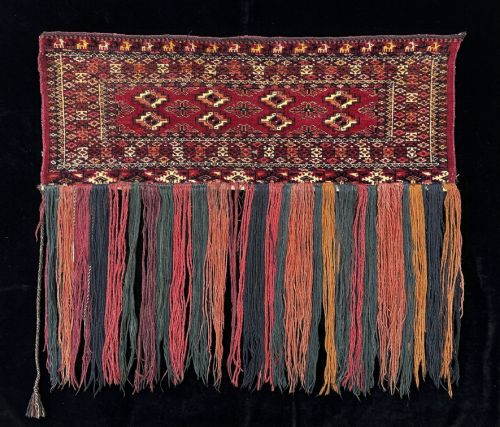
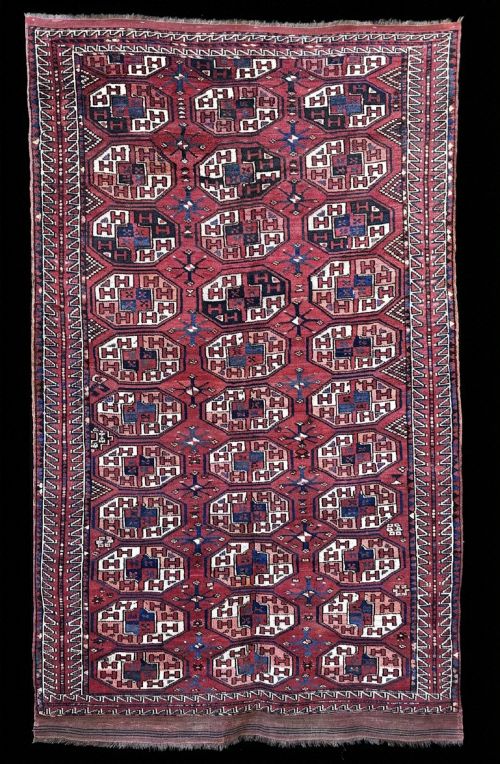
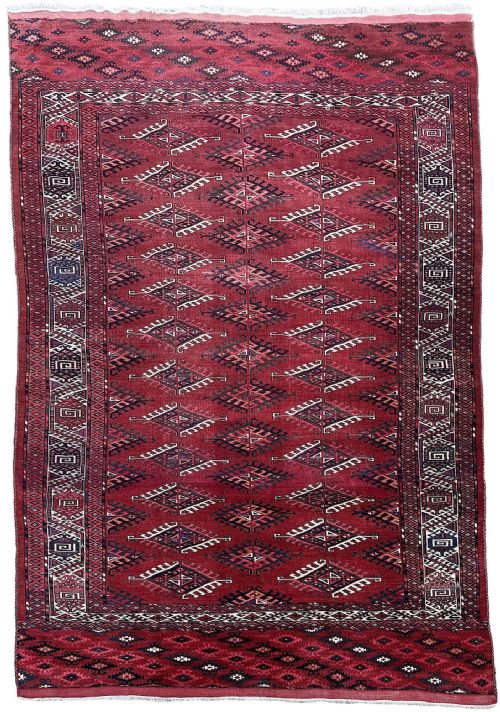
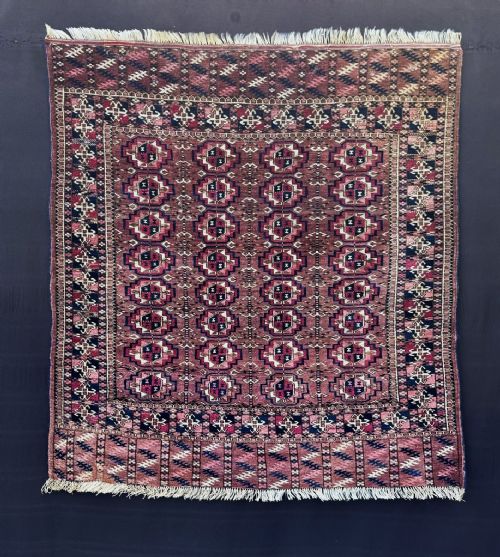
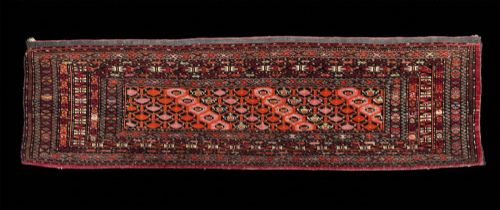
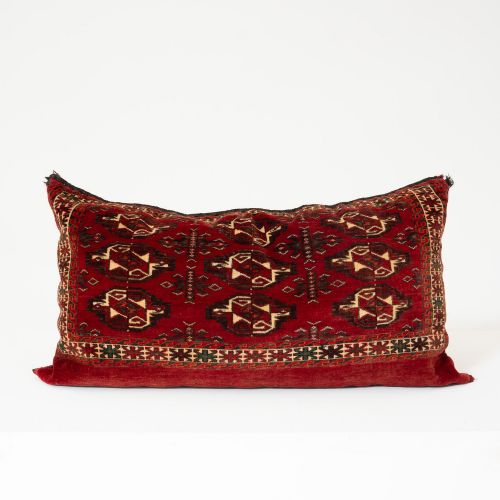
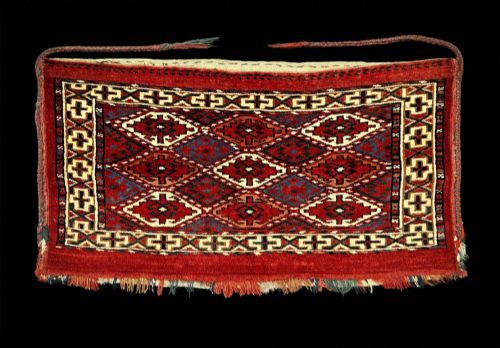
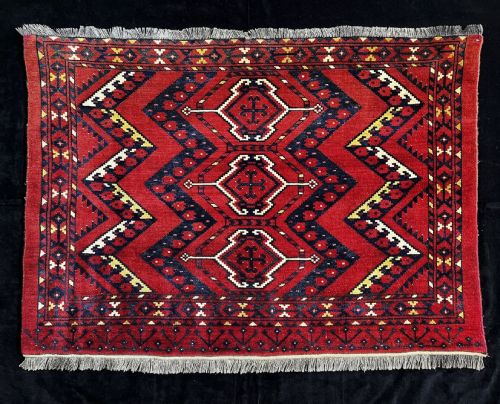
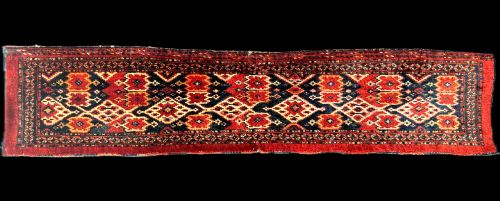
A turkmenistan tribal carpet search reveals deeply geometric textiles originating from nomadic and oasis groups across Central Asia, spanning the eighteenth century through to the early twentieth century. You are most likely to encounter smaller utilitarian forms such as chuvals, torbas, and kap storage bags alongside larger main carpets and wedding trappings.
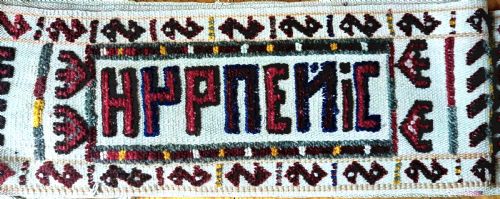
Tribal weaving traditions in this region are tied to specific groups like the Yomut, Teke, Sariq, Ersary, and Kizyl Ayak tribes, each identifiable by distinct primary motifs and palette choices. These items served functional roles within nomadic dwellings, functioning as floor coverings, camel trappings, tent bands, and wall hangings rather than purely decorative parlour items.
Materials and construction methods
Makers utilised locally sourced wool, frequently hand-spun to create sturdy foundations and dense pile surfaces that could withstand heavy daily use in nomadic environments. Cotton and linen appear alongside wool, particularly in structural elements or specific regional weaving traditions.
Colour comes from natural dyes, yielding deep reds, madder tones, and secondary shades that mellow gracefully with age. The integration of wool with these botanical and mineral colorants forms the technical core of every piece seen in the listings.
Turkmenistan Tribal Carpet Retail Price Guide 2026
Typical asking prices for turkmenistan tribal carpet among the pieces listed under this phrase on Sellingantiques today, from the lower quarter to the upper quarter. They describe what is for sale here now, not the wider market.
Listings span from the 18th century to 1920, covering wool, cotton, linen, and natural dyes across multiple tribal groups.
Assessing quality in nomadic weaving
Knot density and the precision of the geometric layout dictate the baseline technical standard of a textile, distinguishing careful tribal work from hurried production. Handling reveals whether the wool retains its natural lanolin, which contributes to suppleness and resilience.
The depth, saturation, and stability of the natural dyes separate exceptional examples from standard pieces, as does the crispness of the drawing within tribal guls and minor ornaments. Completeness of original side cords and finishes further elevates a piece within its regional class.
Yomut Tribes·Teke Tribes·Sariq Tribe·Ersary Tribes·Kizyl Ayak Tribe
The Turkmenistan Tribal Carpet Glossary
- Gul
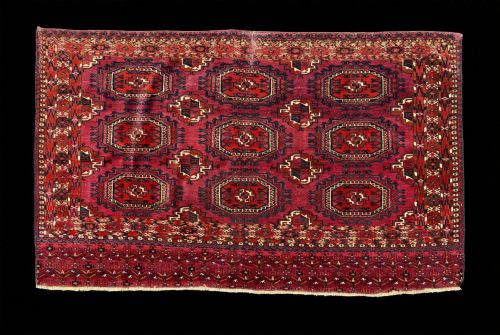
- Gul. A primary octagonal medallion or repeated design motif characteristic of Central Asian tribal carpets, often varying by specific tribe.
- Chuval
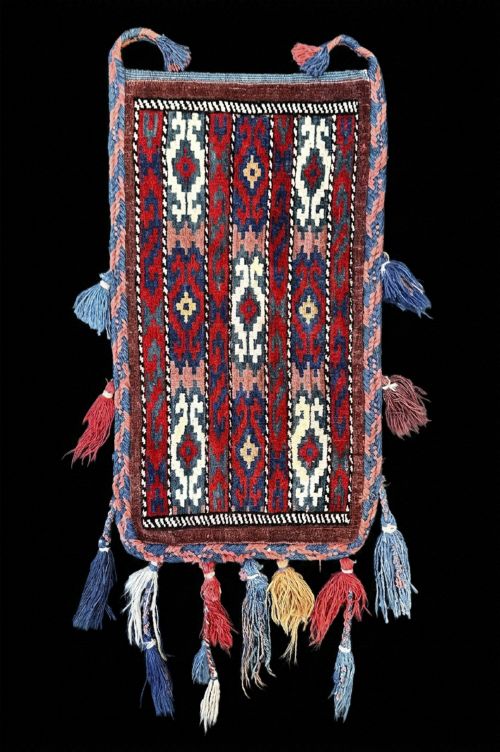
- Chuval. A large nomadic storage bag face, woven in pile technique and used within the tent for household goods.
- Torba
- Torba. A smaller storage bag than the chuval, generally wider than it is high, traditionally hung on the interior lattice walls of a yurt.
- Asmalyk
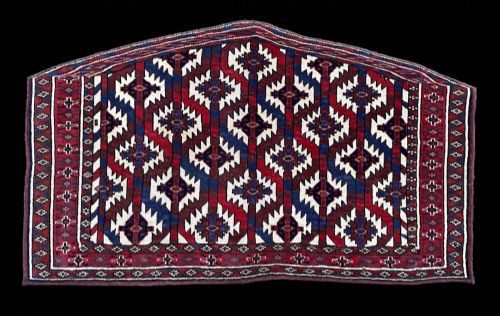
- Asmalyk. A pentagonal trapping mounted on the flanks of a camel during wedding processions and festive ceremonies.
- Ensi
- Ensi. A small carpet featuring a cross-panel design, used primarily as a tent door hanging.
Turkmenistan Tribal Carpet: Frequently Asked Questions
How were these bags used originally?
Nomadic families utilised these woven pieces inside their yurts for storing bedding, clothing, and household provisions, protecting contents from dust and dampness.
Many items functioned as functional architecture, dividing interior spaces or decorating tent poles during daily nomadic life.
What is a gul motif?
The gul is a recurring octagonal medallion that acts as the principal design element in most Central Asian tribal carpets, often signifying specific ancestral lineages.
Different tribes adapted these geometric shapes with unique secondary ornaments, making the motif a reliable indicator of origin.
How do I care for an old rug?
Keep these textiles away from direct sunlight to protect natural dyes from fading, and vacuum them gently using low suction without rotating brush bars.
Allow air circulation beneath the piece and consult a specialist in antique textiles for professional cleaning when necessary.
Can I hang a textile on the wall?
Mounting a rug or bagface on a wall is a practical way to display fragile formats like tent bands or asmalyks safely out of the path of foot traffic.
Use a professional sleeve method or non-invasive stitching to distribute the weight evenly across the entire upper edge.