

Turkmen Tribal Textile
When you explore a turkmen tribal textile, you handle woven and embroidered utilitarian items made by nomadic and tribal groups across Central Asia.
Turkmen Tribal Textile
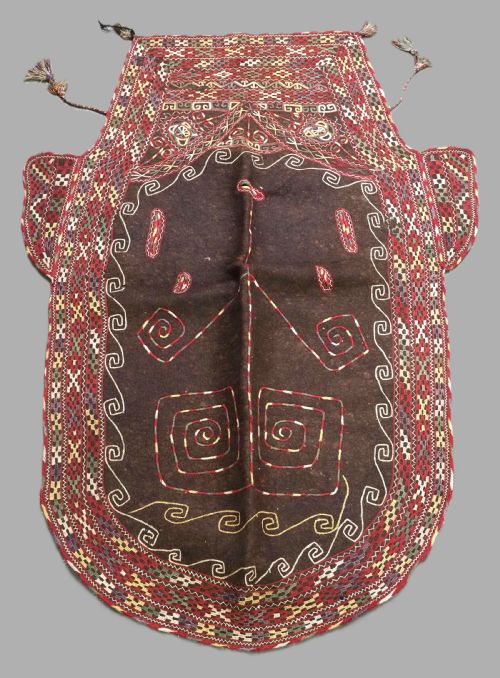
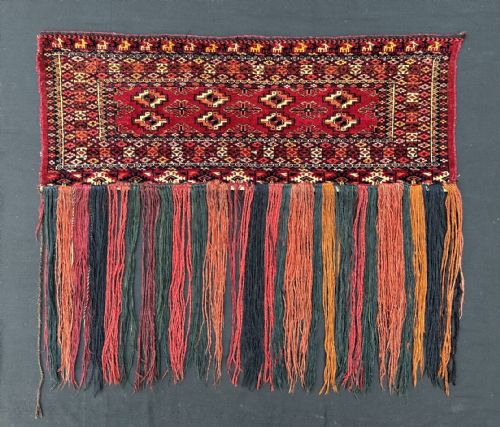
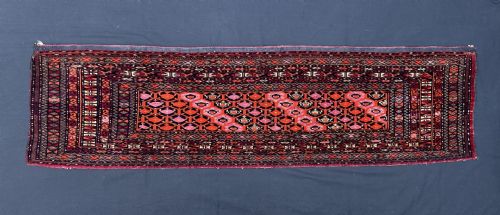
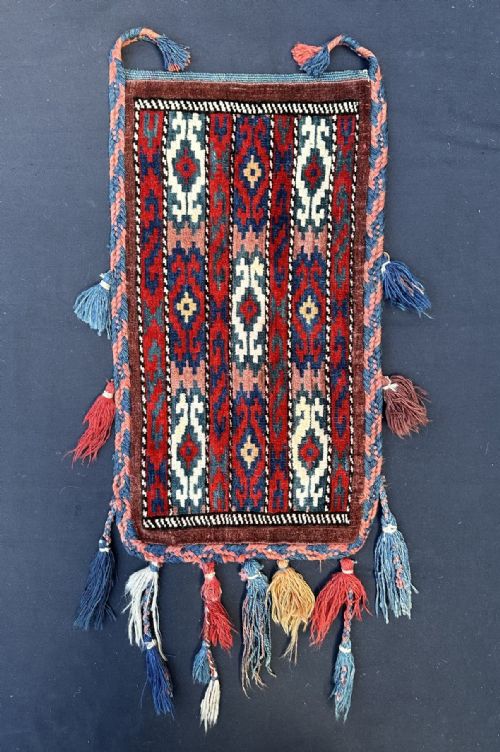
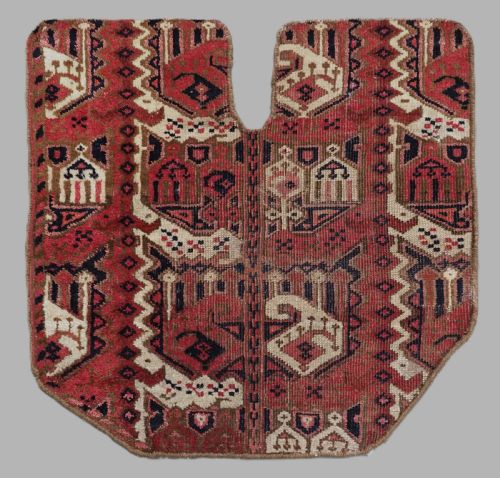
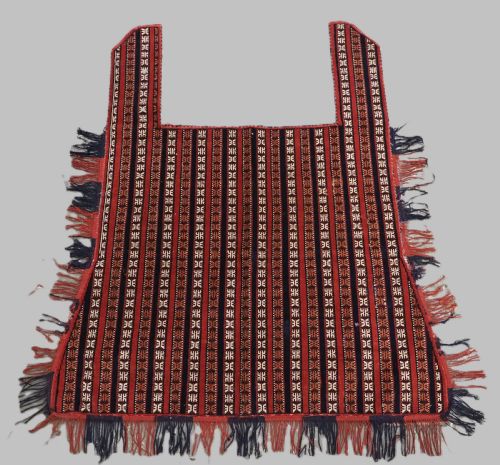
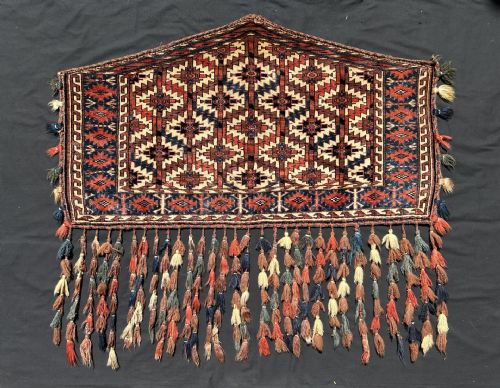
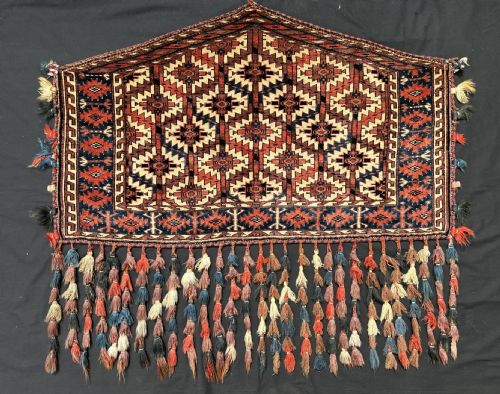
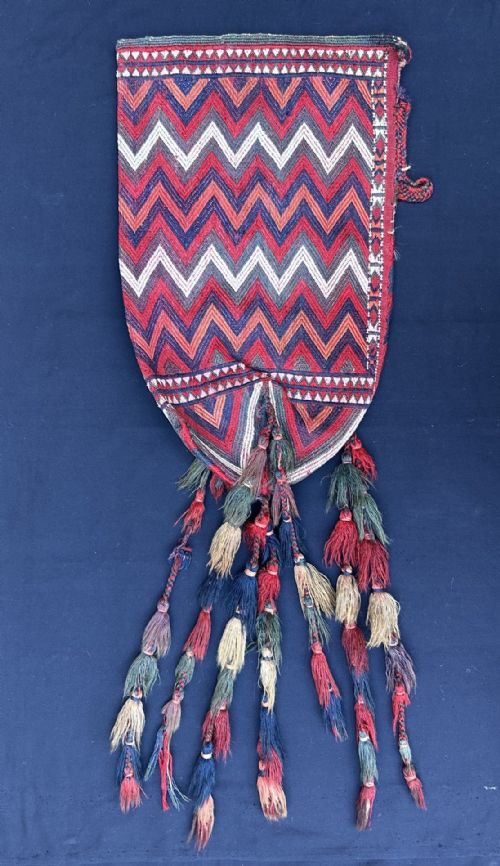
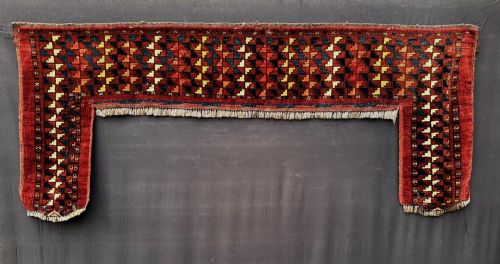
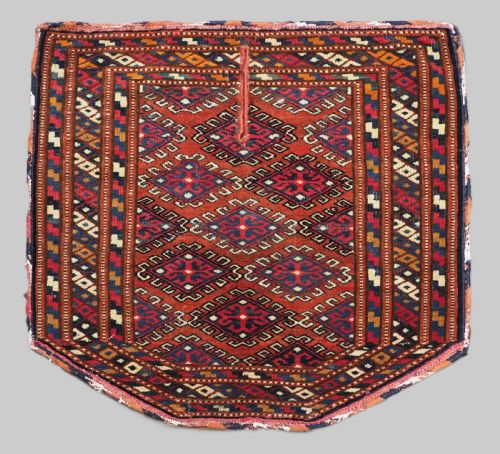
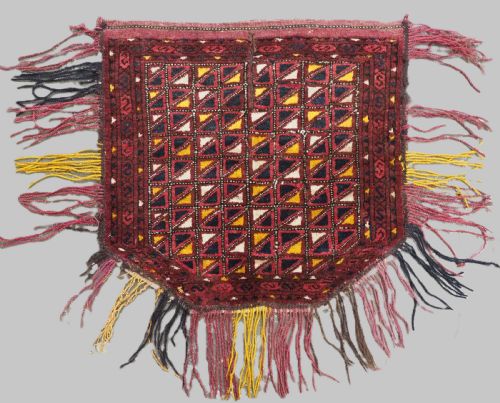
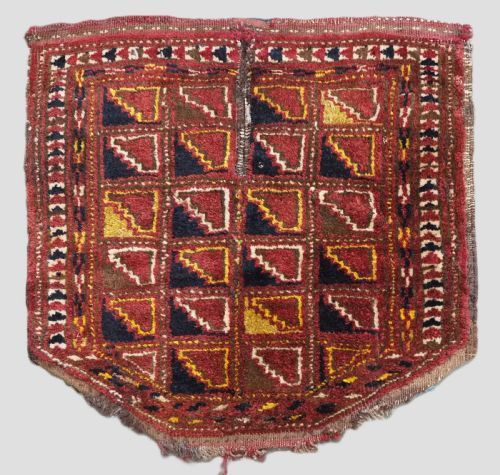
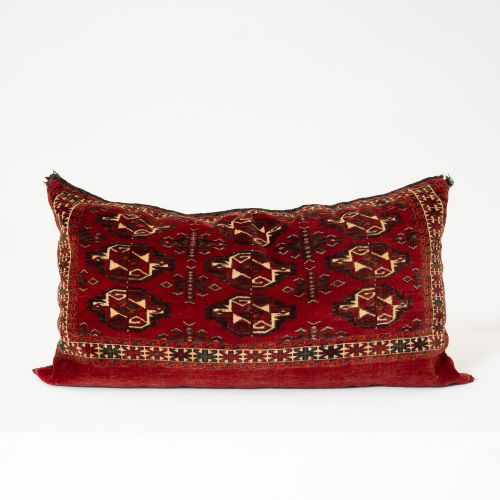
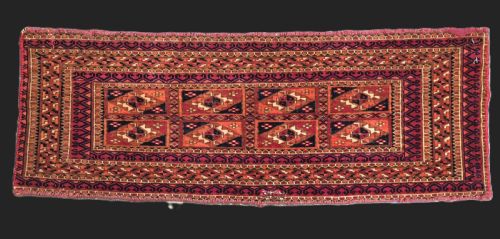
A turkmen tribal textile encompasses functional household items, tent furnishings and horse trappings produced across the Trans-Caspian steppes and oases from the middle of the nineteenth century into the early twentieth century. These items include asmalyks, torbas, chuvals, kap, jollars and spindle bags created by specific tribal groups such as the Yomut, Tekke, Ersari, Saryk and Sariq.
The objects served distinct practical roles within nomadic camp life, from storage bags and bedding sacks to ceremonial covers for horses and camel wedding litters. Pieces range from complete double-sided bags with original plain weave backs to single faces and fragmentary survivals displaying tribal motifs.
Makers utilised traditional formats tied to domestic organisation, meaning forms like the torba and chuval follow consistent rectangular proportions suited to hanging inside a felt tent or yurt. Tribal identity manifests through recurring structural layouts and distinctive primary guls associated with particular clans.
Materials and construction
Makers constructed these textiles primarily from hand-spun wool foundations, incorporating cotton and felted wool elements alongside natural dyes. Surface decoration frequently employs intricate wool pile knotting, supplemented by cotton thread and silk thread highlights on embroidered ceremonial pieces.
Nomadic weavers relied on local resources, extracting natural colourants to dye the fleece before working on horizontal or vertical looms set up in camp. Certain examples incorporate felted wool bases, notably ceremonial horse blankets, which receive hand-applied embroidery.
Structural integrity depended on tight knotting or dense embroidery stitches, with many bag faces featuring sturdy plain weave backs designed to bear the weight of daily use. Detail work such as original tassels and braided edgings finished the construction process.
Listings feature pieces spanning from the mid-nineteenth century to the early twentieth century, utilising wool, cotton, silk and natural dyes.
Assessing quality and execution
Quality rests upon the fineness of the weave, the clarity of the tribal motifs and the depth of the natural dye palette. Tightly packed pile and precise geometric definition distinguish superior examples from standard utilitarian work.
The Turkmen Tribal Textile Glossary
- Asmalyk
- A pentagonal or polygonal trapping produced for wedding ceremonies, traditionally hung on the flanks of a bride's camel. These decorative pieces display distinct tribal motifs.
- Torba
- A small storage bag used inside a tent to hold personal possessions or small household items. They usually feature a horizontal format with a patterned face.
- Chuval
- A large tent bag utilised for storing bedding, carpets or heavy woollens. These storage sacks often present repeated guls across the primary field.
- Gul
- A primary medallion or repeating motif used in carpet and textile design, often characteristic of a specific tribe or clan. These emblems carry traditional symbolic meaning.
- Kap
- A general term for a bag or small container used in nomadic daily life for storage purposes. They appear in various rectangular and square formats.
Turkmen Tribal Textile: Frequently Asked Questions
What were these textiles used for?
Nomadic families utilised these woven and embroidered pieces for daily storage, tent organisation and transport across Central Asia. Bags held bedding, clothing and small domestic items within the portable yurt.
Other items served ceremonial functions during weddings and tribal gatherings. Horse covers, camel trappings and marriage hangings demonstrated status and clan identity through specific patterns.
How do I identify different tribes?
Tribal attribution relies on specific structural formats, colour palettes and primary medallion designs known as guls. Yomut, Tekke, Ersari and Saryk weavers each employed distinct geometric vocabularies.
Edge borders, secondary motifs and minor ornamentations also provide clues to origin. Comparing the arrangement of the main field to documented tribal styles clarifies provenance.
How should I display them at home?
Many collectors mount these flat textiles on walls as textile art or display smaller torbas and bags on flat surfaces. Proper support distributes the weight evenly across the fabric.
Protecting the wool and natural dyes from direct sunlight preserves the colour balance. Keeping pieces away from excessive moisture ensures the longevity of the natural fibres.
What is a torba compared to a chuval?
A torba is a smaller horizontal storage bag designed for general items inside the tent. They typically measure smaller than their storage counterparts.
A chuval is a significantly larger bag intended for bulky items like bedding and heavy textiles. Both share utilitarian roots but serve different capacity requirements in nomadic life.