


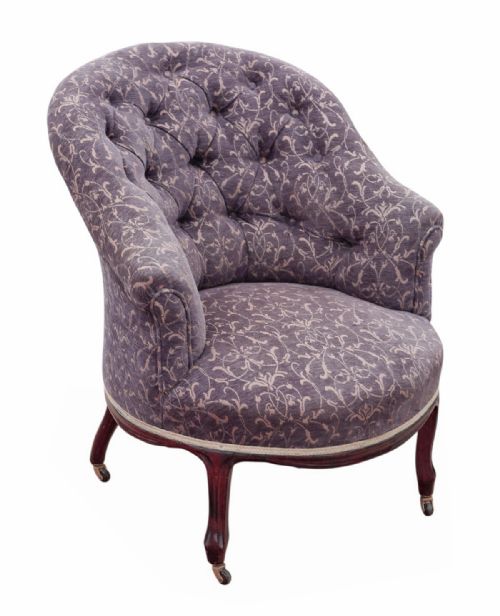


Tufted Back Slipper Chair
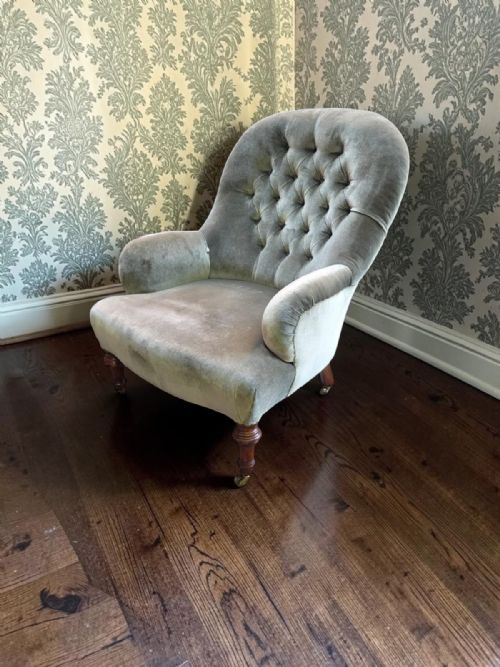
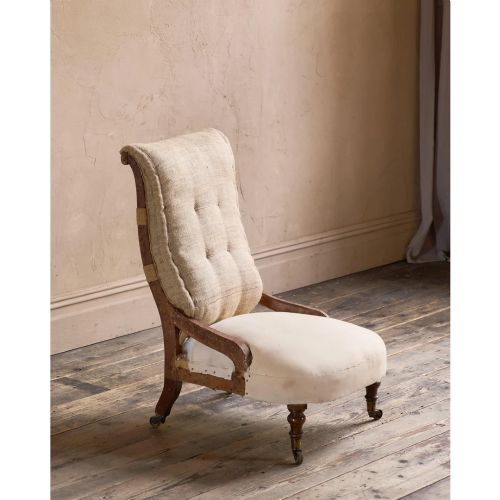
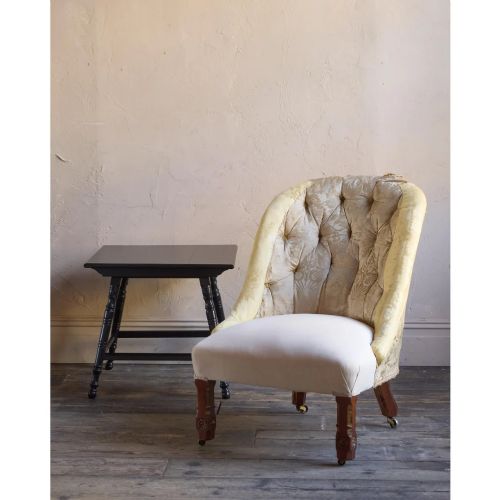
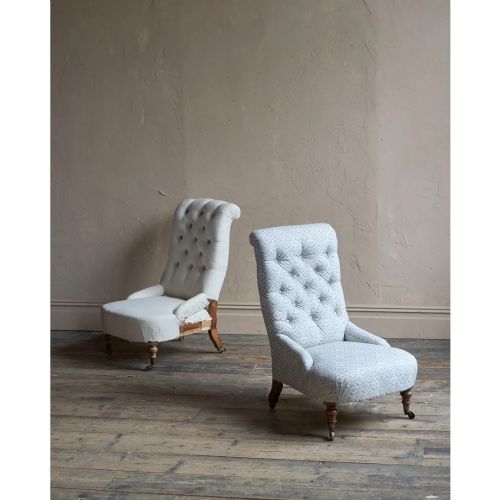
A tufted back slipper chair brings low, sprung comfort to the bedroom or salon, prized for its deep buttoning and low frame.
Tufted Back Slipper Chair
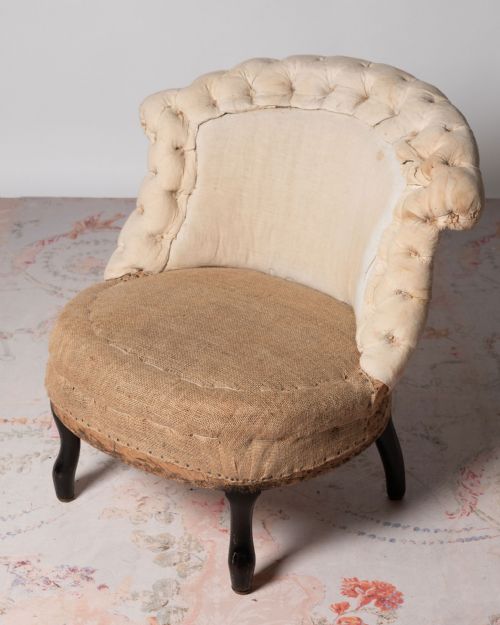
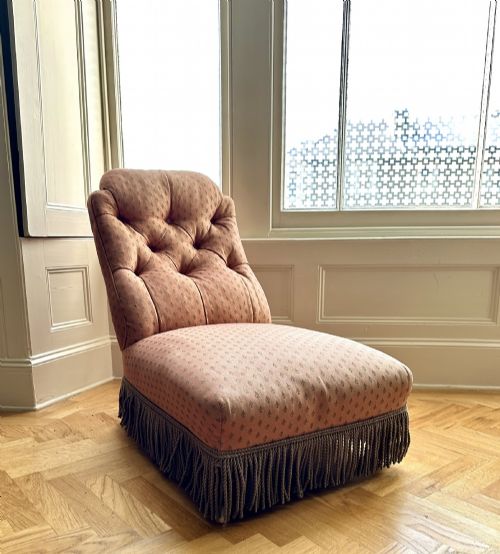
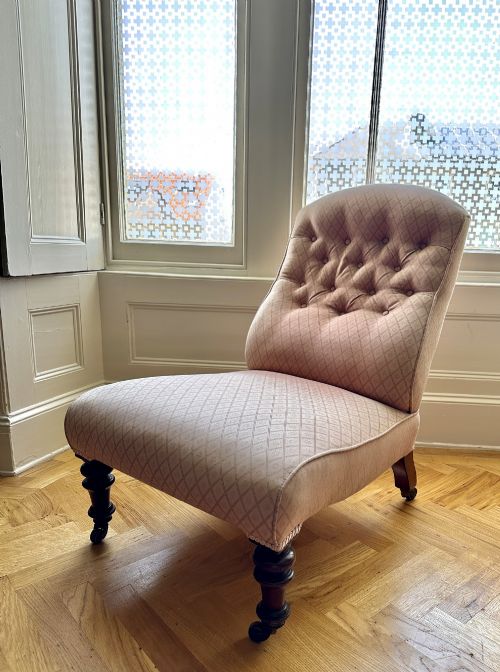
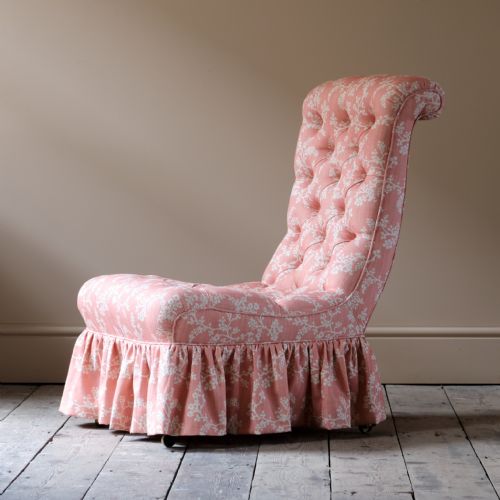
A tufted back slipper chair is a low-slung, upholstered seat designed historically for dressing rooms and bedrooms. These chairs appear frequently across the Victorian and Edwardian periods, alongside related forms such as nursing chairs, tub chairs, and bedroom chairs.
The pieces on this page span the nineteenth century into the early twentieth century, showing influences from Victorian and Edwardian aesthetics as well as French nineteenth-century and William IV designs. Buyers encounter low-profile frames intended for comfort close to the floor, often set on castors or low wooden legs.
Makers such as Howard and Sons, Gillows, and Holland and Sons appear among the listings, alongside unattributed English and French examples. Forms range from curvaceous slipper seats to iron-back armchairs and spoon-back nursing seats.
How they were made
Frames rely on timber skeletons of mahogany, walnut, or ebonised and gilt wood, occasionally incorporating iron back supports. Upholsterers built up the seat using traditional stuffing and springs before covering the frame in velvet, fabric, linen, or cotton.
Button upholstery requires deep tufting through the padding to secure the fabric and create the characteristic gathered pattern. Details like brass castors, fringe trim, and carved woodwork finish the construction of these nineteenth-century seats.
Tufted Back Slipper Chair Retail Price Guide 2026
Typical asking prices for tufted back slipper chair among the pieces listed under this phrase on Sellingantiques today, from the lower quarter to the upper quarter. They describe what is for sale here now, not the wider market.
Design styles span Victorian and Edwardian periods alongside French nineteenth-century and William IV examples.
What varies in quality
The distinction between standard production and exceptional workshop output lies in the integrity of the frame and the precision of the upholstery. Pieces bearing attribution to established makers like Howard and Sons or Gillows demonstrate superior joinery and more refined proportions.
The choice of secondary materials also separates the range, with select walnut, mahogany, or gilt frames and quality textiles such as velvet or vintage linen elevating the piece. Original castors, well-executed buttoning, and surviving fringe details preserve the integrity of the design.
Howard and Sons·Gillows·Holland and Sons
The Tufted Back Slipper Chair Glossary
- Button back
- A method of upholstery where deep buttons are pulled tightly through the padding to form a geometric diamond pattern. This technique secures the stuffing while adding texture to the backrest.
- Slipper chair
- An upholstered seat with short legs designed to sit low to the ground, traditionally used in a bedroom for putting on shoes. They lack arms to allow room for bulky Victorian garments.
- Nursing chair
- A low upholstered chair closely related to the slipper chair, traditionally used for feeding or nursing infants. They feature padded backs and sit comfortably low.
- Castor
- A small wheel attached to the legs of a chair to allow easy movement across carpets and floorboards. They are frequently made of brass and mounted on ceramic or wooden mounts.
- Spoon back
- A curved, concave backrest shaped like the bowl of a spoon, popular during the Victorian era to fit the contours of the spine.
Tufted Back Slipper Chair: Frequently Asked Questions
What is a slipper chair used for?
A slipper chair provides a low seat designed originally for dressing rooms and bedrooms. The absence of arms and the low frame made it practical for changing footwear.
Today, these chairs function well as accent seating in living rooms, bedrooms, and dressing areas where a compact, low-profile chair is desired.
How do I identify a Victorian slipper chair?
Victorian examples typically feature turned wooden legs, often on brass castors, supporting a low sprung seat and a deeply buttoned back. The wood is commonly walnut or mahogany.
Look for traditional construction methods, such as hand-tied springs and horsehair stuffing beneath the top upholstery layer.
What is the difference between a slipper chair and a nursing chair?
Slipper chairs and nursing chairs share a low-to-the-ground profile, but nursing chairs often feature a slightly taller, more upright back. Both were designed for bedroom use in the nineteenth century.
Their forms overlap considerably in antique listings, though nursing chairs frequently incorporate spoon backs or more elaborate carved frames.
Are these chairs comfortable for daily use?
Many nineteenth-century chairs offer surprisingly supportive seating thanks to traditional sprung upholstery and deep padding. Their lower height suits relaxed lounging.
Buyers should consider the depth of the seat and the height of the backrest to match their personal comfort preferences.