

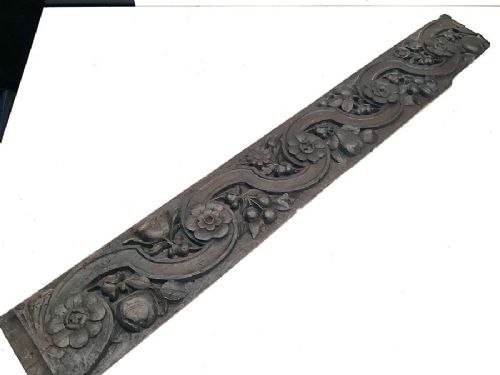


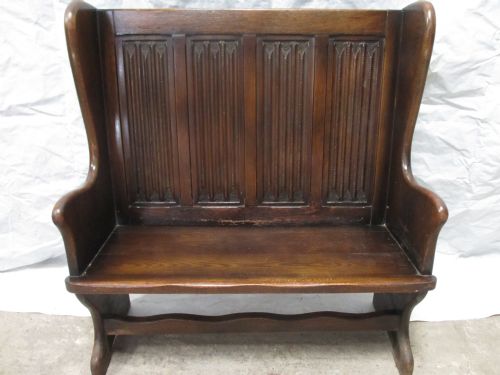


Tudor Carved Panel
A tudor carved panel brings substantial architectural grain and heavy timber relief directly into a modern interior.
Tudor Carved Panel
When searching for a tudor carved panel, a buyer is looking at dense sections of timber removed from larger architectural contexts or integrated into later furniture. The listings span authentic sixteenth and seventeenth-century fragments alongside revival pieces from the nineteenth and twentieth centuries.
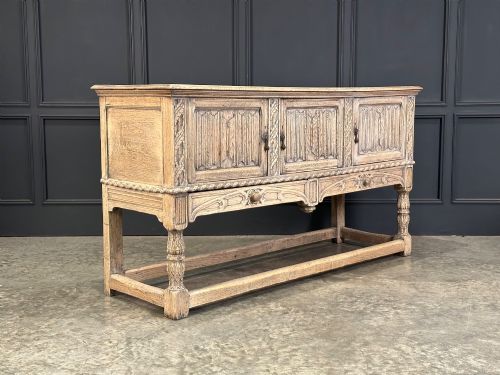
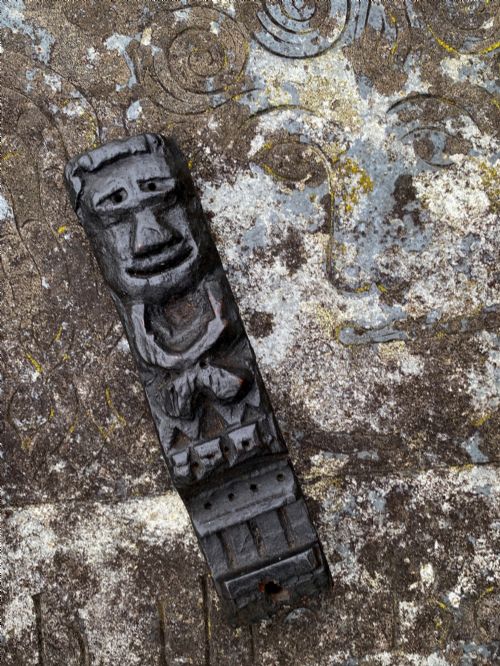
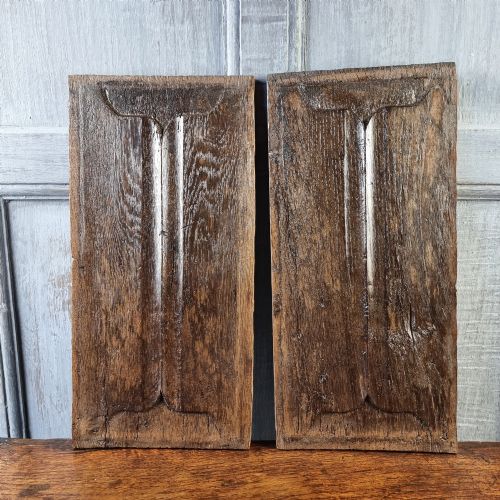
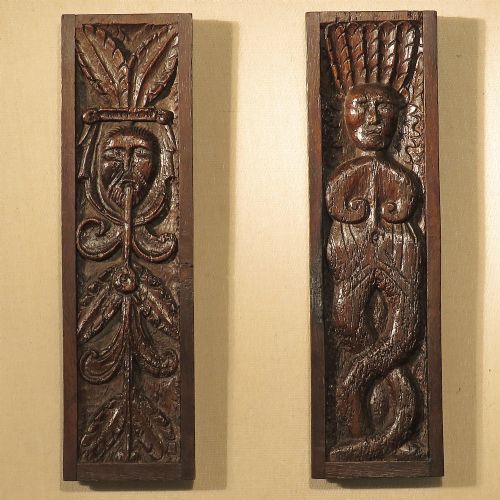
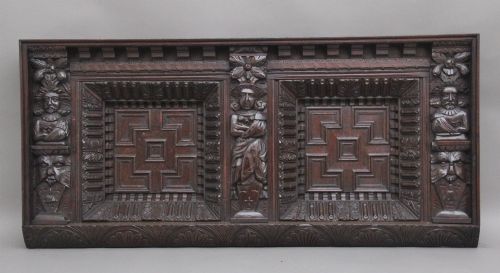
The most common forms on this page include linenfold motifs, relief carvings of figures such as the Green Man, and heraldic symbols like the Tudor rose. These elements originate from wall panels, coffer fronts, friezes, and overmantles rather than standalone artworks.
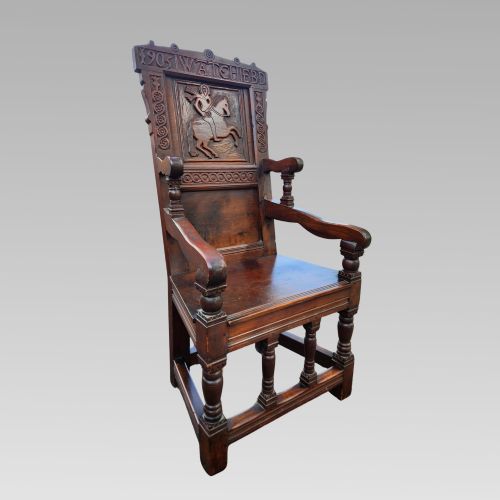
Materiality is dominated by solid oak, though walnut and polychrome paint appear across periods ranging from pre-sixteenth century fragments to nineteen-thirties revivals. Buyers encounter both individual architectural salvage pieces and panels mounted within armchairs, sideboards, and bookcases.
Materials and construction
The primary material across these listings is solid oak, supplemented by walnut, timber, and wrought iron hardware. Craftsmen worked the dense wood using hand chisels and gouges to achieve deep relief work, linenfold folds, and figural sculptures.
Surface treatments vary from bare timber to traces of polychrome paint and wax finishes applied over centuries. Structural assembly relies on traditional joinery methods suited to heavy architectural salvage and furniture integration.
Tudor Carved Panel Retail Price Guide 2026
Typical asking prices for tudor carved panel among the pieces listed under this phrase on Sellingantiques today, from the lower quarter to the upper quarter. They describe what is for sale here now, not the wider market.
A sixteenth-century craftsman carved a slithering serpent into solid oak, preserving a remarkably vivid creature that still watches from the timber.
Assessing quality in carved panels
Quality rests upon the crispness of the hand chisel work and the depth of the relief carving. Panels featuring complex figural subjects like the Green Man or biblical scenes demand greater skill than repetitive geometric linenfold patterns.
The integrity of the original timber and the extent of later alterations dictate the standing of a piece. Original sixteenth-century surfaces carry a distinct visual weight compared to nineteenth and twentieth-century revival interpretations.
The Tudor Carved Panel Glossary
- Linenfold
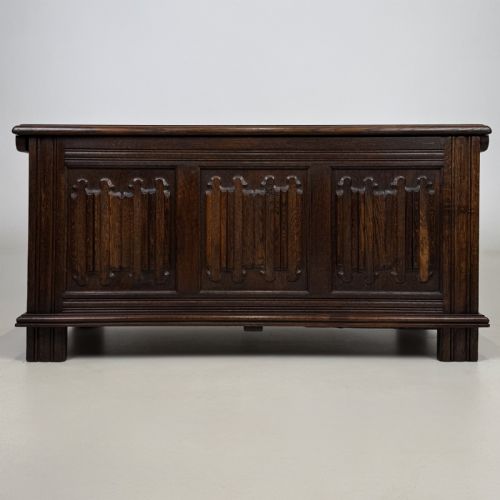
- A style of wood carving imitating folded parchment or linen, frequently seen on sixteenth-century panels. This motif creates a vertical texture across chest fronts and wall paneling.
- Green Man
- A sculptural face depicted with leaves or vines sprouting from the mouth, common in medieval and sixteenth-century architectural carvings. It represents rebirth and the spirit of vegetation.
- Wainscot
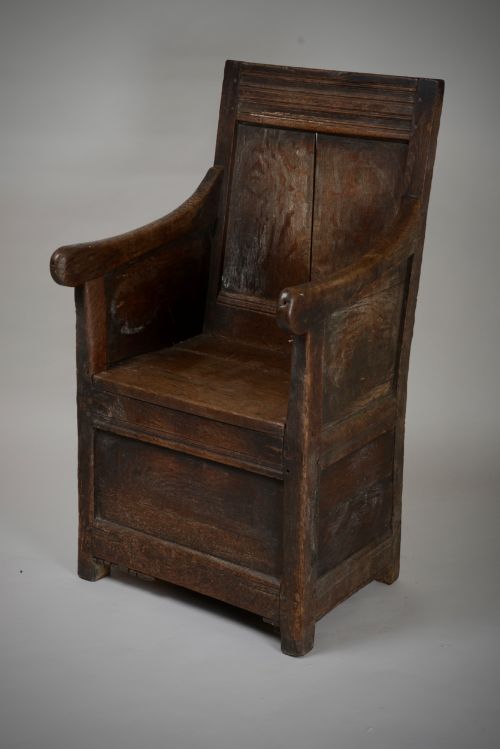
- A type of heavy wooden paneling used on interior walls, or applied to the backs and sides of early armchairs. These sturdy constructions formed a primary element of Tudor domestic interiors.
- Coffer
- A heavy wooden chest with a lid, often heavily carved on the front panels to display heraldry or relief motifs. They served as secure storage for valuables in Tudor households.
- Overmantle
- A decorative structure placed above a fireplace opening, frequently incorporating carved wooden friezes and panels. Surviving examples often display distinct regional carving styles.
Tudor Carved Panel: Frequently Asked Questions
How are tudor carved panels mounted?
These panels were originally set into grooves within larger architectural frameworks or furniture carcasses such as coffers and wall paneling. Modern placement typically involves secure wall mounting brackets or integration into custom cabinetry.
Buyers often choose to display standalone panels flush against a plaster wall to highlight the depth of the timber relief. Heavier architectural salvage pieces require professional fixing to support the weight of solid oak.
How do I distinguish sixteenth-century panels from revival pieces?
Authentic sixteenth-century panels display tool marks, timber shrinkage, and wear patterns consistent with centuries of handling. Revival pieces from the nineteenth and twentieth centuries often exhibit machine-cut precision and cleaner back surfaces.
Examining the grain structure and the patina of the oak helps determine the age of the wood. Comparing known period examples prevents confusion between original architectural fragments and later stylistic copies.
What is linenfold carving?
Linenfold is a specific type of relief carving designed to resemble stiff fabric folded in vertical pleats. It became widely popular during the Tudor period for decorating church screens, wall panels, and coffer fronts.
Carvers achieved this effect by removing wood around the fold lines to create a convincing textile appearance. The design adds rhythmic shadow and texture to otherwise flat timber surfaces.
Were these panels painted originally?
Many Tudor and Jacobean carved panels were originally decorated with bright polychrome paint or gilding to accentuate the relief details. Centuries of cleaning and stripping have left most pieces down to bare oak timber.
Traces of early paint sometimes survive within the recessed corners of the carving. These microscopic remnants offer insight into the colourful appearance of period interiors.