

Tub Accent Chair
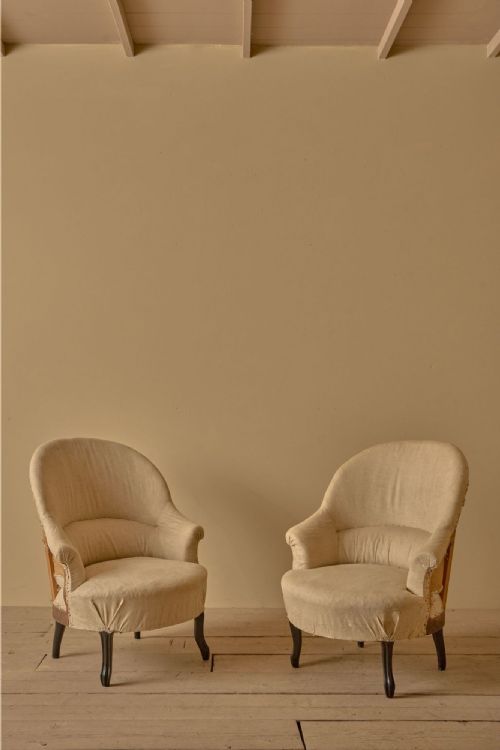
A tub accent chair offers a curved, encompassing back that wraps the sitter in comfort, making it a characterful centrepiece for any room.
Tub Accent Chair
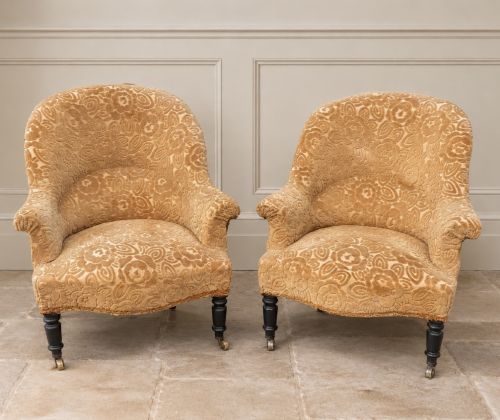
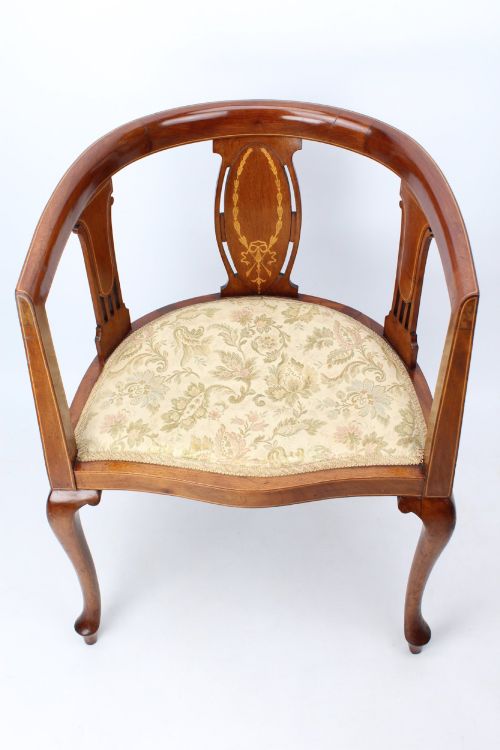
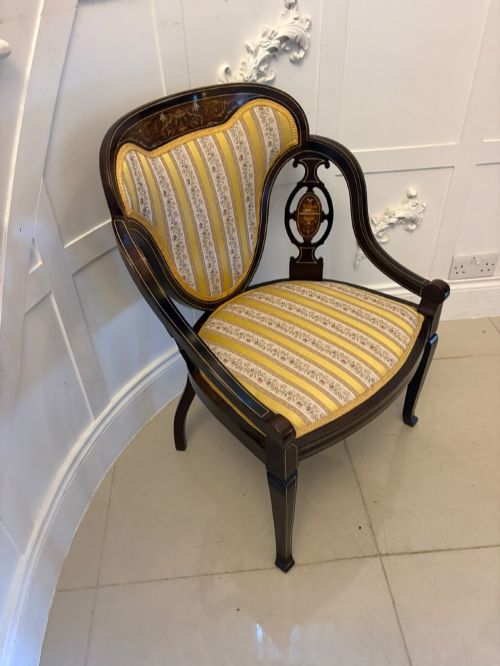
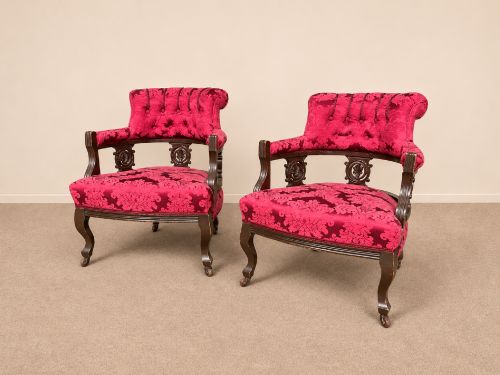
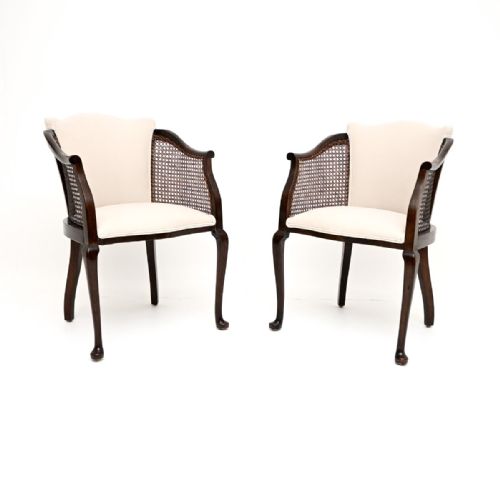
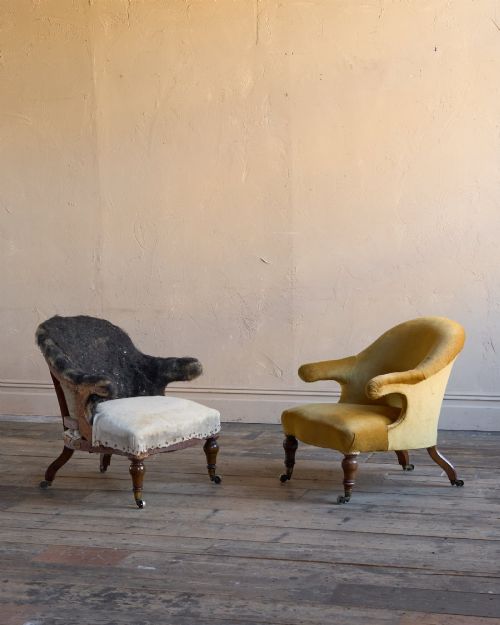
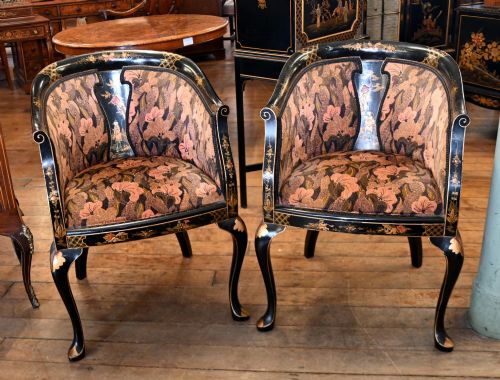
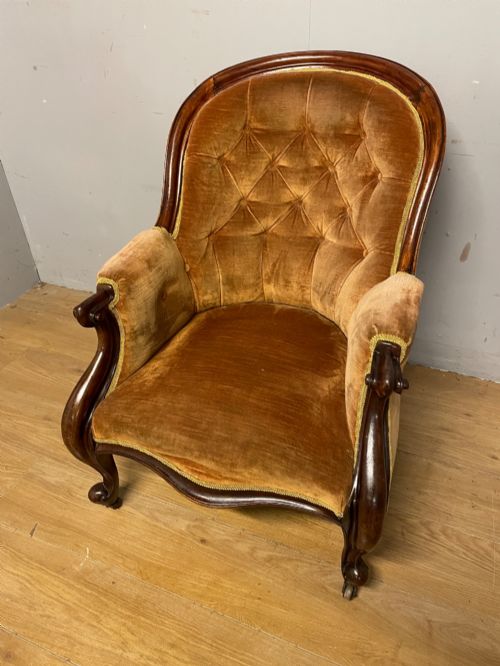
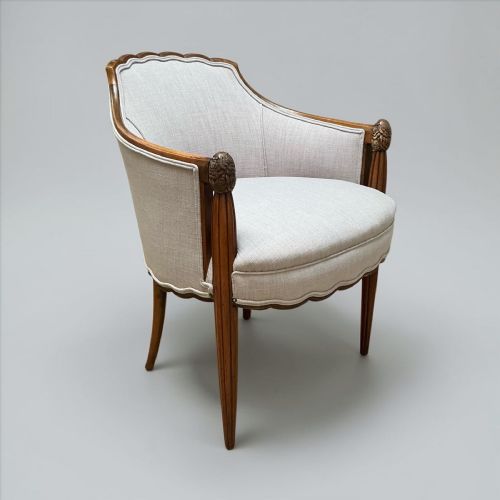
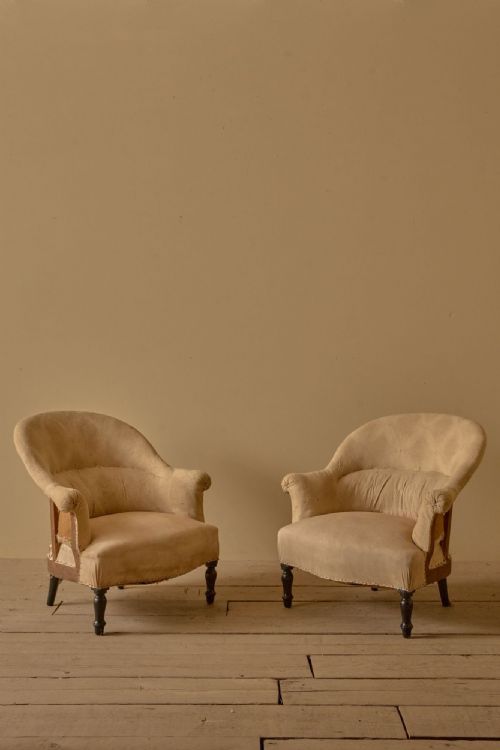
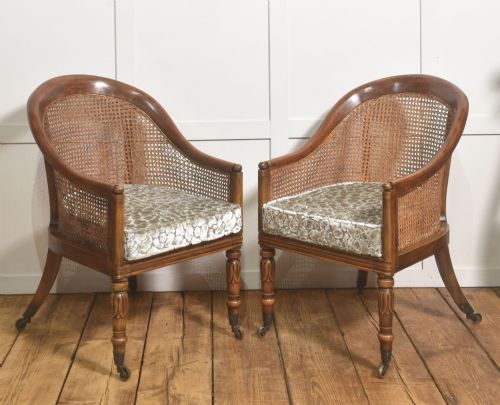
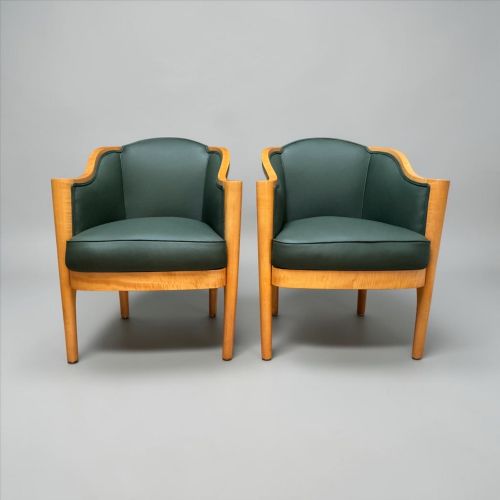
When you search for a tub accent chair, you encounter a variety of upholstered seating options featuring enclosed, curved backs designed for comfort. The selection on this page draws primarily from nineteenth-century Victorian and French designs, alongside twentieth-century Art Deco interpretations.
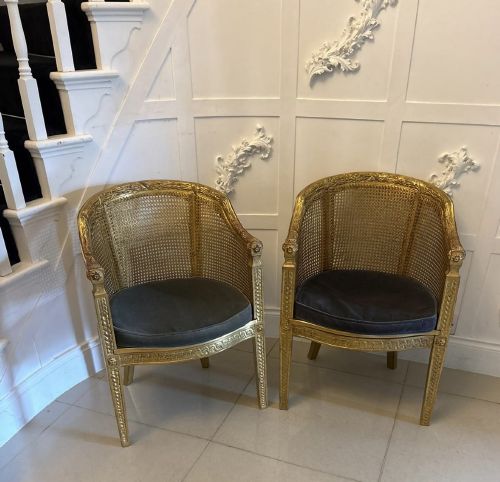
The forms range from compact occasional chairs to grander giltwood bergères and mahogany framed armchairs. Many pieces present as pairs, reflecting formal seating arrangements from periods spanning the Victorian era through to the nineteen thirties.
Materials and Construction
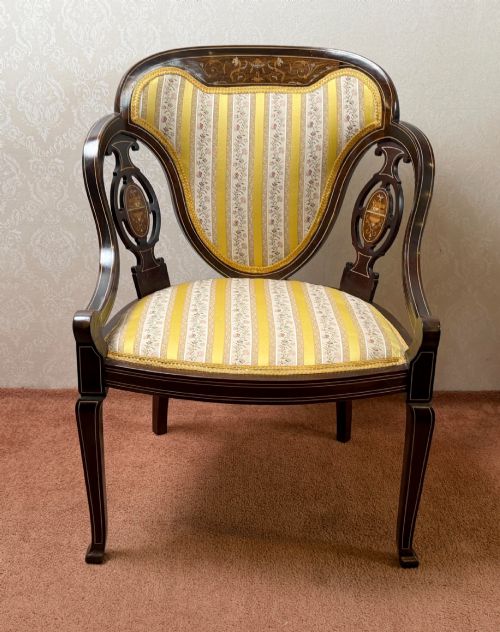
Makers constructed the frames of these chairs using solid timbers such as mahogany, walnut, oak, and satinwood, often embellishing them with intricate bone, boxwood, or gilt bronze details. Structural integrity relies on traditional joinery suited to the sweeping, curved profiles of tub and barrel back designs.
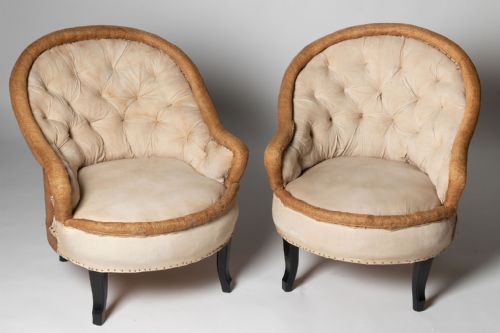
Upholstery forms a vital component, utilising fabrics ranging from velvet, silk, and leather to calico prepared for bespoke covering. Cane and rattan work also appear on specific frames, providing textural contrast to the polished timber structures.
Tub Accent Chair Retail Price Guide 2026
Typical asking prices for tub accent chair among the pieces listed under this phrase on Sellingantiques today, from the lower quarter to the upper quarter. They describe what is for sale here now, not the wider market.
Frame materials recorded across the selection include mahogany, walnut, oak, satinwood, brass, and giltwood.
Evaluating Quality
Quality in a tub accent chair rests in the fluidity of the timber frame's curves and the precision of any applied inlay or carving. Finer examples display harmonious proportions and robust joinery that maintain the structural integrity of the rounded back over decades of use.
The treatment of the materials also distinguishes finer pieces, whether through the crisp execution of giltwood finishes, carefully fitted cane work, or the retention of original paint and patinated leather.
Maurice Adams·Hille
The Tub Accent Chair Glossary
- Tub chair
- An armchair featuring a continuous curved back and arms that form a single enclosed tub-like shape. This design originally emerged to protect sitters from drafts in nineteenth-century interiors.
- Bergère
- An enclosed upholstered armchair with wooden framing exposed around the sides and back. These French seats frequently incorporate cane panels alongside upholstered cushions.
- Giltwood
- Timber treated with gold leaf or gilt paint to create a brilliant decorative surface. This technique appears predominantly on formal nineteenth-century French revival seating.
- Inlay
- A decorative technique where contrasting materials such as bone, boxwood, or satinwood are inserted into recesses in the primary wood. It defines the surface pattern of finer Victorian and Edwardian frames.
- Occasional chair
- A light, movable seat designed to be used intermittently in various rooms rather than as primary lounge furniture. They often feature decorative woodwork and slender proportions.
Tub Accent Chair: Frequently Asked Questions
What is a tub accent chair?
A tub accent chair is an upholstered seat characterised by a low, curved back that wraps around the sides to form a continuous barrier. These chairs provide a cosy, enclosed seating experience while serving as a distinct focal point in interior spaces.
Historically designed to shield occupants from drafts, modern versions retain this distinctive enveloping silhouette. They appear across various periods, from Victorian parlours to Art Deco interiors.
How do I identify a Victorian tub chair?
Victorian tub chairs typically feature heavy timber frames made from mahogany or walnut, often complemented by deep button upholstery or intricate carved details. Their proportions tend to be substantial and grounded.
Look for traditional joinery methods and dense wood grains characteristic of nineteenth-century craftsmanship. Many examples from this era also incorporate decorative elements like boxwood inlay or turned wooden legs.
Where should I place a tub chair?
A tub accent chair works well in corners, reading nooks, or paired opposite a sofa to balance a room's seating arrangement. Their compact footprint allows them to fit into smaller spaces where traditional armchairs might overwhelm the floor plan.
Because the curved back looks appealing from every angle, these chairs also function effectively when floated away from walls in the middle of a room.
Are Art Deco tub chairs different?
Art Deco tub chairs embrace streamlined silhouettes, geometric influences, and smooth wooden surfaces that contrast with ornate Victorian designs. They often utilise luxurious materials like polished walnut or exotic veneers alongside sleek leather or velvet upholstery.
These pieces reflect the design shifts of the nineteen thirties, prioritising clean lines and functional elegance over elaborate surface carving.