

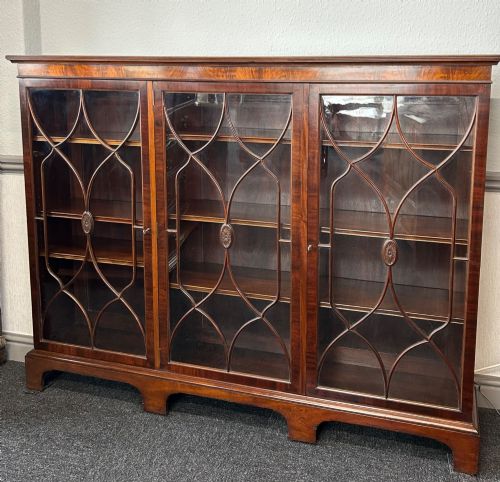
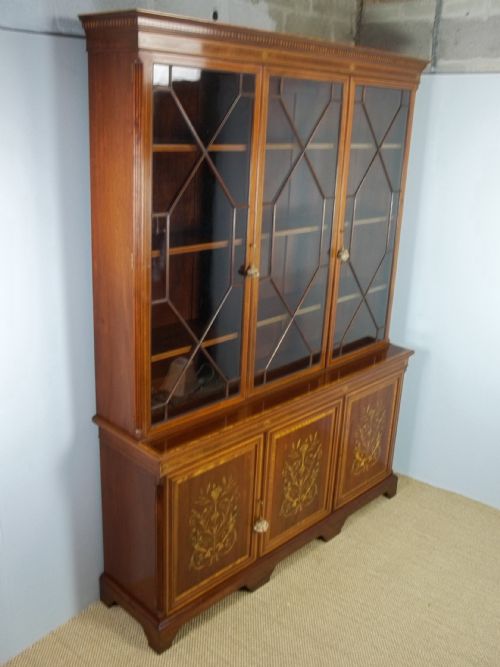


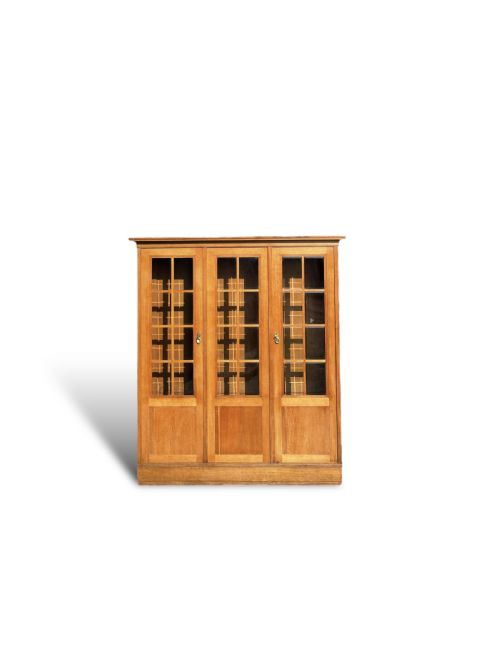
Triple Glazed Display Cabinet
These triple glazed display cabinet examples offer substantial timber framing and expansive glass panels designed to showcase collections securely.
Triple Glazed Display Cabinet
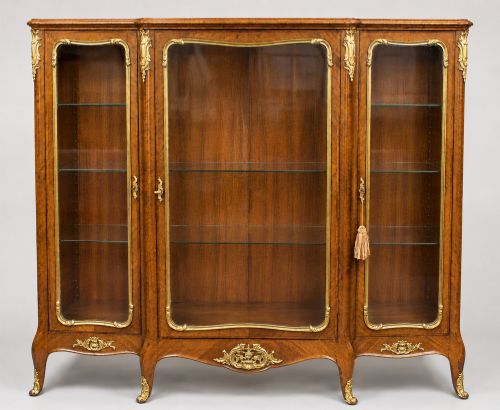
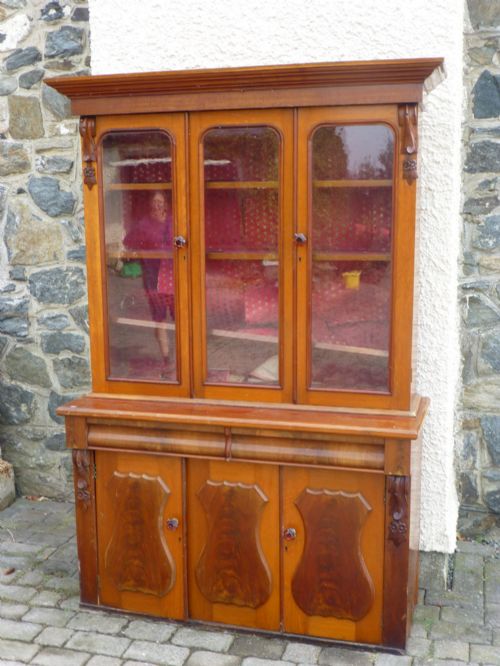
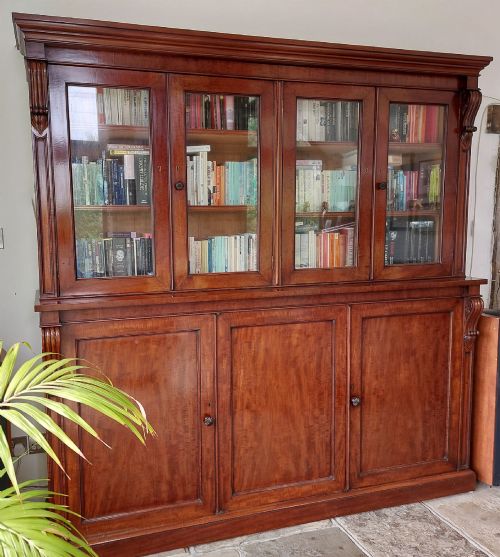
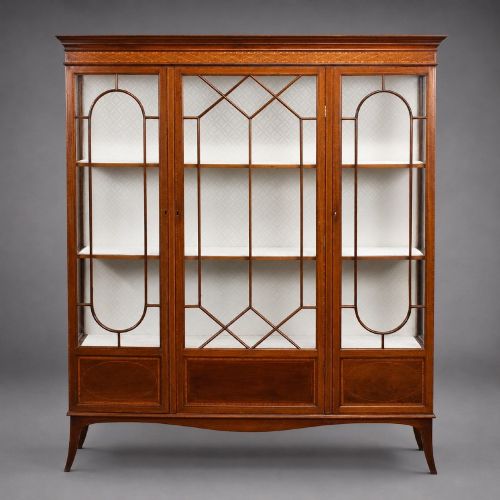
When you search for a triple glazed display cabinet, you encounter substantial freestanding storage furniture designed with three distinct glazed compartments, doors, or viewing panes to showcase books, china, and curated collections. The pieces on this page span the 19th Century, Victorian, Edwardian, and Interwar periods, showing a distinct preference for large multi-door formats.
The forms recorded in the evidence range from formal breakfront library bookcases and shop display cabinets to Welsh vernacular dressers and French vitrines. You are most likely to meet mahogany and oak examples featuring three-door configurations, often executed in Georgian Revival, Louis XV Style, or Arts and Crafts manners.
Makers such as Wylie and Lochhead, E. Pollard and Co. Ltd., and Edwards and Roberts produced notable versions of these grand cabinets. The integration of three distinct vertical sections allows for methodical organisation and wide-angle viewing of the interior contents.
How they were made
Makers constructed these cabinets using dense timbers such as mahogany, oak, walnut, and kingwood for structural integrity and visual depth. Cabinetmakers incorporated satinwood inlay and ormolu mounts to embellish the primary wood surfaces on finer French and English items.
Glazing technique forms a central part of their construction, with multiple glass panes fitted into timber frames to create the characteristic triple aspect. Brass hardware and adjustable shelving systems demonstrate the practical engineering applied to these heavy storage pieces.
Triple Glazed Display Cabinet Retail Price Guide 2026
Typical asking prices for triple glazed display cabinet among the pieces listed under this phrase on Sellingantiques today, from the lower quarter to the upper quarter. They describe what is for sale here now, not the wider market.
Listings span the nineteenth century through the interwar period, featuring mahogany, oak, and walnut in both revival and commercial forms.
What varies in quality
The standard of timber selection and marquetry precision distinguishes everyday utility cabinets from high-status architectural pieces. Elaborate additions such as gilt ormolu mounts, kingwood veneers, and refined satinwood inlay indicate workshops operating at the highest level of craftsmanship.
Structural complexity also dictates the tier of a piece, separating simpler three-door oak bookcases from stamped breakfront furniture by prominent firms. The integration of maker marks and sophisticated internal arrangements points to superior workshop provenance.
Wylie and Lochhead·E Pollard and Co Ltd·Edwards and Roberts
The Triple Glazed Display Cabinet Glossary
- Vitrine
- A glass-fronted display cabinet used principally for porcelain and decorative objects. These French-influenced pieces often feature curved glass and gilt mounts.
- Breakfront
- A large piece of furniture where the central section projects forward from the flanking wings. This architectural layout creates depth and visual rhythm across the facade.
- Ormolu
- Gilded bronze ornamentation applied to furniture mounts, popular in neoclassical and French revival pieces. It provides bright metallic contrast against dark timbers like kingwood and mahogany.
- Marquetry
- Decorative woodwork where thin veneers of various coloured woods are fitted together to form pictorial patterns. This technique appears on cabinet friezes and door panels.
- Vernacular
- Regional furniture built by local craftsmen using traditional methods and native materials, such as Welsh oak and mahogany. These pieces reflect practical domestic utility rather than metropolitan high style.
Triple Glazed Display Cabinet: Frequently Asked Questions
What is a triple glazed display cabinet?
A triple glazed display cabinet is a large storage unit featuring three distinct glass-fronted doors or viewing sections designed for exhibiting books or collections.
These pieces utilise timber frames such as mahogany or oak and date predominantly from the nineteenth and early twentieth centuries.
How were these large cabinets used?
They served primarily as library bookcases in domestic settings or as commercial vitrines and shop display cabinets for merchandising goods.
The tripartite division allowed owners to separate different categories of books or decorative objects behind secure glass panels.
Where should I place a large bookcase cabinet?
These grand pieces require substantial wall space and stable environmental conditions away from direct sunlight to protect antique timber and veneers.
Placing them in a study, drawing room, or hallway lets the expansive glass front and detailed woodwork function as a focal point.
How do I identify the period of a display cabinet?
Period identification relies on observing stylistic markers, construction methods, and timber choices that align with Victorian, Edwardian, or Interwar design conventions.
Stamped signatures or maker labels from firms like Edwards and Roberts also provide definitive dating evidence.