



Triple Candle Wall Lights
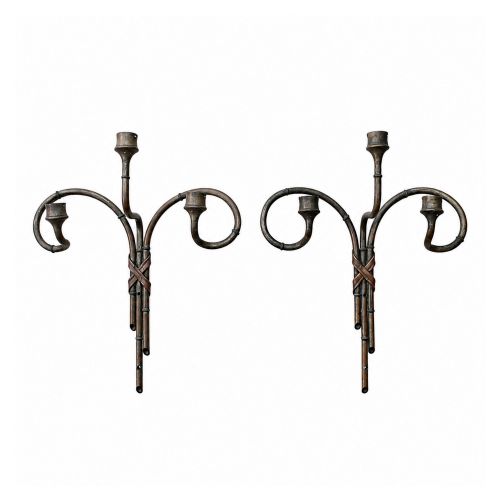
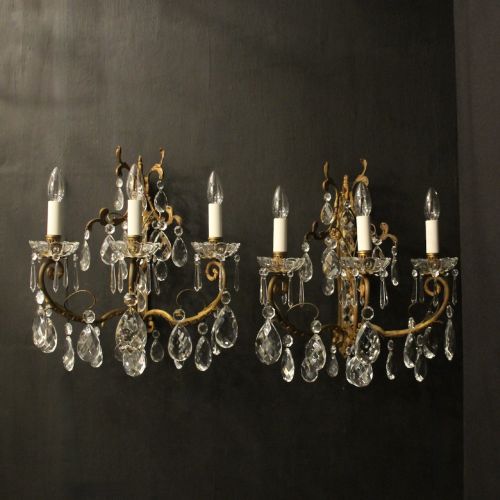
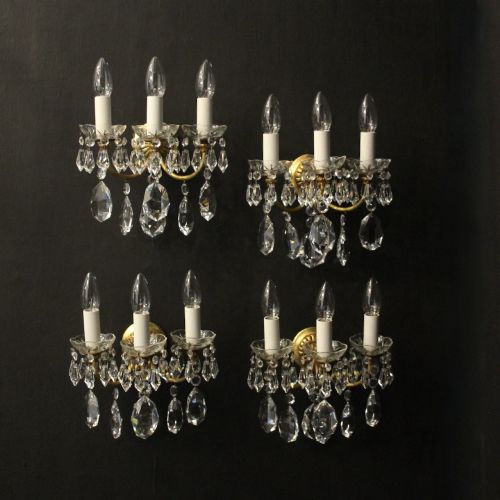
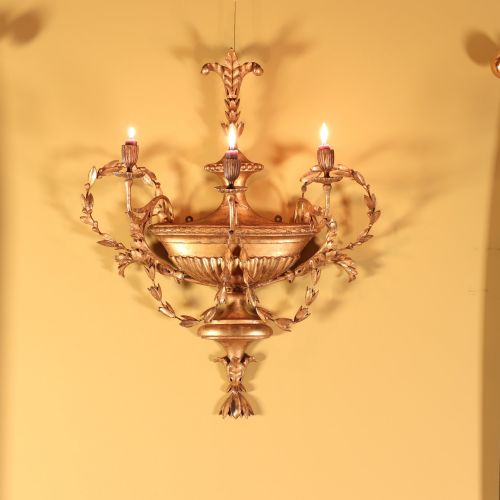
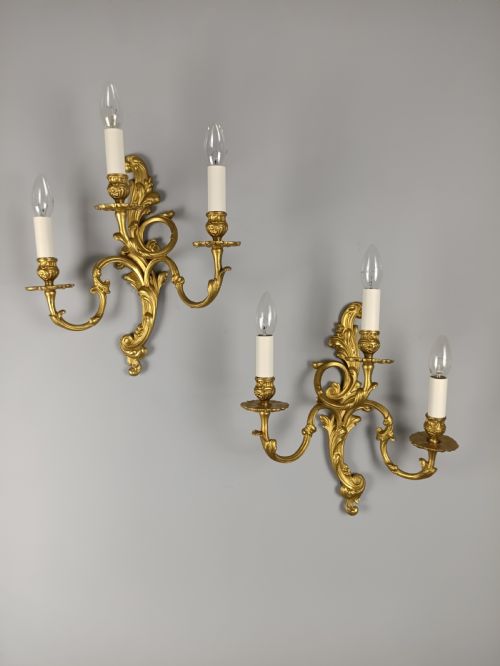
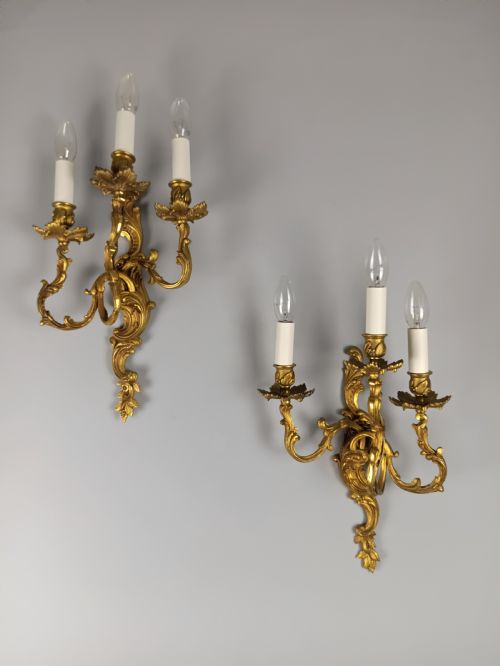
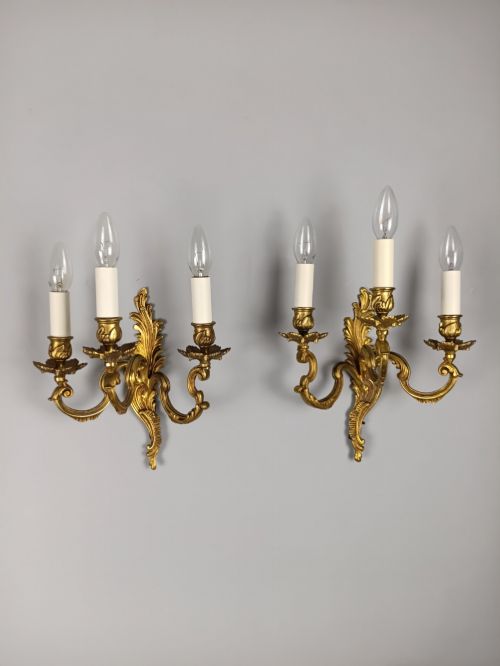
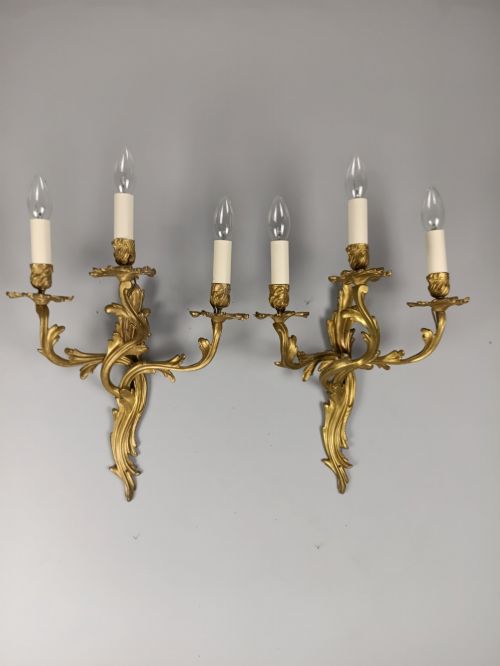
Triple candle wall lights bring warmth and period character to a room, offering functional illumination through branching arms designed to hold multiple candles.
Triple Candle Wall Lights
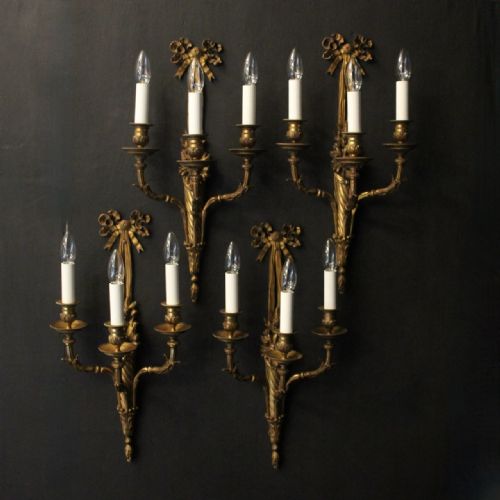
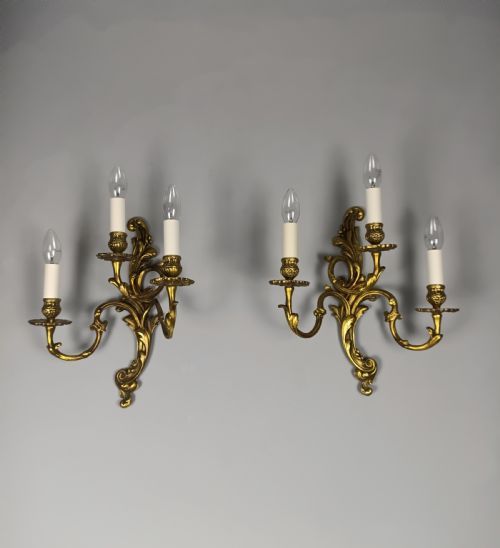
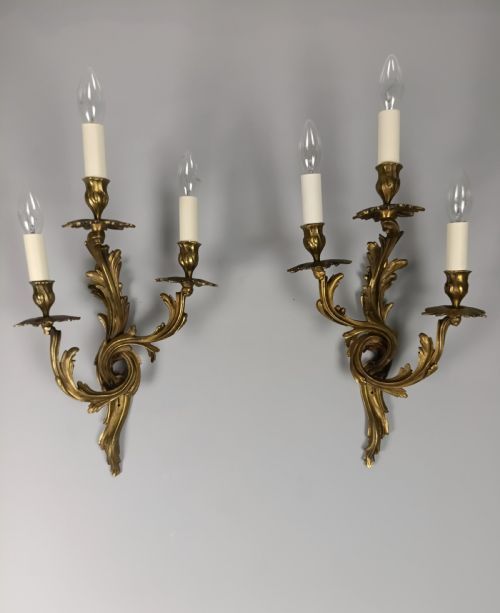
Triple candle wall lights provide a classic method of lighting interiors, featuring three distinct arms or branches designed to project light outward from a vertical surface. When exploring triple candle wall lights, buyers encounter forms that span several centuries, with the majority originating from the nineteenth and early twentieth centuries.
The selections available here lean heavily toward French and Italian origins, encompassing styles such as French Rococo, Florentine, and Neoclassical designs. These pieces frequently appear in pairs or sets of four, reflecting historical interior design practices that demanded symmetry in wall illumination.
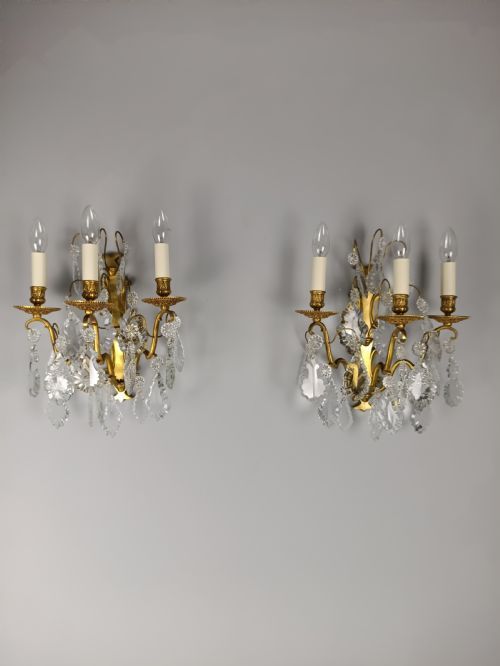
Object types on display range from standard wall lights to ornate wall sconces, showcasing configurations built to hold three branches of light. The prevalence of French workshops and Florentine carvers defines the visual landscape of this collection.
How they were made
Metalworking forms the foundation of many pieces, utilising brass, bronze, and silvered bronze cast into elaborate armatures and scrollwork. Gilt finishes are applied across numerous metal items, enhancing the reflective quality of the branching arms.
Wood and composition materials appear prominently in Italian and English pieces, where artisans carved giltwood and gesso to form intricate backplates and branching structures. Glass and crystal components are frequently integrated into the designs, dangling from or mounted upon the metal frames to catch and refract the light.
Triple Candle Wall Lights Retail Price Guide 2026
Typical asking prices for triple candle wall lights among the pieces listed under this phrase on Sellingantiques today, from the lower quarter to the upper quarter. They describe what is for sale here now, not the wider market.
Materials in this selection include brass, gilded bronze, giltwood, gesso, crystal, and glass across various nineteenth and early twentieth-century dates.
What varies in quality
The refinement of the casting and carving dictates the visual success of each piece, distinguishing finely detailed bronze and crisp giltwood from simpler, coarser executions. Relief work on Rococo scrolls and Neoclassical motifs shows varying degrees of hand-finishing by the original artisans.
The integration of secondary materials such as crystal drops and glass prisms affects the overall impact of the lighting fixture. Superior examples maintain balanced proportions between the backplate, the three extending arms, and any decorative appendages.
The Triple Candle Wall Lights Glossary
- Wall sconce
- A light fixture fixed to a wall that uses brackets or backplates to support multiple lighting branches. These fixtures project illumination into the room while serving as decorative wall art.
- Giltwood
- Timber, often lime or pine, that has been coated with a thin layer of gold leaf or gold paint. This technique provides a bright, luxurious finish popular in eighteenth and nineteenth-century interior design.
- Gesso
- A plaster-like mixture applied to wood surfaces as a base for carving and gilding. It allows craftsmen to create sharp, elaborate relief details before applying gold leaf.
- Rococo
- An ornate design style characterised by asymmetrical scrollwork, C-curves, and naturalistic shell motifs. This aesthetic dominated mid-eighteenth-century European decorative arts and inspired later nineteenth-century revivals.
- Japonisme
- The influence of Japanese art on Western design, emerging in the late nineteenth century. It introduced asymmetrical compositions and natural motifs to European lighting and decorative objects.
Triple Candle Wall Lights: Frequently Asked Questions
How do I install antique wall lights?
Most period wall lights require professional mounting to ensure secure attachment to wall studs and proper connection to household electrical wiring. Many antique fixtures arrive with modern internal wiring ready for installation by a qualified electrician.
Positioning depends on ceiling height and room proportions, though flanking a mirror, fireplace, or doorway remains a traditional placement strategy.
What periods do these wall lights represent?
The pieces span from the nineteenth century through the early twentieth century, capturing design movements like George III, the Rococo Revival, and early twentieth-century interpretations.
Earlier nineteenth-century examples often display hand-carved giltwood or heavy cast bronze, while pieces from the 1920s and 1930s frequently incorporate French brass and crystal elements.
Are these lights wired for electricity?
Many surviving fixtures have been adapted for modern electrical use while retaining their original exterior appearance. Rewired examples allow safe integration into contemporary homes without sacrificing historical character.
Sellers often indicate when a fixture has been updated for standard contemporary installation.
How do I clean gilded metal and giltwood?
Gilded surfaces require gentle dusting with a soft, dry brush or microfibre cloth to remove particulate matter without damaging the delicate gold leaf. Moisture and harsh chemical cleaners should be avoided entirely to preserve the underlying gesso and metal finishes.
Crystal and glass components can occasionally be wiped down with a damp cloth while detached from the main fixture.