

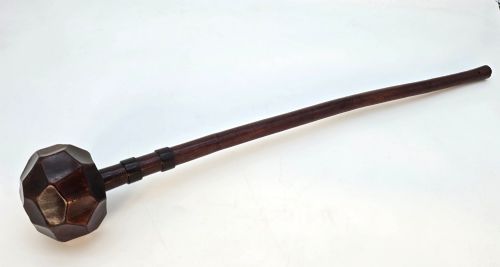


Tribal Wood Head Carving
These tribal wood head carving pieces are striking expressions of global heritage, offering collectors authentic cultural forms to display at home.
Tribal Wood Head Carving
When you search for tribal wood head carving, you encounter sculptural works spanning the nineteenth and twentieth centuries, originating from African, Oceanic, and Indonesian cultures. These artefacts include ceremonial staff finials, reliquary guardian heads, helmet masks, and figural headrests.
You are most likely to meet West African and Central African sculptural forms on this page, alongside pieces from the Sepik River and New Caledonia. The selection covers traditional ritual objects as well as figurative carvings depicting human and animal subjects.
The objects reflect distinct regional art traditions, from Mende and Fang creations to Zulu and Kanak artefacts. Each piece embodies specific cultural practices, serving ceremonial, protective, or utilitarian functions within its original community.
How they were made
Surface treatments frequently involve natural fibre additions and pigment paint applied to the timber substrate. Over generations, handling and age produce deep patination across the carved wooden surfaces.
Tribal Wood Head Carving Retail Price Guide 2026
Typical asking prices for tribal wood head carving among the pieces listed under this phrase on Sellingantiques today, from the lower quarter to the upper quarter. They describe what is for sale here now, not the wider market.
Listings feature items from the nineteenth and twentieth centuries, including the years 1880, 1900, 1930, and 1950.
What varies in quality
Surface integrity and original patination strongly influence the character of a piece. Examples that retain authentic traces of traditional paint, natural fibre, and age-related wear possess greater visual presence and historical resonance.
The Tribal Wood Head Carving Glossary
- Finial
- A decorative ornament that terminates the top of an object, such as a ceremonial staff. These elements often feature carved human or animal heads.
- Reliquary guardian
- A figure or head placed upon a container holding ancestral relics to protect them from harm. These sculptures are prominent in certain Central African traditions.
- Patination
- The surface alteration developed on wood over time through handling, age, and exposure to elements. This natural sheen adds depth to the material.
- Mask
- A carved wooden face or helmet worn during ceremonies and rituals. They represent spirits, ancestors, or animals within tribal societies.
- Headrest
- A carved wooden support for the head during sleep, often featuring figural or geometric motifs. These items served both practical and status-marking purposes.
Tribal Wood Head Carving: Frequently Asked Questions
What are tribal wood head carvings?
These pieces are traditional sculptures, masks, and ritual objects created by indigenous artists across Africa, Oceania, and Indonesia during the nineteenth and twentieth centuries.
They encompass functional items like headrests and clubs alongside purely ceremonial sculptures meant to honour ancestors or spirits.
How were these carvings used?
Many objects served active roles in rituals, ceremonies, and daily life within their communities of origin. Some guarded ancestral relics, while others functioned as status symbols or personal utility items.
Over time, these pieces transitioned into appreciated examples of global sculptural art.
How do I care for wooden tribal art?
Keep carved wooden items away from direct sunlight and steady heat sources to prevent the material from drying out or cracking. Maintain a stable indoor humidity level to preserve the natural fibres and paint.
Dust the surface gently with a soft, dry cloth without applying modern polishes or cleaning agents.
How can I tell the period of a carving?
Dating relies on the style of the carving, the nature of the wood, and observable wear patterns consistent with nineteenth and twentieth-century production methods. Historical records and regional art characteristics help narrow down the timeframe.
Examine the tool marks and surface patination for signs of genuine age.