

Tribal Weaving Textile
When choosing a tribal weaving textile, collectors seek authentic nomadic items that reflect traditional regional patterns and natural materials.
Tribal Weaving Textile
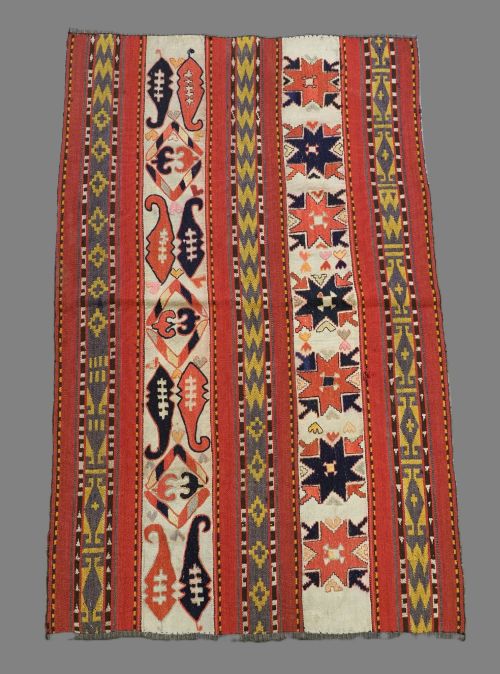
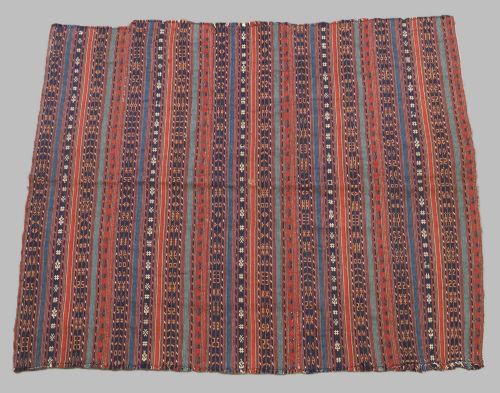
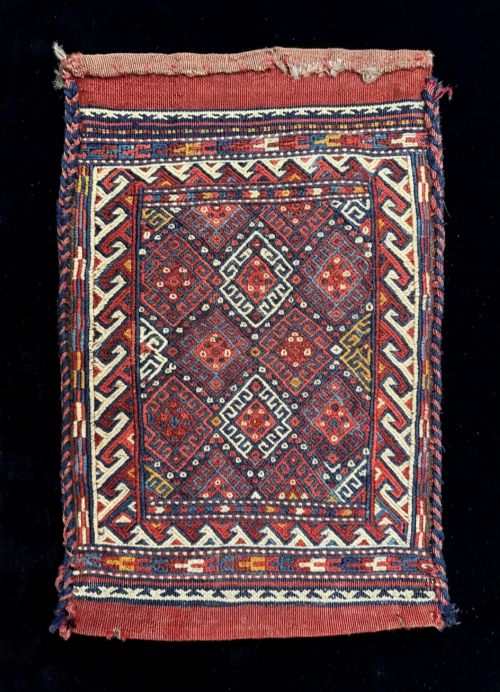
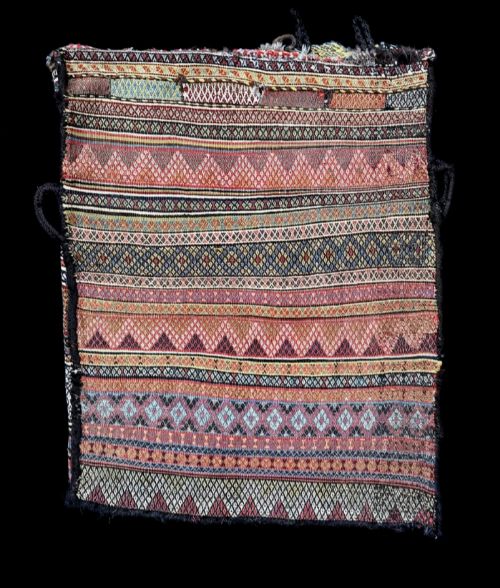
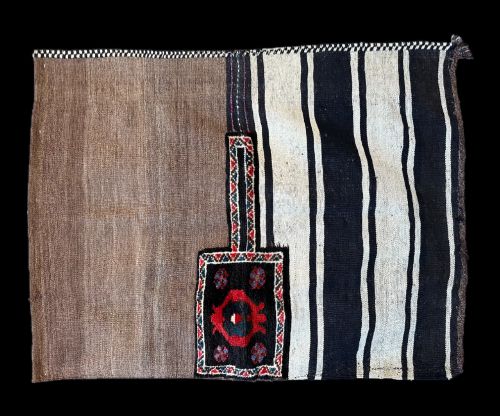
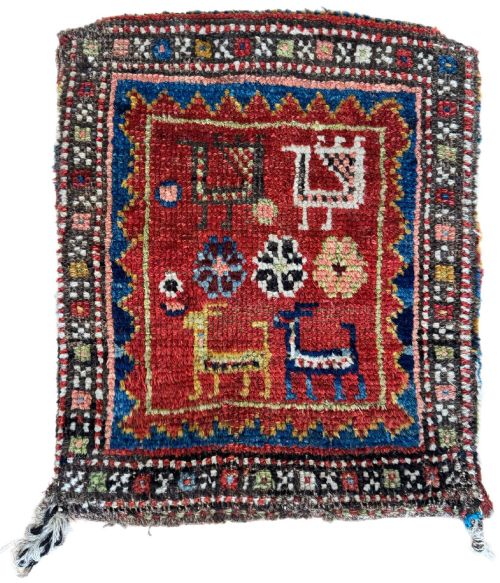
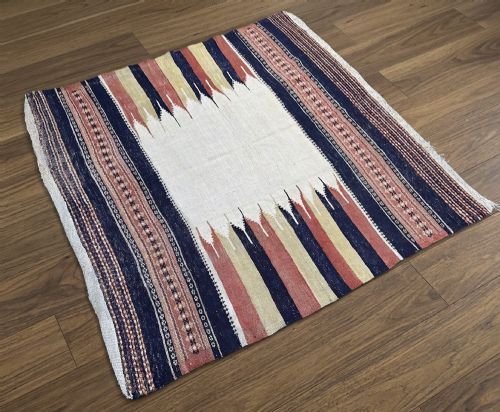
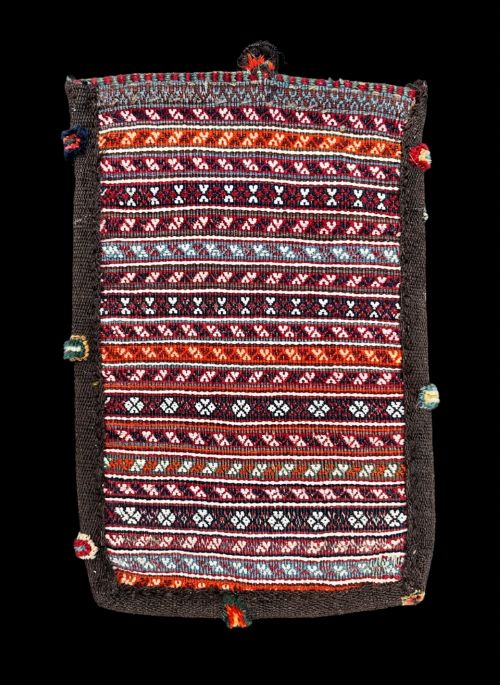
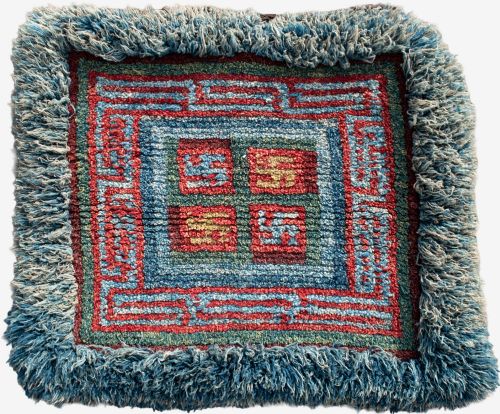
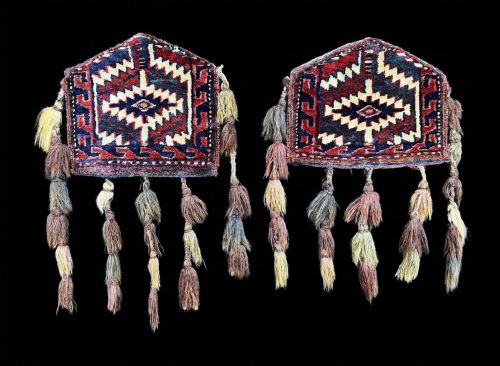
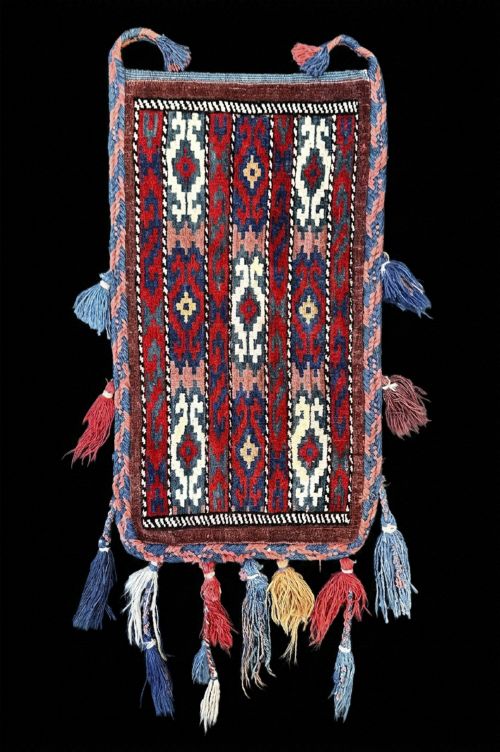
A tribal weaving textile encompasses functional objects produced by nomadic groups, including storage bags, saddle covers, animal trappings, and wall hangings. These pieces originate from Persia, Central Asia, Anatolia, and surrounding regions, often bearing distinct tribal attributions such as Qashqai, Turkmen, Baluch, and Afshar.
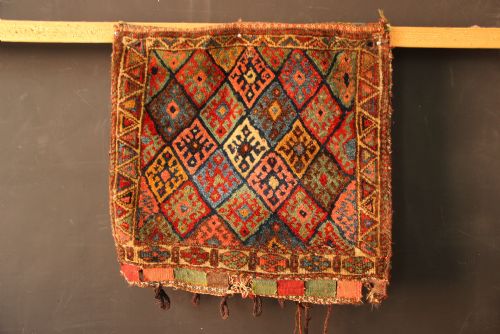
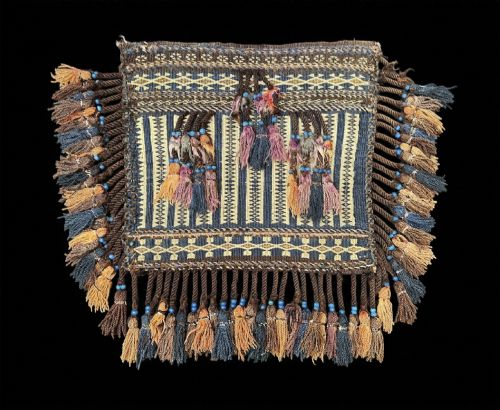
The most common forms encountered on this page are utilitarian storage items like salt-bags, vanity-bags, and khorjin bags alongside horse covers and asmalyks. Dating predominantly from the nineteenth and early twentieth centuries, these textiles reflect the daily nomadic lifestyle and domestic economy of their makers.
How They Were Made
These textiles rely principally on hand-spun wool and cotton foundation structures, combined with natural dyes to create enduring colour palettes. Artisans employed traditional knotting and flat-weaving techniques suited to portable looms.
Nomadic makers frequently embellished their woven works with functional or decorative additions such as glass beads, cowrie shells, and leather. These materials reflect both local availability and tribal aesthetic preferences.
Tribal Weaving Textile Retail Price Guide 2026
Typical asking prices for tribal weaving textile among the pieces listed under this phrase on Sellingantiques today, from the lower quarter to the upper quarter. They describe what is for sale here now, not the wider market.
What Varies in Quality
Quality rests on the precision of the weave, the tightness of the pile, and the complexity of the design geometry. Tighter structures and finely spun wool generally indicate greater structural integrity and durability.
The nuance and depth of the natural dyes used across the field also distinguish superior pieces. Well-preserved original edges and surviving tassels add to the desirability of a textile.
The Tribal Weaving Textile Glossary
- Khorjin
- A double-sided saddlebag used by nomads for transport and storage. These bags feature flat-woven backs and pile-woven faces.
- Asmalyk
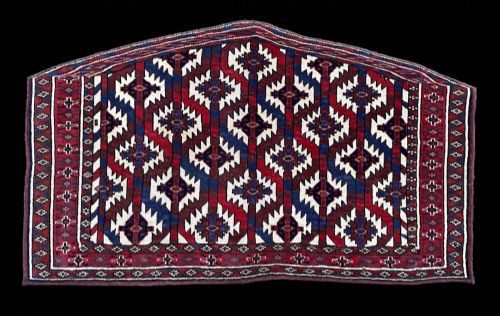
- A large pentagonal trapping produced by Turkmen tribes, traditionally hung on the flank of a bride's camel during wedding processions.
- Jollar
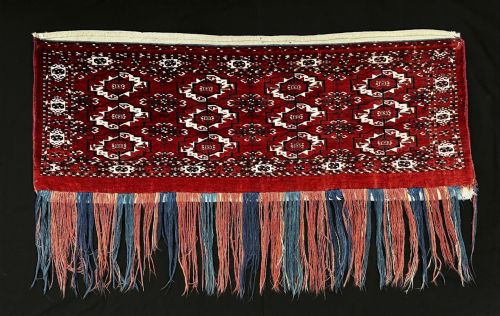
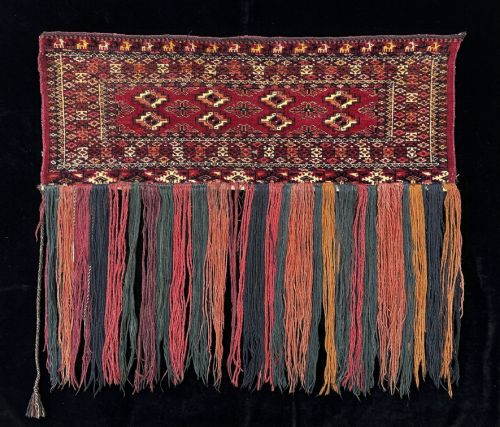
- A Turkmen storage bag or tent hanging, typically displaying a wide horizontal format with Gull motifs.
- Tacheh
- A specific type of storage bag or cover made by Lori-Bakhtiari nomads in western Persia.
- Kaplyk
- A specialised cover, such as a gapylyk designed to fit over a yurt door lintel or a spindle-bag for small tools.
Tribal Weaving Textile: Frequently Asked Questions
What is a tribal bag used for?
Nomadic groups utilised these bags for domestic storage, holding salt, vanity items, or personal possessions inside tents.
They also functioned as practical containers during seasonal migrations, often strapped directly to pack animals.
How do I identify a Turkmen piece?
Turkmen textiles typically display deep madder-red grounds and characteristic geometric octagonal motifs known as guls.
They frequently originate from oasis regions in Central Asia and include specific forms like asmalyks and jollars.
Are these items genuinely antique?
The listings span the nineteenth and early twentieth centuries, reflecting traditional nomadic production methods before synthetic dyes became dominant.
Materials such as hand-spun wool and natural colourants help anchor these pieces within their historical periods.
How should I display a textile?
Many collectors mount smaller bags and covers flat on walls as textile art to protect the weave from floor traffic.
Ensuring proper support prevents strain on the wool structure over time.