




Tribal Scatter Rug
These tribal scatter rug pieces bring nomadic heritage into a room, offering rich geometric patterns and dense wool textures.
Tribal Scatter Rug
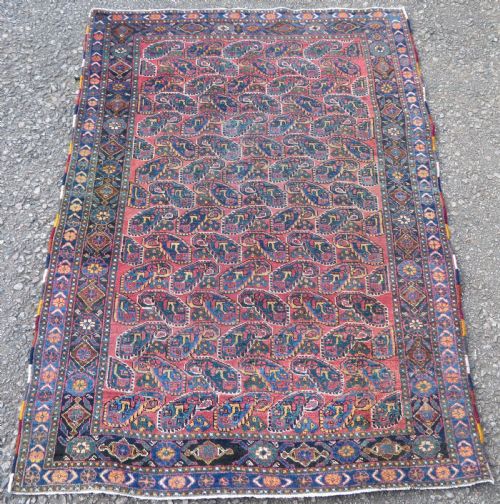
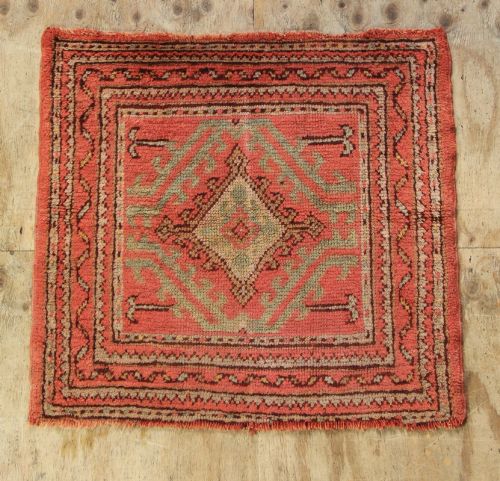
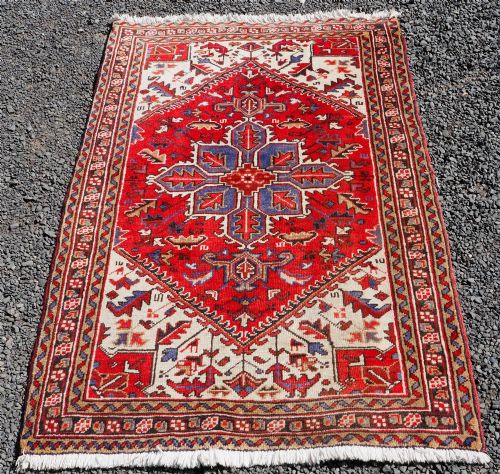
A tribal scatter rug sits within a distinct tradition of nomadic and village weaving, taking the form of compact area rugs, mats, and converted bag faces. These items emerge primarily from Anatolian and Persian workshops, spanning the mid-nineteenth century through the early twentieth century.
Materials and construction
Makers built these textiles using hand-woven wool for the pile and structure, frequently paired with cotton foundations in specific regional traditions. The combination of dense wool yarns gives each rug durability and a tactile, heavy handle.
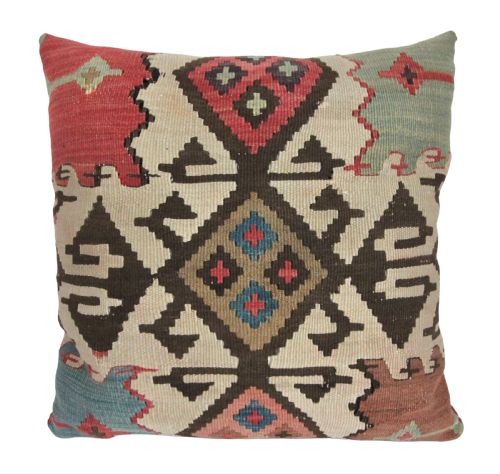
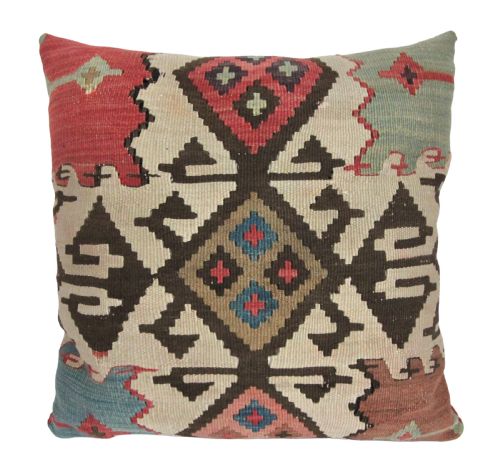
Weavers utilised flatweave and pile techniques to create durable structures designed for nomadic life, later adapted into cushions and smaller decorative floor coverings.
Listings span from the mid-nineteenth century through the 1930s, constructed predominantly from wool and cotton.
Assessing quality
The standard of a weave depends on the tightness of the knotting and the crispness of the geometric motifs, which separates utilitarian pieces from finer artistic examples. Tightly packed wool foundations hold their shape better over decades of use.
Design integrity and the preservation of original edges and pile depth dictate the desirability of each textile, reflecting the skill of the original village or tribal weaver.
The Tribal Scatter Rug Glossary
- Afshar
- A traditional weaving style originating from the Afshar tribes of southern Persia, known for distinct geometric layouts.
- Kilim
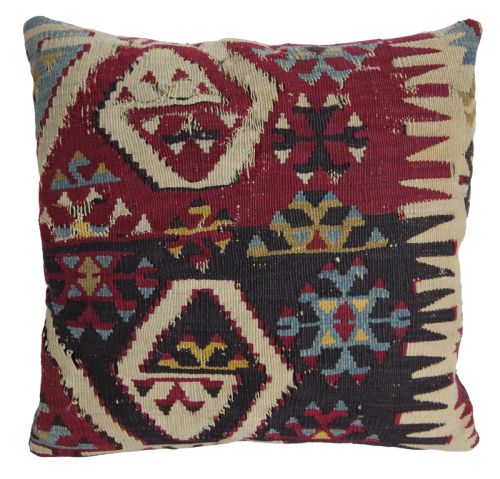
- A flatweave textile produced without a pile, often utilised here in cushion conversions.
- Oushak
- A traditional Turkish carpet style originating from the town of Usak, featuring softer palettes and larger scale motifs.
- Bag face
- The decorative front portion of a nomadic storage bag, repurposed in these listings as a small wall hanging or cushion.
- Baluch
- A regional weaving attribution connected to nomadic groups of the borderlands between Persia and Afghanistan.
Tribal Scatter Rug: Frequently Asked Questions
How do I clean a tribal scatter rug?
Surface dirt can be managed with gentle vacuuming using a suction-only attachment, avoiding the fringe areas to prevent fibre damage. Professional textile cleaning is recommended for deeper maintenance.
Water exposure should be kept to a minimum to protect traditional dyed wool fibres from running or weakening over time.
Are these rugs suitable for high traffic areas?
Smaller formats and mat variants tolerate moderate foot traffic in hallways or studies when supported by a proper rug underlay. The dense wool construction naturally resists everyday wear.
Fragile flatweaves and converted bag faces benefit from placement in lower traffic zones to preserve their historical structure.
How are antique cushions constructed from rugs?
These decorative items repurpose authentic vintage kilims and bag faces, sewing the durable textile panels into functional cushion covers. The original front face retains its historical hand-woven character.
Backing materials are added to enclose the stuffing, transforming flat nomadic fragments into supportive home furnishings.
What defines an Anatolian tribal piece?
Anatolian examples originate from regions within modern-day Turkey, employing specific regional motifs and traditional weaving structures unique to village makers. These pieces often feature distinct geometric and medallion layouts.
The use of local wool types gives these textiles a characteristic handle that differs from Persian counterparts.