




Tribal Bone Art
Tribal bone art brings together raw organic forms and master carvers from global indigenous cultures, offering collectors powerful historic artefacts.
Tribal Bone Art
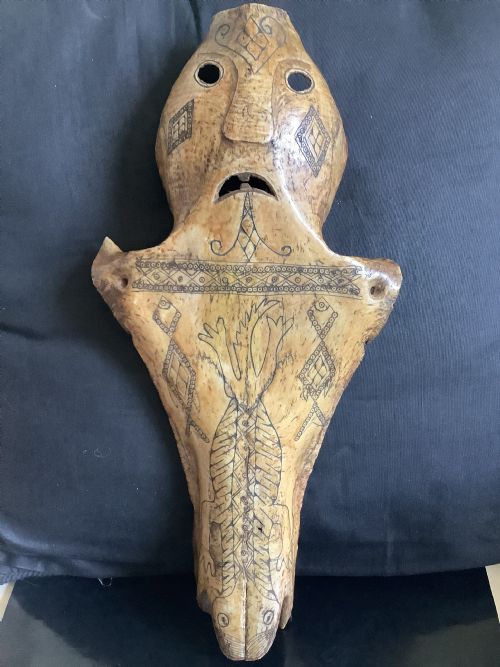
You are most likely to meet nineteenth-century sculptures and decorative objects fashioned from bone, antler, and whale vertebra. These items reflect the practical and spiritual lives of their makers through distinct regional carving traditions.
Materials and Making
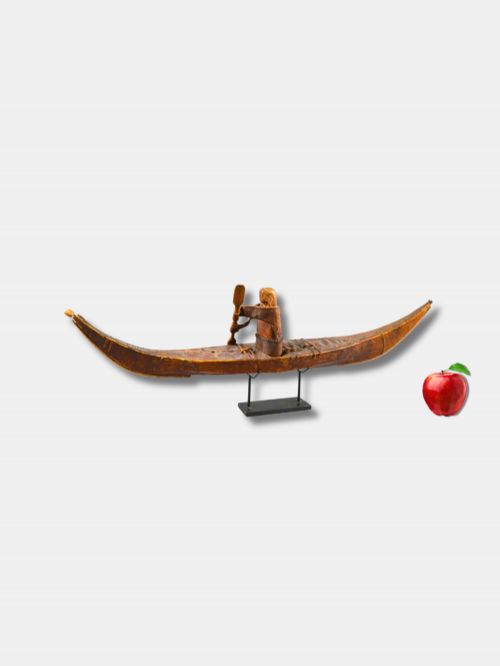
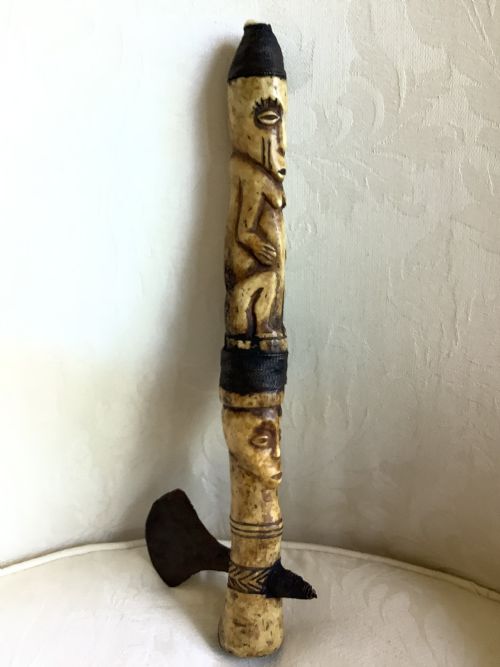
Makers utilised available organic materials, shaping bone, antler, whalebone, and whale vertebrae using hand tools. These structural elements are frequently combined with wood, metal studs, brass wire, and tanned seal skin to complete the pieces.
Surface treatment often involved applying pigments to accentuate carved details and handling that developed a natural patina over time. The structural joining of different mediums, such as wood and bone fitted together for pipes and sculptures, demonstrates traditional construction methods.
Tribal Bone Art Retail Price Guide 2026
Typical asking prices for tribal bone art among the pieces listed under this phrase on Sellingantiques today, from the lower quarter to the upper quarter. They describe what is for sale here now, not the wider market.
Listings feature nineteenth-century materials including bone, antler, tanned seal skin, and whale vertebra across Inuit, African, and Indonesian styles.
Judging Quality
The distinction between standard examples and exceptional pieces rests upon the precision of the carving and the depth of cultural expression. Master carvers achieved remarkable anatomical detail and expressive poses within difficult organic mediums like dense whalebone or hard antler.
Condition and originality heavily influence the standing of an artefact, particularly how well organic attachments like tanned seal skin or brass wire remain intact. Pieces that display an honest, untouched surface patina alongside sophisticated regional styling command greater interest from collectors.
The Tribal Bone Art Glossary
- Tupilak
- A carved figure from Inuit culture representing a vengeful spirit or monster traditionally fashioned from bone, ivory, or driftwood. These small sculptures held significant spiritual power for the shaman who created them.
- Whalebone
- Dense skeletal material derived from cetaceans, utilised extensively by coastal indigenous groups for carving substantial sculptures. This material allowed for robust forms that withstood harsh environmental conditions.
- Antler
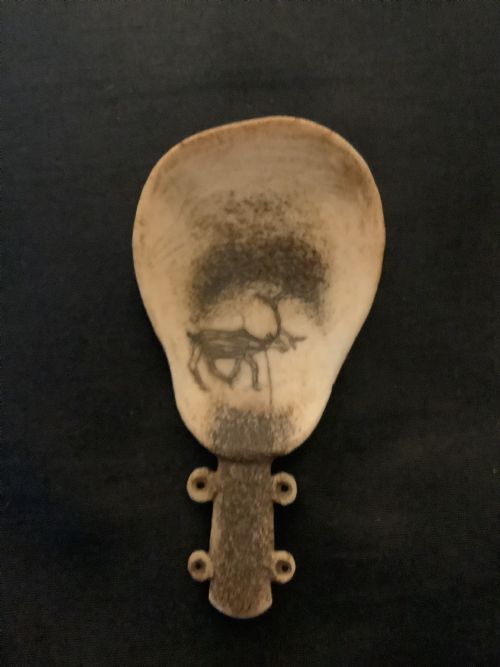
- Horn material shed by members of the deer family and carved into tools and decorative items like spoons. Its natural curvature often dictated the final shape of the artefact.
- Patina
- The surface sheen and colour acquired by organic materials through age, handling, and exposure to oils or smoke. A desirable patina confirms the genuine historic use of an artefact.
- Ethnographic Artefact
- An object made by an indigenous or traditional culture that reflects their daily life, social structure, or belief systems. These items serve as tangible records of human history and anthropology.
Tribal Bone Art: Frequently Asked Questions
What is tribal bone art?
Tribal bone art encompasses sculptures, tools, and ceremonial objects carved by indigenous peoples from skeletal materials like bone, antler, and whale vertebra. These artefacts bridge practical utility with deep spiritual significance.
Items range from everyday items such as spoons and pipes to shamanic figures and figurative statues created during the nineteenth century.
How do I care for bone artefacts?
Bone and organic materials require stable environmental conditions away from direct sunlight and extreme humidity fluctuations. Keeping them in a consistent indoor climate prevents the material from drying out or splitting.
Avoid using modern cleaning chemicals or oils on historic surfaces. Gentle dusting with a soft, dry brush is sufficient to maintain the piece.
How are Inuit bone carvings identified?
Inuit carvings are typically recognised by their subject matter, which often depicts northern wildlife, hunters, kayaks, or spiritual entities like tupilaks. The materials used, including whalebone, seal skin, and antler, also point toward Arctic origins.
Stylistic conventions from the nineteenth century show specific regional approaches to form and surface finishing practiced by Canadian and Greenlandic communities.
What makes an antique bone carving authentic?
Authentic pieces exhibit natural ageing characteristics, including shrinkage cracks, wear patterns from handling, and an established patina that cannot be easily replicated. Tool marks left by traditional hand implements provide further clues to their period.
Material consistency and correct regional style attribution separate genuine nineteenth-century works from later reproductions.