





Tribal Art Panels
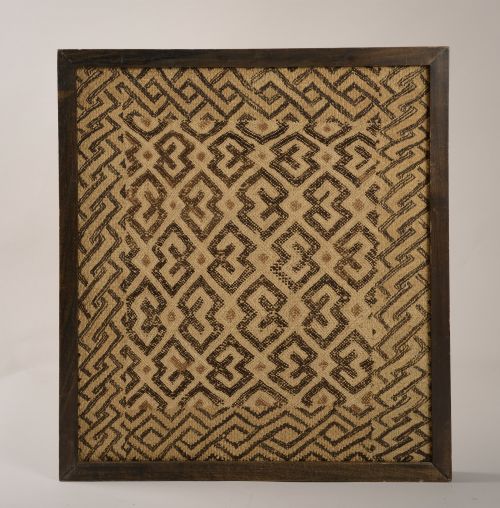
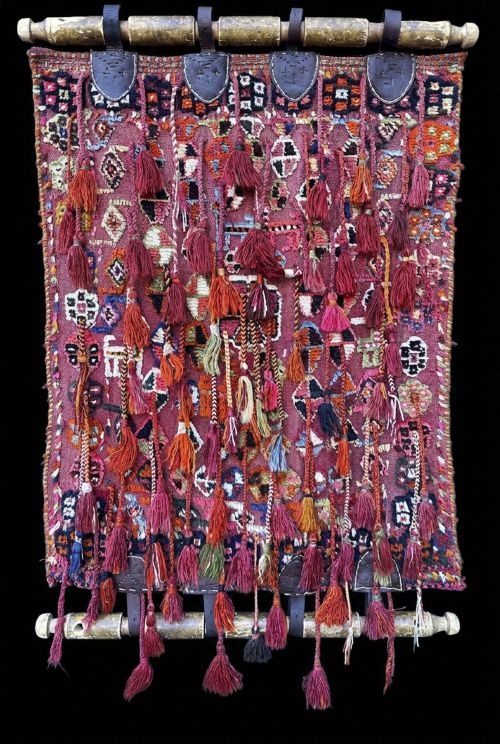
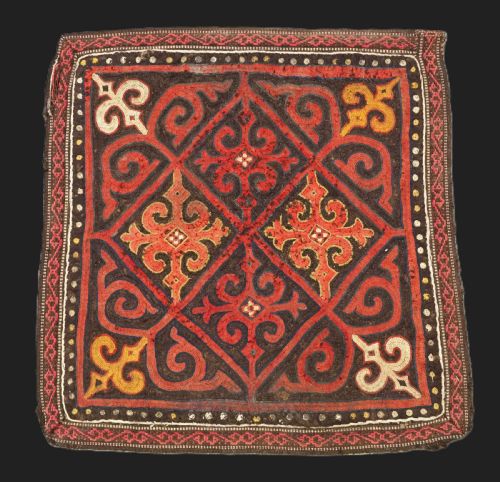
These tribal art panels encompass nomadic embroideries, woven bag faces, and carved wooden doors created for domestic and ceremonial use.
Tribal Art Panels
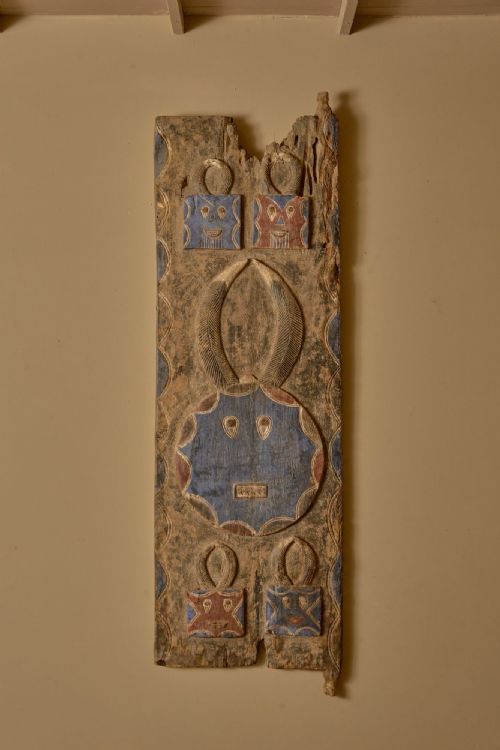
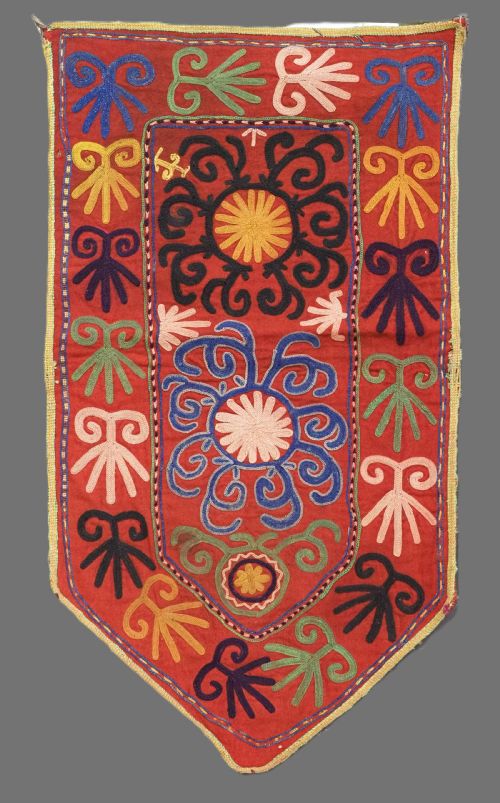
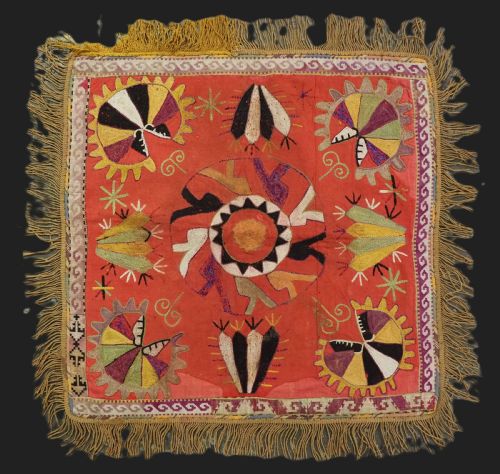
When searching for tribal art panels, buyers encounter textiles and carved wooden objects originating from Central Asian steppes, Persia, and African regions. The selection comprises dowry embroideries, wall hangings, and functional storage bags repurposed for display.
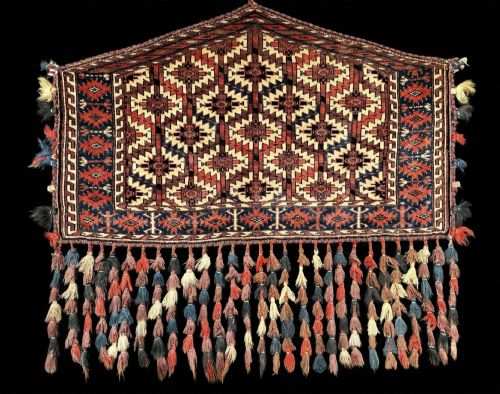
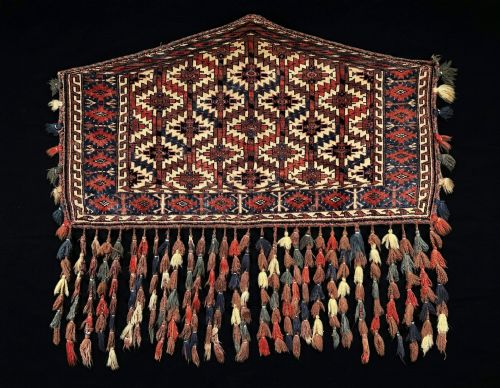
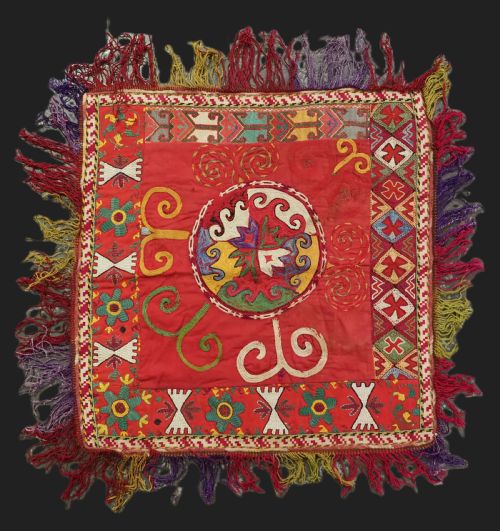
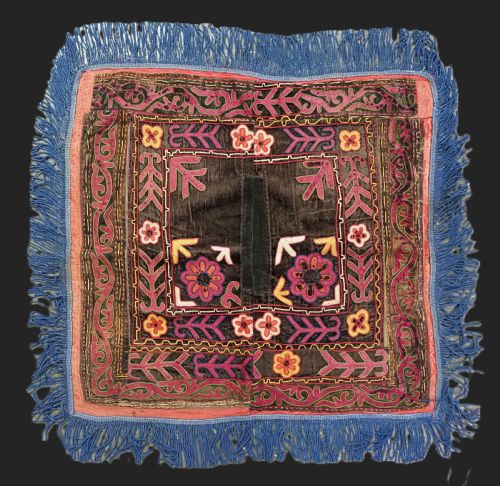
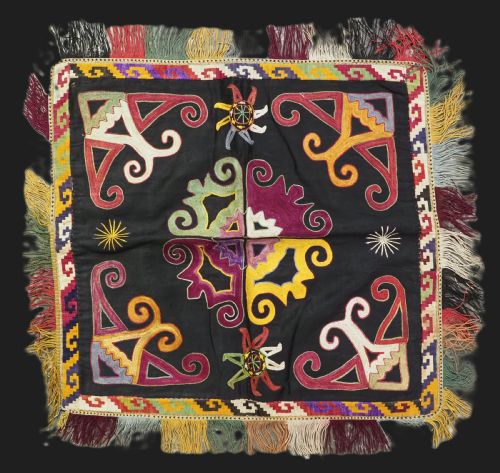
Uzbek embroideries such as lakai ilgiches and suzanis appear alongside Turkmen asmalyks, torbas, and chuvals spanning the nineteenth and early twentieth centuries. Wooden architectural elements and carved panels provide a sculptural contrast to the fabric items.
Materials and technique
Artisans constructed these items utilising wool, cotton, and silk threads applied to woven grounds or worked as independent flatweaves and pile rugs. Natural dyes provided the palette for geometric and figurative motifs.
Woodcarving techniques shaped architectural doors and marriage figures, whilst textile production involved intricate needlework, soumak weave structures, and applique methods.
Tribal Art Panels Retail Price Guide 2026
Typical asking prices for tribal art panels among the pieces listed under this phrase on Sellingantiques today, from the lower quarter to the upper quarter. They describe what is for sale here now, not the wider market.
The inventory spans the nineteenth and early twentieth centuries, featuring wool, cotton, silk, and wood objects from Central Asia, Persia, and Africa.
Quality and execution
The standard of execution depends upon the precision of the needlework or carving and the complexity of the design composition. Pieces demonstrating mastery over traditional motifs and balanced colour distribution represent the finer examples.
Survival condition and structural integrity influence the standing of each piece, distinguishing intact historical examples from heavily restored fragments.
The Tribal Art Panels Glossary
- Suzani
- An embroidered textile from Uzbekistan, traditionally worked in silk on a cotton or linen ground for domestic decoration.
- Asmalyk
- A large pentagonal trapping produced by Turkmen tribes, historically used as a wedding camel decoration.
- Torba
- A small utilitarian storage bag woven or embroidered by nomadic groups for use within a yurt or tent.
- Ilgich
- A Central Asian embroidered wall hanging or domestic furnishing associated with the Lakai tribe.
- Soumak
- A flatweave technique utilising a wrapping stitch over warp threads to create a durable and textured surface.
Tribal Art Panels: Frequently Asked Questions
What is an asmalyk?
An asmalyk is a decorative trapping produced by Turkmen tribes, historically mounted on the flanks of a bridal camel during wedding processions.
These pieces now function primarily as wall art due to their intricate geometric designs and cultural significance.
What is a torba?
A torba is a small storage bag made by nomadic groups for containing household items or personal possessions inside a tent.
Their compact formats and varied tribal patterns make them suitable for modern wall display.
How are periods identified?
Dating relies upon material analysis, structural evidence, and dye characteristics typical of nineteenth and early twentieth-century production.
Comparative study of tribal motifs helps place items within specific cultural and regional traditions.