



Transferware Water Jug
These transferware water jugs are robust earthenware vessels bearing printed scenes, offering practical utility and striking nineteenth-century decoration for your home.
Transferware Water Jug
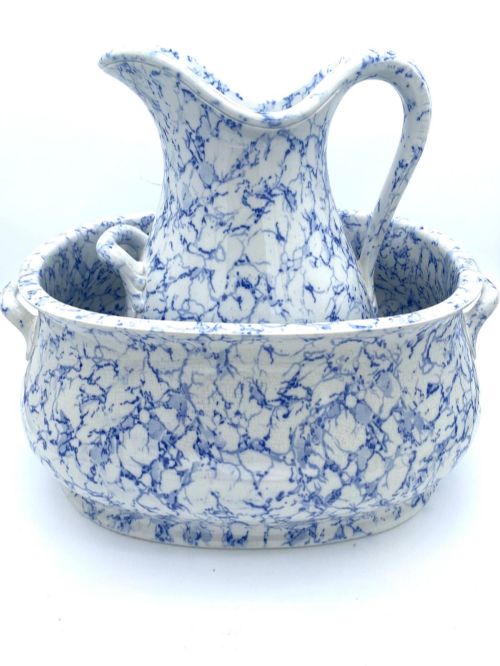
When you search for transferware water jug, you encounter functional ceramic vessels designed for washing or serving during the nineteenth century. These pieces appear singly or as part of larger wash sets alongside matching basins.
The selection on this page spans the Georgian and Victorian eras, taking forms from large one-gallon vessels down to smaller pitchers. Many originate from Staffordshire potteries and major manufacturers of those periods.
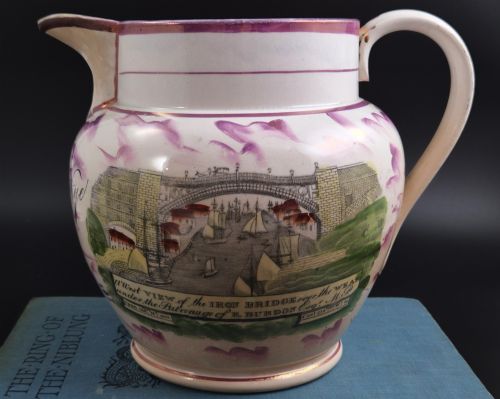
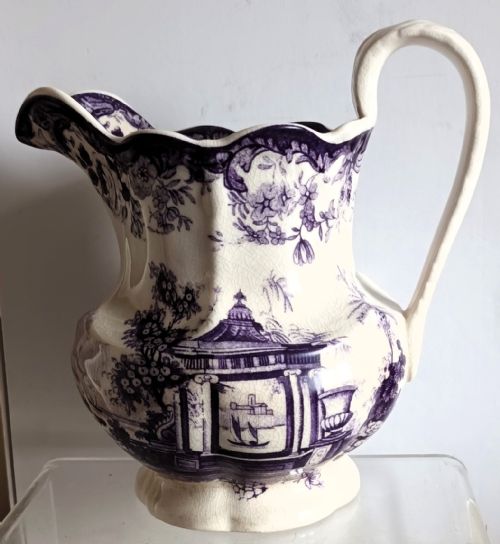
Common patterns include architectural scenes, maritime subjects like the Iron Bridge over the Wear, and classical motifs such as Italian marble designs. Collectors find both simple domestic wares and more elaborate presentation pieces.
How they were made
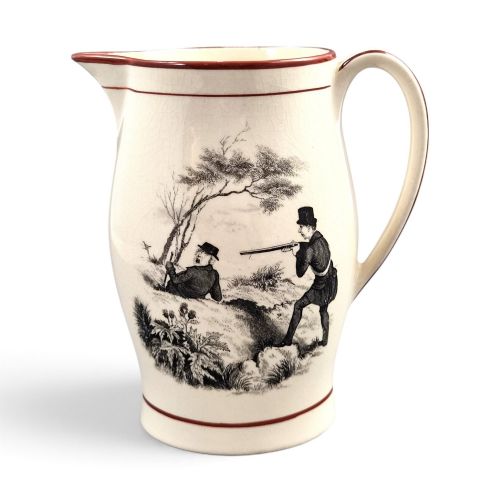
Potters shaped these vessels from earthenware, creamware, or pearlware, applying a liquid glaze to seal the porous ceramic body before firing. Manufacturers then utilised copperplate transfer printing to apply detailed designs onto the surface.
Some examples received hand-painted additions in enamel, gold leaf, or lustre glaze over the printed outline to enrich the final appearance. These combined techniques allowed potteries to produce intricate pictorial scenes with consistent repetition.
Transferware Water Jug Retail Price Guide 2026
Typical asking prices for transferware water jug among the pieces listed under this phrase on Sellingantiques today, from the lower quarter to the upper quarter. They describe what is for sale here now, not the wider market.
Some nineteenth-century jugs feature fierce bull-baiting scenes or mysterious mask heads beneath the spout, keeping morning ablutions remarkably lively.
What varies in quality
Quality in these jugs depends upon the clarity of the transfer print and the registration where pattern edges meet. Finer examples display sharp lines without smudging, whereas lesser pieces show blurred printing or uneven glaze pooling.
The addition of hand-applied elements such as pink lustre or enamel highlights elevates certain pieces above standard utility wares. Potteries like Minton or Doulton Burslem often achieved superior ceramic refinement and more ambitious sculptural forms.
Minton·Caughley Coalport·Staffordshire·Dr Christopher Dresser·Doulton Burslem
The Transferware Water Jug Glossary
- Transferware
- Earthenware decorated by printing a design from an engraved copper plate onto tissue paper, which was then transferred onto the unglazed or bisque ceramic. This process revolutionised pottery decoration in the nineteenth century.
- Creamware
- A refined earthenware developed in Staffordshire featuring a pale yellow or cream-coloured transparent glaze. It gained popularity during the Georgian period for its light weight and smooth surface.
- Pearlware
- An improved earthenware body invented by Josiah Wedgwood containing a small amount of cobalt in the glaze to produce a bluish-white tint. It served as the primary canvas for early blue and white transfer printing.
- Lustre glaze
- A metallic glaze applied to pottery to create an iridescent or reflective sheen, often seen in pink or copper tones on nineteenth-century jugs. Artisans painted this mixture onto the piece before a final low-temperature firing.
- Mask head jug
- A pitcher featuring a moulded human or animal face beneath the spout, common on eighteenth and nineteenth-century ceramic vessels. These decorative elements were often shaped by hand after casting.
Transferware Water Jug: Frequently Asked Questions
How were transferware water jugs used?
These vessels served practical domestic roles in bedrooms and dining rooms during the Georgian and Victorian eras. They held water for morning washing routines when paired with matching wash basins, or dispensed drinks at table.
Larger one-gallon examples managed high-volume utility in larger households or hotel settings. Their durable earthenware construction ensured they withstood daily handling.
Can I use my jug for fresh water?
Many nineteenth-century earthenware jugs remain structurally sound for holding water today. However, older glazes can develop hairline cracks that absorb moisture over time.
Inspect the interior closely for crazing or historic repairs before filling it. Most collectors prefer to display these pieces as decorative objects rather than for daily service.
How can I tell the period of a jug?
Examine the ceramic body, glaze colour, and decorative style to estimate the manufacturing era. Creamware and pearlware bodies typically point toward Georgian production around eighteen hundred to eighteen thirty, while bolder floral or architectural prints often indicate Victorian manufacture.
Maker marks stamped or printed on the base provide the most reliable dating evidence. Stylistic cues like Arts and Crafts forms also help narrow down the decade.