

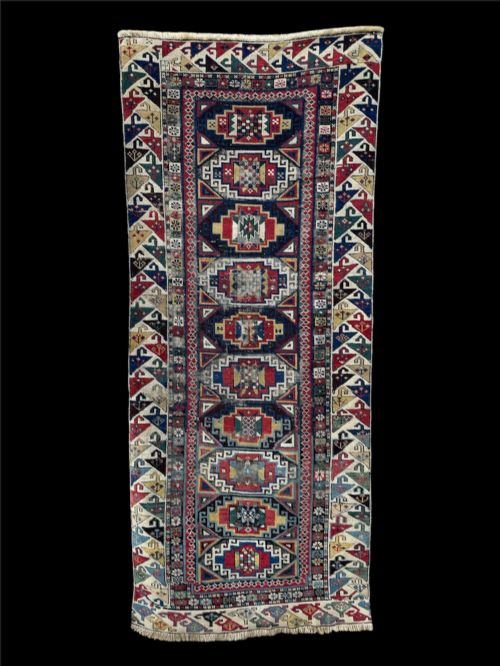


Traditional Wool Hall Rug
A traditional wool hall rug anchors a long corridor with historic pattern and dense pile woven to withstand heavy footfall.
Traditional Wool Hall Rug
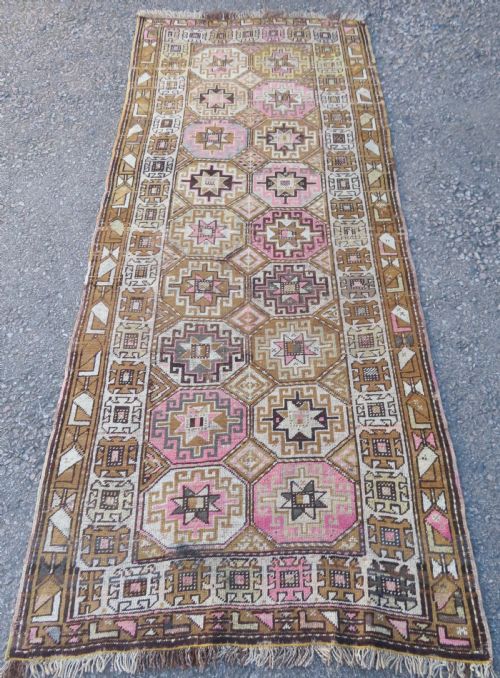
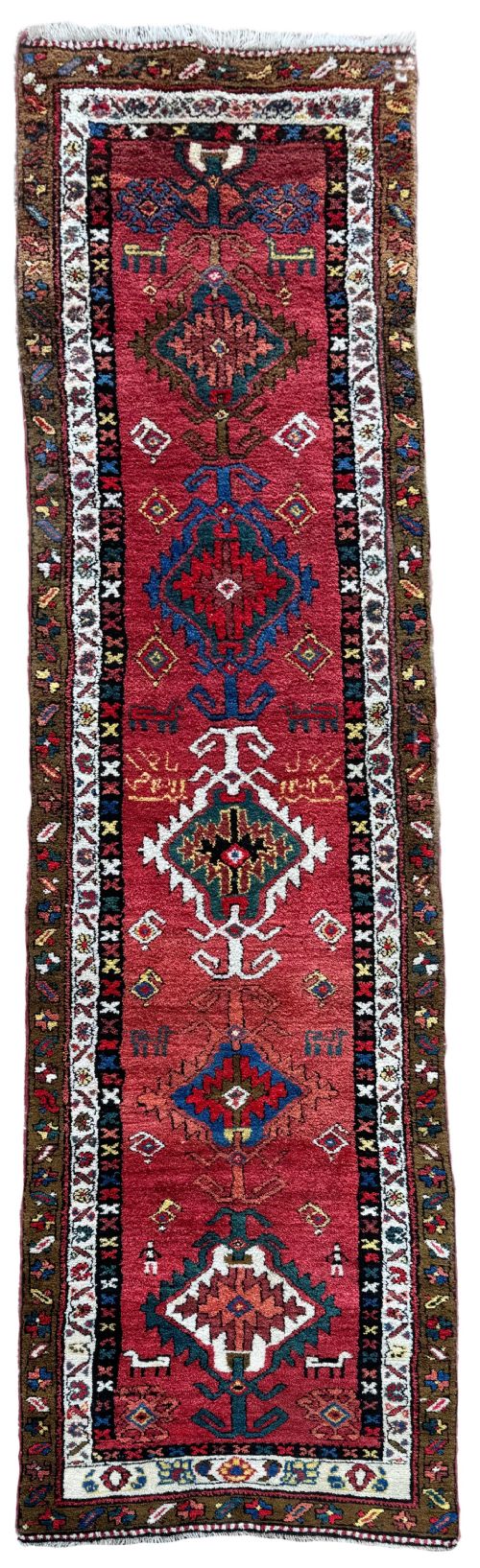
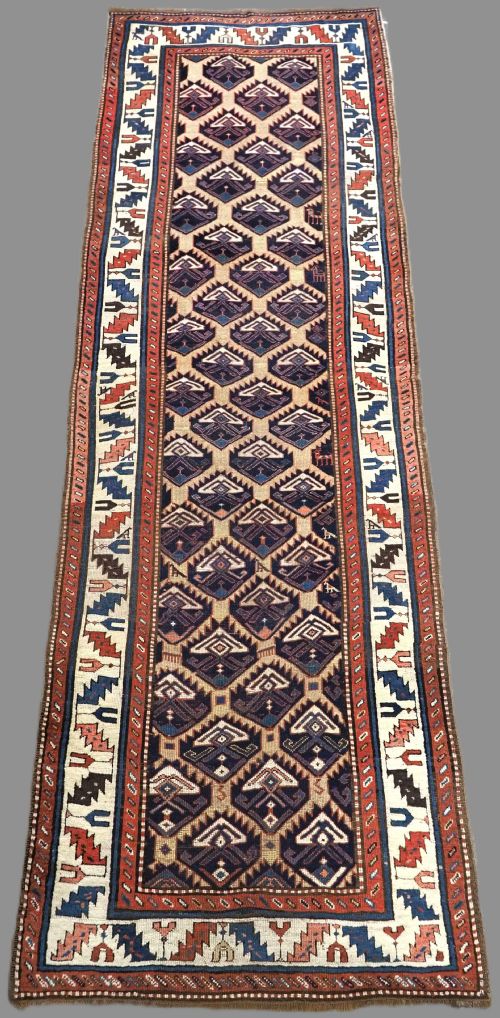
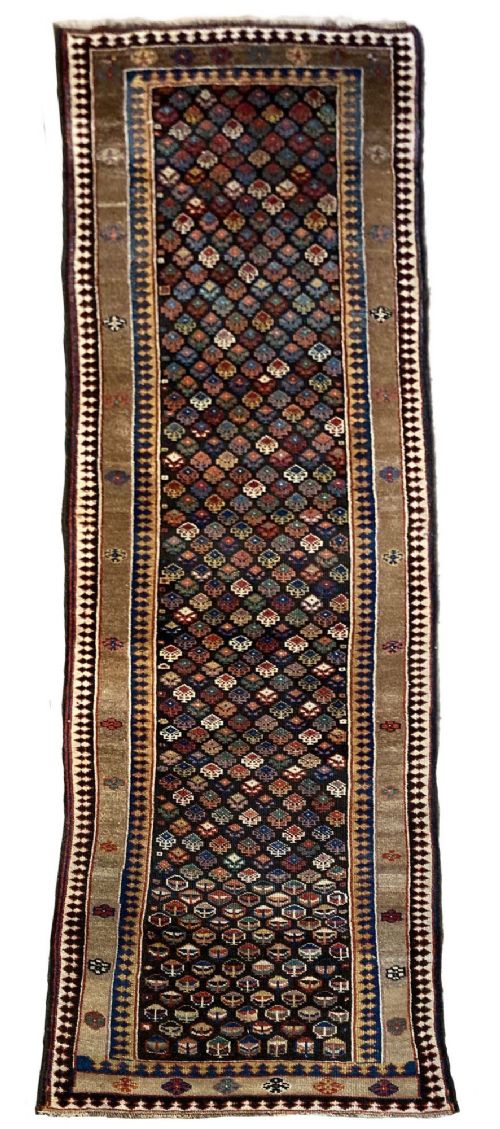
When searching for a traditional wool hall rug, you encounter long, narrow formats designed specifically for corridors, landings and stairways. These pieces originate primarily from Persian, Caucasian and Anatolian weaving traditions, spanning the nineteenth and early twentieth centuries.
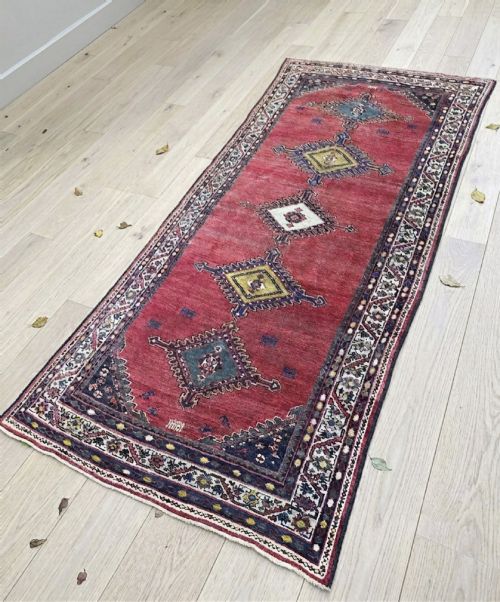
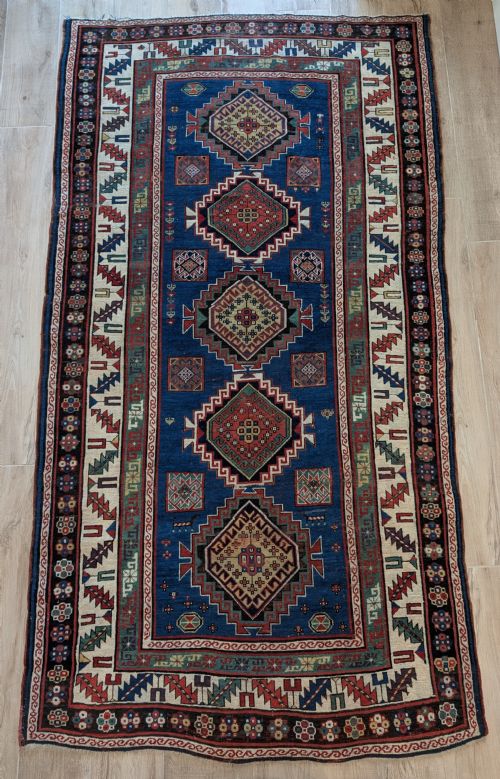
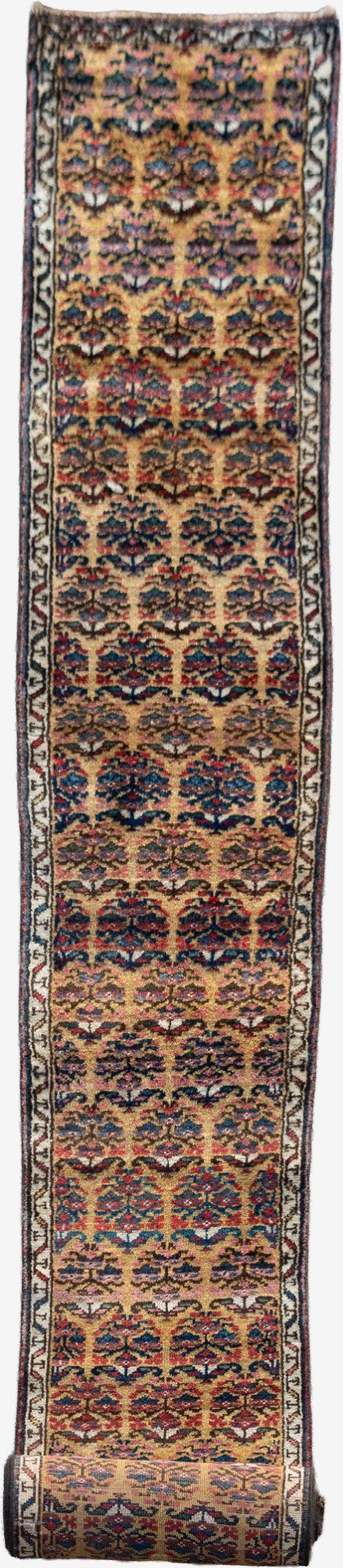
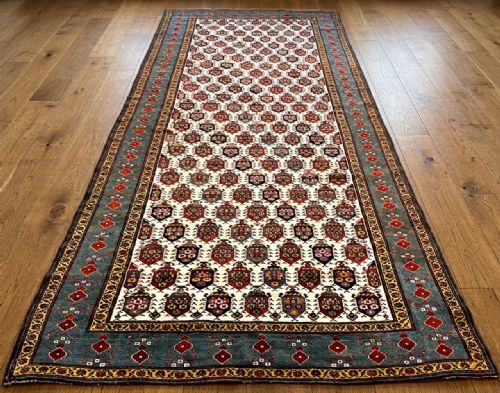
The most common formats on this page are runner rugs and long corridor carpets, often measuring well over three metres in length. They display geometric medallions, boteh motifs, and all-over lattice designs typical of tribal and village workshops.
How they were made
Makers utilised hand-spun wool for the pile, knotted densely onto cotton or wool foundation warps andwefts. Natural dyes derived from plants and minerals provided the rich palette of deep reds, indigos and earthy neutrals.
Certain rugs also incorporated camel hair in their un-dyed states to create soft beige tones and durable textures. These traditional hand-weaving methods ensured the structural integrity required for daily domestic use.
Traditional Wool Hall Rug Retail Price Guide 2026
Typical asking prices for traditional wool hall rug among the pieces listed under this phrase on Sellingantiques today, from the lower quarter to the upper quarter. They describe what is for sale here now, not the wider market.
Current listings feature runners from diverse origins including Heriz, Kurdish, Shirvan and Kazak workshops, dating from the 1880s through to the 1960s.
What varies in quality
Knot density and the precision of the geometric layout determine the refinement of a runner. Tighter knotting allows for sharper delineation of intricate tribal motifs and lattice work.
The stability of the wool and the depth of the natural dyes influence how well the floor covering ages under foot. Superior examples maintain resilient pile height and harmonious colour saturation across exceptionally long formats.
The Traditional Wool Hall Rug Glossary
- Runner
- A long, narrow carpet format traditionally utilised in hallways, corridors and on staircases. These pieces measure significantly longer than they are wide.
- Boteh
- An almond-shaped or paisley motif representing a floral spray or cypress tree, frequently repeated in rows across Caucasian and Persian weavings.
- Lattice design
- A repeating grid network across the field of a rug that encloses smaller geometric floral or animal motifs.
- Pile
- The upright yarn loops or cut ends that form the soft surface of a carpet. Dense wool pile provides cushioning and insulation.
- Warp
- The stationary lengthwise threads stretched on a loom that form the structural foundation of the textile. Wefts are interwoven across these threads.
Traditional Wool Hall Rug: Frequently Asked Questions
Where should I place a long hallway runner?
These narrow formats suit extended corridors, entrance halls and landings where furniture is absent. They protect wooden floorboards while adding warmth and historical character to transitional spaces.
Ensure you measure the walkway carefully, leaving a consistent margin of exposed floor around the perimeter of the rug for a balanced look.
How do I maintain a vintage wool floor covering?
Regular gentle vacuuming without a rotating brush roll removes grit that settles deep within the wool pile. Professional cleaning by a specialist in antique textiles preserves the natural lanolin and dye stability.
Rotate the piece periodically to distribute foot traffic evenly across its length, particularly in high-use hallways.
Are these runners made with natural dyes?
Many nineteenth and early twentieth-century pieces rely on botanical and mineral dye sources. These traditional colourants yield rich, complex tones that mellow gracefully over decades of light exposure.
Subtle variations in shade within a single field of colour often indicate hand-dyeing in small village or tribal workshops.
How can I tell different tribal weaving styles apart?
Caucasian pieces tend to feature bold, sharp geometric medallions and stark primary colours. Persian village runners often incorporate softer floral elements, boteh sprays, or structured Heriz and Hamadan border guards.
Examining the knotting style and the handling of the wool foundation helps attribute the runner to specific regional traditions.