

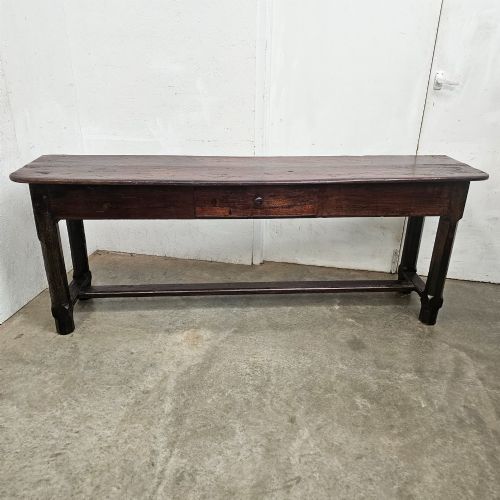
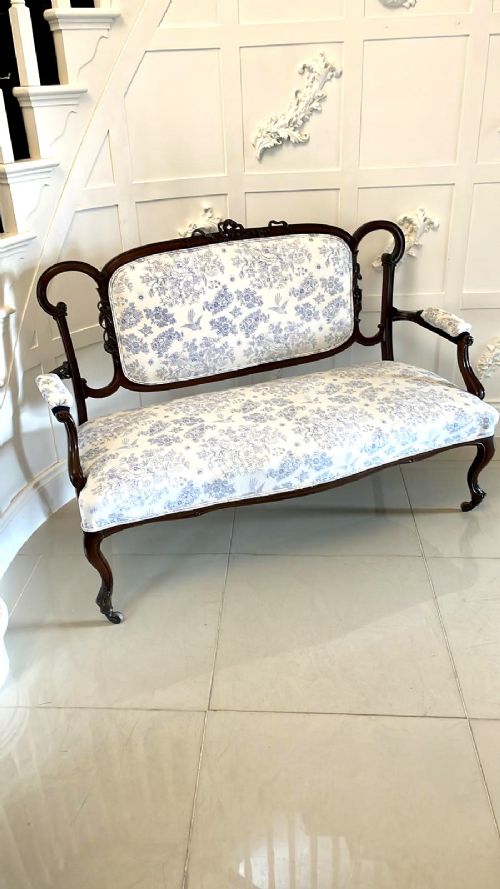
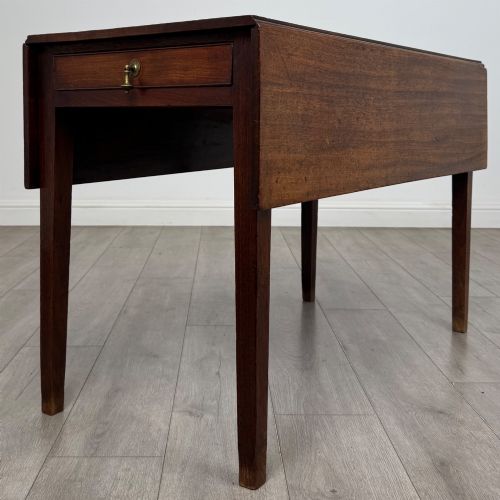
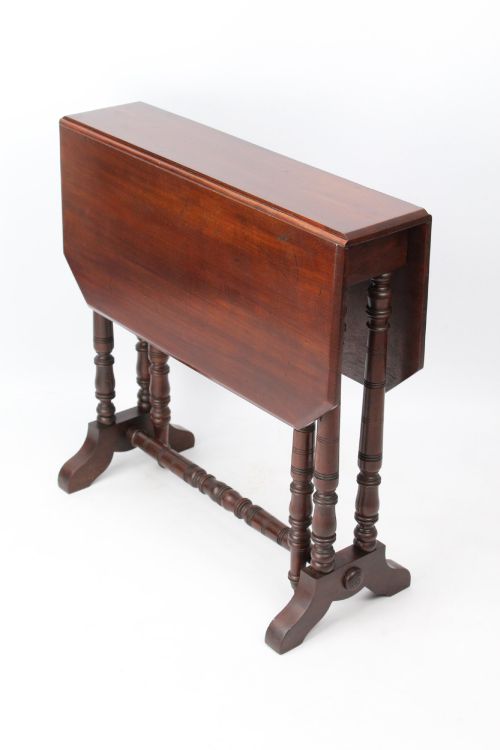

Traditional Wooden Sofa
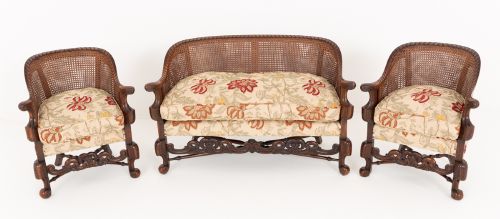
A traditional wooden sofa brings substantial timber frames and upholstered seating into a room, offering enduring seating with exposed structural joinery.
Traditional Wooden Sofa
A traditional wooden sofa is a seated furniture form built around a visible timber framework, encompassing settee, settle, and bench variations. These pieces emerge across the nineteenth century, including Victorian, Edwardian, and Regency examples alongside revival styles.
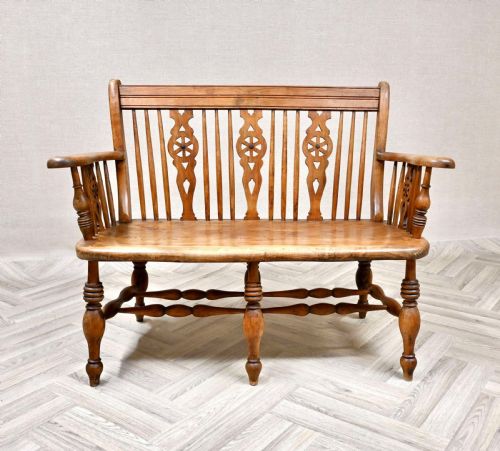
Buyers encountering this search phrase frequently meet large mahogany framed sofas, ladderback settees, and scroll-end designs alongside country house pieces. The structural woodwork remains the defining characteristic, distinguishing these items from fully upholstered modern alternatives.
Timbers such as mahogany, oak, elm, walnut, and fruitwood form the primary skeletons of these seats, often shaped with carved details or plain turned legs. Associated forms include chair back sofas and open wood benches that maintain exposed timber frames.
Materials and construction
Makers utilised solid hardwoods like mahogany, walnut, oak, and elm to construct the load-bearing frames and legs of these sofas. These timbers were carved, turned, or left with plain surfaces depending on the prevailing style of the period.
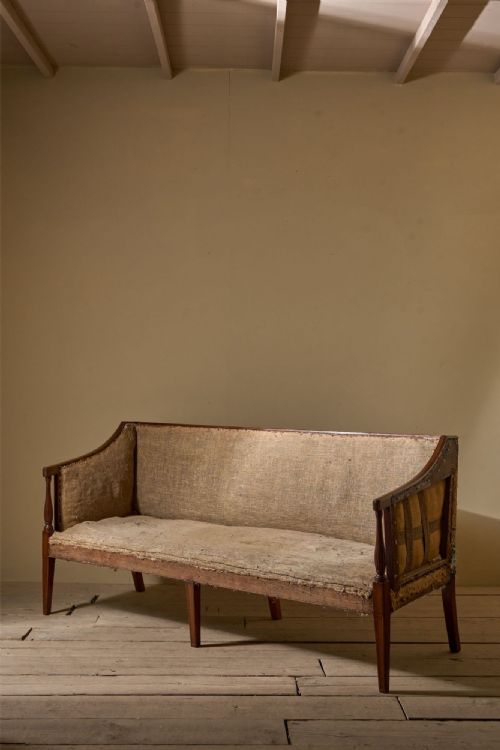
Upholstery elements incorporate traditional materials such as fabric and hessian webbing to support the seated areas within the wooden frameworks. Brass fittings and castors frequently appear on nineteenth-century examples to facilitate movement across floor surfaces.
Traditional Wooden Sofa Retail Price Guide 2026
Typical asking prices for traditional wooden sofa among the pieces listed under this phrase on Sellingantiques today, from the lower quarter to the upper quarter. They describe what is for sale here now, not the wider market.
Listings for this phrase include pieces from the nineteenth and early twentieth centuries, featuring mahogany, oak, elm, walnut, and pine.
Assessing quality in construction
Quality separates pieces through the selection of timber and the execution of joinery within the frame. Dense hardwoods like solid mahogany or walnut indicate superior material choice compared to secondary softwoods.
The refinement of carved details and the stability of the structural joints determine the tier of craftsmanship. Superior examples display precise hand-carving and rigid frame assembly that withstands decades of regular seating use.
The Traditional Wooden Sofa Glossary
- Settee
- A long upholstered seat with a back and arms, designed for multiple occupants. This term frequently overlaps with sofa in nineteenth-century listings.
- Ladderback
- A chair or sofa back featuring horizontal wooden slats resembling the rungs of a ladder. These frames typically utilise woods such as mahogany or ash.
- Scroll-end
- A furniture arm or terminal shaped into a curving scroll motif. This detail appears frequently on nineteenth-century sofas and daybeds.
- Refectory
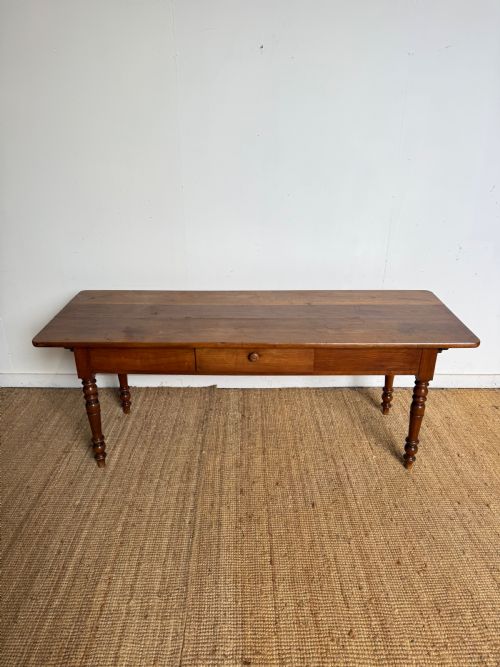
- A long, narrow table or bench style traditionally used in communal dining halls. The term applies to heavy wooden framing structures.
- Gate leg
- A table or furniture support featuring a hinged leg that swings out like a gate to hold up a drop leaf. This mechanism appears on various timber tables.
Traditional Wooden Sofa: Frequently Asked Questions
What is a traditional wooden sofa?
A traditional wooden sofa is a seating piece defined by an exposed timber frame, such as mahogany, oak, or walnut, combined with upholstered elements. These items span various historical periods including the Victorian and Regency eras.
They serve as functional seating while displaying distinct woodworking styles, from plain country house forms to elaborately carved revival pieces.
How do I care for wooden frames?
Maintain timber frames by keeping them away from direct heat sources and sudden humidity changes to prevent wood splitting. Regular dusting with a dry cloth preserves the polished finish.
Condition the exposed wood periodically with appropriate furniture wax while protecting any fabric or hessian upholstery from moisture.
How do I identify the period?
Dating relies on examining the timber species, joinery techniques, and stylistic characteristics present in the frame. Nineteenth-century pieces often feature solid mahogany or walnut with hand-turned legs or carved scroll-ends.
Consulting the specific design motifs, such as Chippendale revival or Regency scrollwork, helps narrow down the decade of manufacture.
Where should I place it?
These sofas suit living rooms, large hallways, or studies where the exposed timber framework can be viewed from multiple angles. Positioning them away from radiators protects the historical wood and upholstery.
Ensure adequate floor space to showcase the specific leg styles, such as gate legs or turned supports.