





Traditional Wooden Secretary
A traditional wooden secretary provides a solid writing surface and private storage, uniting practical workspace with classic cabinetmaking.
Traditional Wooden Secretary
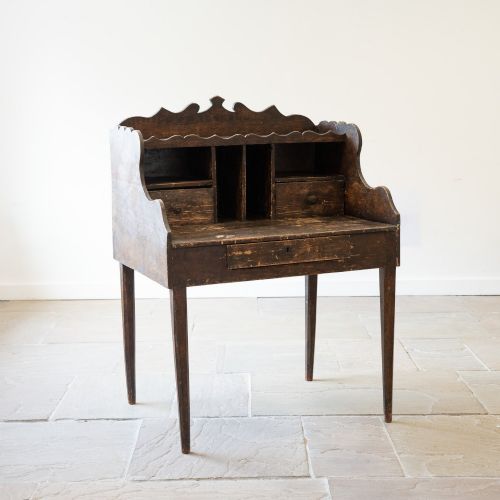
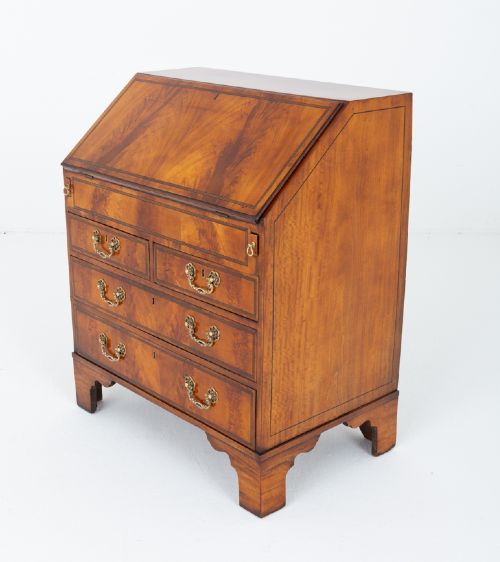
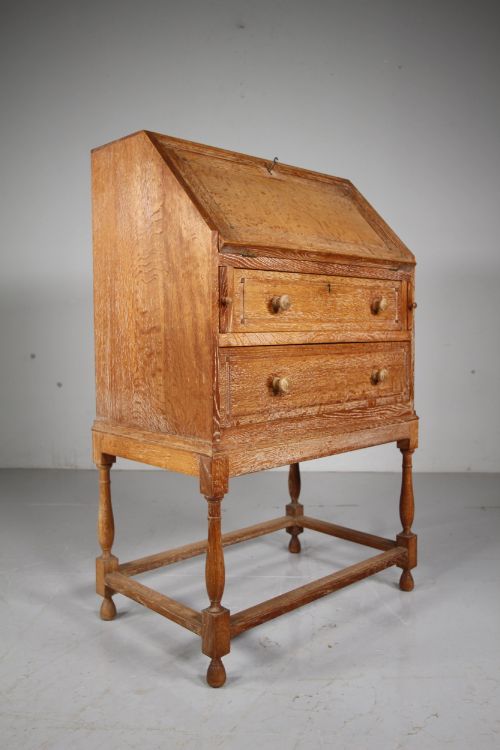
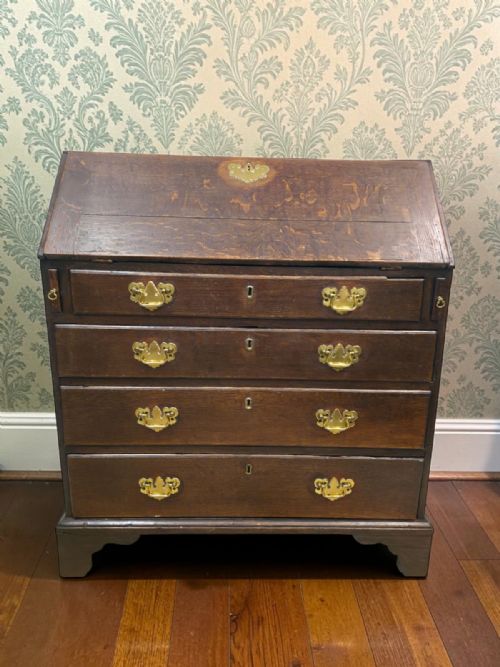
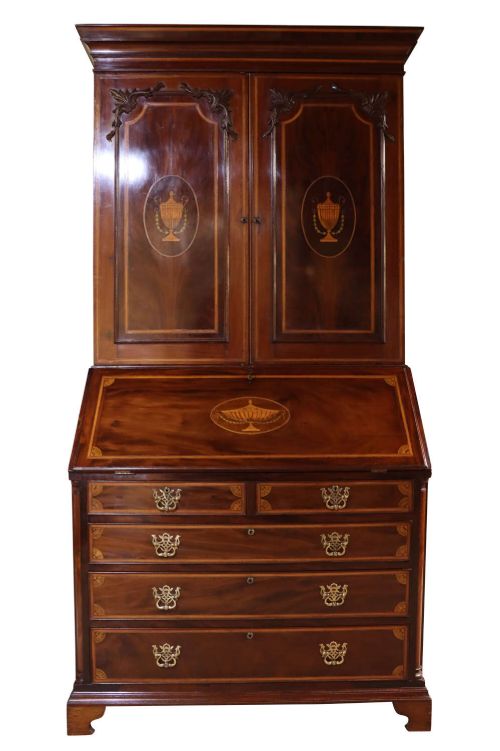
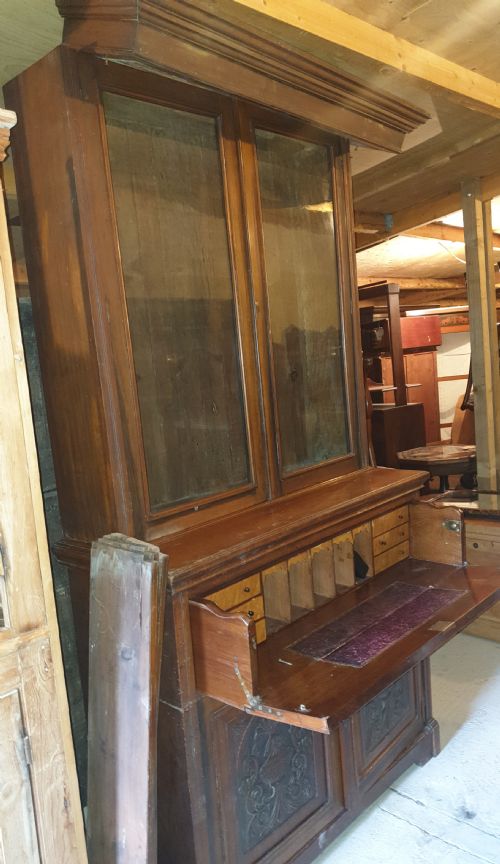
A traditional wooden secretary encompasses desks, bureaux, and bureau bookcases designed for correspondence and storage. Buyers encountering this selection will find examples ranging from compact fall-front writing desks to tall bureau bookcases with fitted interiors.
The objects span multiple periods including the eighteenth century, Georgian era, nineteenth century, and early twentieth century. Common stylistic expressions on this page include Georgian, Edwardian, William IV, French Provincial, Arts and Crafts, and Queen Anne Revival.
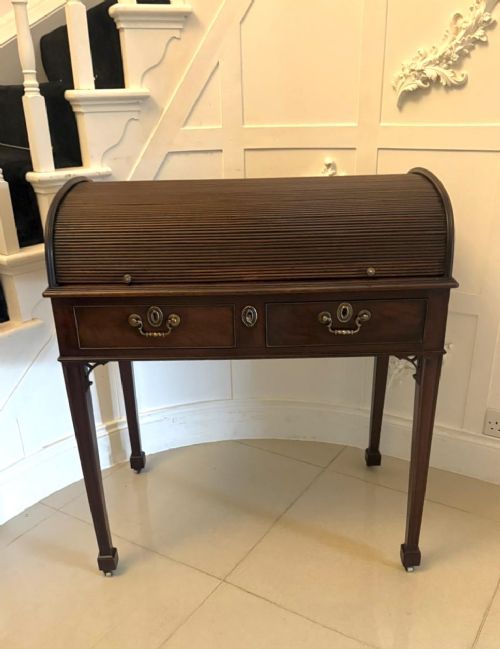
Forms include standard writing bureaux, tambour top cylinder desks, Carlton house desks, and secretaire bookcases. Many incorporate moving interiors, hidden compartments, or labelled makers such as Heals of London.
How they were made
Cabinetmakers utilised timber such as oak, mahogany, walnut, elm, satinwood, pine, and burr mulberry for construction. Wood veneer and wood inlay frequently decorate the exterior surfaces of these desks.
Brass hardware supports functional elements like handles, escutcheons, and hinges. Leather often lines the writing surfaces to provide a smooth plane for penwork.
Construction techniques include fall-front panels, tambour shutters, pull-out writing slides, and intricate internal compartments that conceal small drawers and pigeonholes.
Traditional Wooden Secretary Retail Price Guide 2026
Typical asking prices for traditional wooden secretary among the pieces listed under this phrase on Sellingantiques today, from the lower quarter to the upper quarter. They describe what is for sale here now, not the wider market.
Listings span multiple decades from the mid eighteenth century through to the early twentieth century, utilising oak, mahogany, walnut, and satinwood.
What varies in quality
The standard of timber selection and decorative veneer work separates simpler utility desks from finer examples. Rich figuring in woods like burr mulberry or mahogany elevates the visual presence of a piece.
The complexity and execution of internal mechanisms, such as moving interiors, hidden compartments, and smooth cylinder or fall-front actions, demonstrate the skill of the original workshop. Finer desks display careful joinery that keeps drawers sliding true and doors hanging evenly.
Original hardware, period-appropriate brass fittings, and intact cabinetmaker labels add substantive character and historical integrity compared to later replacements or reproductions.
Heals of London
The Traditional Wooden Secretary Glossary
- Bureau
- A sloping desk with a hinged flap that opens to reveal a fitted interior of drawers and pigeonholes. This term frequently overlaps with secretary in historical usage.
- Fall-front
- A writing flap hinged at the bottom edge which folds down to provide a horizontal desk surface. When closed, it conceals the inner compartments upright.
- Tambour
- A sliding door or shutter constructed from narrow vertical strips of wood glued to a canvas backing. It tracks around a curved recess to open and close cylinder desks.
- Carlton house desk
- A freestanding writing table with a low superstructure of small drawers and compartments curving around the back and sides. It typically includes small pull-out slides for extra workspace.
Traditional Wooden Secretary: Frequently Asked Questions
What is a traditional wooden secretary?
A traditional wooden secretary is a desk featuring a writing surface and enclosed storage, often behind a folding flap or cylinder top. These pieces combine utilitarian workspace with cabinetry designed for organising correspondence and documents.
Historical examples frequently incorporate internal compartments, small drawers, and pigeonholes within a timber carcase of oak, mahogany, or walnut.
How do I date an antique wooden secretary?
Dating relies on observing construction methods, timber choices, and stylistic details associated with periods like the Georgian era or the Edwardian years. Secondary woods used inside drawers and the type of brass hardware provide further chronological clues.
Labels left by makers or retailers also help pinpoint the exact decade of manufacture for certain twentieth-century pieces.
Where were secretaries placed in a home?
These desks served primarily in private studies, libraries, or formal reception rooms where household accounts and correspondence were managed. Their enclosed storage kept sensitive papers private when guests visited.
Tall bureau bookcases also functioned in parlours to display leather-bound volumes behind glass doors while keeping writing tools ready below.
How do I care for wood and leather surfaces?
Maintain the timber by keeping the piece away from direct heat sources and strong sunlight that can dry out veneer or fade polish. Occasional dusting with a soft, dry cloth preserves the finish without a build-up of wax.
Leather writing inserts benefit from minimal moisture and gentle cleaning to prevent cracking across the writing plane.