




Traditional Wooden Hope Chest
A traditional wooden hope chest is a timeless household store for linens and keepsakes, offering solid construction in oak, pine, or camphorwood.
Traditional Wooden Hope Chest
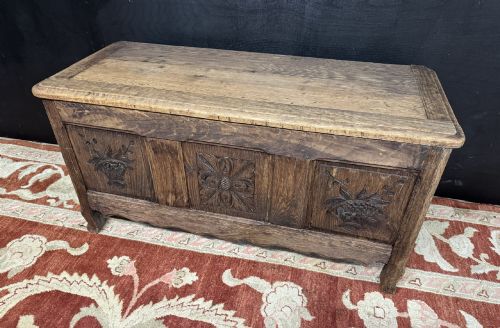
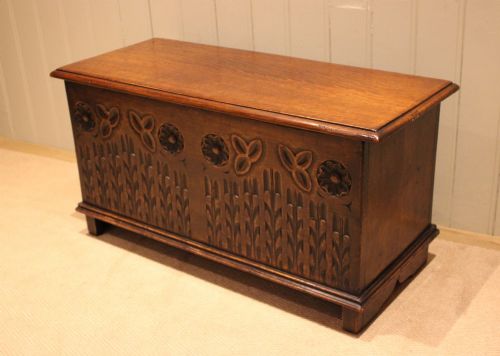
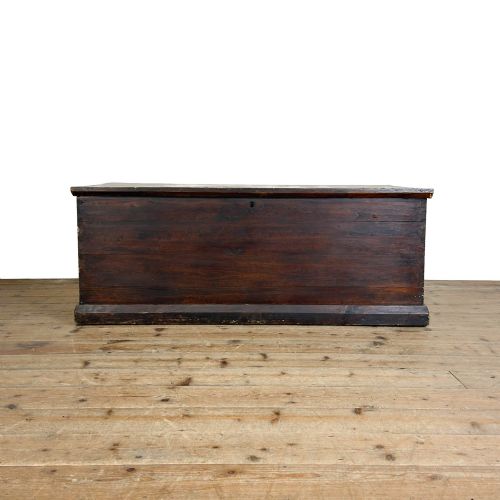
A traditional wooden hope chest serves as a robust receptacle for domestic storage, frequently encountered as blanket boxes, coffers, and mule chests on this page. These pieces span centuries of craftsmanship, ranging from seventeenth-century oak coffers to nineteenth-century pine boxes and marriage trunks.
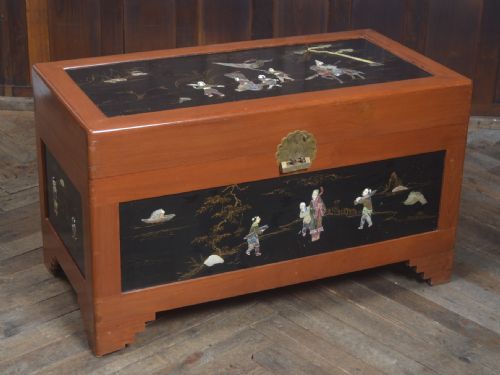
The selection encompasses diverse regional origins and styles, including Victorian country pieces, Chinese export camphorwood trunks, and Arts and Crafts designs. Buyers seeking a traditional wooden hope chest will find utilitarian pine storage alongside richly carved oriental trunks and early British oak examples.
How they were made
Construction relies heavily on durable timbers such as oak, pine, and mahogany, shaped into sturdy chests with traditional joinery. Many examples incorporate metal hardware, utilising iron and brass for hinges, lock plates, and carrying handles.
Surface finishes vary from waxed and stained natural grain to original pigment and paintwork. Certain regional forms feature carved ornamentation, while marriage and celebration chests often display decorative painting specific to their cultural origin.
Traditional Wooden Hope Chest Retail Price Guide 2026
Typical asking prices for traditional wooden hope chest among the pieces listed under this phrase on Sellingantiques today, from the lower quarter to the upper quarter. They describe what is for sale here now, not the wider market.
What varies in quality
Quality in these chests rests upon the integrity of the timber and the depth of the initial craftsmanship. Heavy oak examples from earlier centuries demonstrate superior structural framing compared to lighter utilitarian pine boxes.
Surface preservation significantly influences the character of a piece, distinguishing honest original painted finishes and rich patination from later alterations. The intricacy of carving and the inclusion of original brass or iron hardware further elevate the standing of a trunk.
The Traditional Wooden Hope Chest Glossary
- Coffer
- A heavy wooden chest traditionally used for storing valuables and documents. These pieces often feature sturdy panelled construction.
- Mule chest
- A storage chest characterised by one or more drawers built into the base beneath the main compartment. This form bridges the gap between the traditional box and the chest of drawers.
- Dowry chest
- A trunk prepared for a bride to store household linens, garments, and domestic goods. These objects frequently display celebratory painting or carving.
- Camphorwood
- An aromatic timber utilised extensively in oriental trunks and export chests. Its natural scent acts as a deterrent to moths and insects.
- Pine
- A softwood commonly employed in vernacular furniture and blanket boxes across the nineteenth century. It accepts paint and stain readily.
Traditional Wooden Hope Chest: Frequently Asked Questions
What is a traditional wooden hope chest?
A traditional wooden hope chest is a storage box historically used by young unmarried women to collect household linens, clothing, and domestic goods in anticipation of marriage.
Today, these versatile containers serve practical storage functions in living spaces while providing historical character through materials like oak, pine, and camphorwood.
How do I date an old chest?
Dating an old chest involves examining the construction methods, joinery techniques, and the type of timber utilised by the maker. Seventeenth and eighteenth-century examples typically feature hand-cleaved oak and pegged frame-and-panel construction.
Later nineteenth-century pieces often utilise machine-sawn pine or mahogany, sometimes accompanied by factory-produced iron or brass hardware and painted surfaces.
Where were camphorwood chests made?
Camphorwood chests were frequently produced in East Asia and through Chinese export workshops during the nineteenth and early twentieth centuries. Merchants and sailors transported these aromatic trunks globally.
The dense wood protected stored textiles from humidity and insects during long maritime journeys.
Can I use a coffer as a coffee table?
A sturdy wooden coffer or blanket box functions effectively as a coffee table while offering concealed storage for blankets and cushions within the living room. The flat top surface accommodates books and decorative items easily.
Care should be taken to protect antique waxed or painted finishes from moisture and heat using suitable coasters and mats.