

Traditional Wooden High Chair
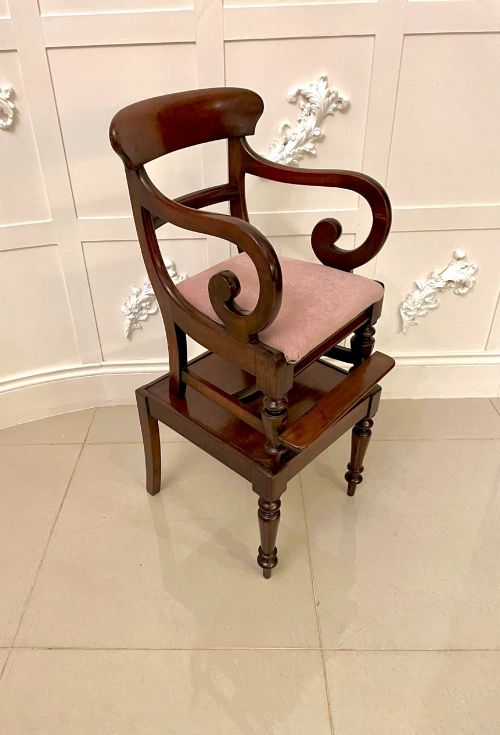
A traditional wooden high chair offers sturdy domestic utility, combining regional timber framing with practical seating for young children across the Georgian and Victorian eras.
Traditional Wooden High Chair
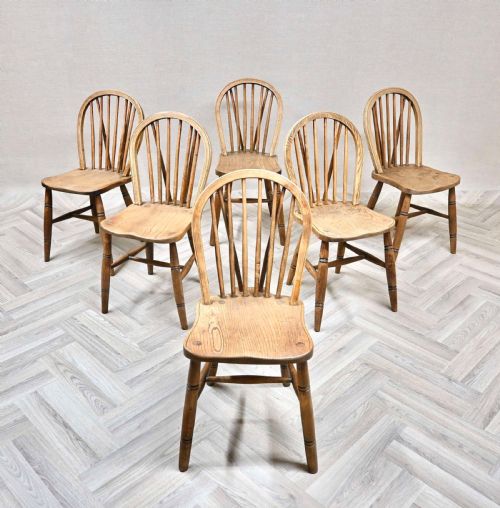
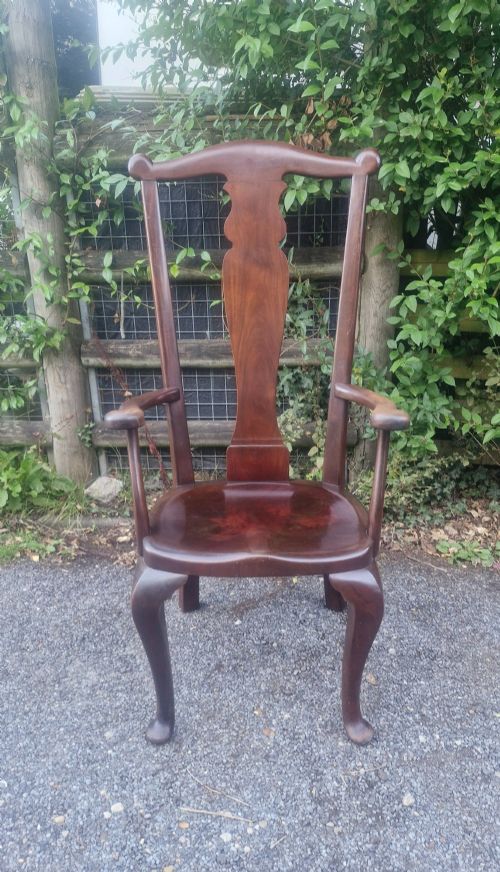
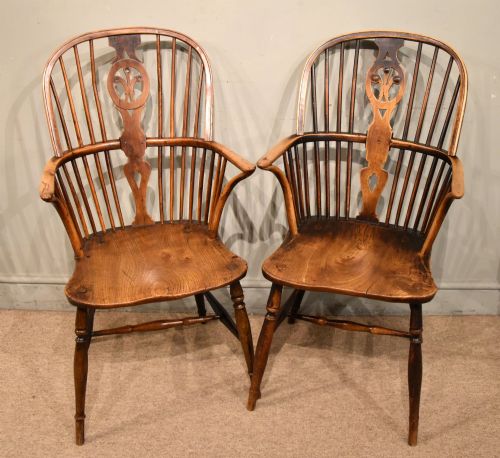
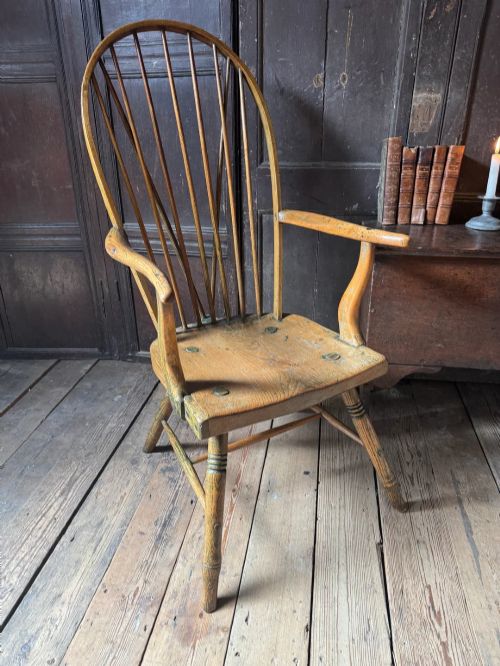
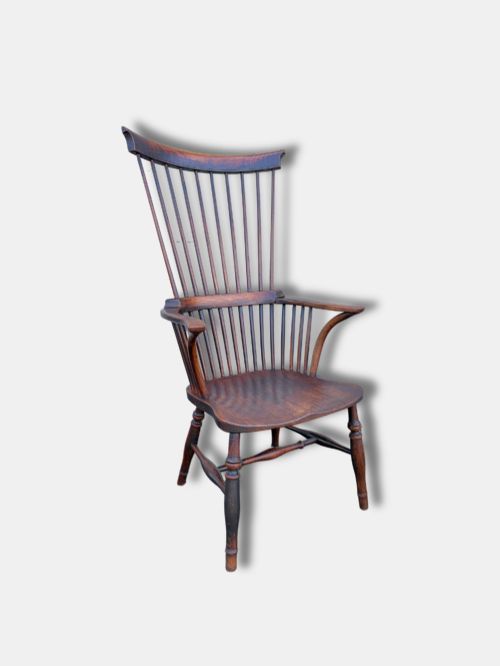
A traditional wooden high chair emerges from rural domestic life, designed to elevate a child to table height using standard vernacular seating methods. These pieces draw upon regional English country traditions, adapting the robust construction of adult Windsor and farmhouse chairs into elevated seating forms.
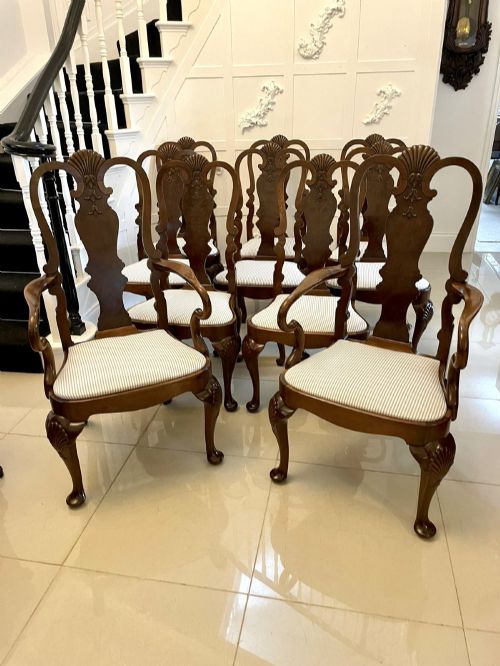
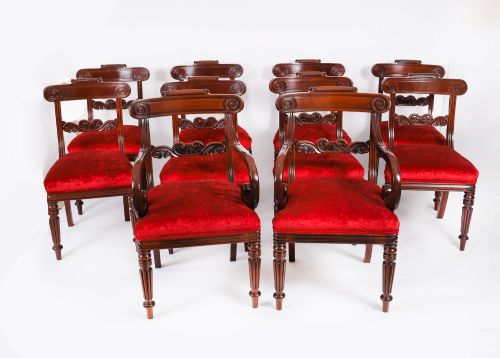
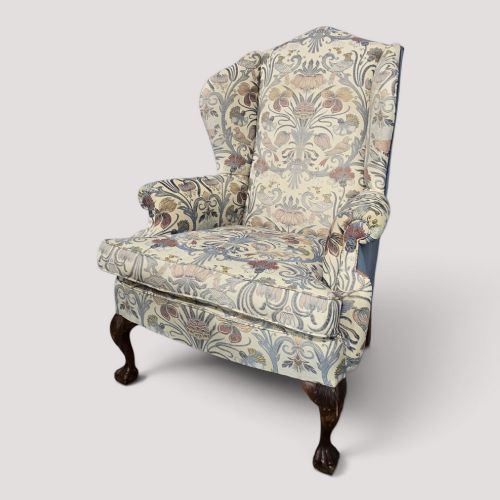
The selections span the eighteenth and nineteenth centuries, including Victorian and Georgian examples alongside later Edwardian interpretations. Makers constructed these chairs with high legs and integrated footrests, ensuring stability and safety for daily household use.
Timbers and Construction
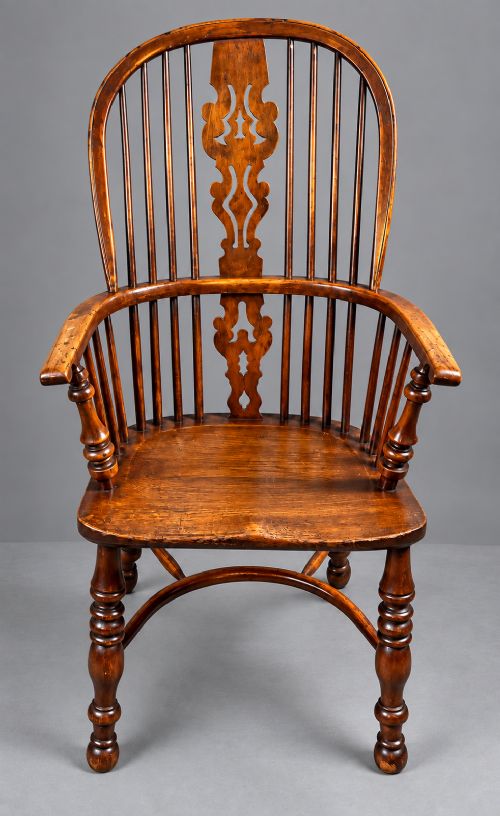
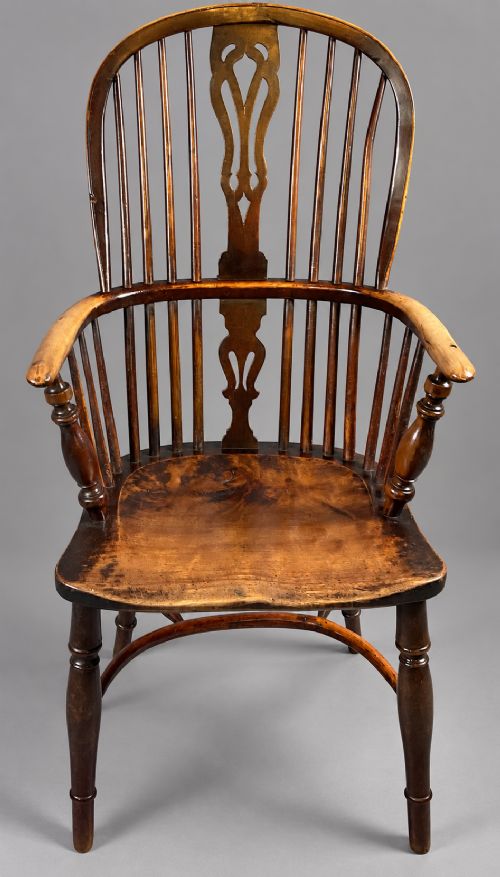
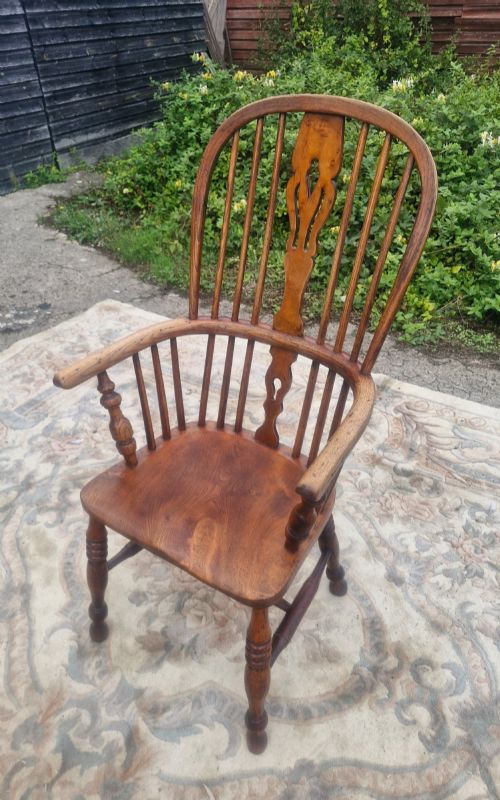
Craftsmen built these chairs using mixed native hardwoods, pairing elm seats with ash, beech, oak, yew, or fruitwood spindles and framing. This composite method utilised the specific qualities of each timber, such as tough elm for solid carved seats and flexible ash or beech for bentwood hoops and turned legs.
Construction relied on traditional bodging techniques, where turned components and steam-bent parts fit into drilled holes within the solid wooden seat block using wedged tenons.
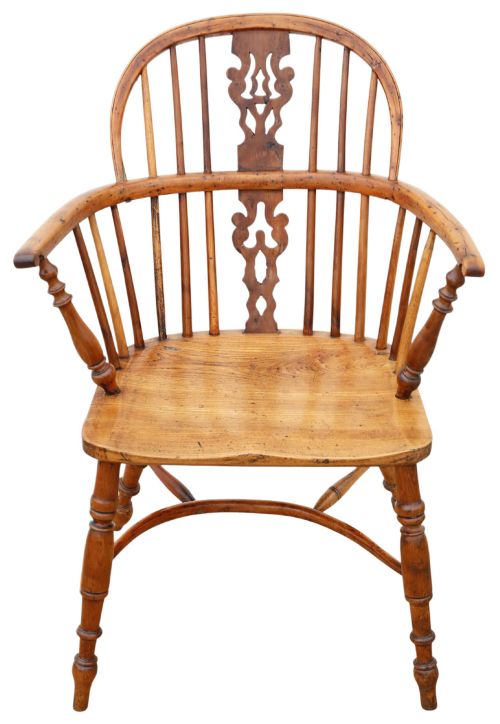
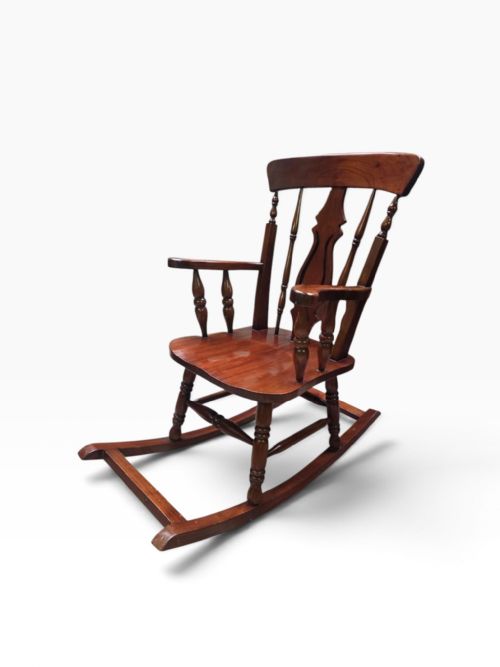
The listings incorporate traditional wooden high chair forms alongside elm and ash Windsor armchairs spanning the Georgian, Victorian, and Edwardian periods.
Proportion and Material Selection
Quality rests upon the harmony of proportions and the careful selection of contrasting timbers for the seat and superstructure. Superior examples display elegantly turned spindles, well-sculpted seat commodes, and retained original footrests rather than replaced components.
The crispness of the turning on the legs and arm supports, alongside the grain figure visible in elm or yew timber, distinguishes finer regional workshop output from simpler utilitarian seating.
The Traditional Wooden High Chair Glossary
- Comb-back
- A Windsor chair variation where the vertical spindles extend through a horizontal crest rail resembling the teeth of a comb.
- Hoop-back
- A structural framing style where a single continuous piece of steam-bent wood forms the back and arm rail.
- Vernacular
- Everyday utilitarian furniture made by regional country joiners without adherence to high-style metropolitan design canons.
- Bodger
- A rural pole-lathe turner who produced chair legs and spindles in woodland clearings for local chairmakers.
- Spindle
- A slender, turned wooden rod used vertically to fill the space between the seat and arm rail or crest.
Traditional Wooden High Chair: Frequently Asked Questions
How do I clean a wooden high chair?
Dust the surface regularly with a dry cloth and occasionally nourish the timber using traditional beeswax.
Avoid modern liquid polishes containing silicone, which can penetrate open-grained woods and damage the historic finish.
Are these chairs safe for children today?
These antique items serve primarily as decorative objects or collector pieces rather than modern nursery furniture.
They lack contemporary safety harnesses and certified restraint systems required for current child seating standards.
What woods were used for these chairs?
Makers relied on native British hardwoods selected for strength and bending capabilities.
Elm provided a non-splitting seat base, while ash, beech, and yew formed the turned legs and steam-bent back rails.
How can I date an old high chair?
Dating relies on examining construction tool marks, timber weathering, and the evolution of back styles from Georgian hoop-backs to Victorian variations.
Component wear patterns and assembly methods provide further clues regarding the period of manufacture.